4K ตัวเดียวกันค่ะขนาดเท่ากันราคาสูงสุด30-50% ค่ะความแตกต่างมักจะเป็นส่วนประกอบแผ่นข้อมูลจำเพาะส่วนใหญ่ไม่เคยพูดถึง
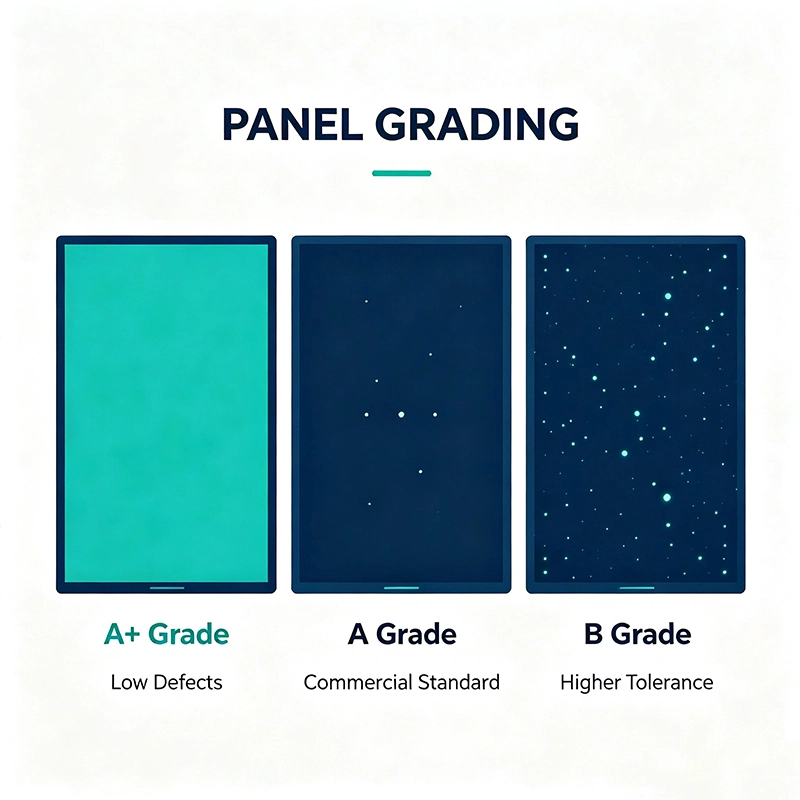
เกรดแผง LCD เป็นคำอธิบายที่พบบ่อยที่สุดเพียงข้อเดียวสำหรับช่องว่างราคา30-50% ระหว่างจอแบนแบบโต้ตอบสองแผงที่มีรายละเอียดส่วนหัวเหมือนกัน แผงเกรด (a/a/b) จะถูกกำหนดที่โรงงานเรียงลำดับเวที-ขึ้นอยู่กับข้อบกพร่องนับข้อบกพร่องสถานที่และสี/ความสว่างสม่ำเสมอ-และเกือบไม่เคยปรากฏบนแผ่นข้อมูลจำเพาะไม่มีผลต่อการเปิดแผงหรือไม่จะกำหนดว่าแผงยังคงดูและดำเนินการในแบบที่ทำในวันที่หนึ่งสามปีในการปรับใช้
รูป MTBF ที่ไม่มีเกรดแผงที่ระบุไว้เป็นเพียงครึ่งจุดข้อมูล MTBF เป็นค่าเฉลี่ยทางสถิติจากการทดสอบประชากร-มีประโยชน์สำหรับซัพพลายเออร์การจัดอันดับที่สัมพันธ์กับแต่ละอื่นๆไม่ได้สำหรับการคาดการณ์วันที่ให้บริการของหน่วยเดียวใดต้นฉบับ VS การจัดหาแผงตกแต่งใหม่เป็นความเสี่ยงแยกต่างหากและเงียบ: แผงตกแต่งใหม่เข้าสู่ห่วงโซ่อุปทานที่มีการใช้งานที่ไม่มีเอกสารก่อนและความคุ้มครองการรับประกันแผงส่วนประกอบมักจะ voided หรืออย่างรวดเร็วจำกัด
สองแผงแบนแบบโต้ตอบสามารถนั่งเคียงข้างกันในการเปรียบเทียบทั้งสองโฆษณาเป็นไวท์บอร์ดแบบโต้ตอบ86 "4K, ทั้งการอ้างอิงความสว่างที่คล้ายกันและการตอบสนองต่อการสัมผัส-และยังคงมีช่องว่างราคา30% ถึง50% ถามซัพพลายเออร์ว่าทำไมและคำตอบเกือบจะเหมือนกันเสมอ: "เราใช้แผงเกรด A ดั้งเดิม" โดยไม่ต้องมีคำศัพท์ที่ใช้ร่วมกันสำหรับสิ่งที่เรียกร้องจริงหมายถึงทีมจัดซื้อจะถูกประเมินในราคาเพียงอย่างเดียว
นี่เป็นปัญหา B2B อย่างชัดเจนหนึ่ง แผงจอแบนแบบอินเทอร์แอคทีฟ ใช้ในห้องเรียนหรือห้องประชุมไม่ได้ใช้วิธีใช้โทรทัศน์ในครัวเรือนมันทำงานหกถึงสิบชั่วโมงต่อวันบางครั้งกลับไปกลับในหลายเซสชันสำหรับปี, ในด้านหน้าของผู้ใช้ที่ไม่เคยเห็น-และไม่ควรต้องคิดเกี่ยวกับ-สิ่งที่เกิดขึ้นภายในจอแสดงผลส่วนประกอบที่ตัดสินใจอย่างเงียบๆว่าสัญญาถือเป็นแผงจอแอลซีดีตัวเอง: เกรดของมันคะแนน MTBF ประวัติศาสตร์การจัดหาและมากขึ้นวิศวกรรมตาความสะดวกสบาย
บทความนี้เดินผ่านสี่สิ่งที่จัดซื้อจัดจ้างหรือผู้ซื้อควรจะสามารถประเมินก่อนที่จะลงนามในใบสั่งซื้อสำหรับ กระดานอัจฉริยะแบบโต้ตอบได้ หรือก็อก ไอเอฟพีดีFleet: วิธีการจัดระดับแผง (a/a/b) ทำงานจริงวิธีการอ่านรูป MTBF โดยไม่ต้องเกินหรือภายใต้ trusting มัน, ทำไม "แผงเดิม" และ "แผงตกแต่งใหม่" ไม่สามารถใช้แทนกันได้ที่แผ่นข้อมูลจำเพาะที่เหมือนกันและทำไมคุณสมบัติระดับแผงเช่นการปล่อยแสงสีฟ้าต่ำอยู่ใน RFP เชิงพาณิชย์, ไม่ใช่แค่โบรชัวร์ทีวีสำหรับผู้บริโภคเท่านั้น
เก็บโต๊ะทั้งสองนี้ไว้ในมือในครั้งต่อไปที่คุณต้องการเปรียบเทียบคำพูดของซัพพลายเออร์สำหรับจอแบนแบบโต้ตอบอีกครั้ง-ครอบคลุมตัวแปรสองตัวที่มักอธิบายช่องว่างราคาระหว่างสองหน่วยที่มีรายละเอียดของพาดหัวเหมือนกัน
| เกณฑ์ตามเกณฑ์ | เกรดเอ | เกรดเอ | เกรดบี |
|---|---|---|---|
| ความทนทานต่อข้อบกพร่อง (จุดสว่าง/มืด) | Near-Zero; tightest Bin ในกระบวนการคัดแยก | ต่ำมาก; ภายในความอดทนเชิงพาณิชย์มาตรฐาน | ความอดทนที่สูงขึ้นข้อบกพร่องที่เป็นไปได้โดยเฉพาะอย่างยิ่งใกล้ขอบ |
| สีเงื่อนไข (เดลต้าอี) | Δe ≤ 3, การจับคู่แบทช์ต่อแบทช์แน่น | Δe ≤ 5ยอมรับได้สำหรับการใช้งานเชิงพาณิชย์ส่วนใหญ่ | Δe สามารถเกิน5; |
| ความสม่ำเสมอของความสว่าง | โดยปกติ ≥ 85% ทั่วแผง | โดยทั่วไป75-85% | สามารถตกอยู่ต่ำกว่า75%; |
| การสลายตัวของความสว่างตลอดอายุการใช้งาน | ช้าลงเส้นโค้งการสลายตัวเชิงเส้นมากขึ้น | การสลายตัวปานกลางภายใน Spec สำหรับชั่วโมงที่ได้รับการจัดอันดับ | การสลายตัวของชีวิตในช่วงต้นได้เร็วขึ้นเป็นเรื่องปกติ |
| ตำแหน่ง MTBF ทั่วไป | ระดับสูงสุดสำหรับขนาดแผง/เทคโนโลยี | ระดับกลาง; ยังคงเป็นไปตามเกณฑ์เชิงพาณิชย์ | ชั้นล่าง; มักจะใกล้เคียงกับตัวเลขระดับผู้บริโภค |
| การใช้งานทั่วไป | IPD เชิงพาณิชย์เรือธงห้องควบคุมพื้นที่ที่มองเห็นได้สูง | ห้องเรียนเชิงพาณิชย์มาตรฐานและห้องประชุม | อุปกรณ์งบประมาณ/ระดับเริ่มต้นรอบการเปลี่ยนสั้นๆ |
เกรดสะท้อนให้เห็นถึงวิธีการจัดเรียงแผงที่โรงงานไม่ว่าจะเป็นพลังงานบน-A B-แผงเกรดจะแสดงภาพในวันหนึ่งเช่นเดียวกับได้อย่างน่าเชื่อถือเป็นแผงทำ
| เกณฑ์ตามเกณฑ์ | แผงแบบดั้งเดิม | แผงรีไซเคิล/ตกแต่งใหม่ |
|---|---|---|
| อายุการใช้งานของแบ็คไลท์ยังคงเหลืออยู่ | อายุการใช้งานเต็มรูปแบบจากการใช้งานครั้งแรก | ไม่ทราบ; ชั่วโมงการใช้งานก่อนมักจะไม่มีเอกสาร |
| สัมผัสชั้นพันธะ | การเฆี่ยนของจุดสว่างการปลูกถ่ายของจุดสว่าง | มักจะถูกผูกมัดใหม่; |
| อัตราข้อบกพร่องที่ซ่อนอยู่ | ควบคุมโดยโรงงานคัดเกรด QC | สูงกว่า; ข้อบกพร่องก่อนใช้งานอาจไม่พื้นผิวทันที |
| ความสามารถในการตรวจสอบย้อนกลับ | แบทช์เต็มรูปแบบและตรวจสอบย้อนกลับจากโรงงาน | ที่มาจากช่องทางตลาดเปิดบ่อยที่ไม่มีประวัติแบทช์ |
| ครอบคลุมการรับประกัน | การรับประกันจากผู้ผลิตเต็มรูปแบบบนแผงควบคุม | มักจะยกเว้นหรือจำกัดอย่างหนักในส่วนประกอบแผง |
| ต้นทุนรวมในการเป็นเจ้าของ | คาดการณ์ได้สอดคล้องกับ MTBF ที่ได้รับการจัดอันดับ | ความเสี่ยงที่สูงขึ้นของความล้มเหลวในช่วงต้นการโทรบริการและการเปลี่ยน |
แผ่นข้อมูลจำเพาะหัวแบนแบบโต้ตอบถูกสร้างขึ้นรอบๆความละเอียดจุดสัมผัสความสว่างและโปรเซสเซอร์-สิ่งที่ง่ายต่อการจัดเรียงทั่วแบรนด์ในการเปรียบเทียบใบเสนอราคาแผงเกรดเกือบไม่เคยปรากฏบนแผ่นงานแต่เป็นส่วนประกอบเดียวที่รับผิดชอบมากที่สุดสำหรับว่าหน่วยยังคงดูและดำเนินการทางที่ทำในวันที่หนึ่งสามปีเข้าสู่การใช้งาน
แผงผ้าผลิตแผ่น "แม่แก้ว" ขนาดใหญ่ที่ตัดเป็นแผงแต่ละแผ่นทุกแผงจะถูกตรวจสอบแล้วสำหรับจุดสว่าง (พิกเซลย่อยติดอยู่อย่างถาวร) จุดมืด (พิกเซลย่อยตาย) ความสม่ำเสมอของสีทั่วพื้นผิวและการรั่วไหลของแสงขอบแผงจะถูกจัดเรียง-"binned"-เป็นเกรดขึ้นอยู่กับจำนวนข้อบกพร่องที่พบและที่พวกเขาตก: จุดที่อยู่ใกล้ศูนย์กลางของหน้าจอจะได้รับคะแนนไกลกว่าหนึ่งซุกใกล้ฝาเพราะมันเป็นสิ่งที่ผู้ชมสังเกตเห็นจริงในระหว่างการใช้งานจริง
A หมายถึงถังที่แน่นที่สุด: ข้อบกพร่องที่ทนต่อตะวันตกและเกณฑ์ความสม่ำเสมอที่เข้มงวดที่สุดเกรด A ช่วยให้สามารถใช้งานได้กว้างขึ้นแต่ยังคงทนต่อข้อบกพร่องในเชิงพาณิชย์เกรด B ช่วยให้ข้อบกพร่องมากขึ้นอย่างเห็นได้ชัดหรือวางไว้ใกล้กับขอบของสิ่งที่ถือว่ายอมรับได้ไม่มีสิ่งนี้เป็นตัวกำหนดว่าแผงเปิด-แผงเกรด B จะสว่างขึ้นและแสดงภาพได้อย่างน่าเชื่อถือเช่นเดียวกับแผงในวันแรกหรือไม่ความแตกต่างไม่ใช่ว่าจะใช้งานได้หรือไม่มันเป็นวิธีการที่อย่างสม่ำเสมอมันช่วยให้การทำงาน, และวิธีการอย่างสง่างามมันอายุ, ในช่วงหลายปีที่ผ่านมาแผงแบนแบบโต้ตอบเป็นจริงคาดว่าจะให้บริการห้องเรียนหรือห้องประชุม.
แผงแบรนด์บอกคุณเกี่ยวกับความสามารถในการผลิตต้นน้ำ-มันตั้งพื้นไม่ใช่คำตัดสินสุดท้ายเกี่ยวกับคุณภาพ BOE เป็นหนึ่งในผู้ผลิต LCD ที่ใหญ่ที่สุดทั่วโลกจัดส่งขนาดและเกรดที่หลากหลายจอแสดงผล LG มีชื่อเสียงในด้านประสิทธิภาพสีและสายแผงเกรดเชิงพาณิชย์ AUO และ Innolux ทั้งในไต้หวันก่อตั้งขึ้นอย่างดีในกลุ่มอุตสาหกรรมและเชิงพาณิชย์รวมถึงแผงที่ใช้กันทั่วไปในจอแบนแบบโต้ตอบขนาดกลางถึงใหญ่
ผู้ซื้อรายละเอียดมักพลาด: Fabs ทุกตัวเหล่านี้จัดส่งหลายเกรดจากสายการผลิตเดียวกันถาม "แบรนด์ไหน" โดยไม่ต้องถาม "เกรดไหนแบทช์" ให้ภาพเพียงครึ่งเดียวเท่านั้นคำถามเกี่ยวกับการจัดซื้อที่มีประโยชน์มากขึ้นคือ: "ซึ่ง Fab ซึ่งเกรดใดและคุณสามารถให้รหัสชุดได้หรือไม่?"-เพราะชื่อแบรนด์เพียงอย่างเดียวไม่รับประกันแผงด้านหลังเป็น A มากกว่า b.
4K อธิบายการนับพิกเซล (3840 × 2160) -ไม่มีอะไรเพิ่มเติมมันไม่มีอะไรเกี่ยวกับช่วงสีอัตราส่วนความคมชัดหรือความสม่ำเสมอของความสว่างซึ่งเป็นเหตุผลว่าทำไมสอง "4K กระดานไวท์บอร์ดแบบโต้ตอบ" สามารถดูแตกต่างกันอย่างเห็นได้ชัดเคียงข้างกันช่วงสี (มักจะแสดงเป็น NTSC หรือ sRGB ครอบคลุม) กำหนดวิธีการอย่างถูกต้องบนหน้าจอสีตรงกับแหล่งที่มาของเนื้อหาที่เกี่ยวข้องเมื่อใดก็ตามที่ห้องประชุมจะตรวจสอบแบรนด์สินทรัพย์, Mockups การออกแบบ, หรือข้อมูลรหัสสีอัตราส่วนความคมชัดและความสม่ำเสมอส่งผลต่อจังหวะหมึกไวท์บอร์ดที่คมชัดและข้อความขนาดเล็กปรากฏทั่วพื้นผิวเต็มรูปแบบไม่ใช่แค่ตรงกลางเท่านั้น
มุมมองภาพมีความสำคัญมากกว่าที่อื่นๆเนื่องจากผู้ชมส่วนใหญ่ในห้องเรียนหรือห้องประชุมไม่ได้นั่งอยู่หน้าแผงโดยตรง re 30ถึง45องศา Off-Axis บางครั้งมากขึ้นจากแถวที่สามหรือด้านข้างของโต๊ะประชุมแผงที่มีประสิทธิภาพมุมมองแคบแสดงการเปลี่ยนสีและความสว่างตกออกที่มุมเหล่านี้, ความหมาย "ภาพ4K เดียวกัน" สามารถดูแตกต่างกับนักเรียนในแถวหลังมากกว่าหนึ่งในด้านหน้านี่คือตำแหน่งที่เทคโนโลยีแผงและแผงเชื่อมต่อ: เทคโนโลยีแผงมุมกว้างที่จับคู่กับสีและความสว่างที่มีเกรดสูงขึ้นและความสม่ำเสมอของความสว่างไกลกว่าแผงมาตรฐานที่ต่ำกว่า
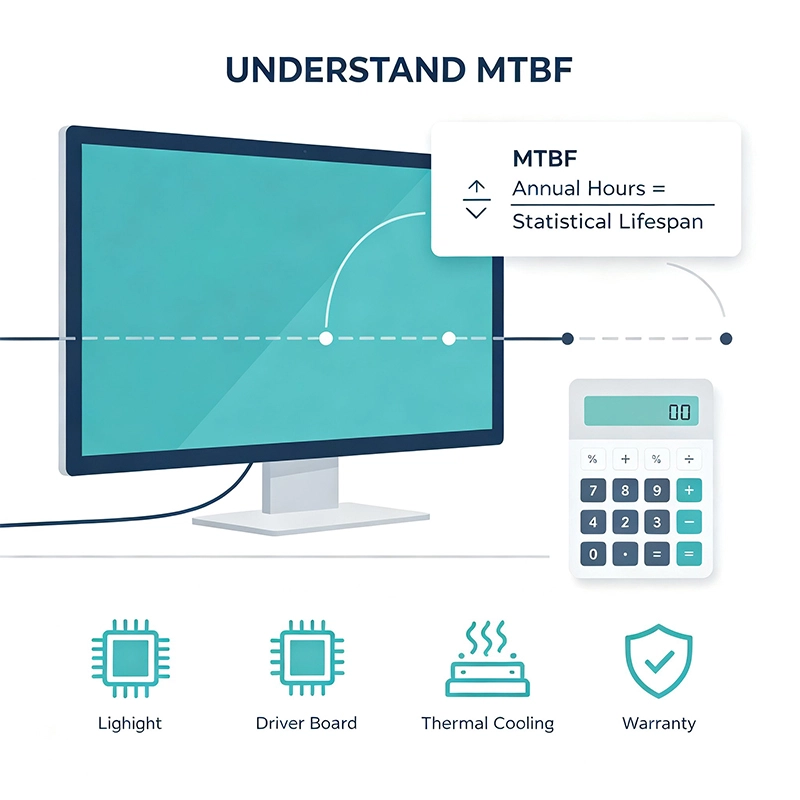
MTBF (เวลาเฉลี่ยระหว่างความล้มเหลว) เป็นค่าเฉลี่ยทางสถิติที่ดึงมาจากการทดสอบจำนวนประชากรภายใต้สภาวะมาตรฐาน-ไม่ใช่การรับประกันสำหรับหน่วยเดียวใดๆการรักษาอย่างถูกต้องหมายถึงการใช้เป็น ญาติกับญาติ เครื่องมือสำหรับการเปรียบเทียบซัพพลายเออร์ไม่ใช่นาฬิกานับถอยหลังสำหรับการแสดงผลที่เฉพาะเจาะจง
ตัวอย่าง: สิ่งอำนวยความสะดวกที่ใช้จอแบนแบบโต้ตอบ8ชั่วโมง/วันบันทึก5วัน/สัปดาห์ประมาณ2,080ชั่วโมงต่อปีการแบ่งส่วนตัวเลข MTBF ที่ระบุไว้ของซัพพลายเออร์โดยการใช้งานประจำปีนั้นให้ความรู้สึกที่หยาบและเทียบได้กับที่แผงตั้งอยู่เมื่อเทียบกับใบเสนอราคาของคู่แข่งซึ่งเป็นประโยชน์สำหรับซัพพลายเออร์อันดับไม่ได้สำหรับการคาดการณ์วันที่แน่นอนหน่วยที่เฉพาะเจาะจงจะต้องมีบริการ
MTBF ไม่ได้ผลิตโดยแผงเพียงอย่างเดียว-สะท้อนถึงเอฟเฟกต์การรวมกันของเกรดแผงคุณภาพแสงพื้นหลังการออกแบบแผงควบคุมและวิศวกรรมระบายความร้อน/ความร้อน MTBF สูงอ้างว่าแนบไปกับเกรดแผงที่ไม่ระบุเป็นเพียงครึ่งจุดข้อมูล; ขอให้ทั้งสองเข้าด้วยกัน
ในห้องเรียนที่ทำงาน6-8ชั่วโมงต่อวันหรือห้องควบคุมการทำงานใกล้อย่างต่อเนื่องอุณหภูมิสีเย็นคงที่และการปล่อยแสงสีฟ้ามาตรฐานช่วยให้ภาพความเมื่อยล้าในวันโรงเรียนเต็มรูปแบบหรือเปลี่ยนเอ แผงแบนแบบโต้ตอบแสงอบอุ่น ช่วยให้จอแสดงผลเปลี่ยนไปสู่อุณหภูมิสีที่อุ่นขึ้นสำหรับการใช้งานที่มีความเข้มต่ำเช่นการอ่าน-บทเรียนหนักหรือการประชุมทบทวนยาวลดความเครียดในดวงตามากกว่าการประชุมที่ขยาย
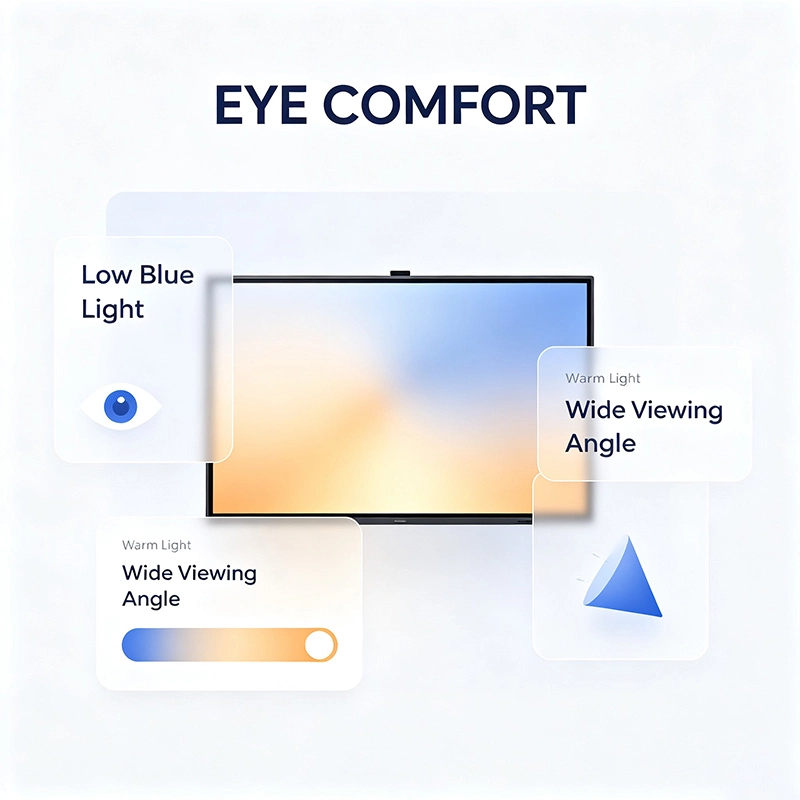
ความแตกต่างที่คุ้มค่ากับการสอบถามซัพพลายเออร์เกี่ยวกับ: ของแท้ ไวท์บอร์ดแบบโต้ตอบแสงสีฟ้าต่ำลดการปล่อยความยาวคลื่นสีฟ้าที่ระดับแบ็คไลท์/แผงในขณะที่ตัวกรอง "โหมดกลางคืน" เพียงอย่างเดียวเพียงเลื่อนการแสดงผลสีบนหน้าจอ-จะเปลี่ยนสิ่งที่ภาพดูเหมือนโดยไม่ต้องเปลี่ยนแสงจริงถูกปล่อยออกมาเฉพาะการใช้งานระดับฮาร์ดแวร์เท่านั้นที่ช่วยลดการเปิดรับแสงสีฟ้าที่แท้จริงนี่เป็นเหตุผลด้วยความสะดวกสบายตา ifpd ฟีเจอร์ถูกเขียนขึ้นมากขึ้นในด้านการศึกษาและข้อกำหนดที่อ่อนโยนของรัฐบาลแทนที่จะถือว่าเป็นสิ่งที่ดีต่อการมีและทำไมหัวข้อนี้จึงเชื่อมโยงกลับไปสู่ระดับแผง: แผงระดับล่างที่มีความสม่ำเสมอของความสว่างที่อ่อนแอกว่ามักต้องการเอาต์พุตแบ็คไลท์ที่สูงขึ้นเพื่อชดเชยพื้นที่สลัวซึ่งสามารถเพิ่มแสงโดยรวมและแสงสีฟ้าทั่วทั้งห้อง
ช่องว่างราคาที่มีความหมายระหว่างสองแผงแบนแบบโต้ตอบที่ระบุในทำนองเดียวกันมักจะมีร่องรอยกลับไปหนึ่งหรือมากกว่าของ: ต่ำกว่าเกรดแผงไม่ระบุ; สต็อกแผงตกแต่งใหม่แทนต้นฉบับ; หรือการออกแบบการกระจายความร้อน/ความร้อนที่บางลงซึ่งช่วยลดต้นทุนวัสดุแต่ลดอายุการใช้งานของส่วนประกอบภายใต้การใช้งานอย่างต่อเนื่อง
ราคาซื้อเป็นเพียงหนึ่งบรรทัดในสมการต้นทุนจริงค่าใช้จ่ายทั้งหมดในการเป็นเจ้าของ (TCO) รวมถึงความถี่ในการโทรบริการค่าใช้จ่ายในการเปลี่ยนแผงการหยุดทำงานในระหว่างการซ่อมแซมและ-เพื่อการศึกษาและองค์กรผู้ซื้อ-ค่าใช้จ่ายของหน้าจอที่มีประสิทธิภาพอย่างเห็นได้ชัดในด้านหน้าของนักเรียนมาก trainees หรือลูกค้าห้องถูกสร้างขึ้นเพื่อสร้างความประทับใจเป็นภาพประกอบทิศทาง: หากกองเรือที่ซื้อจำนวนมากต้องการบริการที่เกี่ยวข้องกับแผงในส่วนแบ่งที่สูงขึ้นอย่างเห็นได้ชัดของหน่วยภายใน18เดือนแรกกว่าอัตราการหลักเดียวต่ำโดยปกติคาดว่าจะมีการจัดลำดับ a/a อย่างถูกต้องแผงภายใต้การเรียกร้องการรับประกันปกติแรงงานและค่าใช้จ่ายทดแทนเพียงอย่างเดียวสามารถชดเชยส่วนลดทั้งหมดที่ได้รับเมื่อซื้อ-ก่อนที่จะนับมูลค่าของการเรียนการสอนหรือการประชุมเวลาหายไปเพื่อหยุดทำงาน
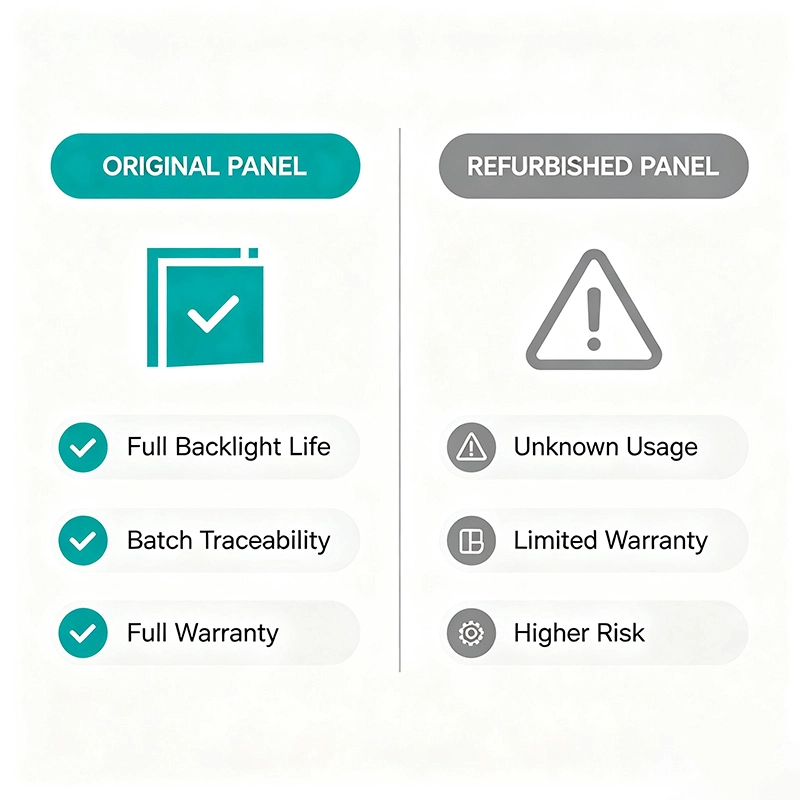
แผงตกแต่งใหม่มักจะป้อนห่วงโซ่อุปทานผ่านหน่วยปลดล็อคสินค้าคงคลังที่ไม่ได้ขายนั่งอยู่ในช่องทางที่ไม่เป็นทางการหรือส่วนประกอบที่ดึงออกจากหุ้นที่ส่งคืนและ relabeled. สารประกอบความเสี่ยงอย่างเงียบๆ: ชั่วโมงแบ็คไลท์ที่บริโภคแล้วก่อนที่แผงจะถึงผู้ซื้อปัญหาการจัดตำแหน่งแบบสัมผัสชั้นที่เดือนพื้นผิวหลังการติดตั้งมากกว่าการแกะกล่องและดริฟท์สีจากชุดที่ไม่ตรงกันประกอบเป็นคำสั่งเดียวกันความคุ้มครองการรับประกันบนแผงส่วนประกอบนั้นถือเป็นโมฆะหรือจำกัดอย่างรวดเร็วในกรณีเหล่านี้แม้ว่าส่วนที่เหลือของหน่วยจะมีการรับประกันมาตรฐาน
การป้องกันในทางปฏิบัติคือการดำเนินการไม่ภาพ: ขอใบรับรองเกรดแผงตรวจสอบย้อนกลับของโรงงานและแบทช์และเงื่อนไขการรับประกันที่อธิบายชื่อส่วนประกอบแผง-ไม่ใช่แค่หน่วยประกอบ-ก่อนที่จะลงนามในใบเสนอราคาที่ดูน่าสนใจผิดปกติสำหรับข้อมูลจำเพาะ
แผงผู้บริโภคได้รับการออกแบบทางวิศวกรรมรอบรูปแบบการใช้งานทีวีในครัวเรือน: สองสามชั่วโมงต่อวันใช้พลังงานเต็มบ่อยระยะการรับชมแบบสบายๆและมุมแผงเกรดเชิงพาณิชย์ที่สร้างขึ้นสำหรับการใช้งานแผงแบนแบบโต้ตอบได้รับการออกแบบมาเพื่อขยายเวลาการทำงานประจำวันที่ใกล้เคียงอย่างต่อเนื่องการจัดการความร้อนที่มีประสิทธิภาพมากขึ้นเพื่อป้องกันการย่อยสลายพิกเซลที่เกี่ยวข้องกับความร้อน, และสารเคลือบต่อต้านริ้วรอยที่ต้านทานความสว่างและการลอยของสีภายใต้การส่องสว่างอย่างต่อเนื่องเมื่อมาตรฐานการศึกษาหรือการจัดซื้อของรัฐบาลระบุข้อกำหนดชั่วโมงการทำงานขั้นต่ำในแต่ละวันยืนยันว่าการเรียกร้อง "เกรดเชิงพาณิชย์" ได้รับการสนับสนุนจากเอกสารประกอบ-แทนที่จะเป็นแผงผู้บริโภคที่เกี่ยวข้อง-ถูกกฎหมาย, รายการบรรทัดเฉพาะเพื่อขอจากซัพพลายเออร์ใดๆ
รูปแบบด้านล่างแสดงให้เห็นทั่วประเภทผู้ซื้อที่แตกต่างกันมาก-สถาบันการฝึกอบรมและวิทยาเขตขององค์กร-แต่สาเหตุที่สำคัญและการแก้ไขจะเหมือนกันในทั้งสองกรณี
ศูนย์ฝึกอบรมอาชีวศึกษาในเคนยาติดตั้งห้องเรียนมากกว่า40ห้องพร้อมแผงแบนแบบโต้ตอบเป็นส่วนหนึ่งของความคิดริเริ่มด้านการศึกษาแบบดิจิตอลที่สนับสนุนรัฐบาลในระหว่างการจัดซื้อการประเมินผลมุ่งเน้นส่วนใหญ่ในราคาซื้อและข้อกำหนดหลักรวมถึงความละเอียด4K ความสามารถในการสัมผัสแบบมัลติทัชและความสว่างอย่างไรก็ตามเอกสารที่อ่อนโยนไม่ได้ระบุเกรดแผง LCD การจัดหาแผงควบคุมหรือความต้องการที่สอดคล้องกับชุด
หลังจากใช้งานในห้องเรียนปกติประมาณ18เดือนเจ้าหน้าที่ซ่อมบำรุงจะสังเกตความแตกต่างที่เห็นได้ชัดเจนระหว่างจอแสดงผลหลายหน่วยพัฒนาความสว่างแสงพื้นหลังที่ไม่สม่ำเสมอและการเปลี่ยนแปลงสีเล็กน้อยรอบขอบแผงในขณะที่คนอื่นๆยังคงดำเนินการตามปกติภายใต้สภาพการทำงานที่คล้ายกัน
ในระหว่างการตรวจสอบการรับประกันซัพพลายเออร์ไม่สามารถให้เอกสารที่สมบูรณ์ยืนยันว่าหน่วยทั้งหมดได้รับการผลิตโดยใช้แผง LCD เกรดเชิงพาณิชย์เดียวกันแม้ว่าผลิตภัณฑ์จะใช้หมายเลขรุ่นเดียวกันแต่การจัดหาแผงควบคุมมีความแตกต่างกันระหว่างชุดการผลิตทำให้ยากต่อการรักษาประสิทธิภาพของภาพที่สม่ำเสมอในการใช้งาน
โครงการนี้เน้นบทเรียนการจัดซื้อที่สำคัญ: ข้อกำหนดที่เหมือนกันไม่รับประกันประสิทธิภาพในระยะยาวที่เหมือนกันเสมอสำหรับโครงการการศึกษาที่เกี่ยวข้องกับหลายสิบหรือหลายร้อยจอแสดงผลการกำหนดเกรดแผงความสอดคล้องของชุดและการตรวจสอบคุณภาพในข้อกำหนดการจัดซื้ออย่างมีนัยสำคัญสามารถลดความเสี่ยงในการบำรุงรักษาในอนาคต
รอบการจัดซื้อครั้งที่สองเขียนเกรดแผงเอกสารและความสามารถในการตรวจสอบแบทช์โดยตรงในสัญญาการซื้อตั๋วบริการที่เกี่ยวข้องกับความสว่างและสีลดลงเหลือเพียงเศษเสี้ยวเล็กๆของอัตราเดิมในปีต่อไปนี้-เสริมช่องว่างในข้อกำหนดไม่ใช่เทคโนโลยีแผงพื้นฐาน, เป็นสาเหตุที่แท้จริง
บริษัทบริการทางการเงินในภูมิภาคใน UAE อัพเกรดห้องประชุมมากกว่า60ห้องพร้อมจอแสดงผลอัจฉริยะขนาดใหญ่เพื่อลดต้นทุนการจัดซื้อล่วงหน้าโครงการได้เลือกการแสดงผลที่มุ่งเน้นผู้บริโภคซึ่งมีข้อกำหนดรวมถึงความละเอียด4K ความสามารถในการสัมผัสและขนาดหน้าจอ-ดูเหมือนจะเทียบเท่ากับทางเลือกเชิงพาณิชย์
ในระหว่างการทำงานปกติอย่างไรก็ตามพื้นที่การประชุมที่คึกคักที่สุดจะแสดงเป็นประจำเป็นเวลา10ถึง12ชั่วโมงต่อวันโดยมีการประชุมติดต่อกันและไม่ได้ใช้งานน้อยที่สุดรูปแบบการดำเนินงานนี้เกินโปรไฟล์การใช้งานประจำวันทั่วไปที่ผู้บริโภคแสดงโดยทั่วไปได้รับการออกแบบ
ในปีที่สองของการปรับใช้ทีมสนับสนุนไอทีสังเกตความแตกต่างที่ชัดเจนในบันทึกการบำรุงรักษาระหว่างห้องประชุมที่มีการใช้งานสูงและผู้ที่ใช้บ่อยน้อยการแสดงในห้องที่มีการจองหนักมีแนวโน้มที่จะแสดงความสม่ำเสมอของแสงพื้นหลังที่ลดลงการย่อยสลายความสว่างอย่างค่อยเป็นค่อยไปและความไม่สอดคล้องกันของสีที่เห็นได้ชัดในระหว่างการดำเนินงานที่เพิ่มขึ้นในขณะที่ห้องการใช้งานที่ต่ำกว่ายังคงมีเสถียรภาพค่อนข้าง
การตรวจสอบทางเทคนิคที่ตามมาแสดงให้เห็นว่าปัญหานี้ไม่ใช่ข้อกำหนดการแสดงผลแต่ไม่ตรงกันระหว่างสภาพแวดล้อมการใช้งานกับวัฏจักรหน้าที่ที่ตั้งใจไว้ของผลิตภัณฑ์แม้ว่าผู้บริโภคและเชิงพาณิชย์จะแสดงข้อกำหนดของพาดหัวที่คล้ายคลึงกันแต่ก็ได้รับการออกแบบมาสำหรับสภาพการทำงานที่แตกต่างกันความต้องการการจัดการความร้อนและความคาดหวังด้านความน่าเชื่อถือในระยะยาว
ทีมจัดซื้อแก้ไขมาตรฐานสำหรับการปรับใช้ในอนาคตโดยต้องใช้แผง LCD เกรดเชิงพาณิชย์และผลิตภัณฑ์ที่ออกแบบมาโดยเฉพาะสำหรับการดำเนินงานประจำวันที่เพิ่มขึ้นแทนที่จะประเมินการแสดงราคาซื้อและแผ่นข้อมูลจำเพาะเท่านั้น
การเปลี่ยนปีกที่ใช้งานสูงด้วยแผงแบนแบบโต้ตอบเกรดเชิงพาณิชย์-ได้รับการจัดอันดับสำหรับการดำเนินงานประจำวันที่เพิ่มขึ้นมากกว่ารอบการทำงานในครัวเรือน-นำปีกที่อัตราตั๋วกลับมาสอดคล้องกับส่วนที่เหลือของพื้นบทเรียนสะท้อนกรณีแรกจากมุมที่แตกต่างกัน: แผ่นข้อมูลจำเพาะที่มองเห็นได้ดูเทียบเคียงได้ในเวลาซื้อแต่แผงควบคุม S ระดับพื้นฐานและการจัดอันดับ Duty-cycle เป็นสิ่งที่กำหนดจริงว่ามันจัดขึ้นภายใต้รูปแบบการใช้งานจริงของห้อง
การจัดหาแผงควบคุมเป็นประตูคุณภาพแรกในกระบวนการผลิตของเราไม่ใช่การจัดการภายหลังในการประกอบขั้นสุดท้ายทุกแผงแบนแบบโต้ตอบที่เราสร้างจะถูกระบุกับเกรดแผงเอกสารที่มาจากชุดตรวจสอบย้อนกลับและตรวจสอบกับความสม่ำเสมอที่กำหนดไว้และเกณฑ์พิกเซลตายก่อนที่มันจะถึงสายการประกอบ
ที่ qtenboard เราเชื่อว่าจอแสดงผลเชิงพาณิชย์ควรถูกตัดสินไม่เพียงแต่โดยวิธีการดำเนินการเมื่อออกจากโรงงานแต่โดยวิธีการที่น่าเชื่อถือจะให้บริการลูกค้าปีหลังจากการติดตั้ง
นั่นเป็นเหตุผลที่เรามุ่งเน้นไปที่แผง LCD เกรดเชิงพาณิชย์การจัดหาส่วนประกอบที่มีเสถียรภาพการตรวจสอบคุณภาพที่เข้มงวดและความสอดคล้องของผลิตภัณฑ์ในระยะยาวเป้าหมายของเราไม่ได้เป็นเพียงการสร้างการแสดงผลที่มีข้อกำหนดที่น่าประทับใจแต่เพื่อช่วยให้คู่ค้าของเราส่งมอบโครงการที่เชื่อถือได้ด้วยค่าบำรุงรักษาที่ต่ำกว่าการโทรบริการน้อยลงและความมั่นใจที่มากขึ้นตลอดวงจรชีวิตผลิตภัณฑ์
ในทางปฏิบัติมาตรฐานนั้นปรากฏขึ้นในการตัดสินใจที่เฉพาะเจาะจงสามารถตรวจสอบได้มากกว่าการเรียกร้องการตลาด:
รายการตรวจสอบที่มีโครงสร้างสำหรับเจ้าหน้าที่จัดซื้อจัดจ้างจะนำไปสู่และผู้จัดการโครงการที่ประเมินซัพพลายเออร์จอแบนแบบโต้ตอบแต่ละรายการควรถูกยืนยัน สัญญาล่วงหน้าไม่ใช่หลังจากจัดส่ง-เนื่องจากโหมดความล้มเหลวที่อธิบายไว้ในบทความนี้เกือบจะมองไม่เห็นเสมอในขั้นตอนสาธิต
บรรทัดล่างสำหรับการจัดซื้อ: โหมดความล้มเหลวที่พบบ่อยที่สุดสองโหมดในการใช้งานยานพาหนะแบบแบนแบบโต้ตอบ-การดริฟท์สีและความสว่างแบบผสมและการดริฟท์แผงควบคุมระดับผู้บริโภคไม่ตรงกัน-ทั้งสองสามารถตรวจจับได้จากเอกสารประกอบ ก่อน ใบสั่งซื้อได้รับการลงนามแล้วขอใบรับรองเกรดแผงบันทึกการตรวจสอบย้อนกลับของแบทช์ MTBF พร้อมเกรดแผงที่ระบุไว้และข้อกำหนดการรับประกันส่วนประกอบแผงเป็นชุดเอกสารมาตรฐานหากซัพพลายเออร์ที่ได้รับการคัดเลือกไม่สามารถผลิตทั้งสี่ได้ให้ปฏิบัติต่อใบเสนอราคาว่าไม่สามารถตรวจสอบได้ในประสิทธิภาพในระยะยาวโดยไม่คำนึงถึงรูปลักษณ์ของราคาส่วนหัวที่น่าสนใจ
ไควันที่1"แผงเกรด A" หมายความว่าอะไรและแตกต่างจาก A อย่างไร?
ทั้งสองเกรดมาจากกระบวนการคัดแยกโรงงานเดียวกันตามจำนวนข้อบกพร่องตำแหน่งข้อบกพร่องและความสม่ำเสมอของสี/ความสว่างนั่งอยู่ในถังที่แน่นที่สุดที่มีเกณฑ์ที่เข้มงวดที่สุดเกรดหนึ่งช่วยให้สามารถทนต่อความกว้างได้ในเชิงพาณิชย์ไม่ส่งผลกระทบต่อว่าแผงเปิดอยู่หรือไม่-ความแตกต่างปรากฏขึ้นในความสอดคล้องในระยะยาว
ไตรมาสที่2เกรดแผงมักจะส่งผลกระทบต่อความคุ้มครองการรับประกันหรือไม่?
โดยทั่วไปเงื่อนไขการรับประกันเฉพาะแผงควบคุมใช่มักจะผูกติดกับเกรดและการจัดหาส่วนประกอบสินค้าคุ้มค่าที่สอบถามซัพพลายเออร์ให้สะกดคำรับประกันแผงแยกต่างหากจากการรับประกันของสินค้าโดยรวมก่อนทำการสั่งซื้อเนื่องจากสองรายการไม่ตรงกันเสมอไป
สัญญาณล้มเหลว:หากเอกสารการรับประกันของซัพพลายเออร์ครอบคลุม "หน่วย" โดยไม่ต้องตั้งชื่อส่วนประกอบแผงแยกต่างหากสมมติว่าแผงไม่ได้รับการคุ้มครองจนกว่าจะได้รับการพิสูจน์เป็นอย่างอื่น-โดยเฉพาะอย่างยิ่งในราคาราคาที่ต่ำกว่าค่าเฉลี่ยของตลาดเกรด Aไตรมาส3ฉันควรตีความหมายเลข MTBF ในใบเสนอราคาของซัพพลายเออร์ได้อย่างไร
ถือว่าเป็นค่าเฉลี่ยทางสถิติจากการทดสอบประชากรไม่ใช่การรับประกันสำหรับหนึ่งหน่วยมีประโยชน์มากที่สุดสำหรับการเปรียบเทียบซัพพลายเออร์ที่สัมพันธ์กันควบคู่ไปกับเกรดแผงและการออกแบบความร้อนที่อยู่เบื้องหลังตัวเลข-รูป MTBF โดยไม่มีเกรดแผงที่ระบุไว้เพียงครึ่งภาพ
สัญญาณล้มเหลว: รูป MTBF ที่นำเสนอโดยไม่มีเกรดแผงที่สอดคล้องกันหรือสมมติฐานวัฏจักรหน้าที่ไม่ใช่ข้อกำหนดที่เทียบเคียงได้ขอให้ทั้งร่วมกันหรือถือว่าหมายเลขเป็นภาษาการตลาดไตรมาสที่4สำหรับคำสั่งซื้อหลายห้องขนาดใหญ่ฉันควรขอให้ซัพพลายเออร์ลดความเสี่ยงของหน่วยที่ไม่สอดคล้องกัน?
ถามว่าคำสั่งซื้อจะมาจากชุดเอกสารเดียวหรือข้อกำหนดเกรดหรือไม่และข้อกำหนดนั้นสามารถเขียนลงในสัญญาการซื้อได้หรือไม่นี่คือการป้องกันเดียวที่มีประสิทธิภาพมากที่สุดกับสีที่มองเห็นได้หรือความแตกต่างของความสว่างที่ปรากฏในการเปิดตัวขนาดใหญ่
Q5ความแตกต่างในทางปฏิบัติระหว่างแผงเดิมกับแผงตกแต่งใหม่คืออะไร?
แผงเดิมมีอายุการใช้งานแบ็คไลท์ที่ได้รับการจัดอันดับเต็มรูปแบบข้างหน้าและมาพร้อมกับความสามารถในการตรวจสอบย้อนกลับของโรงงานมาตรฐานโดยทั่วไปแล้วแผงตกแต่งใหม่จะไม่มีการจัดทำเอกสารซึ่งเป็นเหตุผลว่าทำไมข้อบกพร่องเช่นการวางแนวแบบสัมผัสหรือความไม่สม่ำเสมอของแบ็คไลท์จึงสามารถ Surface ได้หลังจากใช้งานไปหลายเดือนแทนที่จะเป็นที่การติดตั้ง
สัญญาณล้มเหลว: ใบเสนอราคาที่เป็น20% + ต่ำกว่าค่าเฉลี่ยของตลาดสำหรับเกรดแผงที่ระบุไว้-ไม่มีชุดเอกสาร-เป็นสัญญาณที่พบมากที่สุดของหุ้นตกแต่งใหม่ส่วนลดไม่ใช่การเจรจาต่อรองที่ชนะมันเป็นสัญญาณที่ส่วนประกอบแผงอาจไม่ได้รับการคุ้มครองภายใต้การรับประกันคำถามที่6คุณลักษณะ "แสงสีฟ้าต่ำ" ถูกนำมาใช้ในฮาร์ดแวร์เสมอหรือไม่?
ไม่จำเป็น-ผลิตภัณฑ์บางอย่างใช้ฟิลเตอร์สีซอฟต์แวร์เท่านั้นซึ่งจะเปลี่ยนลักษณะของภาพโดยไม่ลดแสงจริงที่ปล่อยออกมาเป็นคำถามที่เป็นธรรมที่จะถามซัพพลายเออร์โดยตรงเนื่องจากทั้งสองแนวทางไม่สามารถใช้แทนกันได้ในแง่ของผลประโยชน์ด้านความสะดวกสบายที่แท้จริง
คำถามที่7ฉันควรมองหาคะแนนชั่วโมงการทำงานอะไรในแผง "เกรดเชิงพาณิชย์"?
มองหาแผงควบคุมที่ได้รับการจัดอันดับสำหรับการใช้งานประจำวันที่ตรงกับรูปแบบการใช้งานจริงของคุณ-ห้องเรียนที่ใช้ร่วมกันหรือห้องประชุมตลอดทั้งวันทำงานแตกต่างจากการแสดงผลสำนักงานส่วนบุคคลขอให้ซัพพลายเออร์ยืนยันชั่วโมงการดำเนินงานรายวันที่ได้รับการจัดอันดับในการเขียนแทนที่จะพึ่งพาคำว่า "เชิงพาณิชย์" เพียงอย่างเดียว
สัญญาณล้มเหลว:"เกรดเชิงพาณิชย์" อ้างว่าไม่มีการจัดทำเอกสารการจัดอันดับชั่วโมงการดำเนินงานประจำวันเป็นแผงผู้บริโภคที่เกี่ยวข้องจนกว่าจะได้รับการพิสูจน์เป็นอย่างอื่นขอรอบการทำงานที่ได้รับการจัดอันดับในชั่วโมง/วันในการเขียนQ8ฉันควรมีข้อมูลอะไรบ้างเมื่อรายงานปัญหาที่เกี่ยวข้องกับแผง?
มีหมายเลขผลิตภัณฑ์ชุดซื้อและคำอธิบายเมื่อปัญหาปรากฏขึ้น g., เฉพาะในบางมุมหลังจากรันไทม์นาน) จะช่วยให้ซัพพลายเออร์วินิจฉัยว่าปัญหาแผงเกรดหนึ่งข้อบกพร่องของหน่วยหนึ่งหรือปัจจัยการติดตั้ง/สภาพแวดล้อม-และเพิ่มความเร็วในกระบวนการความละเอียดใดๆจะกลายเป็น
Q9ระหว่าง A และเกรด A ผู้ซื้อที่ใส่ใจงบประมาณควรตัดสินใจอย่างไร?
สำหรับสภาพแวดล้อมที่มีทัศนวิสัยสูงและยาวนาน-ไฟล์เสียงหลัก, ห้องควบคุม, ห้องประชุมเรือธง-A จ่ายสำหรับตัวเองในความสอดคล้องสำหรับห้องเรียนมาตรฐานและห้องประชุมเกรด A จะเป็นไปตามเกณฑ์เชิงพาณิชย์ได้อย่างน่าเชื่อถือในราคาที่ต่ำกว่าสิ่งที่เราควรระมัดระวังในระดับงบประมาณไม่ว่าจะเป็นเกรดที่ไม่มีเอกสารหรือไม่ระบุรายละเอียดซึ่งเป็นที่ที่มีความเสี่ยงในระยะยาวส่วนใหญ่นั่งอยู่จริง
คำถามที่10เอกสารอะไรที่ผู้ซื้อควรต้องการจากซัพพลายเออร์แผงก่อนที่จะลงนามในสัญญา?
ต้องใช้เอกสารสี่ฉบับก่อนลงนาม: (1) ใบรับรองเกรดแผงที่แสดงถัง a/a/b ที่แน่นอนและเกณฑ์การทดสอบที่ใช้; (2) บันทึกการติดตามของโรงงานและแบทช์สำหรับการดำเนินการผลิตที่แน่นอน (3) รูป MTBF จับคู่กับเกรดแผงที่ระบุไว้และคำอธิบายการออกแบบความร้อน-ไม่ใช่ MTBF เพียงอย่างเดียวและ (4) เงื่อนไขการรับประกันที่อธิบายชื่อส่วนประกอบแผงแยกต่างหากจากหน่วยประกอบคำพูดที่ไม่สามารถผลิตได้ทั้งสี่มีโครงสร้างไม่เหมือนใครในการทำงานในระยะยาว
คำถามที่11แผงตกแต่งใหม่เข้าสู่ห่วงโซ่อุปทานอย่างไร?
แผงตกแต่งใหม่มักจะป้อนห่วงโซ่อุปทานผ่านสามช่อง: หน่วยปลดประจำการจากการปรับใช้ก่อนสินค้าคงคลังที่ไม่ได้ขายนั่งอยู่ในช่องทางที่ไม่เป็นทางการและส่วนประกอบที่ดึงออกจากสต็อกที่ส่งคืนและ relabeled. ในทั้งสามกรณีชั่วโมงการใช้งานก่อนจะไม่มีการจัดทำเอกสารปัญหาการจัดตำแหน่งแบบสัมผัสสามารถพื้นผิวเดือนหลังจากการติดตั้งมากกว่าการแกะกล่อง, และความคุ้มครองการรับประกันที่เป็นส่วนประกอบของแผงวงจรจะถูกยกเลิกหรือถูกจำกัดอย่างรวดเร็วแม้ในขณะที่ส่วนที่เหลือของเครื่องมีการรับประกันมาตรฐาน
ความละเอียดและการตอบสนองต่อการสัมผัสนั้นง่ายต่อการเปรียบเทียบเพราะพิมพ์ใหม่ในทุกใบเสนอราคาเกรดแผง, การได้มาก MTBF, การตรวจสอบย้อนกลับการจัดหา, และการดำเนินงานแสงสีฟ้าไม่ค่อยจะ-ซึ่งเป็นเหตุผลที่พวกเขา & #039;re ที่ส่วนใหญ่ของค่าใช้จ่ายในระยะยาว, และความเสี่ยงส่วนใหญ่ในระยะยาวจริงๆอาศัยอยู่ในการซื้อจอแบนแบบโต้ตอบเนื่องจากความต้องการด้านความสะดวกสบายของดวงตา ipd กลายเป็นที่พบบ่อยมากขึ้นในด้านการศึกษาและรัฐบาลวิศวกรรมระดับแผงจะย้ายจาก footnote ทางเทคนิคไปยังผู้ซื้อรายการบรรทัดคาดว่าจะระบุโดยชื่อ
แผงเกรด a พร้อมการจัดหาเอกสารมักจะเพียงพอหลีกเลี่ยงเกรดที่ไม่ระบุและสต็อกที่ตกแต่งใหม่โดยไม่คำนึงถึงงบประมาณ
แผงเกรด A มุมมองภาพกว้างและคุณสมบัติความสะดวกสบายของดวงตาระดับฮาร์ดแวร์เป็นพื้นฐานที่ใช้งานได้จริงสำหรับการใช้งานหลายชั่วโมงทุกวัน
MTBF เกรด A และการออกแบบความร้อนเกรดเชิงพาณิชย์มีมูลค่าพรีเมี่ยมที่หยุดทำงานหรือข้อบกพร่องที่มองเห็นได้ไม่ใช่ตัวเลือก
สำรวจสายไวท์บอร์ดแบบโต้ตอบระดับการศึกษาของ qtenboard ดาวน์โหลดแคตตาล็อกผลิตภัณฑ์เต็มรูปแบบหรือพูดคุยกับทีมของเราเกี่ยวกับเกรดแผงและเอกสารการจัดหาสำหรับโครงการของคุณ

ซีอีโอ | ผู้เชี่ยวชาญด้านโซลูชันการแสดงผลแบบโต้ตอบและการทำงานร่วมกัน
ฉันเป็นผู้ก่อตั้ง qtenboard นำความเชี่ยวชาญด้านการลงมือปฏิบัติมากกว่า17ปีมาสู่อุตสาหกรรมการแสดงผลแบบสัมผัสจากมุมมองการจัดการทั่วโลกที่ได้รับจากการศึกษา EMBA ของฉันที่มหาวิทยาลัยเซินเจิ้นฉันนำทีมของฉันในการเพิ่มประสิทธิภาพทุกขั้นตอนของการดำเนินงานของเรา-จากความละเอียดของผลิตภัณฑ์ที่มีประสิทธิภาพสูงการจัดการห่วงโซ่อุปทาน-มั่นใจความสามารถในการผลิตของเรายังคงอยู่ในระดับแนวหน้าของอุตสาหกรรม
ในฐานะผู้นำของ qtenboard ฉันเชี่ยวชาญในการให้บริการโซลูชั่น oem/odm ที่ปรับแต่งสำหรับกระดานไวท์บอร์ดแบบโต้ตอบผนังวิดีโอ LCD ป้ายดิจิตอลและเทอร์มินัลสัมผัสระดับอุตสาหกรรมสนับสนุนโดย330,000ตารางเมตรสวนอุตสาหกรรมที่ทันสมัยของเราในเซินเจิ้น, เรารักษาเต็ม Lifecycle ควบคุมการออกแบบอุตสาหกรรม, การผลิตที่มีความแม่นยำ, และการทดสอบประสิทธิภาพที่เข้มงวด.
ด้วยประสบการณ์โครงการเกือบสองทศวรรษโซลูชันการแสดงผลของ qtenboard จึงถูกนำไปใช้ในกว่า120ประเทศและภูมิภาคได้รับความไว้วางใจจากลูกค้าระดับองค์กรมากกว่า15,000รายทั่วโลกหากคุณกำลังมองหาพันธมิตรที่ตอบสนองต่อการผลิตที่ลึกซึ้งสำหรับโครงการแสดงผลแบบสัมผัสที่กำหนดเองของคุณทีมของฉันและฉันพร้อมที่จะสนับสนุนวิสัยทัศน์ของคุณด้วยความเป็นเลิศระดับมืออาชีพ

 th
th
 EN
EN  pt
pt  spa
spa  vie
vie  aze
aze  bel
bel  est
est  lav
lav  ukr
ukr  ru
ru