Eyni 4K, eyni böyüklüyü, eyni qiymətdə 30-50 %. Fərqi adətən, əksəriyyəti əksəriyyətləri heç vaxt yazmayan bir komponentdir.
LCD panel kədərli iki interaktiv qıt panel arasındakı 30-50% qiyməti boşluq üçün ən çox şəkil izahatıdır. cs. Panel nöqtəsi (A / A/B) fabrikçılıq məskənində müəyyən edilir - zəhmət hesabına, xəstəlik yerinə, və rəng/ parlaqlıq birliklik - və əksəriyyətdə heç vaxt görünməz. Bu, panelin açılmasına təsir etmir. Bu, quraşdırıldıqdan üç il sonra panelin ilk günkü kimi görünməsini və işləməsini müəyyən edir.
Qeyd edilmiş panel dərəcəsi olmayan MTBF göstəricisi yalnız yarım məlumat nöqtəsidir. MTBF insanların sınamasından statistik orta hesablar - bir-biri ilə əlaqəli rəftarçıları üçün faydalı, Hər hansı bir hissəsinin xidmətini qabaqcadan deyil. Orici vs yenilənmiş panel mənbəyi fərqli, təhlükəlidir: Yenilənmiş panellər təmin olunan zəncirə daxil edirlər, Və panel-component ehtiyatı tez - tez boşa çıxır və ya qırmızı məhdudiyyət edir.
İki interaktiv qıl panel bir yerdə bir yerdə otur, ikisi 86 "4K interaktiv ağ borde kimi reklam edilir. Hər ikisi oxşar parlaqlıq və toxunu cavabı sitat gətirir - və hələ də 30% - 50% əziyyət çəkir. Suççular nə üçün soruşun və cavab deməkdən həmişə eynidir. Bu sözlərin əslində nə demək olduğunu müzakirə etmirsə, əslində dəyərlər təkcə qiymətə baxır.
Bu aydın B2B problemdir. An Interactivat art paneli Sinif otağına və ya gənc otaqda istifadə olunan evin televizor kimi istifadə edilmir. Bu gündə altıya on saat, bəzən bir neçə seyrlər Heç vaxt görməyən istifadəçilərin önündə - və heç vaxt nə baş verdiyini düşünməlidir. Bu və’d özü LCD panel olduğunu sümüklə qərar verən komponenti, onun kədərli, MTBF tarix, Onun tarixi və daha çox, göz-şamilə mühəndisi.
Bu məqalə dörd cəhətdən gəzdir, yaxud IT alışçıları, satın quruluş tərcümədən öncə müəyyən edə bilə bilər. Interaktivi ağ tapısa Yad IFPD(A / A / B) MTBF fəsliyə necə oxumaq. Nə üçün "Original Panel" və "Refurbised Panel" eyni sahədə dəyişə bilmir? Nə üçün panel səviyyədəki mavi işıq süzgəlmə kimi xüsusiyyətlər, Təkcə televiziya broşürası deyil.
Növbəti dəfə siz & #039; Interaktiv qıt panel üçün ayırdçıları müqayisə edərək - onlar iki dəyişiklikləri çox vaxt iki birliyin arasında qiyməti boşluqa izah edirlər. Növbəti başlıqlar.
| Kəs | Tək | Tək | B rəfti |
|---|---|---|---|
| Qısa-salarlıq ( parlaq/təng nöqtələr) | Şərək gedişatında yaxın-nüt; ən çətin cəl | Çox az. | Ən uğurluq; mümkün olmayan zəiflər, xüsusilə çaçəklər. |
| Bağlan | ΔE ≤ 3, sıx batch-to-batch uyğunlaşdır | ΔE ≤ 5, əksəriyyəti ətraflı istifadə üçün qəbul edin | ΔE 5dan artıq ola bilər; çox unit quruluşu ilə görünən sürüyü |
| Qeyd şəkillməsi | Aqram, panelə ≥ 85% | Aqram 75-85% | 75% altında düşə bilər; görünüşlü qutusu ləğvlər |
| Rənglər | Yavaş, daha səfər dəfləngə | Orta kəlməsi | Tezlikin həyatın çətinliyi adildir |
| Növbəti MTBF mövqet | Panel böyüklüyü/teknoloji üçün ən yüksək səsidir | Orta dünyət; yenə də ticarət çətinlikləri ilə toplayır | Üstün dəstəri; tez - tez hisslər hesabatına yaxınlaşır |
| Növbəti proqramı | Flavka avtomatiki IFPD, İdarə otaqları, yüksək görünüşlüyü boşluqları | Standar ticarət otaqlar və görüş otaqları | Budaget |
Tərcümələr fabrikdə paneli necə idarə etdiyini göstərir. B-qüvvətdə güclü olmasa - bir paneli A panelin e’tibarlı olaraq rəsmin bir gündə göstərəcək.
| Kəs | Orijinal Paneli | Təkrarlayır/Reycled Panil |
|---|---|---|
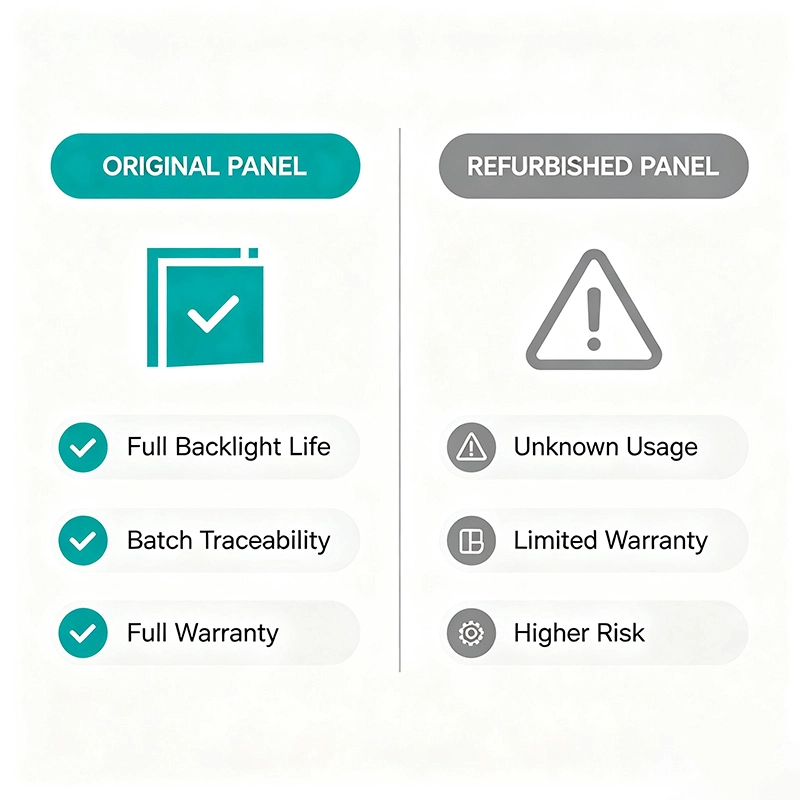
| Geri həyat qalı | Birinci işlədən tam hesablı həyat et | Namə'lum, əvvəlki istifadə edilmə saatlar əqvətə sənəd verilmədi |
| Layihə bağlanması: | Qeyb qətləri, parlaq sahələrin fəlakəti. | Tez - tez yenidən bağlayırdır |
| Gizli kədər sıxısı | Tərcümə fakultat QC ilə idarə edilir | Yüksək; əvvəlki istifadəçi səhvlər dərhal ola bilməz |
| Diqqətlik | Tam batch və fabrikası öyrənməliyi | Batch keçmişi olmayan avtomatik kanallardan tez mənbəyir |
| Warranty şəkili | Panidə tam istifadəçilərin qaydaları | Adətən, paneli komponentində qatışdırıldır |
| Mənlifyənin total qiyməti | Axtarış olacaq, qiymətli MTBF ilə tərəflənən düzəldir | Əvvəlcə, xidmət zənglər və əvəz olunmaq ehtiyatlı təhlükə |
Interaktiv qıt paneli & # 039; başlıq spec çeyməsi, toq nöqtələri, parlaqlığı, və proyeksor - sizinlə müqayisə etmək asan olan şeylər. Panel nöftəsi bu sahədə heç vaxt görünməz. Lakin bu, 1 gündə göründüyü üçün ən məsuliyyətli bir komponentdir, Üç il göndərməklə.
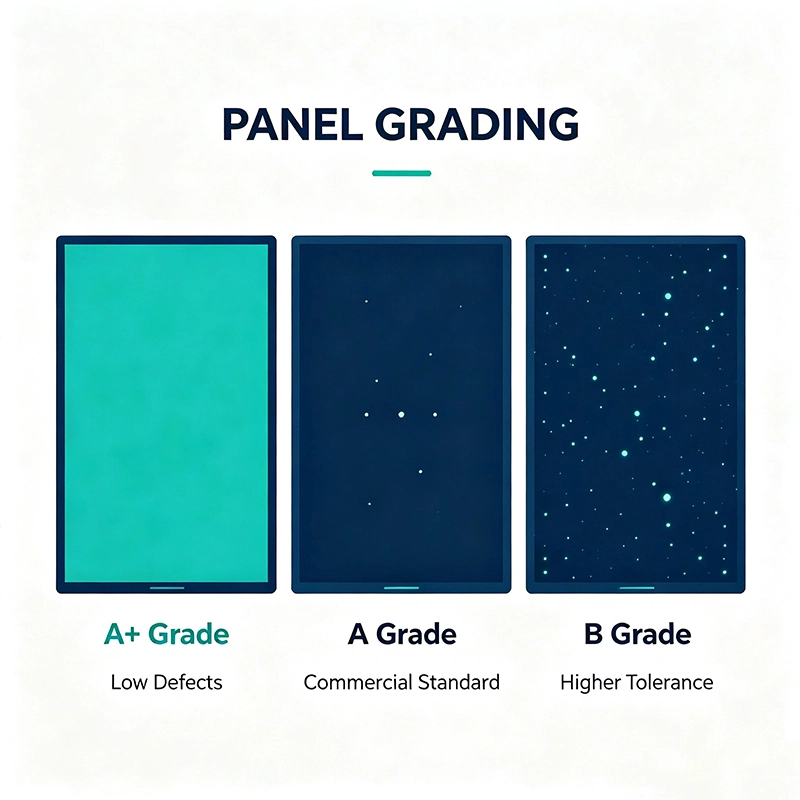
Panel faqlar, böyük "anama ğalla" saqları yaradır. Sonra hər panel parlaq nöqtələr (daimdə saxlayan subpikel), qaranlıq nöqtələr (bir ölü sub--- Piksel), rəngyi birlik, və sərt yüngül buraxma. Panellər neçə xəstəliklər və yerə düşdüyünü görəndə - "binib" - nöqteyi - nöqteyi-nəsiyyətlərə əsaslanır: Ekranın ortasındakı kəfti, bezel yaxınlığından daha çox sərt olaraq, çünki o & #039; İnsanın əslində əslində nə fikirləşir.
Ən sıxıntını təmsil edir: ən az sərbəstliyi və ən müqəddəs sındırmağı təmsil edir. Tərzüf isə daha geniş, lakin hələ də ticarətli cəhətdən razı salır. B ucbatı görünən daha çox xəstəliklərə imkan verir, yaxud onları qələmə alınan kimin & # 039; rəftarının çəkinə yaxınlaşdırır. Bunlardan heç biri panelin gücləndirmədiyini müəyyən etmir - B-kalma paneli açır və rəsmin e’tibarlı olaraq göstərir. Birinci gün bir panel. Fərqin işlədiyini deyil. It & # 039. Uzaq illər ərzində interaktiv düzəlt panel sinif otaqın və ya görüş otağına xidmət etməyə gözləyir.
Panel marka sizə aydınlıq qabiliyyəti barədə danışır - keyfiyyətdəki sonuncu qərarı deyil. BOE ümumdünya ən böyük LCD yaratıcılardan biri. LG Display rəng əməl və ticarəti sahələrində rənglər üçün çoxlu addımdır. Hər ikisi Yavanda olan AUO və Innoluxs, industrial və ticarəti nümayiş segmentlərində, Adətən orta şəkilləndə interaktiv alan panelləri daxil edir.
Təfərrüatçıları tez - tez məhəbbət edirlər: Bu fabsların hər biri eyni inkişaf etdirən bir neçə gəmir."Nün cəhəti" soruşmadan soruşmaq şəkillərin yarısınız. Bundan daha faydalı verilən sualdır: və Batch kodi təqdim edə bilərsiniz? arxasındaki panelin B-dan əvəzinə A.
4K pixel sayı (3840 × 2160) - daha heç bir şey deyil. O, rəng gamut, difficisi tərz, ya da parlaqın birliyi haqda heç bir şey deyil. Buna görə də iki "4K interaktiv ağ border" bir-birindən fərqli görünə bilər. Rəng gamut Ekran rənglərin mənbə məzmunununa necə dəqiq olaraq uyğun gəldiyini müəyyən edir. Əməllər, Xüsusilə, yaxud rəng kodul məlumatlar. Contrast ratios və eyni zamandanlıqla crysip ağac qonaq qalxışları və kiçik mətni tam səthinin ətrafında görünməsinə təsir göstərir. Mərkədə deyil.
Göstə qurulumuTicarətdə daha çox başqa yerdən, Çünki əksəriyyəti sinif otaqında və ya gənc otaqında olanların əksəriyyəti panelin önündə oturub - onlar & #039; 30 - 45 gradı, bəzən daha çox, üç səthin və yaxud konferans stolunun tərəfindən. Ancaq gözləmə adamın əməlləri olan panel rəngi dəyişiklik və parlaqlıq bu hüdudlarında göstərir. Yəqin "eyni 4K şəkil" mənada arxa arxada olan şagirdlərdən önündəki birdən fərqli görünə bilər. Bu yerdə panel rəng və panel texnologiyası intersectur: Uzaq-liyyət paneli yüksək nöqtəsi rəngli və parlaqlığı seçkiləri daha çox uzaq durun Standart panel.
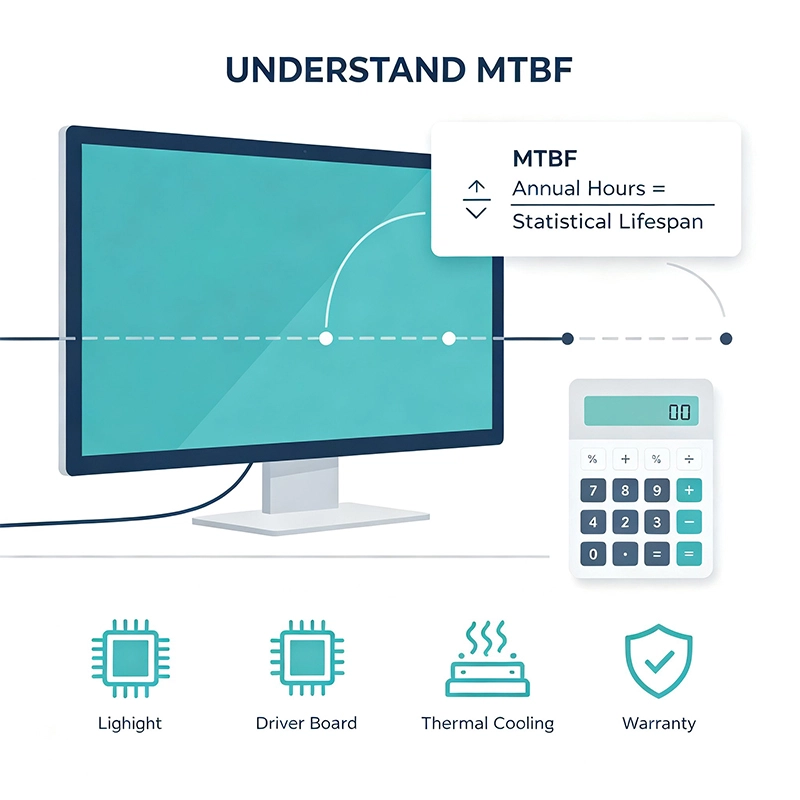
MTBF Standarlıq vəziyyətlərdə unitların ətrafında olan statistik orta hesabı var - bu tək bir hissəsi üçün zəmanət deyil. Onu düzgün davranmaq o deməkdir . Qoru Tədqiqatçıları müqayisə etmək üçün aləmi, bir xüsusi göstərişi üçün qıçma saytı olaraq deyil.
Nümunə: interaktiv alan paneli 8 saat/ gün işləyən, 5 gün / həftədə təxminən 2 080 saat. MTBF sahələrindən ayırdçılar & #039. Paniyə rəqabət bir ayə ilə əlaqəli bir yerdə oturduğu hissi - rəqtəqeyyət tədqiqatçıları üçün faydalı, Doğru günündən qabaqlamaq üçün yox.
MTBF təkcə panel tərəfindən yaratmır - bu, panel nöqtəsi, arxaca keyfiyyətinin, sürücü-bord dizin birgə effektini əks etdirir. və termal/ isti dissipation mühəndisi. Müəyyən panel nöqtəsi ilə bağlanan yüksək MTBF təkliflər yalnız yarım mə’lumat nöqtədir; ikini birgə soruşun.
Gündə 6-8 saat işləyən sinif otaqlarında, Sıfır rəng temperaturu və normal mavi işıq emissiyası tam məktəb günündə, yaxud dəyişikliklə görünən yorğunluğuna kömək edir. A Ayırma interaktivi alan paneli Rəngli rəngizliyindən istifadə üçün isti rəng temperaturına çevirir. Oxulu öyrənmək və ya uzun ilma sestiylər kimi, gözlərin uzaqlıqlarını azalt.
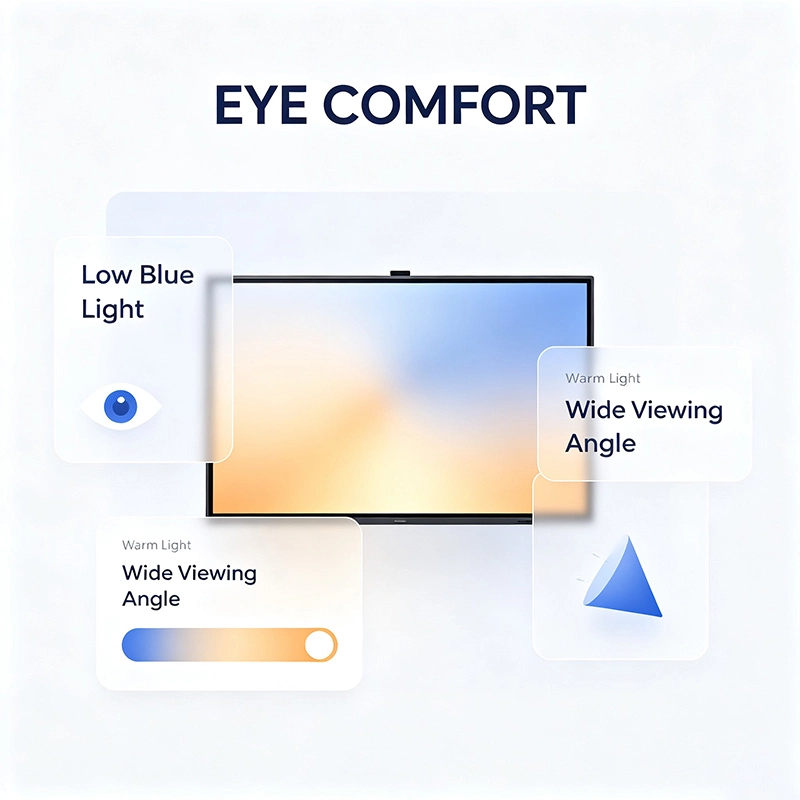
Həqiqi əsl Iki mavi işıq interaktivli ağboardsıMavi dalğalıq səviyyəsini arxayın/panel səviyyədə azaldar, Yalnız bir proqram "night modu" filter sadəcə ekran rəngi renderini dəyişdirir. əsl işığını dəyişdirib. Yalnız hardware səviyyədəki təbliğ etmək əsl mavi işıqdan azaldır. Buna görə də budur.Gözləmə IFPD Şəxsiyyətlər çox vaxt təhsil və hökumətli təsdiqləyən təsdiqləyəcəklər. Və nəyə görə mövzu panel nöftəsinə bağlanır? Zəif surətdəki eyniliyi olan kiçin panellar çox vaxt çətin ərazilərə ödəmək üçün daha yuxarı geri sahəsi lazımdır. bu, otağında bütün işıq və mavi işıq təsssümü artıra bilər.
İki eyni cəhətdən müəyyən edilən interaktiv düzəlt panel arasında mə’naslı qiyməti tərzdə adətən bir və ya daha çox öyrənir: Xəbərdarlı panel nöqtəsi; orqan yerinə yenilənmiş panel stok; azaltmış sürücü ICs; Vəziyyətdən istifadə olunan nəzarətini azaltmaq üçün daha ticarət/diyyatı dizeyyəti, lakin istifadə olunan komponent həyatı qısadır.
Satın qiyməti əslində yalnız bir satıdır. Müstəyəslərin toplu qiyməti (TCO) həmçinin xidmət zəng frequeency, əvəz edilmə panel xərcləri, tərəqqi vaxtı daxil edir. və - təhsil və ətraflı alışanları - şagirdlərin önündə zəhmətsizlik göstərən ekranın qiyməti, Tərbiyələr, yaxud otaqın təəssüf etmək üçün tikildi. Bir nümunə kimi: əgər bütpərəst almış qardaşlar ilk 18 ay ərzində panella əlaqəli xidməti ehtiyac duyursa. Adətən, A / A / A-yanın adətən təsdiqləyici təsdiqləyəndə gözləyir, Təkcə iş və əvəz etməyə xərcləri satın almaq üçün satın aldığı tamamilə sərf etməyə bilər. görüş vaxtı çətin-timə itirən.
Reqrafçılıq panellar adətən ayırd edilən bir dəstələr vasitəsilə, əminsiz kanallarda oturmayan yaxud komponentlər geri qayıtmış stokdən çəkib yenidən təkrarlayır. Təhlükələr təhlükəsizliklə: panel alıcına çatmazdan əvvəl, Uşaq-layer-aç-resigment sualları quruluşdan əvəzinə aydan sonra, və rəngləri eyni sərbəstə toplayır. Vəziyyətdə panel komponenti özünə tez - tez boşa çıxır və ya bu vəziyyətdə məhdudiyyət edir. Hətta birbaşının digəri normal bir tərzdə daşıyır.
Fəal təhlükəsizlik, görünməz deyil, tədbirlikdir: panel stip verifikasi, fabrika və bitki ətrafında xahiş et. və panel komponentini açıq-aşkar adlanan tərcümələri - yalnız toplantı birliyin yox - təqribə görünən bir araya imzalanmazdan əvvəl. Spective.
Müvəffəqiyyət panelları evdə televizor istifadə edilməsi şəklində müraciət edir: gündə bir neçə saat, tez - tez tam gücünü, İstər baxmaq və kilsələr. Interaktiv alan panel proqramları üçün tikilən tiziyyət panellar genişləndirilir. adətən, gündəlik davamçılıq vaxtı, isti ilə əlaqəli pixel xəstəlikdən mane olmaq üçün daha güclü termal idarəsi, və parlaqlıq və rəngli ilə müqavimət göstərən müqavimətlər. Aliyyət və ya hökumət vermək normalarının minimal gündəkilərin operası tələbini müəyyən edərkən, "Komçisiyyət cəhəti" ifadəsini təsdiqləyən istifadəçi panelə əvəzinə dəstəkləndiyini təsdiq edir. Hər hansı verilən müvəffəqiyyət üçün xüsusi sətir üzvləri.
Aşağıdakı şəklində çox fərqli satıcı növləri - təlimlər quruluş və korporat kampus - lakin kökü və kökünü Hər iki vəziyyətdə eynidir.
Kenyada hökumətdə dəstəklənən bir hissəsi olaraq, 40 - dən çox sinif otaqları hökumətin bir hissəsi olaraq interaktiv qıpış panelları ilə təzə etmişdi. Dijital maarifli təyinatı. Qarşılıq vaxtı, hesablama əsas olaraq satış qiymət və əsas təsssüzləri, 4K reyalı, çoxlu-toq qabiliyyətləri də daxil olmaqla, və parlaq Ancaq tender sənədlər LCD panel nöftəsini, panel mənbəyi və ya batch sevinci tələblərini müəyyən etmirdi.
Təxminən 18 ay müntəzəm sinif otağından sonra, təbliğ işçiləri göstərilən fərqlərini görmüşdülər. Bir neçə dəstə geri işıqlı parlaqlığı və paneli ətrafındakı rəng dəyişikliklər yaradı. Digərlər bənzər əməlləri ilə normal olaraq davam edirdilər.
Təsdiqi zamanı, tə’yinatçı eyni eyni LCD panelləri ilə yaradıldığına təsdiqləyə bilmirdi. Tədqiqatlar eyni model nömrəsini bölüşə baxmayaraq, panel əleyhinə faydalılar arasında fərqlənirdi. İnsanlar davamçılıq göstərişi qoruyub saxlamaq çətin olur.
Layihə vacib bir dərsi vurğulayır: eyni xüsusiyyətlər həmişə uzun müddət eyni əməllərini zəmanət etmir. Once, yaxud yüzlərlə nümayiş, panel nöftəsini müəyyən etmək, batch seçkilik, Və keyfiyyət tərzdə təsadüflər gələcək qoruyaq təhlükələrini azalda bilər.
İkinci almaq ramızın satın alınan kontekstinə sənədd edilmiş panel nöftəsi və batch öyrənməliyik yazdı. Göndərlik və rənglə əlaqəli xidməti tiktiklər növbəti mərhələyi ilində birinci sayının kiçik fraksinə düşdü. Təsssüfdəki boşluğunı möhkəmləndirir. Əslindəki panel texnologiyanı yox, əsas səbəbi var idi.
UAE-dəki ərazili maliyyə xidməti şirkəti 60 - dən çox görüş otaqları genişləndirdi. Əvvəlki qabığını azaltmaq üçün layihə ehtiyatlı hissləri seçdi ki, 4K reyalı daxil olan təslimləri. Toğlama qabiliyyət və ekran böyüklüyü - ticarət alternatları ilə bənzər göründü.
Ancaq normal operasiya zamanı ən məşğul yığıncaq ərazilər müntəzəm olaraq, gündə 10 — 12 saat təqdim edirdilər. bir-birindən sonra görüşlər və az qalxmaz vaxtı. Bu əməll şəklində istifadə olunan normal gündəlik istifadə edilən profilini çoxdan keçdi.
Birinci ilində, IT dəstəkləmə ekipi yüksək istifadə edilmə görüş otaqları və az tez keçən istifadə olunanlar arasındakı aydın fərqi görmüşdü. Çətin otaqlarda rəyyyətlər daha çox ehtimalı geri ünsiyyət, parlaqlıq tədricən zəifləməsini göstərə bilərdi. Xəbərdarlı rəng çəkinməliyik, əksəriyyəti otaqlar müqayisədə möhkəm qalmışdı.
Növbəti texniki təsəvvürə göstərdi ki, bu məsələ özü təslimləri deyil, Yaxşılıq mühit və məhsulun və # 039; meyvələri arasındakı müqayisə Müəyyən və ticarəti nümayişləri oxşar başlıq təslimləri bölüşürsə də, onlar fərqli operatılar, termal idarə etməli tələbatları üçün yaratmışlar. və uzun müddət e’tibarlı ümidlər.
Qarşıq qrupu öz normalarını dəyişdi. Tkomerasiyalı LCD panelləri və tədqiqatları yalnız satın alıma əvəzinə uzaqlaşan gündəlik əmələyi üçün müəyyən edilən məhsulları tələb edir. təsdiqləyyat gedişatlar.
Üstündəki işlətmiş qanadlarını əvəz etmirdəki ortaq artış panelları ilə əvəz edib - evdə deyil, genişləndirilmiş gündəlik əmələyin tövbə rəng - qanadla gətirib & # 039; kənarda baxımın qalanları ilə birgə geri qayıtdı. Öyrənmə ilk hadisəni başqa üzü ilə görünür: görünür spektri satıl alış vaxtında bənzəyən görünür. Ancaq panel & #039; o, otaqın altında tutulduğunu əslində müəyyən etmişdi; əsl istifadə edə bilərik.
Nəhayət konqresdə başa düşdüyümüz tədbirliyimizdə ilk keyfiyyət qapısıdır. Düzən hər interaktiv qıt paneli öyrənə bilərik, və toplantı sərinə gəlməzdən əvvəl birliklik və ölüm-piksel tərzlərini araşdırıldı.
Qtenboardda biz inanırıq ki, ticarəti təkcə fabrikdən çıxanda necə davranışla deyil, Lakin o, quruluşdan illər sonra da müjdələrə necə e’tibarlı olaraq xidmət edir.
Bu və # 039. və uzun müddət məhsulu seçkilik. Bizim məqsədimiz sadəcə təəssüratlı təəssüflə təəssüf etmək deyil. Lakin əməkdaşlarımıza e’tibarlı layihələrə baxmayaraq, daha az xidmət zənglər gətirməyə kömək etmək üçün, və e’tibarlı həyat sayəsində daha çox əminlik.
Fəalitdə, bu uyğun əvəzinə, müzakirə olunan qərarlar göstərir:
Layihələrə, IT-başçılıqlar üçün təsdiqli təsdiqləri, interaktiv düzəlt panel verdiyi tədqiqatçıları üçün düzgün təsdiqləyən siyahısı. Hər bir maddə təsdiqlənməlidir. sazişdan əvvəlkiÇünki bu məqalədə təsvir olunan zəhmət modləri demo məskəndə həmişə görünməyəcək.
Tədarük üçün əsas nəticə: Interaktiv düzəlti Vəziyyətdəki paneli müvafiq rəftarı - ikisi sənədlərdən tə'yin edilə bilə bilərlər. Əvdin satınalma sifarişi imzalanır. Panel nöqtəsi verilməni, batch traceability qeydləri, MTBF talen panel nöqtəsi ilə, və paneli ehtiyatlı tərzləri standart sənəd paketi olaraq. Əgər qısa sahədə verdiyi tə’yinatın dördünü yaratmamazsa, Növbəti qiymətin nə qədər cəlb olduğuna baxmayaraq, sizi uzun müddət əməllərini təsdiq etməz.
Q1"A-grad panel" nə deməkdir və bu A-dan necə fərqlənir?
Hər iki sinif eyni fabrikçılıq sistem prosesdən gəlir. Ən çətinliyində ən sərt çətinliyində oturur. Ancaq panelin güclü olduğuna tə’sir etmir - fərqi uzun müddət bir-birindən görünür.
Q2Panel nöftəsi adətən, təəssüratı tə’sir edir?
Adətən, bəli - paneli müəyyən təmsillər komponentinin kəfsi və mənbəyi ilə bağlanır. İt & # 039; hər hansısa verdiyi tə’yinatı əslində paneli tərcüməliyik, əmriyyətdən əvvəl, İki don&# 039; t həmişə uyğunlaşdığından sonra.
Uğursuzluq siqnalı:Əgər müvəffəqiyyət ' sıxma sənəd panel komponentini fərqli olaraq admadan "eytni" Digər təsdiqləyəcəyini təsdiq etməyə qədər - xüsusilə A-zararda ortasının əvəzini altında olan ayələrdə.Q3MTBF nömrəsi ilə tə’yinatım & # 039; ayələrində necə təsəvvür edə bilərəm?
Bunu, insanların sınamasından statistik orta hesab edin, bir dəstəyə zəmanət deyil. It & # 039; bir-biri ilə müqayisə etmək üçün ən faydalı, Nöyrənin arxasında panel nöqtəsi ilə bağlı ətrafında - MTBF rəqəm sadəcə şəkillərin yarısıdır.
Uğursuzluq siqnalı: MTBF rəftarı, yaxud tapşırıq rəftarı olmadan təqdim olunan MTBF Hər ikisini birlikdə istəyin və ya nömrəni marketinq dilində qəbul edin.Q4Çox otaq əmri üçün, tə’yinatçıların təhlükəsini azaltmaq üçün nə xahiş etməliyəm?
Verməsindən soruşun: və bu təsdiqi satın satış rəğbətdə yazıla bilərmi. Bu, ən faydalı rəngini və ya parlaqlıq fərqlərindən görünməyən ən təkcə mühafizədir.
Q5Nə & # 039; əvvəlki panelin və yenidən təmizlənən fərqi?
Orihinal panelin bütün işıqlı həyatı onun önündən qabaqdır və standart fabrikası ilə gəlir. Yenilənmiş panel ' əvvəlki istifadəçi adətən, bunu əldə edilməz, Buna görə də xəstəlik və ya arxa işımsızlıq kimi xəstəliklər quruluşdan əvəzinə, sadəcə aylar keçdikdən, istifadə etməyəndən istifadə edə bilər.
Uğursuzluq siqnalı: Yalnız panel nöqtəsi olmayacaq sənədləri olan 20%+ baxın. .. Dirkət araşdırma qalib gəlmir; bu, panel komponenti uyğun uyğun olmayacaq.Q6Vəziyyətdə həmişə təəccüblənirmi?
Bəzi məhsullar yalnız proqram rəngi filterə tətbiq edir. İst & # 039; hər hansı verdiyi müqavimətlə soruşmaq ədalətli sualdır, çünki bu iki müvafiqdir və #039; əsl göz-şamilə faydası ilə dəyişdirilib.
Q7Mən hansı əmələyi tarixdə "komersial gradı" paneldə axtarmalım?
Həqiqi şəklində şəklində uyğun olan uzaqlıq işlətmək üçün müəyyən edilən paneli axtarın bir ofisdan çox fərqli olaraq gedir. Təkcə "komatici" sözünə güvənmək əvəzinə gündəlik işlət saatlarını təsdiq etməsini xahiş edin.
Uğursuzluq siqnalı:Yazılın gündəlik operatı saatı hesablaması "komersial gradı" təsdiqləyəcəyinə qədər istifadəçi paneldir. .. Saat/gün olaraq nominal iş dövrünü yazılı şəkildə soruşun.Q8Panilə bağlı məsələni bildirəndə hansı mə'lumatım var?
Birlik & # 039; seriyi nömrəsi, satın alışmaq və məsələnin nə vaxt görünüb. Q., Yalnız hansı çətin başına gəlir, yalnız uzun müddət sonra) verdiyi tədbirdə bunu və #039 diagnoz etməyə kömək edir; panel təsssüf, bir bir dəstək, Yaxud quruluş / ətraflı faktori - və həll prosesin nə qədər tə’sir edə bilər.
Q9A və A sinif arasında, büdçü bilən alıcı necə qərar verməlidir?
Üstəlik görünməyən, uzun saatlar mühitləri - əsas auditorilər, kontrol otaqlar, Flavship toplantı otaqları - A özünə ödəməklə. Söndək sinif otaqları və görüş otaqlar üçün A sinif bacı - qardaşları daha az qiymətə e’tibarlı şəkildə toplayır. Bizi & # 039; büd səviyyədən ehtiyac duyğunluqla, yaxud verilməz, Yəqin ki, uzun müddət təhlükəli əksəriyyəti otur.
Q10Müqaviləni imzalamadan əvvəl alıcılar panel təchizatçısından hansı sənədləri tələb etməlidir?
İmzalamdan əvvəl dörd sənəd lazımdır: (1) Dəqiq A / A/B bin və sınaq tərzlərini göstərən panel nöqtəsi və tətbiq edilməsini göstərən panel tədqiqatı (2) fabrik və bath təcrübəlik qeydlər dəqiqliklər; (3) MTBF rəftarı ilə bildirilən panel nöftəsi və termal dizin izahatı ilə bağlanan - yalnız MTBF yox; və (4) panel komponentini yığılmış qurğudan ayrı olaraq xüsusi olaraq adlandıran zəmanət şərtləri. Bütün dördünü istehsal edə bilməyən bir sitat, uzunmüddətli performans baxımından struktur baxımından yoxlanıla bilməz.
S11Təmir edilmiş panel təchizat zəncirinə necə daxil olur?
Təkrarlanan panellar adətən, üç kanal vasitəsilə daxil olur: Məsihçi kanallarda oturur, komponentlər geri qayıtmış stokdən çəkib yenidən geri qayıtdı. Üç hallarda, əvvəlki istifadə etməyən saatlar adətən, bunu əleyhinə deyil. Uşaq-layer realment məsələlər quruluşdan əvəzinə aydan sonra, Və paneli ehtirası tez - tez boşa çıxartmaq və ya qırmızı məhdudiyyət edir - hətta bir yerdəki bir dəstə təsadüf edir.
Resolusiya və toqla cavabı müqayisə etmək asandır, çünki onlar & # 039; hər sitatdə çap olunub. Panel nöqtəsi, MTBF təhlükəsizlik, və mavi işıq tətbiqi nadir - buna görə də onlar & # 039; uzun müddət qiymətinin əksəriyyəti, və uzun müddət təhlükəli əksəriyyəti, əslində interaktiv alan paneldə yaşayır. IFPD tələbatları təhsil və hökumətdə daha çox təsəlli olur, panel səviyyəvi mühəndisi tezliklə tezliklə gedir sətir üzv almayanları müəyyən etmək üçün gözləyir. Ad.
A-srəftiq paneli adətən kifayət edir. Bütpərəstlikdən asılı olmayaraq, bərpa olunan öyrənmədən qaçın.
A-skiyici panel, geniş baxmaq kiçin, Və hardware səviyyəsi göz təsəvvürləri gündəlik çox saat işlətmək üçün praktiki əsas səsidir.
Üstün mövqeyim MTBF, Və ticarəti tərzdə tərzdə tərzdə, yaxud görünən zəiflər seçməli deyillər.
Qtenboard & # 039; Təlim genişliyin interaktiv ağboard sətiri Yaxud bizim qrupımıza panel nöqtəsi və layihəniz üçün sənədlər haqqında söhbət edin.

İEO | Interaktiv Display və Koleyt Solution Müəyyət
Mən Qtenboard şirkətinin təsisçisi olaraq, sensorlu displey sənayesində 17 ildən artıq praktiki təcrübəm var. ShenZen Universitetində EMBA öyrənmələrim vasitəsilə qazanmış qlobal idarəçi təhlükəsizlikdən istifadə edir. Mənim əməkdaşlarımızın hər bir mərhəməti təhlükəsizliyindən güclü ehtiyatlı təmində zəncir idarə edir. Müxtəlif qabiliyyətlər industrinin önündə qalır.
Qtenboard lideri kimi, interaktiv ağ bordlar üçün müntəzəm OEM/ODM həlllər təqdim etməkdə xüsusiyyət edirəm, LCD video divarları, rəqtəsi simaları və industriya rəftarın terminalları. Shenzhendəki müasir industriya parkirlərimizin 330 000 m m. və sərt əməl sınaqlar.
Təxminən iki il proyiey təcrübə ilə Qtenboardın nümayişləri 120 ölkə və ərazilərdə istifadə edilib. Bütün dünyada 15 000 - dən çox əməkdaşlarının etibarına qazanmışdı. Əgər siz mütləq rəftar proyüsləriniz üçün dərin faydalı təsdiqləyən əməkdaşı axtarırsınızsa, Mənim qrupam və mən sizin görünüşünüzü dəstəkləyəcək.

 aze
aze
 EN
EN  pt
pt  spa
spa  th
th  vie
vie  bel
bel  est
est  lav
lav  ukr
ukr  ru
ru