Thuật Ngữ tiếp thị trong ngành thường làm lu mờ các khái niệm này, đặc biệt là với các chương trình khuyến mãi từ các thương hiệu nổi tiếng như Huawei và promethean, giúp người mua dễ dàng nhầm lẫn "sức mạnh thương hiệu" với "sức mạnh sản xuất". Trước tiên hãy làm rõ các khái niệm cốt lõi:
Trong ngành công nghiệp bảng điều khiển phẳng tương tác (IFP), giá trị cốt lõi của một "Thương Hiệu" nằm trong "sự chứng thực sự tích hợp sinh thái", không phải "sản xuất".
Đối với Huawei, ifps của nó là một phần của "hệ sinh thái văn phòng thông minh", và khả năng cốt lõi của thương hiệu là:
Là một thương hiệu quốc tế, khả năng cạnh tranh cốt lõi của promethean tập trung vào:
Nhưng cả hai đều có một đặc điểm chung: Họ không có dây chuyền sản xuất IFP riêng của họ Và dựa vào các nhà máy OEM/ODM để sản xuất máy hoàn chỉnh.
Ranh giới khả năng của các thương hiệu như vậy rõ ràng: Chúng vượt trội trong tiếp thị, Quản lý kênh và tích hợp sinh thái, nhưng không trực tiếp tham gia vào R & D Bo mạch chủ, thiết kế kết cấu, lập kế hoạch sản xuất hoặc kiểm soát chất lượng-điều này không đúng hay sai, mà là lựa chọn mô hình kinh doanh.
Không giống như mô hình "đèn tài sản" của các thương hiệu, một nhà máy chính hãng có nghĩa là "kiểm soát toàn bộ đầu tư nặng":
Trong ngành công nghiệp IFP, các nhà máy thường ẩn đằng sau các thương hiệu như Huawei và promethean. Ví dụ, ifps của Huawei thực sự được sản xuất bởi các nhà máy Thiết bị hiển thị hàng đầu trong nước; promethean & #039; các sản phẩm cốt lõi của Mĩ cũng dựa vào các nhà máy ODM ở đồng bằng sông dương tử và đồng bằng sông ngọc trai để sản xuất.
Người tiêu dùng nhìn thấy logo thương hiệu, nhưng chính các nhà máy Hậu Trường xác định sự ổn định của sản phẩm, tính nhất quán hàng loạt và tốc độ phản hồi sau bán hàng.
Nhiều người nhầm lẫn tin rằng "OEM = Thiếu Công nghệ", nhưng trong ngành công nghiệp IFP, sự thật hoàn toàn ngược lại:
Sự khác biệt cốt lõi không phải là "có sử dụng OEM" hay không ", nhưng:
👉Ai kiểm soát tài nguyên cốt lõi (màn hình, bo mạch chủ, tiêu chuẩn kiểm soát chất lượng)?
👉Ai có thể dẫn dắt nhu cầu lặp lại sản phẩm và tùy chỉnh?
Chúng tôi sử dụng một bảng để trình bày trực quan sự khác biệt cốt lõi giữa các loại nhãn hiệu khác nhau, giúp bạn nhanh chóng nắm bắt thông tin chính:
| Kích thước so sánh | Huawei, promethean (thương hiệu không có nhà máy riêng) | Qtenboard (Thương hiệu dựa trên nhà máy) |
|---|---|---|
| Nhà máy & dây chuyền sản xuất | Không có dây chuyền sản xuất riêng, dựa vào các nhà máy OEM/ODM của bên thứ ba | Sở hữu 3 dây chuyền sản xuất SMT 2 dây chuyền lắp ráp máy hoàn chỉnh, công suất hàng năm 500,000 đơn vị |
| Kiểm soát chuỗi cung ứng | Các thành phần cốt lõi như màn hình và bo mạch chủ được các nhà máy OEM lựa chọn, thương hiệu Chỉ tiến hành chấp nhận cuối cùng | Ký thỏa thuận dài hạn trực tiếp với màn hình boe và lg, kiểm soát độc lập 100% các thành phần cốt lõi, mỗi lô có thể theo dõi được |
| Năng lực giao hàng số lượng lớn | Dựa vào lịch trình nhà máy OEM, chu kỳ giao hàng cho Các Đơn Đặt hàng lớn (500 đơn vị) dao động trong ± 10 ngày | Lập lịch dây chuyền sản xuất linh hoạt, chu kỳ Giao hàng ổn định trong 15 ngày đối với đơn hàng 500 đơn vị, tỷ lệ năng suất ≥ 99.8% |
| Hỗ trợ tùy chỉnh | Cần kết nối với các nhà máy OEM thông qua các nhãn hiệu, chu kỳ sửa đổi dài (trung bình 20 ngày), chỉ hỗ trợ một lượng nhỏ chức năng thích ứng | Kết nối trực tiếp với các đội sản xuất R & D, hỗ trợ điều chỉnh giao diện, tùy chỉnh phần mềm và sửa đổi ngoại hình, chu kỳ phản hồi ≤ 7 ngày |
| Đảm bảo hậu mãi | Thương hiệu chịu trách nhiệm lắp ghép, các nhà máy OEM cung cấp phụ tùng, Thời gian phản hồi trung bình để sửa lỗi là 48 giờ | Sản xuất độc lập các thành phần cốt lõi, hàng tồn kho đầy đủ phụ tùng, đáp ứng sửa chữa ≤ 12 giờ, hỗ trợ thay thế nhanh tại chỗ |
| Tính nhất quán của sản phẩm | Các nhà máy OEM có thể thay thế các nhà cung cấp, màn hình và bo mạch chủ có thể khác nhau giữa các lô hàng | Hệ thống kiểm soát chất lượng riêng, 12 lần kiểm tra từ kho thành phần đến giao hàng thành phẩm, tính nhất quán hàng loạt ≥ 99.5% |
| Lợi thế cốt lõi | Nhận thức về thương hiệu cao, khả năng tích hợp sinh thái mạnh mẽ, phù hợp với các tình huống có giá trị xác nhận thương hiệu | Năng lực sản xuất mạnh mẽ, giao hàng ổn định, thích hợp mua sắm số lượng lớn, hợp tác lâu dài và các tình huống có nhu cầu tùy chỉnh |
| Ngôn ngữ tiếp thị chung | "R & D độc lập", "hệ sinh thái thông minh toàn kịch bản", "chứng nhận chất lượng quốc tế" | "Dây chuyền sản xuất riêng", "kiểm soát chuỗi cung ứng trực tiếp", "đảm bảo tính nhất quán số lượng lớn" |
Để hiểu "Thương Hiệu nhà máy", Điều quan trọng là phải nhận ra rằng giá trị cốt lõi của IFP không bao giờ nằm trong "Logo", nhưng trong các liên kết chính của chuỗi cung ứng-các liên kết mà các thương hiệu như Huawei và promethean không thể kiểm soát trực tiếp.
Lõi của IFP là "Hiển thị" và chất lượng màn hình trực tiếp xác định trải nghiệm người dùng. Huawei và promethean đều quảng cáo "sử dụng màn hình LG/boe cao cấp", nhưng tình hình thực tế là:
Các thương hiệu dựa trên nhà máy như qtenboard ký thỏa thuận mua sắm hàng năm trực tiếp với màn hình LG và boe để khóa các Lô Tài nguyên Màn hình ổn định. Mỗi lô Màn hình trải qua kiểm tra độ sáng, gam màu và điểm ảnh chết trước khi lưu kho để đảm bảo hiệu ứng hiển thị nhất quán của các sản phẩm được giao với số lượng lớn-đây là điều "Thương Hiệu" không thể đạt được, vì chúng không kết nối trực tiếp với các nhà cung cấp Màn hình.
Bo mạch chủ là "não" của IFP, và lựa chọn của nó (ví dụ, 9679, t982) trực tiếp xác định sự ổn định của hệ thống, khả năng mở rộng chức năng ai và vòng đời sản phẩm.
Huawei và promethean "chọn các giải pháp ngoài giá": họ chọn một giải pháp từ các giải pháp Bo mạch chủ được cung cấp bởi các nhà máy OEM và thích ứng với các hệ thống riêng của họ (ví dụ: G., huawei harmonyos), nhưng khó thực hiện tùy chỉnh theo chiều sâu-Ví dụ, nếu khách hàng cần thêm các giao diện cụ thể hoặc cắt các chức năng dự phòng, Trước tiên, thương hiệu cần liên lạc với nhà máy OEM, dẫn đến nhiều liên kết trung gian và phản hồi chậm.
Là một thương hiệu dựa trên nhà máy, qtenboard chuyên sâu nghiên cứu & Phát Triển Giải pháp bo mạch chủ:
Đây là trường hợp thực tế: sau khi một Cơ Sở Giáo dục mua Huawei ifps, nó hy vọng sẽ thêm chức năng "lưu trữ cục bộ dữ liệu tương tác trong lớp học", nhưng Huawei cần kết nối với nhà máy OEM để sửa đổi giải pháp Bo mạch chủ, mất 35 ngày để thực hiện; Một Tổ Chức khác mua từ qtenboard đã hoàn thành nhu cầu tương tự trong 7 ngày với khả năng thích ứng và thử nghiệm của bo mạch chủ.
Độ dày viền, đường dẫn tản nhiệt, bố trí micrô, vị trí giao diện-Những chi tiết dường như không đáng kể này ảnh hưởng trực tiếp đến tuổi thọ và trải nghiệm người dùng của sản phẩm, và sức mạnh Ra Quyết Định của họ nằm ở nhà máy, không phải thương hiệu.
Thiết kế cấu trúc của Huawei và promethean ifps được hoàn thành bởi các nhà máy OEM, và các thương hiệu chỉ đưa ra những gợi ý sửa đổi từ góc nhìn của "vẻ ngoài thẩm mỹ", hiếm khi tham gia vào thiết kế tản nhiệt và bảo vệ lõi:
Thiết kế kết cấu của qtenboard dựa trên hơn 10 năm kinh nghiệm sản xuất và mọi chi tiết đều được xác minh thông qua kiểm tra thực tế:
Những chi tiết này không nhìn thấy được đối với đội ngũ tiếp thị của thương hiệu và chỉ có thể được kiểm soát bởi các kỹ sư của nhà máy.
Không nghi ngờ gì, Huawei và promethean có sự ủng hộ thương hiệu hấp dẫn và lợi thế sinh thái, nhưng trong mua sắm và sử dụng thực tế, sự thiếu hụt "không có nhà máy riêng" sẽ dần dần xuất hiện:
Một doanh nghiệp Mua 300 Huawei ifps với chu kỳ giao hàng hợp đồng là 20 ngày, nhưng gần ngày giao hàng, Huawei thông báo Rằng "nhà máy sản xuất OEM & #039; dây chuyền sản xuất của Mỹ chặt chẽ và giao hàng cần phải bị trì hoãn trong 10 ngày". Khi doanh nghiệp yêu cầu lý do, họ biết rằng nhà máy OEM ưu tiên các đơn đặt hàng thương hiệu riêng và đặt Huawei & #039; đơn đặt hàng ở phía sau-Thương hiệu không thể can thiệp trực tiếp vào lịch trình sản xuất của nhà máy OEM và chỉ có thể thụ động chấp nhận sự chậm trễ.
Khi qtenboard nhận được các đơn đặt hàng tương tự, nó trực tiếp điều chỉnh lịch trình trên dây chuyền sản xuất riêng của mình để đảm bảo giao hàng vào ngày hợp đồng, và thậm Chí có thể giao hàng trước lịch trình theo nhu cầu của khách hàng.
Khi một trường Học Mua promethean ifps, cần "tăng số lượng giao diện USB-C để thích ứng với sạc máy tính bảng của học sinh", và nhân viên bán hàng Hứa "có thể tùy chỉnh" ngay tại chỗ. Nhưng trong truyền thông tiếp theo, promethean cần phải kết nối với nhà máy OEM để sửa đổi thiết kế cấu trúc, và nhà máy OEM từ chối dựa trên "Kích thước lô nhỏ và chi phí cao". Cuối cùng, trường đã phải từ bỏ nhu cầu tùy chỉnh-Cam kết thương hiệu thường phải chịu sự sẵn sàng sản xuất của các nhà máy OEM.
Huawei IFP của công ty bị hỏng màn hình. Sau khi liên hệ với dịch vụ hậu mãi, Huawei cần đăng ký phụ tùng màn hình từ nhà máy OEM trước, và nhà máy OEM phải mua từ nhà cung cấp màn hình, mất 28 ngày để hoàn tất việc sửa chữa. Đối với các thương hiệu dựa trên nhà máy, các bộ phận cốt lõi vẫn còn hàng, và việc sửa chữa và thay thế thường có thể được hoàn thành trong 1-3 ngày.
Những điểm đau này không phải vì Huawei và promethean "không muốn giải quyết chúng", mà vì chúng "không thể giải quyết chúng"-Chúng không kiểm soát kết thúc sản xuất, vì vậy, rất khó để dẫn dắt toàn bộ quá trình giao hàng, tùy chỉnh và dịch vụ hậu mãi.
Khi bạn chọn một nhà cung cấp có tích hợp "thương hiệu Nhà máy", bạn không chỉ nhận được "IFP", mà còn đảm bảo chắc chắn toàn liên kết-Thứ mà các thương hiệu như Huawei và promethean không thể cung cấp:
Đối với khách hàng như chính phủ, các tổ chức Giáo dục và các doanh nghiệp lớn cần mua sắm số lượng lớn, "tính nhất quán hàng loạt" Quan trọng hơn "chất lượng đơn vị". Dây chuyền sản xuất riêng của qtenboard có thể đạt được:
Nhiều kịch bản mua sắm yêu cầu "thích ứng cá nhân", chẳng hạn như các trường học cần giao diện tùy chỉnh để giảng dạy, và các doanh nghiệp cần kết nối với hệ thống văn phòng nội bộ. Đội ngũ R & D của qtenboard được đặt tại nhà máy và có thể kết nối trực tiếp với nhu cầu của khách hàng:
Tuổi thọ của ifps thường là 5-8 năm, và hợp tác lâu dài đòi hỏi nguồn cung cấp và hỗ trợ nâng cấp ổn định. Là một thương hiệu dựa trên nhà máy, qtenboard:
Chúng tôi đã sắp xếp ngôn ngữ tiếp thị chung trong ngành, không phải để "ngụy trang", nhưng để làm rõ một cách khách quan logic thực tế đằng sau ngôn ngữ-các thương hiệu khác nhau có những lợi thế cốt lõi khác nhau, và trọng tâm của ngôn ngữ cũng sẽ khác nhau. Chìa khóa là để hiểu ranh giới khả năng của họ:
Làm Rõ khách quan: lợi thế cốt lõi của Huawei thực sự là trong tích hợp sinh thái toàn cảnh (ví dụ: G., harmonyos, liên kết đa thiết bị), và "R & D độc lập" chủ yếu đề cập đến thích ứng sinh thái, tối ưu hóa phần mềm và các khía cạnh khác. Việc sản xuất phần cứng ifps của nó được hoàn thành bởi các nhà máy ODM chuyên nghiệp; "core Technologies" được gọi là tập trung vào công nghệ cộng tác sinh thái, không phải sản xuất và sản xuất phần cứng như Bo mạch chủ và màn hình.
Làm Rõ khách quan: cốt lõi "chất lượng quốc tế" của promethean bắt nguồn từ tiêu chuẩn thiết kế, chứng nhận chất lượng và trải nghiệm thích ứng kịch bản giáo dục cho thị trường nước ngoài. Sản xuất phần cứng của nó dựa trên các nhà máy Thiết bị hiển thị trong nước trưởng thành, và "kiểm soát chất lượng nhà máy gốc" chủ yếu đề cập đến các tiêu chuẩn chấp nhận cuối cùng của thương hiệu cho sản phẩm, thay vì có nhà máy sản xuất riêng.
Làm Rõ khách quan: câu này cần được hiểu kết hợp với mô hình thương hiệu-Nếu thương hiệu không có dây chuyền sản xuất riêng, "nguồn cung trực tiếp" thực sự là "Thương hiệu kết nối với các nhà máy OEM và sau đó cung cấp trực tiếp cho khách hàng", và thương hiệu đảm nhận vai trò kênh; Chỉ có các thương hiệu có dây chuyền sản xuất riêng như qtenboard mới có thể đạt được "nguồn cung trực tiếp từ nhà máy đến khách hàng", với sự khác biệt cốt lõi là liệu đầu sản xuất có được kiểm soát hay không.
Không. Nếu nhu cầu cốt lõi của bạn là "chứng thực thương hiệu" (ví dụ: G., các dự án của chính phủ, các tình huống hiển thị bên ngoài), và bạn không cần tùy chỉnh số lượng lớn hoặc có yêu cầu thấp đối với chu kỳ giao hàng, huawei và promethean là những lựa chọn phù hợp-nhận thức về thương hiệu và khả năng tích hợp sinh thái của họ có thể giúp bạn giảm chi phí liên lạc cho việc kết nối dự án. Tuy nhiên, đối với mua sắm số lượng lớn, nhu cầu tùy chỉnh hoặc hợp tác lâu dài, các thương hiệu dựa trên nhà máy Có lợi thế rõ ràng hơn.
Ba Câu hỏi cốt lõi sẽ cho bạn biết:
Không nhất thiết. Nó phụ thuộc vào sức mạnh của nhà máy OEM và các tiêu chuẩn kiểm soát chất lượng của thương hiệu. Nhưng sự khác biệt cốt lõi là "ổn định": Huawei và promethean có thể tìm thấy các nhà máy OEM chất lượng cao để sản xuất một loạt các sản phẩm chất lượng cao, nhưng lô hàng tiếp theo có thể chuyển đổi nhà máy do chi phí hoặc lập kế hoạch, dẫn đến sự dao động về chất lượng; các thương hiệu dựa trên nhà máy có dây chuyền sản xuất cố định và tiêu chuẩn kiểm soát chất lượng, với sự ổn định chất lượng được đảm bảo nhiều hơn.
Ngược lại, nó tiết kiệm chi phí hơn. Bởi vì các thương hiệu gốc không có thương hiệu cao cấp hoặc liên kết trung gian, các sản phẩm có cùng cấu hình có giá thấp hơn 10%-15% so với Huawei và promethean; và lô hàng càng lớn, lợi thế về giá càng rõ ràng-Giảm Giá số lượng lớn của Huawei và promethean bị giới hạn bởi chi phí nhà máy OEM, Trong khi các thương hiệu dựa trên nhà máy có thể điều chỉnh độc lập biên độ lợi nhuận để cung cấp báo giá linh hoạt hơn cho khách hàng.
Thành công của các thương hiệu như Huawei và promethean nằm trong việc xây dựng nhận thức thương hiệu mạnh mẽ và lợi thế sinh thái, nhưng là "Sản phẩm phần cứng", giá trị cốt lõi của ifps cuối cùng được xác định bởi kết thúc sản xuất.
Thương hiệu có thể cung cấp cho bạn "khuôn mặt" (chứng thực Thương hiệu), nhưng các nhà máy có thể cung cấp cho bạn "chất" (chất lượng ổn định, giao hàng có thể kiểm soát, tùy chỉnh linh hoạt).
Khi mua sắm, ngừng tập trung chỉ vào nhận thức về thương hiệu và hỏi thêm về "nhà máy ở đâu", "Ai cung cấp các thành phần cốt lõi" và "có thể giao hàng số lượng lớn được đảm bảo"-Câu trả lời cho những câu hỏi này Quan trọng hơn những từ quảng cáo ưa thích.
Nếu nhu cầu của bạn là: mua sắm số lượng lớn, hợp tác lâu dài, nhu cầu tùy chỉnh hoặc nhấn mạnh vào sự ổn định giao hàng, thì "Thương Hiệu dựa trên nhà máy" là một lựa chọn an toàn và bền vững hơn; nếu nó chỉ là mua sắm hàng loạt nhỏ và chứng thực thương hiệu có giá trị, các thương hiệu như Huawei và promethean cũng xứng đáng được xem xét.
Chỉ có một nguyên tắc cốt lõi: Thương hiệu là một phần thưởng, trong khi các nhà máy là đá dằn. Hiểu được bản chất của chuỗi cung ứng có thể giúp bạn tránh được những cạm bẫy mua sắm.
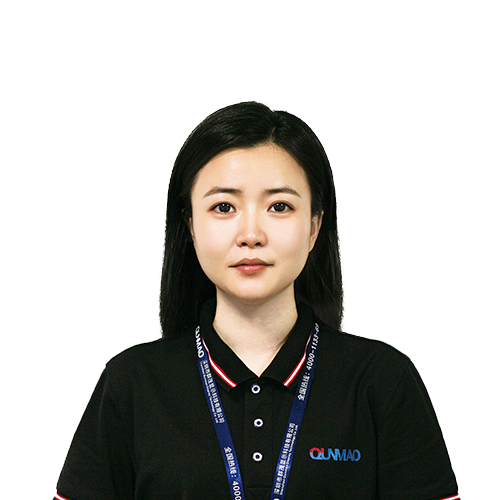
Giám đốc điều hành | chuyên gia giải pháp trưng bày và hợp tác tương tác
Tôi Là Người sáng lập qtenboard, mang đến hơn 17 năm kinh nghiệm thực hành cho ngành công nghiệp màn hình cảm ứng. Dựa trên quan điểm quản lý toàn cầu thu được thông qua nghiên cứu emba của tôi tại Đại học thâm quyến, tôi dẫn dắt đội ngũ của tôi trong việc tối ưu hóa mọi giai đoạn hoạt động của chúng tôi-từ định nghĩa sản phẩm đến Quản Lý Chuỗi Cung ứng hiệu quả cao-Đảm bảo khả năng sản xuất của chúng tôi luôn đi đầu trong ngành.
Là lãnh đạo của qtenboard, tôi chuyên cung cấp các giải pháp OEM/ODM phù hợp cho bảng trắng tương tác, tường video LCD, biển báo kỹ thuật số và thiết bị đầu cuối cảm ứng cấp công nghiệp. Được hỗ trợ bởi khu công nghiệp hiện đại 330,000 m² ở thâm quyến, chúng tôi duy trì kiểm soát toàn bộ vòng đời đối với thiết kế công nghiệp, sản xuất chính xác và kiểm tra hiệu suất nghiêm ngặt.
Với gần hai thập kỷ kinh nghiệm của dự án, các giải pháp trưng bày của qtenboard hiện được triển khai tại hơn 120 quốc gia và khu vực, đã giành được sự tin tưởng của hơn 15,000 khách hàng doanh nghiệp trên toàn thế giới. Nếu bạn đang tìm kiếm một đối tác phản hồi với nền tảng sản xuất sâu cho các dự án màn hình cảm ứng tùy chỉnh của bạn, nhóm của tôi và tôi đã sẵn sàng hỗ trợ tầm nhìn của bạn với sự xuất sắc chuyên nghiệp.
 vie
vie
 EN
EN  pt
pt  spa
spa  th
th  aze
aze  bel
bel  est
est  lav
lav  ukr
ukr  ru
ru