La jerga de marketing en la industria a menudo oscurezca estos conceptos, especialmente con promociones de marcas conocidas como Huawei y Promethean, lo que hace que sea fácil para los compradores confundir "fuerza de marca" con "fuerza de fabricación". Dejemos & #039;s aclarar los conceptos básicos primero:
En la industria de paneles planos interactivos (IFP), el valor central de una "marca" radica en la "integración ecológica de respaldo de confianza", no en la "fabricación".
Para Huawei, sus IFP son parte del "ecosistema de oficina inteligente", y las capacidades principales de la marca son:
Como marca internacional, la competitividad central de Promethean & #039; se centra en:
Pero ambos comparten una característica común: No tienen sus propias líneas de producción de IFP Y confían en las fábricas de OEM/ODM para la fabricación completa de la máquina.
El límite de capacidad de tales marcas es claro: sobresalen en marketing, gestión de canales e integración ecológica, pero no participan directamente en I + D de placas base, diseño estructural, programación de producción o control de calidad; esto no es correcto o incorrecto, sino una elección de modelo de negocio.
A diferencia del modelo de marcas "de activos ligeros", una fábrica genuina significa "control de enlace completo de inversión pesada":
En la industria IFP, las fábricas a menudo se esconden detrás de marcas como Huawei y Promethean. Por ejemplo, los IFP de Huawei & #039;s en realidad son fabricados por las principales fábricas de dispositivos de visualización nacionales; Los productos principales de Promethean & #039;s también dependen de las fábricas de ODM en el delta del río Yangtze y el delta del río Pearl para la fabricación.
Los consumidores ven el logotipo de la marca, pero son las fábricas detrás de escena las que determinan la estabilidad del producto, la consistencia del lote y la velocidad de respuesta postventa.
Muchas personas creen erróneamente que "OEM = falta de tecnología", pero en la industria IFP, la verdad es exactamente lo contrario:
La diferencia principal no es "si usar OEM", sino:
👉¿Quién controla los recursos principales (pantallas, placas base, estándares de control de calidad)?
👉¿Quién puede liderar la iteración del producto y la demanda personalizada?
Utilizamos una tabla para presentar intuitivamente las diferencias principales entre los diferentes tipos de marcas, lo que le ayuda a comprender rápidamente la información clave:
| Dimensión de la comparación | Huawei, Promethean (marcas sin fábricas propias) | Qtenboard (marca basada en la fábrica) |
|---|---|---|
| Fábricas y líneas de producción | Sin líneas de producción propias, confían en fábricas de terceros OEM/ODM | Poseer 3 líneas de montaje de SMT 2 líneas de montaje completas de la máquina, capacidad anual de 500.000 unidades |
| Control de la cadena de suministro | Los componentes principales, como pantallas y placas base, son seleccionados por las fábricas OEM, las marcas solo realizan la aceptación final | Firmar acuerdos a largo plazo directamente con BOE y LG Display, 100% de control independiente de los componentes principales, cada lote trazable |
| Capacidad de entrega a granel | Se basan en la programación de fábrica OEM, el ciclo de entrega para pedidos grandes (500 unidades) fluctúa por ± 10 días | Programación flexible de líneas de producción propias, ciclo de entrega estable de 15 días para pedidos de 500 unidades, tasa de rendimiento ≥ 99.8% |
| Soporte de personalización | La necesidad de conectar con las fábricas del OEM a través de marcas, ciclo largo de la modificación (20 días por término medio), apoya solamente una pequeña cantidad de adaptación de la función | Conecte directamente con los equipos de producción de I + D, ajuste de interfaz de soporte, personalización de software y modificación de apariencia, ciclo de respuesta ≤ 7 días |
| Garantía post-venta | Las marcas son responsables del acoplamiento, las fábricas OEM proporcionan piezas de repuesto, el tiempo de respuesta promedio para la reparación de fallas es de 48 horas | Producción independiente de componentes básicos, suficiente inventario de piezas de repuesto, respuesta de reparación ≤ 12 horas, soporte de reemplazo rápido en el sitio |
| Consistencia del producto | Las fábricas de OEM pueden reemplazar a los proveedores, las pantallas y las placas base pueden diferir entre lotes | Sistema de control de calidad propio, 12 inspecciones desde el almacenamiento de componentes hasta la entrega del producto terminado, consistencia del lote ≥ 99.5% |
| Ventajas principales | Alta conciencia de marca, fuertes capacidades de integración ecológica, adecuadas para escenarios donde se valora el respaldo de la marca | Fuerte capacidad de fabricación, entrega estable, adecuada para adquisiciones a granel, cooperación a largo plazo y escenarios de demanda personalizados |
| Lenguaje Común de Marketing | "I + D independiente", "ecosistema inteligente de escenario completo", "Certificación internacional de calidad" | "Líneas de producción propias", "Control directo de la cadena de suministro", "Garantía de consistencia a granel" |
Para entender la "marca ≠ fábrica", es crucial reconocer que el valor central de un IFP nunca radica en el "logotipo", sino en los eslabones clave de la cadena de suministro, eslabones que marcas como Huawei y Promethean no pueden controlar directamente.
El núcleo de un IFP es la "visualización", y la calidad de la pantalla determina directamente la experiencia del usuario. Huawei y Promethean promueven la "adopción de pantallas LG/BOE de alta gama", pero la situación real es:
Las marcas basadas en fábrica como Qtenboard firman acuerdos de adquisición anuales directamente con LG Display y BOE para bloquear lotes estables de recursos de pantalla. Cada lote de pantallas se somete a pruebas de brillo, gama de colores y píxeles muertos antes del almacenamiento para garantizar efectos de visualización consistentes de productos entregados a granel: esto es lo que el "lado de la marca" no puede lograr, ya que no se conectan directamente con los proveedores de pantallas.
La placa base es el "cerebro" de un IFP, y su selección (por ejemplo, 9679, T982) determina directamente la estabilidad del sistema, la escalabilidad de la función AI y el ciclo de vida del producto.
Huawei y Promethean "eligen soluciones listas para usar": seleccionan una de las soluciones de placa base proporcionadas por las fábricas OEM y la adaptan a sus propios sistemas (e.g.). g., huawei HarmonyOS), pero es difícil realizar una personalización en profundidad, por ejemplo, si un cliente necesita agregar interfaces específicas o cortar funciones redundantes, La marca necesita comunicarse primero con la fábrica OEM, lo que resulta en múltiples enlaces intermedios y respuesta lenta.
Como una marca basada en la fábrica, Qtenboard está profundamente involucrado en la solución de placa base de I + D:
Aquí & #039;s un caso real: después de que una institución educativa comprara los IFP de Huawei, esperaba agregar la función de "almacenamiento local de datos de interacción en el aula", pero Huawei necesitaba conectarse con la fábrica OEM para modificar la solución de la placa base, que tardó 35 días en implementarse; Otra institución que compra de Qtenboard completó la misma demanda en 7 días con la adaptación y prueba de la placa base.
Grosor del bisel, rutas de disipación de calor, diseño del micrófono, posiciones de la interfaz: estos detalles aparentemente insignificantes afectan directamente la vida útil y la experiencia del usuario del producto, y su poder de toma de decisiones recae en la fábrica, no en la marca.
El diseño estructural de Huawei y Promethean IFP es completado por fábricas OEM, y las marcas solo presentan sugerencias de modificación desde la perspectiva de la "estética de apariencia", rara vez participan en el diseño de protección y disipación de calor del núcleo:
El diseño estructural de Qtenboard & #039;s se basa en más de 10 años de experiencia de la fabricación, y cada detalle se verifica con la prueba real:
Estos detalles son invisibles para el equipo de marketing de la marca y solo pueden ser controlados por los ingenieros de la fábrica.
Sin lugar a dudas, Huawei y Promethean tienen respaldos de marca atractivos y ventajas ecológicas, pero en la adquisición y el uso reales, la deficiencia de "sin fábricas propias" surgirá gradualmente:
Una empresa compró 300 IFP de Huawei con un ciclo de entrega contratado de 20 días, pero cerca de la fecha de entrega, Huawei informó que "la línea de producción de la fábrica OEM es estrecha y la entrega debe retrasarse 10 días". Cuando la empresa preguntó por la razón, se enteró de que la fábrica OEM priorizaba sus propios pedidos de marca y ponía los pedidos de Huawei en la parte posterior: la marca no puede intervenir directamente en la programación de producción de la fábrica OEM y solo puede aceptar pasivamente retrasos.
Cuando Qtenboard recibe pedidos similares, ajusta directamente la programación en sus propias líneas de producción para garantizar la entrega en la fecha contratada, e incluso puede entregar antes de lo previsto de acuerdo con las necesidades del cliente.
Cuando una escuela compró los IFP de Promethean, requería "aumentar el número de interfaces de USB-C para adaptarse a la carga de tabletas de los estudiantes", y el vendedor prometió que "la personalización es posible" en el acto. Pero en la comunicación posterior, Promethean necesitaba conectarse con la fábrica OEM para modificar el diseño estructural, y la fábrica OEM se negó por motivos de "pequeño tamaño de lote y alto costo". Finalmente, la escuela tuvo que abandonar la demanda personalizada: los compromisos de la marca a menudo están sujetos a la voluntad de producción de las fábricas OEM.
Una empresa & #039;s Huawei IFP tuvo un fallo de pantalla. Después de ponerse en contacto con el servicio postventa, Huawei necesitaba solicitar primero las piezas de repuesto de la pantalla de la fábrica OEM, y la fábrica OEM tuvo que comprar al proveedor de la pantalla, lo que tardó 28 días en completar la reparación. Para las marcas basadas en fábrica, los componentes principales están en stock, y las reparaciones y reemplazos generalmente se pueden completar en 1-3 días.
Estos puntos de dolor no se deben a que Huawei y Promethean "no quieran resolverlos", sino porque "no pueden resolverlos", no controlan el final de la producción, por lo que es difícil liderar todo el proceso de entrega, personalización y servicio postventa.
Cuando elige un proveedor con una "marca de fábrica" integrada, no solo obtiene "un IFP", sino también garantías de certeza de enlace completo, algo que marcas como Huawei y Promethean no pueden proporcionar:
Para clientes como gobiernos, instituciones educativas y grandes empresas que necesitan adquisiciones a granel, la "consistencia de los lotes" es más importante que la "calidad de una sola unidad". Qtenboard & #039;s propias líneas de producción pueden lograr:
Muchos escenarios de adquisición requieren una "adaptación personalizada", como las escuelas que necesitan interfaces personalizadas para la enseñanza y las empresas que necesitan conectarse a los sistemas internos de la oficina. El equipo del R & D de Qtenboard & #039;s está situado en la fábrica y puede conectar directamente con necesidades del cliente:
La vida útil de los IFP suele ser de 5 a 8 años, y la cooperación a largo plazo requiere un suministro estable y un soporte de actualización. Como marca de fábrica, Qtenboard:
Hemos resuelto el lenguaje de marketing común en la industria, no para "exponer el camuflaje", sino para aclarar objetivamente la lógica real detrás del lenguaje: las diferentes marcas tienen diferentes ventajas básicas, y el enfoque del lenguaje también variará. La clave es entender sus límites de capacidad:
Aclaración del objetivo: La ventaja central de Huawei es, de hecho, la integración ecológica de escenarios completos (por ejemplo, HarmonyOS, vinculación de múltiples dispositivos), y la "I + D independiente" se refiere principalmente a la adaptación ecológica, la optimización del software y otros aspectos. La fabricación de hardware de sus IFP se completa con fábricas de ODM profesionales; las llamadas "tecnologías centrales" se centran en tecnologías de colaboración ecológica, no en la producción y fabricación de hardware como placas base y pantallas.
Aclaración del objetivo: Promethean & #039;s "calidad internacional" núcleo se deriva de los estándares de diseño, certificación de calidad y la educación experiencia de adaptación escenario para los mercados de ultramar. Su fabricación de hardware se basa en fábricas maduras de dispositivos de visualización domésticos, y el "control de calidad original de fábrica" se refiere principalmente a los estándares de aceptación final de la marca para los productos, en lugar de tener su propia fábrica de producción.
Aclaración del objetivo: esta oración debe entenderse junto con el modelo de marca: si la marca no tiene líneas de producción propias, el "suministro directo" es en realidad "la marca se conecta con las fábricas OEM y luego suministra directamente a los clientes", y la marca asume el papel del canal; Solo las marcas con sus propias líneas de producción como Qtenboard pueden lograr un verdadero "suministro directo de fábrica a cliente", con la diferencia principal de si el extremo de producción está controlado.
No. Si su demanda principal es "respaldo de marca" (e). g., proyectos gubernamentales, escenarios de visualización externa), y no necesita personalización masiva o tiene bajos requisitos para los ciclos de entrega, Huawei y Promethean son opciones adecuadas: sus capacidades de reconocimiento de marca e integración ecológica pueden ayudarlo a reducir los costos de comunicación para el acoplamiento de proyectos. Sin embargo, para la adquisición a granel, las necesidades personalizadas o la cooperación a largo plazo, las marcas basadas en fábrica tienen ventajas más obvias.
Tres preguntas básicas te dirán:
No necesariamente. Depende de la fuerza de la fábrica del OEM y los estándares del control de calidad de la marca & #039;s. Pero la diferencia principal es la "estabilidad": Huawei y Promethean pueden encontrar fábricas OEM de alta calidad para producir un lote de productos de alta calidad, pero el siguiente lote puede cambiar de fábrica debido al costo o la programación, lo que lleva a fluctuaciones de calidad; Las marcas basadas en fábrica tienen líneas de producción fijas y estándares de control de calidad, con más estabilidad garantizada de la calidad.
Por el contrario, es más rentable. Debido a que las marcas basadas en fábrica no tienen enlaces premium o intermedios de marca, los productos con la misma configuración son 10%-15% más bajos en precio que Huawei y Promethean; y cuanto más grande es el lote, más obvia es la ventaja de precio: el descuento a granel de Huawei y Promethean está limitado por los costos de fábrica OEM, Mientras que las marcas basadas en fábrica pueden ajustar de forma independiente los márgenes de beneficio para proporcionar cotizaciones más flexibles para los clientes.
El éxito de marcas como Huawei y Promethean radica en la creación de una sólida conciencia de marca y ventajas ecológicas, pero como "productos de hardware", el valor central de los IFP está determinado en última instancia por el final de la fabricación.
Las marcas pueden darle "cara" (respaldo de marca), pero las fábricas pueden darle "sustancia" (calidad estable, entrega controlable, personalización flexible).
Al adquirir, deje de centrarse solo en el conocimiento de la marca y pregunte más sobre "dónde está la fábrica", "quién suministra los componentes principales" y "se puede garantizar la entrega a granel": las respuestas a estas preguntas son más importantes que las palabras promocionales de lujo.
Si sus necesidades son: adquisición a granel, cooperación a largo plazo, demandas personalizadas o énfasis en la estabilidad de la entrega, entonces una "marca basada en la fábrica" es una opción más segura y sostenible; si solo se trata de adquisiciones de lotes pequeños y se valora el respaldo de la marca, marcas como Huawei y Promethean también son dignas de consideración.
Sólo hay un principio básico: Las marcas son un bono, mientras que las fábricas son la piedra de lastre. Comprender la esencia de la cadena de suministro puede ayudarlo a evitar las trampas de las adquisiciones.
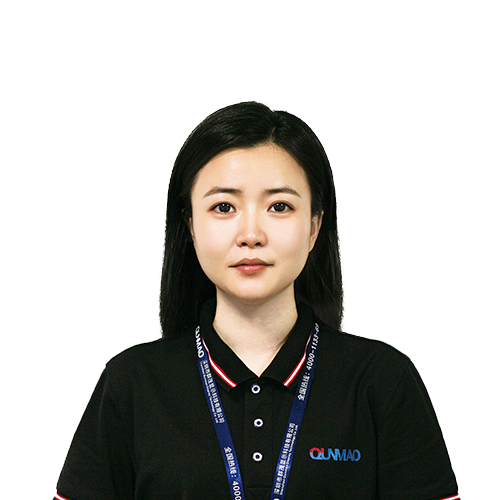
CEO | Experto en soluciones interactivas de visualización y colaboración
Soy el fundador de Qtenboard y aporto más de 17 años de experiencia práctica a la industria de las pantallas táctiles. Basándome en la perspectiva de gestión global obtenida a través de mis estudios de EMBA en la Universidad de ShenZhen, dirijo a mi equipo en la optimización de cada etapa de nuestras operaciones, desde la definición del producto hasta la gestión de la cadena de suministro de alta eficiencia, asegurando que nuestras capacidades de fabricación permanezcan a la vanguardia de la industria.
Como el líder de Qtenboard, me especializo en el abastecimiento de las soluciones adaptadas de OEM/ODM para los whiteboards interactivos, las paredes video del LCD, la señalización digital, y los terminales del tacto del industrial-grado. Con el respaldo de nuestro moderno parque industrial de 330.000 m² en Shenzhen, mantenemos el control del ciclo de vida completo sobre el diseño industrial, la fabricación de precisión y las rigurosas pruebas de rendimiento.
Con casi dos décadas de experiencia en proyectos, las soluciones de visualización de Qtenboard ahora se implementan en más de 120 países y regiones, y se ganaron la confianza de más de 15.000 clientes empresariales en todo el mundo. Si está buscando un socio receptivo con una base de fabricación profunda para sus proyectos personalizados de pantallas táctiles, mi equipo y yo estamos listos para respaldar su visión con excelencia profesional.
 spa
spa
 EN
EN  pt
pt  th
th  vie
vie  aze
aze  bel
bel  est
est  lav
lav  ukr
ukr  ru
ru