ศัพท์จัดหาการตลาดในอุตสาหกรรมมักบดบังแนวคิดเหล่านี้โดยเฉพาะอย่างยิ่งกับโปรโมชั่นจากแบรนด์ที่มีชื่อเสียงเช่น Huawei และ PROMETHEAN ทำให้ผู้ซื้อสับสนเรื่อง "ความแข็งแกร่งของแบรนด์" กับ "ความแข็งแกร่งในการผลิต" ได้ง่ายให้แนวคิดหลักชี้แจงก่อน:
ในอุตสาหกรรมจอแบนแบบโต้ตอบ (IFP) มูลค่าหลักของ "แบรนด์" อยู่ใน "การรับรองความไว้วางใจบูรณาการทางนิเวศวิทยา" ไม่ใช่ "การผลิต"
สำหรับ Huawei ifps เป็นส่วนหนึ่งของ "ระบบนิเวศสำนักงานอัจฉริยะ" และความสามารถหลักของแบรนด์คือ:
ในฐานะแบรนด์ต่างประเทศทำให้การแข่งขันหลักของ PROMETHEAN มุ่งเน้นไปที่:
แต่ทั้งสองมีลักษณะเฉพาะ: พวกเขาไม่มีสายการผลิต IFP ของตัวเอง และพึ่งพาโรงงาน oem/odm สำหรับการผลิตเครื่องที่สมบูรณ์
ขอบเขตความสามารถของแบรนด์ดังกล่าวมีความชัดเจน: พวกเขา Excel ในด้านการตลาดการจัดการช่องทางและการรวมระบบนิเวศแต่ไม่ได้มีส่วนร่วมโดยตรงในเมนบอร์ด R & D, การออกแบบโครงสร้าง, การจัดตารางเวลาการผลิตหรือการควบคุมคุณภาพ-นี่ไม่ถูกต้องหรือไม่ถูกต้องแต่เป็นทางเลือกของรูปแบบธุรกิจ
ซึ่งแตกต่างจากรุ่น "แสงสินทรัพย์" ของแบรนด์โรงงานของแท้หมายถึง "การควบคุมแบบเต็มรูปแบบการลงทุนหนัก":
ในอุตสาหกรรม IFP โรงงานมักจะซ่อนอยู่เบื้องหลังแบรนด์เช่น Huawei และ PROMETHEAN ตัวอย่างเช่น ifps ของ Huawei ผลิตขึ้นจริงโดยโรงงานอุปกรณ์แสดงผลชั้นนำในประเทศผลิตภัณฑ์หลักของ S ยังพึ่งพาโรงงาน ODM ในสามเหลี่ยมปากแม่น้ำแยงซีและสามเหลี่ยมปากแม่น้ำเพิร์ลสำหรับการผลิต
ผู้บริโภคเห็นโลโก้แบรนด์แต่เป็นโรงงานเบื้องหลังที่กำหนดเสถียรภาพของผลิตภัณฑ์ความสอดคล้องของชุดและความเร็วในการตอบสนองหลังการขาย
หลายคนเชื่ออย่างเข้าใจผิดว่า "OEM = ขาดเทคโนโลยี" แต่ในอุตสาหกรรม IFP ความจริงตรงกับสิ่งที่ตรงกันข้าม:
ความแตกต่างหลักไม่ใช่ "ว่าจะใช้ OEM" แต่:
👉ใครควบคุมทรัพยากรหลัก (หน้าจอเมนบอร์ดมาตรฐานการควบคุมคุณภาพ)?
👉ใครสามารถนำการทำซ้ำผลิตภัณฑ์และความต้องการที่กำหนดเองได้?
เราใช้ตารางเพื่อนำเสนอความแตกต่างหลักระหว่างแบรนด์ประเภทต่างๆอย่างสังหรณ์ใจช่วยให้คุณเข้าใจข้อมูลสำคัญได้อย่างรวดเร็ว:
| มิติข้อมูลเปรียบเทียบ | Huawei, PROMETHEAN (แบรนด์ไม่มีโรงงานของตัวเอง) | Qtenboard (แบรนด์จากโรงงาน) |
|---|---|---|
| โรงงานและสายการผลิต | ไม่มีสายการผลิตของตัวเองพึ่งพาโรงงาน OEM/ODM ของบุคคลที่สาม | ของตัวเอง3สายการผลิต SMT 2สายการประกอบเครื่องที่สมบูรณ์กำลังการผลิตประจำปี500,000หน่วย |
| การควบคุมโซ่อุปทาน | ส่วนประกอบหลักเช่นหน้าจอและเมนบอร์ดถูกเลือกโดยโรงงาน OEM แบรนด์จะดำเนินการยอมรับขั้นสุดท้ายเท่านั้น | ลงนามในข้อตกลงระยะยาวโดยตรงกับ BOE และ LG Display การควบคุมส่วนประกอบหลักอย่างอิสระ100% แต่ละชุดตรวจสอบย้อนกลับได้ |
| ความสามารถในการจัดส่งจำนวนมาก | พึ่งพาการจัดตารางเวลาของโรงงาน OEM รอบการจัดส่งสำหรับคำสั่งซื้อขนาดใหญ่ (500หน่วย) ผันผวนตาม ± 10วัน | การจัดตารางเวลาที่ยืดหยุ่นของสายการผลิตของตัวเองรอบการจัดส่งที่มั่นคง15วันสำหรับคำสั่งซื้อ500หน่วยอัตราผลผลิต ≥ 99.8% |
| รองรับการปรับแต่ง | ต้องเชื่อมต่อกับโรงงาน OEM ผ่านแบรนด์รอบการดัดแปลงที่ยาวนาน (โดยเฉลี่ย20วัน) รองรับการปรับฟังก์ชั่นเพียงเล็กน้อยเท่านั้น | เชื่อมต่อโดยตรงกับทีมผลิต R & D, การปรับอินเทอร์เฟซการสนับสนุนการปรับแต่งซอฟต์แวร์และการปรับเปลี่ยนลักษณะที่ปรากฏ, รอบการตอบสนอง ≤ 7วัน |
| รับประกันหลังการขาย | แบรนด์มีหน้าที่เชื่อมต่อโรงงาน OEM จัดหาอะไหล่เวลาตอบสนองเฉลี่ยสำหรับการซ่อมแซมข้อผิดพลาดคือ48ชั่วโมง | การผลิตอิสระของส่วนประกอบหลัก, สินค้าคงคลังอะไหล่ที่เพียงพอ, การตอบสนองการซ่อมแซม ≤ 12ชั่วโมง, สนับสนุนการเปลี่ยนอย่างรวดเร็วในสถานที่ |
| ความสม่ำเสมอของผลิตภัณฑ์ | โรงงาน OEM อาจแทนที่ซัพพลายเออร์หน้าจอและเมนบอร์ดอาจแตกต่างกันระหว่างแบทช์ | ระบบการควบคุมคุณภาพของตัวเอง, 12การตรวจสอบจากคลังสินค้าส่วนประกอบเพื่อส่งมอบผลิตภัณฑ์สำเร็จรูป, ความสอดคล้องของชุด ≥ 99.5% |
| ข้อได้เปรียบหลัก | การรับรู้ของแบรนด์สูงความสามารถในการรวมระบบนิเวศที่แข็งแกร่งเหมาะสำหรับสถานการณ์ที่มูลค่าการรับรองแบรนด์ | กำลังการผลิตที่แข็งแกร่งการจัดส่งที่มั่นคงเหมาะสำหรับการจัดซื้อจำนวนมากความร่วมมือระยะยาวและสถานการณ์ความต้องการที่กำหนดเอง |
| ภาษาการตลาดทั่วไป | "อิสระ R & D", "เต็มสถานการณ์ระบบนิเวศสมาร์ท", "การรับรองคุณภาพระดับสากล" | "สายการผลิตของตัวเอง", "การควบคุมห่วงโซ่อุปทานโดยตรง", "การรับประกันความสอดคล้องจำนวนมาก" |
เพื่อให้เข้าใจ "Brand produfactory" เป็นสิ่งสำคัญที่จะตระหนักว่าคุณค่าหลักของ IFP ไม่เคยอยู่ใน "โลโก้", แต่ในการเชื่อมโยงที่สำคัญของการเชื่อมโยงห่วงโซ่อุปทานที่แบรนด์เช่น Huawei และ PROMETHEAN ไม่สามารถควบคุมได้โดยตรง
แกนหลักของ IFP คือ "Display" และคุณภาพของหน้าจอจะกำหนดประสบการณ์ผู้ใช้โดยตรง Huawei และ PROMETHEAN ทั้งสองส่งเสริม "การนำหน้าจอ lg/boe ระดับไฮเอนด์" แต่สถานการณ์จริงคือ:
แบรนด์จากโรงงานเช่น qtenboard ลงนามข้อตกลงการจัดซื้อประจำปีโดยตรงกับจอแสดงผล LG และ BOE เพื่อล็อคทรัพยากรหน้าจอที่มีเสถียรภาพหน้าจอแต่ละชุดได้รับความสว่างช่วงสีและการทดสอบพิกเซลที่ตายแล้วก่อนคลังสินค้าเพื่อให้แน่ใจว่าผลการแสดงผลที่สอดคล้องกันของผลิตภัณฑ์ที่จัดส่งจำนวนมาก-นี่คือสิ่งที่ "แบรนด์ด้านข้าง" ไม่สามารถบรรลุ, เนื่องจากพวกเขาไม่ได้เชื่อมต่อโดยตรงกับซัพพลายเออร์หน้าจอ
เมนบอร์ดคือ "สมอง" ของ IFP และการเลือก (เช่น9679 T982) กำหนดความเสถียรของระบบโดยตรงความสามารถในการปรับขนาดฟังก์ชัน Ai และวงจรชีวิตผลิตภัณฑ์
Huawei และ PROMETHEAN "เลือกโซลูชัน Off-The-shelf": พวกเขาเลือกหนึ่งจากโซลูชันเมนบอร์ดที่ให้โดยโรงงาน OEM และปรับให้เข้ากับระบบของตัวเอง g., huawei harmonyos) แต่เป็นการยากที่จะปรับแต่งในเชิงลึกเช่นหากลูกค้าต้องการเพิ่มอินเทอร์เฟซเฉพาะหรือตัดฟังก์ชันซ้ำซ้อนแบรนด์ต้องสื่อสารกับโรงงาน OEM ก่อนส่งผลให้มีการเชื่อมโยงกลางหลายและการตอบสนองช้า
ในฐานะแบรนด์ที่เป็นโรงงาน qtenboard มีส่วนร่วมอย่างมากในโซลูชันเมนบอร์ด R & D:
ที่นี่'s กรณีจริง: หลังจากสถาบันการศึกษาซื้อหัวเว่ย IFS, มันหวังว่าจะเพิ่มฟังก์ชั่นของ "การจัดเก็บข้อมูลท้องถิ่นของข้อมูลปฏิสัมพันธ์ในห้องเรียน", แต่ Huawei จำเป็นต้องเชื่อมต่อกับโรงงาน OEM เพื่อปรับเปลี่ยนโซลูชันเมนบอร์ดซึ่งใช้เวลา35วันในการใช้สถาบันอื่นที่ซื้อจาก qtenboard ตอบสนองความต้องการเดียวกันใน7วันด้วยการปรับและทดสอบเมนบอร์ด
ความหนาของกรอบ, เส้นทางการกระจายความร้อน, รูปแบบไมโครโฟน, ตำแหน่งอินเตอร์เฟซ-รายละเอียดที่ดูเหมือนไม่มีนัยสำคัญเหล่านี้ส่งผลโดยตรงต่ออายุการใช้งานและประสบการณ์การใช้งานของผลิตภัณฑ์และอำนาจการตัดสินใจของพวกเขาอยู่กับโรงงาน, ไม่ใช่ยี่ห้อนี้
การออกแบบโครงสร้างของ Huawei และ PROMETHEAN ifps เสร็จสมบูรณ์โดยโรงงาน OEM และแบรนด์จะนำเสนอคำแนะนำการปรับเปลี่ยนจากมุมมองของ "สุนทรียศาสตร์ลักษณะ", ไม่ค่อยมีส่วนร่วมในการกระจายความร้อนหลักและการออกแบบการป้องกัน:
การออกแบบโครงสร้างของ qtenboard ขึ้นอยู่กับประสบการณ์การผลิตมากกว่า10ปีและทุกรายละเอียดได้รับการตรวจสอบผ่านการทดสอบจริง:
รายละเอียดเหล่านี้มองไม่เห็นทีมการตลาดของแบรนด์และวิศวกรของโรงงานเท่านั้นที่สามารถควบคุมได้
ไม่ต้องสงสัยเลยว่า Huawei และ PROMETHEAN มีการรับรองแบรนด์ที่น่าสนใจและข้อดีทางนิเวศวิทยาแต่ในการจัดซื้อและการใช้งานจริงข้อบกพร่องของ "ไม่มีโรงงานของตัวเอง" จะค่อยๆโผล่ออกมา:
องค์กรซื้อ300 Huawei ifps พร้อมรอบการจัดส่งที่หดตัว20วันแต่ใกล้วันที่จัดส่ง Huawei แจ้งว่า "โรงงาน OEM & #039; สายการผลิตของ S แน่นและการจัดส่งต้องล่าช้าไป10วัน" เมื่อองค์กรถามถึงเหตุผลได้เรียนรู้ว่าโรงงาน OEM จัดลำดับความสำคัญของคำสั่งซื้อแบรนด์ของตัวเองและใส่ Huawei คำสั่งซื้อที่ด้านหลัง-แบรนด์ไม่สามารถเข้าไปแทรกแซงโดยตรงในการจัดตารางเวลาการผลิตของโรงงาน OEM และสามารถยอมรับความล่าช้าได้เท่านั้น
เมื่อ qtenboard ได้รับคำสั่งซื้อที่คล้ายกันจะปรับการจัดตารางเวลาในสายการผลิตของตัวเองโดยตรงเพื่อให้แน่ใจว่าการจัดส่งในวันที่หดตัวและยังสามารถจัดส่งล่วงหน้าตามความต้องการของลูกค้า
เมื่อโรงเรียนซื้อ PROMETHEAN ifps, มันต้อง "การเพิ่มจำนวนของอินเตอร์เฟซ USB-C เพื่อปรับให้เข้ากับนักเรียนแท็บเล็ตชาร์จ", และพนักงานขายสัญญาว่า "การปรับแต่งเป็นไปได้" ในจุดแต่ในการสื่อสารที่ตามมา PROMETHEAN จำเป็นต้องเชื่อมต่อกับโรงงาน OEM เพื่อปรับเปลี่ยนการออกแบบโครงสร้างและโรงงาน OEM ปฏิเสธในบริเวณ "ขนาดชุดเล็กและค่าใช้จ่ายสูง" ในที่สุดโรงเรียนก็ต้องละทิ้งคำมั่นสัญญาของแบรนด์ตามความต้องการที่กำหนดเองมักจะอยู่ภายใต้ความเต็มใจในการผลิตของโรงงาน OEM
Huawei IFP ของบริษัทมีหน้าจอขัดข้องหลังจากติดต่อบริการหลังการขาย Huawei จำเป็นต้องใช้อะไหล่หน้าจอจากโรงงาน OEM ก่อนและโรงงาน OEM ต้องซื้อจากผู้จัดจำหน่ายหน้าจอใช้เวลา28วันในการซ่อมให้เสร็จสำหรับแบรนด์ที่ใช้โรงงานส่วนประกอบหลักอยู่ในสต็อกและการซ่อมแซมและการเปลี่ยนสามารถทำได้ภายใน1-3วัน
จุดปวดเหล่านี้ไม่ใช่เพราะ Huawei และ PROMETHEAN "ไม่ต้องการแก้ปัญหา" แต่เพราะพวกเขา "ไม่สามารถแก้ปัญหาได้"-พวกเขาไม่ได้ควบคุมการสิ้นสุดการผลิต, ดังนั้นจึงเป็นเรื่องยากที่จะนำไปสู่กระบวนการทั้งหมดของการจัดส่งการปรับแต่งและบริการหลังการขาย
เมื่อคุณเลือกซัพพลายเออร์ที่มี "แบรนด์โรงงาน" แบบบูรณาการคุณจะไม่ได้รับเพียง "IFP" แต่รับประกันความแน่นอนเต็มรูปแบบ-สิ่งที่แบรนด์เช่น Huawei และ PROMETHEAN ไม่สามารถให้:
สำหรับลูกค้าเช่นรัฐบาลสถาบันการศึกษาและวิสาหกิจขนาดใหญ่ที่ต้องการการจัดซื้อจำนวนมาก "ความสอดคล้องของชุด" มีความสำคัญมากกว่า "คุณภาพหน่วยเดียว" สายการผลิตของตัวเอง qtenboard สามารถบรรลุ:
สถานการณ์การจัดซื้อจำนวนมากต้องใช้ "การปรับตัวส่วนบุคคล" เช่นโรงเรียนที่ต้องการอินเทอร์เฟซที่กำหนดเองสำหรับการสอนและองค์กรที่ต้องการเชื่อมต่อกับระบบสำนักงานภายในทีม R & D ของ qtenboard ตั้งอยู่ในโรงงานและสามารถเชื่อมต่อกับความต้องการของลูกค้าได้โดยตรง:
อายุการใช้งานของ ifps มักจะ5-8ปีและความร่วมมือระยะยาวต้องมีอุปทานที่มั่นคงและการสนับสนุนการอัพเกรดในฐานะแบรนด์โรงงาน qtenboard:
เราได้แยกภาษาการตลาดทั่วไปในอุตสาหกรรมไม่ใช่ "เปิดเผยการอำพราง" แต่เพื่อชี้แจงตรรกะที่แท้จริงที่อยู่เบื้องหลังแบรนด์ที่แตกต่างกันของภาษามีข้อดีหลักที่แตกต่างกันและโฟกัสของภาษาก็จะแตกต่างกันไปกุญแจสำคัญคือการเข้าใจขอบเขตความสามารถของพวกเขา:
การชี้แจงวัตถุประสงค์: ข้อได้เปรียบหลักของ Huawei อยู่ในการรวมระบบนิเวศแบบเต็มสถานการณ์ g., harmonyos การเชื่อมโยงหลายอุปกรณ์) และ "อิสระ R & D" ส่วนใหญ่หมายถึงการปรับตัวทางนิเวศวิทยาการเพิ่มประสิทธิภาพซอฟต์แวร์และด้านอื่นๆการผลิตฮาร์ดแวร์ของ Ifs เสร็จสมบูรณ์โดยโรงงาน ODM มืออาชีพ; "เทคโนโลยีหลัก" ที่เรียกว่ามุ่งเน้นไปที่เทคโนโลยีการทำงานร่วมกันทางนิเวศวิทยาไม่ใช่การผลิตและการผลิตฮาร์ดแวร์เช่นเมนบอร์ดและหน้าจอ
การชี้แจงวัตถุประสงค์: หลัก "คุณภาพระดับสากล" ของ PROMETHEAN เกิดจากมาตรฐานการออกแบบการรับรองคุณภาพและประสบการณ์การปรับตัวสถานการณ์การศึกษาสำหรับตลาดต่างประเทศการผลิตฮาร์ดแวร์ขึ้นอยู่กับโรงงานอุปกรณ์แสดงผลในประเทศที่เป็นผู้ใหญ่และ "การควบคุมคุณภาพโรงงานเดิม" ส่วนใหญ่หมายถึงมาตรฐานการยอมรับขั้นสุดท้ายของแบรนด์สำหรับผลิตภัณฑ์แทนที่จะมีโรงงานผลิตของตัวเอง
คำอธิบายเชิงวัตถุประสงค์: ประโยคนี้จำเป็นต้องทำความเข้าใจร่วมกับโมเดลของแบรนด์—หากแบรนด์ไม่มีสายการผลิตเป็นของตนเอง “การจัดหาโดยตรง” แท้จริงแล้วคือ “แบรนด์เชื่อมโยงกับโรงงาน OEM แล้วส่งสินค้าให้แก่ลูกค้าโดยตรง” โดยที่แบรนด์ทำหน้าที่เป็นผู้กระจายสินค้าในช่องทางนั้นเฉพาะแบรนด์ที่มีสายการผลิตของตนเองเช่น Qtenboard เท่านั้นจึงจะสามารถดำเนินการ “ส่งตรงจากโรงงานถึงลูกค้า” ได้อย่างแท้จริงโดยความแตกต่างสำคัญอยู่ที่ว่าฝั่งการผลิตนั้นอยู่ภายใต้การควบคุมหรือไม่
ไม่นะครับหากความต้องการหลักของคุณคือ "การรับรองแบรนด์" (e. g., โครงการของรัฐบาลสถานการณ์การแสดงผลภายนอก) และคุณไม่จำเป็นต้องปรับแต่งจำนวนมากหรือมีความต้องการต่ำสำหรับรอบการจัดส่ง huawei และ PROMETHEAN เป็นตัวเลือกที่เหมาะสม-การรับรู้ของแบรนด์และความสามารถในการรวมระบบนิเวศสามารถช่วยลดต้นทุนการสื่อสารสำหรับการเชื่อมต่อโครงการอย่างไรก็ตามสำหรับการจัดซื้อจำนวนมากความต้องการที่กำหนดเองหรือความร่วมมือระยะยาวแบรนด์ที่ใช้โรงงานมีข้อดีที่ชัดเจนมากขึ้น
สามคำถามหลักจะบอกคุณ:
ไม่จำเป็นเสมอไปขึ้นอยู่กับความแข็งแรงของโรงงาน OEM และมาตรฐานการควบคุมคุณภาพของแบรนด์แต่ความแตกต่างหลักคือ "ความเสถียร": Huawei และ PROMETHEAN อาจพบโรงงาน OEM คุณภาพสูงเพื่อผลิตชุดผลิตภัณฑ์คุณภาพสูงแต่ชุดต่อไปอาจเปลี่ยนโรงงานเนื่องจากค่าใช้จ่ายหรือการจัดตารางเวลาที่นำไปสู่ความผันผวนของคุณภาพแบรนด์ที่ใช้โรงงานมีสายการผลิตคงที่และมาตรฐานการควบคุมคุณภาพที่มีเสถียรภาพคุณภาพรับประกันมากขึ้น
ในทางตรงกันข้ามมันคุ้มค่ามากขึ้นเนื่องจากแบรนด์ที่ใช้จากโรงงานไม่มีลิงค์ระดับพรีเมียมหรือระดับกลางของแบรนด์ผลิตภัณฑ์ที่มีการกำหนดค่าเดียวกันจึงต่ำกว่า Huawei และ PROMETHEAN 10%-15% เห็นได้ชัดว่าข้อได้เปรียบด้านราคา-ส่วนลดจำนวนมากของ Huawei และ PROMETHEAN ถูกจำกัดโดยต้นทุนโรงงาน OEM, ในขณะที่แบรนด์จากโรงงานสามารถปรับกำไรกำไรได้อย่างอิสระเพื่อให้ใบเสนอราคาที่ยืดหยุ่นมากขึ้นสำหรับลูกค้า
ความสำเร็จของแบรนด์เช่น Huawei และ PROMETHEAN อยู่ในการสร้างการรับรู้แบรนด์ที่แข็งแกร่งและข้อดีทางนิเวศวิทยาแต่เป็น "ผลิตภัณฑ์ฮาร์ดแวร์" มูลค่าหลักของ ibps จะถูกกำหนดโดยจุดสิ้นสุดการผลิตในที่สุด
แบรนด์สามารถให้ "ใบหน้า" แก่คุณ (การรับรองแบรนด์) แต่โรงงานสามารถให้ "สาร" แก่คุณได้ (คุณภาพคงที่การจัดส่งที่ควบคุมได้การปรับแต่งที่ยืดหยุ่น)
เมื่อ procuring ให้หยุดมุ่งเน้นเฉพาะการรับรู้ของแบรนด์และถามเพิ่มเติมเกี่ยวกับ "Where The Factory IS" "ใครจัดหาส่วนประกอบหลัก" และ "สามารถรับประกันการจัดส่งจำนวนมาก"-คำตอบสำหรับคำถามเหล่านี้มีความสำคัญมากกว่าคำส่งเสริมการขายแฟนซี
หากความต้องการของคุณคือ: การจัดซื้อจำนวนมากความร่วมมือระยะยาวความต้องการที่กำหนดเองหรือเน้นความเสถียรในการจัดส่ง "แบรนด์จากโรงงาน" เป็นทางเลือกที่ปลอดภัยและยั่งยืนมากขึ้นหากเป็นการจัดซื้อชุดเล็กเท่านั้นและมีมูลค่าการรับรองแบรนด์แบรนด์เช่น Huawei และ PROMETHEAN ก็คุ้มค่ากับการพิจารณา
มีหลักการหลักเพียงอย่างเดียว: แบรนด์เป็นโบนัสในขณะที่โรงงานเป็นหินบัลลาสต์.การทำความเข้าใจสาระสำคัญของห่วงโซ่อุปทานสามารถช่วยให้คุณหลีกเลี่ยงข้อผิดพลาดในการจัดซื้อ
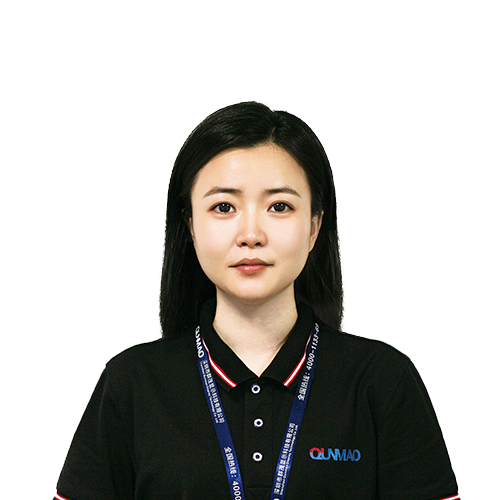
ซีอีโอ | ผู้เชี่ยวชาญด้านโซลูชันการแสดงผลแบบโต้ตอบและการทำงานร่วมกัน
ฉันเป็นผู้ก่อตั้ง qtenboard นำความเชี่ยวชาญด้านการลงมือปฏิบัติมากกว่า17ปีมาสู่อุตสาหกรรมการแสดงผลแบบสัมผัสจากมุมมองการจัดการทั่วโลกที่ได้รับจากการศึกษา EMBA ของฉันที่มหาวิทยาลัยเซินเจิ้นฉันนำทีมของฉันในการเพิ่มประสิทธิภาพทุกขั้นตอนของการดำเนินงานของเรา-จากความละเอียดของผลิตภัณฑ์ที่มีประสิทธิภาพสูงการจัดการห่วงโซ่อุปทาน-มั่นใจความสามารถในการผลิตของเรายังคงอยู่ในระดับแนวหน้าของอุตสาหกรรม
ในฐานะผู้นำของ qtenboard ฉันเชี่ยวชาญในการให้บริการโซลูชั่น oem/odm ที่ปรับแต่งสำหรับกระดานไวท์บอร์ดแบบโต้ตอบผนังวิดีโอ LCD ป้ายดิจิตอลและเทอร์มินัลสัมผัสระดับอุตสาหกรรมสนับสนุนโดย330,000ตารางเมตรสวนอุตสาหกรรมที่ทันสมัยของเราในเซินเจิ้น, เรารักษาเต็ม Lifecycle ควบคุมการออกแบบอุตสาหกรรม, การผลิตที่มีความแม่นยำ, และการทดสอบประสิทธิภาพที่เข้มงวด.
ด้วยประสบการณ์โครงการเกือบสองทศวรรษโซลูชันการแสดงผลของ qtenboard จึงถูกนำไปใช้ในกว่า120ประเทศและภูมิภาคได้รับความไว้วางใจจากลูกค้าระดับองค์กรมากกว่า15,000รายทั่วโลกหากคุณกำลังมองหาพันธมิตรที่ตอบสนองต่อการผลิตที่ลึกซึ้งสำหรับโครงการแสดงผลแบบสัมผัสที่กำหนดเองของคุณทีมของฉันและฉันพร้อมที่จะสนับสนุนวิสัยทัศน์ของคุณด้วยความเป็นเลิศระดับมืออาชีพ

 th
th
 EN
EN  pt
pt  spa
spa  vie
vie  aze
aze  bel
bel  est
est  lav
lav  ukr
ukr  ru
ru