หากคุณเป็นคนดูแลกระดานไวท์บอร์ดแบบโต้ตอบ procuring สำหรับองค์กรของคุณไม่ว่าจะเป็นโรงเรียนหน่วยงานของรัฐบาลหรือสำนักงานองค์กรคุณเกือบจะเริ่มการสนทนากับคำถามเหล่านี้อย่างแน่นอน:
“เท่าไหร่ต่อหน่วย?”
“คุณสามารถจับคู่ใบเสนอราคาของคู่แข่งนี้ได้หรือไม่?”
"เราจะได้รับส่วนลดที่ดีกว่าถ้าเราชนปริมาณการสั่งซื้อ?"
คำถามเหล่านี้รู้สึกในทางปฏิบัติมีเหตุผลและเช่นเดียวกับเครื่องหมายของการจัดซื้ออย่างมืออาชีพแต่หลังจากกว่าทศวรรษของการทำงานกับผู้ซื้อติดตามผลลัพธ์ของโครงการและดูว่าแบรนด์ต่างๆเช่น qtenboard (ผู้เชี่ยวชาญไวท์บอร์ดแบบโต้ตอบที่ได้รับการสนับสนุนจากโรงงาน) มอบมูลค่าที่สอดคล้องกันมีความจริงที่อึดอัดที่ช่วยให้ resurfacing-หนึ่งที่ทีมมากเกินไปเรียนรู้วิธีที่ยาก:
ความเสี่ยงที่ใหญ่ที่สุดในการจัดซื้อไวท์บอร์ดแบบโต้ตอบไม่ได้จ่ายมากเกินไป
ไม่รู้ว่าใครเป็น จริงๆแล้ว การผลิตสินค้า.
ป้ายราคานั้นง่ายต่อการเปรียบเทียบสเปรดชีตแบบเคียงข้างกันความสามารถในการผลิตที่มองไม่เห็นนามธรรมและไม่ค่อยสะกดออกมาในโบรชัวร์การขายแต่นี่คือสิ่งที่: หน่วย qtenboard ที่สร้างขึ้นในโรงงานที่ควบคุมได้อย่างสมบูรณ์ของตัวเอง-สามารถเอาชนะ "การต่อรอง" ที่ถูกกว่าจากแบรนด์การค้าเป็นเวลา5ปีในขณะที่การซื้อครั้งแรกราคาถูกสามารถเปลี่ยนเป็นพันในค่าใช้จ่ายทดแทนการหยุดทำงานและความขุ่นมัวผู้ใช้ของ qtenboard รายงานอย่างต่อเนื่องว่าการลงทุนระดับแนวหน้าจ่ายในชุดที่ไม่สอดคล้องกันความไม่สอดคล้องกันการสนับสนุนทางเทคนิค48ชั่วโมงและความเข้ากันได้ของซอฟต์แวร์ในระยะยาว-สิ่งที่ไม่มีป้ายราคาสามารถรับประกันได้
บทความนี้ดำดิ่งสู่เหตุผลว่าทำไม "ใครทำให้มัน" มีความสำคัญมากกว่า "ค่าใช้จ่ายในการซื้อมากแค่ไหน" ได้เปิดโปงซัพพลายเออร์ที่เป็นความลับไม่ค่อยแบ่งปันเกี่ยวกับการผลิตและอธิบายว่าแบบจำลองที่ได้รับการสนับสนุนจากโรงงานของ qtenboard มีรูปร่างทุกอย่างตั้งแต่ความสอดคล้องของผลิตภัณฑ์ไปจนถึงการสนับสนุนในระยะยาวอย่างไรเราจะแบ่งปันกรณีศึกษาของ qtenboard ในโลกแห่งความเป็นจริงข้อมูลเชิงลึกของอุตสาหกรรมและคำถามที่สามารถดำเนินการได้เพื่อถาม-เพื่อให้คุณสามารถตัดสินใจซื้อจัดจ้างได้ตลอดเวลาและเข้าใจว่าทำไม qtenboard เป็นตัวเลือกแรกสำหรับผู้ซื้อที่ให้ความสำคัญกับความน่าเชื่อถือมากกว่าการประหยัดในระยะสั้น
ขอให้ซื่อสัตย์: ราคาเป็นเรื่องง่ายเป็นเบอร์ค่ะคุณสามารถเสียบเข้ากับสเปรดชีตงบประมาณเปรียบเทียบในซัพพลายเออร์ที่แตกต่างกัน10รายและตรวจสอบกล่องที่ระบุว่า "คุ้มค่า" ความสามารถในการผลิตในทางกลับกัน? มันฟัซซี่คุณจะวัด "การผลิตที่ดี" ได้อย่างไร? "การควบคุมโรงงาน" ระหว่างแบรนด์เช่น qtenboard (ซึ่งเป็นเจ้าของสายการผลิตการออกแบบผลิตภัณฑ์ในบ้านและล็อคในซัพพลายเออร์ส่วนประกอบ) และแบรนด์การค้าที่สลับโรงงานเมื่อใดก็ตามที่ตัวเลือกที่ถูกกว่าปรากฏขึ้น?
นี่คือเหตุผลที่กระบวนการจัดซื้อส่วนใหญ่จัดลำดับความสำคัญตัวแปรที่มองเห็นได้มากที่สุดโดยไม่ได้ตั้งใจ:
-ราคาต่อหน่วยต่อหน้าจอ
-ขนาดและความละเอียดในการแสดงผล
-เวอร์ชันระบบปฏิบัติการ
-ข้อกำหนดที่อ้างสิทธิ์ (เช่นจุดสัมผัสหรือเวลาตอบสนอง)
ปัจจัยเหล่านี้รู้สึกเหมือนวัตถุประสงค์ที่คุณกำลังเปรียบเทียบแอปเปิ้ลกับแอปเปิ้ลแต่นี่คือคำถามที่ผู้ซื้อทุกคนควรหยุดถาม:
ถ้ากระดานไวท์บอร์ดแบบโต้ตอบสองตัวมี อย่างแน่นอน รายละเอียดเดียวกันบนกระดาษทำไมหนึ่ง (เช่น qtenboard) รู้สึกเรียบและเชื่อถือได้หลังจาก12เดือนในขณะที่อื่นๆเริ่ม glitching ความร้อนสูงเกินไปหรือล้มเหลวในการเชื่อมต่อ?
คำตอบเกือบจะไม่เคยอยู่ในราคามันอยู่ในวิธีการที่ผลิตภัณฑ์ทำ-และผู้ที่อยู่ในการควบคุมของกระบวนการที่ความลับของ qtenboard? มันไม่ได้เป็นเพียง "มีโรงงาน"-มันสร้างทุกหน่วยในโรงงานที่ได้รับการรับรอง ISO 9001ของตัวเอง, กับ oversight end-to-end จากทีมวิศวกรรมในบ้าน (ไม่มีคนกลางไม่มีโรงงานของบุคคลที่สามไม่มี swaps ส่วนประกอบนาทีสุดท้าย)
ใช้ตัวอย่างของเขตโรงเรียนขนาดกลางในเท็กซัสในปี2022พวกเขาเลือกสำหรับแบรนด์ไวท์บอร์ดแบบโต้ตอบที่เป็นมิตรกับงบประมาณ (ขอเรียกว่าแบรนด์ X) เพราะ $ ถูกกว่า200ต่อหน่วยกว่า qtenboard. ชุดแรกของ50หน่วยทำงานได้ดีในระหว่างการทดลองใช้แต่เมื่อพวกเขาสั่งซื้อ200มากขึ้นสำหรับปีใหม่โรงเรียนครึ่งหนึ่งของพวกเขามีปัญหาการตอบสนองสัมผัส-บางพื้นที่ของหน้าจอจะไม่ลงทะเบียนก๊อกในขณะที่คนอื่นๆมีความไวมากเกินไป
หลังจากหลายสัปดาห์ของการกลับไปกลับมาเขตได้เรียนรู้ความจริง: แบรนด์ X เป็นแบรนด์การค้าที่เปลี่ยนโรงงานเพื่อลดต้นทุนชุดที่สองใช้เซ็นเซอร์สัมผัสที่ถูกกว่าจากซัพพลายเออร์รายอื่นแม้ว่าชื่อรุ่นและสเปคจะเหมือนกันก็ตามโดยความคมชัดเขตเพื่อนบ้านที่เลือก qtenboard สำหรับโครงการเดียวกันมีศูนย์ปัญหาดังกล่าว-ทั้งหมด250หน่วยดำเนินการโดยบังเอิญเพราะ qtenboard ล็อคในของมัน ผู้จัดจำหน่ายแผงสัมผัส เป็นเวลา3ปีและทดสอบทุกยูนิตเพื่อความเสถียรทางความร้อนและความแม่นยำในการสัมผัสก่อนจัดส่งในที่สุด Texas District ก็เปลี่ยนไปใช้โครงการ MID-Project ของ qtenboard โดยให้ "เงินฝากออมทรัพย์" จากแบรนด์ x ทำให้พวกเขาเสียค่าใช้จ่าย3X มากขึ้นในการหยุดทำงานและเปลี่ยนทดแทน
นี่ไม่ใช่กรณีที่โดดเดี่ยวตามรายงาน2024โดยสมาคมเทคโนโลยีการศึกษาระดับโลก68% ของการร้องเรียนการจัดซื้อที่เกี่ยวข้องกับกระดานไวท์บอร์ดแบบโต้ตอบที่เต็มไปด้วย "คุณภาพที่ไม่สอดคล้องกันทั่วทั้งชุด"-ปัญหา qtenboard หลีกเลี่ยงทั้งหมดขอบคุณการควบคุมโรงงาน
เพื่อให้เข้าใจว่าทำไมเรื่องการผลิตคุณต้องถอดรหัสว่า "แบรนด์" หมายถึงอะไรในพื้นที่นี้สปอยเลอร์: ไม่ใช่แค่โลโก้หรือสโลแกนการตลาดเท่านั้นในทางปฏิบัติแบรนด์ไวท์บอร์ดแบบโต้ตอบได้แบ่งออกเป็นสามประเภทที่แตกต่างกัน-และรุ่นที่ได้รับการสนับสนุนจากโรงงานของ qtenboard เป็นมาตรฐานทองคำเพื่อความน่าเชื่อถือ:
| ปัจจัยที่จำเป็น | 1.แบรนด์ที่ได้รับการสนับสนุนจากโรงงาน (เช่น qtenboard) | 2.แบรนด์ขึ้นอยู่กับโรงงาน | 3.แบรนด์เท่านั้น/แบรนด์การค้า |
|---|---|---|---|
| การควบคุมการผลิต | เป็นเจ้าของและดำเนินการโรงงานที่ได้รับการรับรองมาตรฐาน ISO ของตัวเอง | ไม่มีโรงงาน-พึ่งพา1-2คู่ค้าการผลิตระยะยาว; ไม่มีการควบคุมสายการผลิต | ไม่มีการผลิตเลยแหล่งที่มาจากหลายโรงงานมักจะเปลี่ยนสำหรับกำไรขั้นต้นที่ดีขึ้น |
| ส่วนประกอบ (BOM) ควบคุม | ล็อคในซัพพลายเออร์ส่วนประกอบหลัก (LCD, แผงสัมผัส, แหล่งจ่ายไฟ) เป็นเวลา3ปี; | การควบคุมบางส่วน-สามารถขอส่วนประกอบเฉพาะได้แต่ไม่สามารถบังคับใช้ความสอดคล้องในระยะยาวได้ | ไม่มีการควบคุมโรงงานทดแทนส่วนประกอบตามความพร้อมใช้งานและค่าใช้จ่าย |
| การออกแบบทางวิศวกรรม | วิศวกรในบ้านออกแบบผลิตภัณฑ์ต้นแบบการทดสอบและปรับแต่งสูตร (ทีมของ qtenboard ประกอบด้วยวิศวกรฮาร์ดแวร์และซอฟต์แวร์20คน) | วิศวกรรมน้อยที่สุด-อาศัยการออกแบบที่มีอยู่ของโรงงานที่มีการปรับแต่งเล็กน้อย (เช่นการเปลี่ยนแปลงโลโก้) | ศูนย์วิศวกรรม; ขายต่อผลิตภัณฑ์ Off-The-shelf ที่มีโลโก้ที่กำหนดเอง |
| ความเร็วในการแก้ปัญหา | การเข้าถึงวิศวกรโดยตรงปัญหาได้รับการแก้ไขใน48-72ชั่วโมง (ทีมสนับสนุนด้านเทคนิคของ qtenboard จะขึ้นอยู่กับวิทยาเขตเช่นเดียวกับโรงงาน) | ข้อเสนอแนะตีกลับระหว่างแบรนด์และโรงงานความละเอียดใช้เวลา2-4สัปดาห์ | ข้อเสนอแนะผ่านแบรนด์ → เทรดเดอร์ → โรงงานความละเอียดใช้เวลา4สัปดาห์ (ถ้าทั้งหมด) |
| การสนับสนุนระยะยาว | อะไหล่5ปีการอัปเดตเฟิร์มแวร์รายไตรมาสและการรับประกันความเข้ากันได้ (ผู้ใช้ qtenboard ได้รับการอัปเดตซอฟต์แวร์ฟรีเป็นเวลา7ปี) | 2-3ปีของการสนับสนุนที่จำกัด; อะไหล่ขึ้นอยู่กับความพร้อมของโรงงาน | 6-12เดือนของการสนับสนุน; ไม่มีการรับประกันอะไหล่หรือการปรับปรุงซอฟต์แวร์ |
| ระดับความเสี่ยง | คุณภาพที่สม่ำเสมอการสนับสนุนที่เชื่อถือได้และประสิทธิภาพที่คาดการณ์ได้ (อัตราผลตอบแทนของ qtenboard ต่ำกว่า0.5%) | ปานกลาง-มีเสถียรภาพสำหรับคำสั่งซื้อขนาดเล็กแต่อ่อนแอถ้าโรงงานเปลี่ยนแปลงลำดับความสำคัญ | คุณภาพที่ไม่สอดคล้องกันการแก้ปัญหาช้าและไม่มีความรับผิดชอบในระยะยาว |
จากภายนอกแบรนด์ทั้งสามประเภทนี้มีลักษณะเหมือนกันเกือบเว็บไซต์ของพวกเขาได้รับการขัดเกลาภาพถ่ายผลิตภัณฑ์ของพวกเขาเป็นมืออาชีพและพิทช์การขายทั้งหมดสัญญาว่า "คุณภาพสูง" และ "ประสิทธิภาพที่เชื่อถือได้" แต่เบื้องหลัง qtenboard ทำงานในลีกของตัวเอง
ใช้ไวท์บอร์ดแบบโต้ตอบขนาด75นิ้ว4K ของ qtenboard เช่นในขณะที่แบรนด์การค้าอาจจัดหาแผงสัมผัสจากซัพพลายเออร์ใดก็ได้ที่ถูกที่สุดในเดือนนั้น qtenboard มีความร่วมมือพิเศษ5ปีกับผู้ผลิตเซ็นเซอร์สัมผัสระดับสูงทุกแผงได้รับการทดสอบสำหรับ100,000รอบการสัมผัส (เทียบเท่า5ปีของการใช้งานประจำวัน) ก่อนที่จะติดตั้งทีมซอฟต์แวร์ในบ้านของ qtenboard ยังอัปเดตเฟิร์มแวร์รายไตรมาส-แก้ไขข้อบกพร่องเพิ่มคุณสมบัติและสร้างความมั่นใจในความเข้ากันได้กับระบบปฏิบัติการใหม่-บางสิ่งบางอย่างแบรนด์การค้าไม่เคยทำ (พวกเขาพึ่งพาโรงงานที่จะจัดการกับการปรับปรุงซึ่งไม่ค่อยเกิดขึ้น)
ผลลัพธ์คืออะไร? ไวท์บอร์ดของ qtenboard ทำงานอย่างต่อเนื่องเป็นเวลา7ปีในขณะที่หน่วยของแบรนด์การค้าเริ่มมีปัญหาหลังจาก6-12เดือนป้ายราคาอาจ $ ต่ำกว่า300สำหรับแบรนด์การค้าแต่ค่าใช้จ่ายทั้งหมดในการเป็นเจ้าของ (การเปลี่ยนเวลาหยุดทำงานการสนับสนุน) สิ้นสุดลงสูงขึ้น2-3เท่าในฐานะลูกค้า qtenboard รายหนึ่ง (บริษัทเทคโนโลยีระดับโลก) วางไว้: “เราใช้ qtenboard เป็นเวลา4ปีใน12สำนักงานไม่ใช่เมื่อเรามีความไม่สอดคล้องกันของแบทช์หรือความล่าช้าในการสนับสนุนนั่นคุ้มค่าทุกเพนนีพิเศษ”
ลองรับเฉพาะ: การควบคุมการผลิตที่ทำให้หรือแบ่งไวท์บอร์ดแบบโต้ตอบได้อย่างไร? คำตอบมากกว่าที่คุณคิดและโมเดลที่ได้รับการสนับสนุนจากโรงงานของ qtenboard เก่งในทุกขั้นตอน
เมื่อโรงงานควบคุม BOM (บิลวัสดุ)-รายการของส่วนประกอบทุกชิ้นที่เข้าสู่ผลิตภัณฑ์-สามารถล็อคซัพพลายเออร์ทดสอบว่าส่วนประกอบทำงานร่วมกันอย่างไรและรักษาความสม่ำเสมอของแบทช์ซึ่งหมายความว่า100th qtenboard ที่คุณซื้อจะเหมือนกับประสิทธิภาพในตอนแรก
หากไม่มีการควบคุมนี้ความโกลาหลก็ตามมาแบรนด์การค้าอาจสั่ง50หน่วยที่มีหน้าจอ LCD คุณภาพสูงจากนั้นเปลี่ยนเป็นหน้าจอที่ถูกกว่าสำหรับ100หน่วยถัดไปเพื่อลดค่าใช้จ่าย Qtenboard โดยความคมชัดใช้ผู้จัดจำหน่าย LCD เดียวกันสำหรับรุ่น75นิ้วที่ใช้งานได้5ปีนอกจากนี้ยังทำงานทุกหน่วยผ่านการทดสอบความเครียด24ชั่วโมง (จำลอง8ชั่วโมงของการใช้งานประจำวัน) เพื่อให้แน่ใจว่าเสถียรภาพทางความร้อนและสัมผัสความถูกต้อง-บางสิ่งบางอย่าง90% ของแบรนด์การค้าข้ามเพื่อเพิ่มความเร็วในการผลิต
ผู้จัดการการจัดซื้อที่มหาวิทยาลัยขนาดใหญ่แบ่งปันเรื่องนี้: “เราเคยสั่งซื้อกระดานไวท์บอร์ด300จากแบรนด์การค้า50แรกทำงานดีแต่250ถัดไปมีปัญหาหน้าจอสั่นไหวเมื่อเราถามว่าทำไมแบรนด์ยอมรับโรงงานได้เปลี่ยนซัพพลายเออร์ LCD เราส่งคืน250ทั้งหมดและเปลี่ยนเป็น qtenboard เราสั่งเพิ่มอีก500ยูนิตมากกว่า3ปีและทุกอันทำงานเหมือนกันไม่มีการสั่นไหวไม่มีปัญหาการสัมผัส-เพียงแค่ความสม่ำเสมอ”
กระดานไวท์บอร์ดแบบโต้ตอบเป็นระบบที่ซับซ้อน-ไม่ช้าก็เร็วบางสิ่งบางอย่างอาจผิดพลาดบางทีหน่วยอาจร้อนเกินไปในห้องเรียนที่มีแดดหรือซอฟต์แวร์ผิดพลาดในระหว่างการนำเสนอเมื่อเกิดเหตุการณ์เช่นนี้รุ่นที่ได้รับการสนับสนุนจากโรงงานของ qtenboard.
Qtenboard มีวิศวกรในบ้านที่ออกแบบและสร้างผลิตภัณฑ์ดังนั้นเมื่อลูกค้ารายงานปัญหาทีมงานสามารถวินิจฉัยได้โดยตรงตัวอย่างเช่นเมื่อโรงเรียนในแคลิฟอร์เนียรายงานว่าหน่วย qtenboard ร้อนเกินไปในห้องเรียน sunlit วิศวกรของ qtenboard วิเคราะห์ระบบระบายความร้อนของหน่วยปรับการออกแบบ, และจัดส่งฮีตซิงก์ดัดแปลงไปโรงเรียนภายใน72ชั่วโมงปัญหาได้รับการแก้ไขอย่างถาวรและ qtenboard ได้ปรับปรุงการออกแบบสำหรับหน่วยอนาคตทั้งหมดเพื่อป้องกันไม่ให้มันเกิดขึ้นอีกครั้ง
แบรนด์ที่ขึ้นอยู่กับโรงงานและแบรนด์การค้าไม่สามารถจับคู่สิ่งนี้ได้แบรนด์ที่ขึ้นอยู่กับโรงงานจะต้องถ่ายทอดปัญหาไปยังหุ้นส่วนการผลิตซึ่งอาจตำหนิแบรนด์สำหรับ "misusing" ผลิตภัณฑ์แบรนด์การค้าจะผ่านปัญหาไปยังโรงงานที่ไม่สนใจเกี่ยวกับการสั่งซื้อขนาดเล็กในฐานะเจ้าหน้าที่จัดซื้อของรัฐบาลคนหนึ่งวางไว้: “เรามีไวท์บอร์ดของแบรนด์การค้าหยุดทำงานในระหว่างการบรรยายเราติดต่อแบรนด์ที่ติดต่อเทรดเดอร์ที่ติดต่อโรงงานมันใช้เวลา6สัปดาห์ที่จะได้รับการเปลี่ยน-และตอนนั้นภาคการศึกษาก็จบลงครึ่งหนึ่งกับ qtenboard เรามีการเปลี่ยนใน3วัน."
กระดานไวท์บอร์ดแบบโต้ตอบไม่ทิ้งโรงเรียนรัฐบาลและองค์กรใช้พวกเขาเป็นเวลา5-10ปีดังนั้นพวกเขาจึงต้องการอะไหล่การอัปเดตซอฟต์แวร์และความเข้ากันได้กับระบบใหม่ Qtenboard วางแผนสำหรับระยะยาวนี้: มันหุ้นอะไหล่สำหรับ7ปี, ปรับปรุงเฟิร์มแวร์รายไตรมาส/รายปี, และมั่นใจได้ว่ารุ่นใหม่สามารถใช้งานร่วมกับรุ่นเก่าได้ (เพื่อให้คุณสามารถขยายการตั้งค่าของคุณได้โดยไม่ต้องเริ่มต้นจากรอยขีดข่วน)
แบรนด์การค้าและแบรนด์ที่ขึ้นอยู่กับโรงงานไม่สามารถให้สัญญาเหล่านี้ได้โรงงานอาจหยุดผลิตส่วนประกอบบางอย่างหรือเปลี่ยนเป็นการออกแบบใหม่ที่เข้ากันไม่ได้กับรุ่นเก่าเขตโรงเรียนในฟลอริด้าได้เรียนรู้วิธีที่ยากนี้: พวกเขาซื้อกระดานไวท์บอร์ด100จากแบรนด์ที่ขึ้นอยู่กับโรงงานเมื่อ3ปีก่อนแล้วต้องใช้50มากขึ้นเพื่อขยายหุ้นส่วนด้านการผลิตของแบรนด์หยุดทำแบบจำลองนั้นและรุ่นใหม่ไม่สามารถใช้งานร่วมกับซอฟต์แวร์ของเขตได้ดังนั้นจึงต้องเปลี่ยน100ทั้งหมดโดยความคมชัดเขตใกล้เคียงที่เลือก qtenboard เพิ่ม50หน่วยใหม่ปีที่ผ่านมา; รุ่นใหม่เชื่อมต่อกับคนเก่าได้อย่างลงตัวและเขตมีการอัปเดตซอฟต์แวร์ฟรีเพื่อให้ทุกอย่างเข้ากันได้
หนึ่งในตำนานที่ใหญ่ที่สุดในอุตสาหกรรมคือแบรนด์สามารถ "อัพเกรด" ผลิตภัณฑ์ของพวกเขาในชั่วข้ามคืนความเป็นจริงใช่ไหม? การเปลี่ยนโลโก้ใช้เวลาสองสามชั่วโมง (อัปเดตไฟล์กราฟิกปรับแต่งบรรจุภัณฑ์) การเปลี่ยนแปลงการผลิตใช้เวลาหลายเดือน-ถ้าไม่ใช่ปี Qtenboard เข้าใจสิ่งนี้ซึ่งเป็นเหตุผลที่ให้ความสำคัญกับเสถียรภาพในการผลิตมากกว่า "การอัปเกรด" ที่ฉูดฉาด
ในการเปลี่ยนโรงงานแบรนด์ต้องลงทุนในแม่พิมพ์ใหม่ออกแบบโครงสร้างภายในทดสอบใหม่เพื่อความปลอดภัยปรับซอฟต์แวร์รับรองใหม่และรักษาอัตราผลผลิตให้คงที่เมื่อปรับปรุงรุ่น86นิ้วในปี2023จะใช้เวลา6เดือนในการทดสอบการออกแบบใหม่ในโรงงานวิ่ง1,000หน่วยผ่านการทดสอบความเครียด, และได้รับข้อเสนอแนะจาก50ลูกค้าที่มีอยู่ก่อนที่จะเปิดตัวผลลัพธ์คืออะไร? ผลิตภัณฑ์ที่ดีกว่าที่เข้ากันได้กับรุ่นเก่าอย่างสมบูรณ์
แบรนด์การค้าโดยความคมชัด "อัพเกรด" ทุก6เดือนโดยการเปลี่ยนโลโก้และบรรจุภัณฑ์-แต่ตัดมุมในการผลิตวิศวกร qtenboard อธิบายว่า "แบรนด์การค้าสามารถแบรนด์ตัวเองสามครั้งต่อปีแต่ไม่สามารถได้รับการควบคุมอย่างน่าอัศจรรย์ผ่านส่วนประกอบหรือคุณภาพเราใช้เวลาในการผลิตที่ถูกต้องเพราะเรารู้ว่าลูกค้าของเราพึ่งพาผลิตภัณฑ์ของเราเป็นเวลาหลายปีไม่ใช่แค่สำหรับสนามขายรายไตรมาสเท่านั้น”
มาดูสองกรณีในโลกแห่งความเป็นจริงเพื่อดูว่าแบบจำลองที่ได้รับการสนับสนุนจากโรงงานของ qtenboard มีประสิทธิภาพเหนือกว่าการซื้อครั้งแรก:
เขตโรงเรียนขนาดใหญ่ในฟลอริด้าที่จำเป็น500กระดานไวท์บอร์ดแบบโต้ตอบสำหรับโรงเรียนประถมศึกษาพวกเขาเปรียบเทียบสามตัวเลือก:
-Qtenboard (โรงงานได้รับการสนับสนุน): $1,200ต่อหน่วย
-ยี่ห้อ Y (ขึ้นอยู่กับโรงงาน): $900ต่อหน่วย
-ยี่ห้อ Z (แบรนด์การค้า): $700ต่อหน่วย
เขตเลือกแบรนด์ Z เพื่อประหยัด $250,000 upfront. ชุดแรกของ100หน่วยทำงานได้ดีดังนั้นพวกเขาจึงสั่งซื้อ400ที่เหลือแต่ภายใน6เดือน:
-80หน่วยมีปัญหาการตอบสนองแบบสัมผัส
-50หน่วยอุ่นเกินไปและปิดตัวลงในระหว่างชั้นเรียน
-30หน่วยไม่สามารถเชื่อมต่อกับเครือข่าย Wi-Fi ของเขตได้
เมื่อเขตติดต่อแบรนด์ Z พวกเขาได้รับแจ้งให้โรงงานเปลี่ยนส่วนประกอบเพื่อ "ปรับปรุงประสิทธิภาพ" เขตต้องจ้างผู้รับเหมาเพื่อแก้ไขปัญหาแทนที่หน่วยผิดพลาด160และการตั้งค่าห้องเรียนล่าช้าภายใน3เดือนค่าใช้จ่ายทั้งหมดของความล่าช้าการเปลี่ยนและค่าธรรมเนียมผู้รับเหมา? $320,000-มากกว่าที่พวกเขาจะใช้ใน qtenboard upfront.
เขตเปลี่ยนไปยัง qtenboard สำหรับเฟสถัดไปของโครงการสองปีต่อมาพวกเขาสั่งซื้อเพิ่มอีก300หน่วยโดยไม่มีปัญหาใดๆผู้อำนวยการฝ่ายไอทีกล่าวว่า "ความสอดคล้องและการสนับสนุนของ qtenboard ช่วยเราได้ชั่วโมงนับไม่ถ้วนเราจะไม่เลือกแบรนด์งบประมาณอีกครั้ง”
บริษัทซอฟต์แวร์ระดับโลกจำเป็นต้องใช้กระดานไวท์บอร์ดแบบโต้ตอบ200สำหรับสำนักงานในสหรัฐอเมริกายุโรปและเอเชียพวกเขาแคบลงไปสองตัวเลือก:
-Qtenboard (โรงงานได้รับการสนับสนุน): $1,500ต่อหน่วย
-ยี่ห้อ B (แบรนด์การค้า): $1,000ต่อหน่วย
บริษัทเลือก qtenboard แม้ว่าจะมีค่าใช้จ่าย $เพิ่มขึ้น100,000นี่คือสิ่งที่เกิดขึ้นต่อไป:
-ทั้งหมด200หน่วยดำเนินการอย่างสม่ำเสมอในภูมิภาค (ไม่มีความแตกต่างในการสัมผัสความถูกต้องหรือความเร็ว)
เมื่อสำนักงานยุโรปรายงานข้อผิดพลาดซอฟต์แวร์วิศวกรของ qtenboard รีดออกอัพเดตเฟิร์มแวร์ใน72ชั่วโมง
-หลังจาก3ปีบริษัทจำเป็นต้องใช้อีก50หน่วย-รุ่นใหม่ของ qtenboard เข้ากันได้กับรุ่นเก่าและซอฟต์แวร์ซิงค์ได้อย่างลงตัว
-อะไหล่สามารถใช้ได้ภายใน48ชั่วโมงเมื่อแหล่งจ่ายไฟของหน่วยล้มเหลว (qtenboard ช่วยให้คลังสินค้าอะไหล่ภูมิภาค)
ค่าใช้จ่ายรวมในการเป็นเจ้าของ qtenboard? เพียง $300,000 (การซื้อครั้งแรก) บวกกับ $5,000ในอะไหล่-น้อยกว่า $50,000มากบริษัทจะใช้เวลาในการเปลี่ยนและหยุดทำงานกับแบรนด์ b.
คุณอาจเคยได้ยินซัพพลายเออร์ครอบคลุมเงื่อนไขเช่น "OEM" หรือ "ODM" เพื่อให้เสียงน่าประทับใจแต่ข้อกำหนดเหล่านี้หมายถึงอะไรจริงๆ-และความสามารถของ qtenboard จะวางซ้อนกันได้อย่างไร?
Let's ทำลายพวกเขาลงในภาษาธรรมดา:
- OEM (การผลิตอุปกรณ์ดั้งเดิม): การออกแบบโรงงานและผลิตผลิตภัณฑ์และแบรนด์ทำให้โลโก้ของมันอยู่บริการ OEM ของ qtenboard รวมถึงวิศวกรรมในบ้านการล็อคส่วนประกอบและการควบคุมคุณภาพ-แบรนด์การค้าบางอย่างไม่สามารถนำเสนอได้ (พวกเขาเพียงแค่ตบโลโก้บนผลิตภัณฑ์ปิดชั้นวาง)
- ODM (การผลิตการออกแบบเดิม): แบรนด์ทำงานร่วมกับโรงงานเพื่อปรับแต่งผลิตภัณฑ์ (เช่นเปลี่ยนขนาดหน้าจอเพิ่มคุณสมบัติ) ทีม ODM ของ qtenboard สามารถปรับเปลี่ยนการออกแบบได้ภายใน4-6สัปดาห์ (ขอบคุณวิศวกรในบ้านและการควบคุมโรงงาน) ในขณะที่แบรนด์การค้าใช้เวลา3เดือน (ถ้าทำได้เลย)
- CKD (ล้มลงอย่างสมบูรณ์): ผลิตภัณฑ์จะถูกจัดส่งเป็นส่วนประกอบแยกต่างหากแล้วประกอบในประเทศ Qtenboard มีคู่มือการประกอบโดยละเอียดการฝึกอบรมและการจับคู่ส่วนประกอบที่สำคัญสำหรับการใช้งานทั่วโลกแบรนด์การค้ามักจะข้ามสิ่งนี้ซึ่งนำไปสู่ข้อผิดพลาดในการประกอบ
- Skd (กึ่งเคาะลง): ผลิตภัณฑ์ถูกประกอบบางส่วนแล้วเสร็จสิ้นในประเทศบริการ skd ของ qtenboard ประกอบด้วยส่วนประกอบการทดสอบล่วงหน้าเพื่อให้มั่นใจถึงความสอดคล้อง-สิ่งที่ไม่มีข้อเสนอแบรนด์การค้า
เงื่อนไขสำคัญ: เงื่อนไขเหล่านี้เฉพาะในกรณีที่ซัพพลายเออร์มีความลึกในการผลิตที่แท้จริง "เสนอ oem/odm"-มันให้ในสัญญาเหล่านี้เพราะมันควบคุมทุกขั้นตอนของกระบวนการแบรนด์การค้าสามารถเรียกร้องให้มี "บริการ ODM" แต่เมื่อคุณขอภาพวาดทางวิศวกรรมหรือข้อมูลการทดสอบก็ไม่มีอะไร Qtenboard จะแนะนำคุณตลอดขั้นตอนการออกแบบแชร์รายงานการทดสอบและให้คุณเยี่ยมชมโรงงานเพื่อดูข้อมูลการผลิตและ
คุณไม่จำเป็นต้องทัวร์โรงงานหรือจดจำเงื่อนไขทางวิศวกรรมเพื่อประเมินคุณภาพการผลิตคุณเพียงแค่ต้องถามคำถามที่ถูกต้อง-คำถามที่บังคับให้ซัพพลายเออร์เปิดเผยความสามารถที่แท้จริงของพวกเขา Qtenboard ตอบอย่างมั่นใจเหล่านี้แบรนด์การค้าและแบรนด์ที่ขึ้นอยู่กับโรงงานจะ Dodge:
1. “ใครเป็นเจ้าของโรงงานที่ผลิตผลิตภัณฑ์นี้? คุณสามารถแบ่งปันชื่อและสถานที่ของโรงงานได้หรือไม่?”
คำตอบของ qtenboard: "เราเป็นเจ้าของและดำเนินการโรงงานของเราในเซินเจิ้นประเทศจีน (ISO 9001-Certified) เรายินดีที่จะจัดทัวร์เสมือนจริงสำหรับทีมของคุณ”
คำตอบของแบรนด์การค้า: “เราทำงานร่วมกับพันธมิตรด้านการผลิตที่เชื่อถือได้-ด้วยเหตุผลด้านความเป็นส่วนตัวเราไม่สามารถแบ่งปันรายละเอียดของพวกเขาได้”
2."คุณสามารถรับประกันได้ว่าส่วนประกอบหลัก (หน้าจอ LCD, แผงสัมผัส, แหล่งจ่ายไฟ) จะอยู่เหมือนเดิมเป็นเวลา2-3ปี?"
คำตอบของ qtenboard: “ใช่-เราล็อคซัพพลายเออร์หลักเป็นเวลา3ปีและเราจะแจ้งให้คุณทราบล่วงหน้า6เดือนหากส่วนประกอบจำเป็นต้องเปลี่ยน (เราจะทดสอบส่วนประกอบใหม่เพื่อให้มั่นใจถึงความสอดคล้อง)"
คำตอบของแบรนด์การค้า: “เรามุ่งมั่นเพื่อความสม่ำเสมอแต่ความพร้อมของส่วนประกอบสามารถเปลี่ยนแปลงได้”
3. “ใครควบคุมการอัพเดตเฟิร์มแวร์? คุณปล่อยมันบ่อยแค่ไหนและคุณจะสนับสนุนรุ่นนี้นานแค่ไหน?”
คำตอบของ qtenboard: “ทีมซอฟต์แวร์ในบ้านของเราควบคุมการอัปเดต-เราปล่อยพวกเขารายไตรมาสและเราสนับสนุนแต่ละรุ่นด้วยการอัปเดตเป็นเวลา7ปี”
คำตอบของแบรนด์การค้า: “โรงงานจัดการการอัปเดต-เราไม่สามารถรับประกันความถี่หรือความยาวสนับสนุนได้”
4."ถ้าส่วนประกอบถูกยกเลิกคุณจะเปลี่ยนอย่างไรและจะส่งผลต่อประสิทธิภาพการทำงานหรือไม่?"
คำตอบของ qtenboard: "เรามีซัพพลายเออร์สำรองข้อมูลสำหรับส่วนประกอบทุกชิ้นและเราทดสอบการเปลี่ยนอย่างกว้างขวางเพื่อให้แน่ใจว่าประสิทธิภาพเหมือนกันคุณจะไม่สังเกตเห็นความแตกต่าง”
คำตอบของแบรนด์การค้า: “เราจะพบประสิทธิภาพการเปลี่ยนที่เหมาะสมควรคล้ายกัน”
5. “กระบวนการของคุณในการแก้ไขปัญหาด้านคุณภาพคืออะไร? ใช้เวลานานแค่ไหนในการซ่อมหรือเปลี่ยน?”
คำตอบของ qtenboard: “ติดต่อทีมสนับสนุนด้านเทคนิคของเรา-เราจะวินิจฉัยปัญหาภายใน24ชั่วโมงและส่งการเปลี่ยนหรือแก้ไขภายใน48ชั่วโมง (เร็วขึ้นสำหรับลูกค้าในภูมิภาคที่มีคลังสินค้าอะไหล่ของเรา)"
คำตอบของแบรนด์การค้า: “เราจะยกระดับปัญหาของคุณให้กับเวลาความละเอียดของพันธมิตรของเราแตกต่างกันไป”
ใช่ qtenboard มีค่าใช้จ่ายมากกว่าแบรนด์การค้า20-30% ทั้งนี้ขึ้นอยู่กับปริมาณการสั่งซื้อของคุณด้วยค่าใช้จ่ายเพิ่มเติมครอบคลุมการควบคุมโรงงานส่วนประกอบที่สอดคล้องกันการสนับสนุน7ปีและชุดไม่สอดคล้องกันลูกค้ารายงานว่าค่าใช้จ่ายทั้งหมดในการเป็นเจ้าของ (รวมถึงการสนับสนุนการเปลี่ยนและการหยุดทำงาน) ต่ำกว่าแบรนด์งบประมาณ50% กว่า5ปี
นานๆครั้งแม้แต่แบรนด์ที่ขึ้นอยู่กับโรงงานก็มีความเสี่ยงหากพันธมิตรด้านการผลิตมีการเปลี่ยนแปลงลำดับความสำคัญหรือปิดตัวลงโรงงานของ qtenboard เองหมายถึงไม่มีพ่อค้าคนกลางไม่มีการแลกเปลี่ยนส่วนประกอบและการควบคุมคุณภาพโดยตรง-สิ่งที่แบรนด์ที่ไม่ขึ้นกับโรงงานสามารถจับคู่ได้
ใช่-qtenboard ของวิศวกรรมในบ้านและทีมงานโรงงานมีความสามารถ oem/odm เต็มรูปแบบรวมถึงขนาดหน้าจอที่กำหนดเองปรับแต่งเฟิร์มแวร์และการสร้างตราสินค้าเราได้ปรับแต่งโซลูชันสำหรับโรงเรียนโรงพยาบาลและองค์กรทั่วโลกซึ่งทั้งหมดมีความสม่ำเสมอเช่นเดียวกับรุ่นมาตรฐานของเรา
แน่นอนค่ะ/ครับแม้แต่คำสั่งซื้อขนาดเล็กก็สมควรได้รับความสอดคล้องและการสนับสนุน Qtenboard ถือว่าลูกค้าขนาดเล็กเช่นเดียวกับคนที่มีขนาดใหญ่-คุณจะได้รับการล็อคส่วนประกอบเดียวกันการสนับสนุนและการควบคุมคุณภาพเป็นคำสั่งซื้อ500หน่วย
เราจะแบ่งปันการรับรองโรงงานของเรา (ISO 9001, CE, FCC, UL), รายงานการทดสอบของบุคคลที่สาม, กรณีศึกษาจากลูกค้าในอุตสาหกรรมของคุณ, และแม้กระทั่งการจัดทัวร์โรงงานเสมือนหรือในคนนอกจากนี้คุณยังสามารถพูดโดยตรงกับทีมวิศวกรรมของเราเพื่อถามคำถามทางเทคนิค
เมื่อคุณซื้อไวท์บอร์ดแบบโต้ตอบคุณไม่ได้ซื้อฮาร์ดแวร์เพียงชิ้นเดียวคุณกำลังซื้อสัญญาว่าจะทำงานเมื่อคุณต้องการปัญหานั้นจะได้รับการแก้ไขอย่างรวดเร็วและจะรวมเข้ากับระบบของคุณไปอีกหลายปี
ราคาเป็นเพียงช่วงเวลา-หมายเลขที่คุณชำระเงินเมื่อเช็คเอาท์การผลิตมีความสัมพันธ์ระยะยาว: โรงงานที่สร้างผลิตภัณฑ์วิศวกรที่สนับสนุนและความสอดคล้องที่ช่วยให้ทำงานได้
Qtenboard ไม่เพียงแต่ขายกระดานไวท์บอร์ดแบบโต้ตอบเท่านั้นแต่ยังมอบความอุ่นใจอีกด้วยโมเดลที่ได้รับการสนับสนุนจากโรงงานของเราช่วยให้มั่นใจได้ว่าทุกยูนิตทำงานเหมือนกันทุกปัญหาได้รับการแก้ไขอย่างรวดเร็วและทุกการลงทุนมีมูลค่าเป็นปีทีมจัดซื้อมากเกินไปมุ่งเน้นไปที่ช่วงเวลา (ราคา) และไม่สนใจความสัมพันธ์ (การผลิต) ทีมอัจฉริยะเลือก qtenboard เพราะพวกเขารู้ว่าผลิตภัณฑ์ที่ทำขึ้นมาอย่างดีจะช่วยประหยัดเวลาเงินและความเครียดในระยะยาว
กระดานไวท์บอร์ดแบบโต้ตอบเป็นโครงสร้างพื้นฐาน-ไม่ใช่อุปกรณ์ที่ใช้แล้วทิ้งพวกเขาพาวเวอร์ห้องเรียนห้องประชุมกระดานและสำนักงานทั่วโลกและโครงสร้างพื้นฐานสมควรที่จะสร้างขึ้นบนรากฐานที่มั่นคง: คุณภาพของโรงงานของ qtenboard
ดังนั้นครั้งต่อไปที่คุณกำลังเปรียบเทียบคำพูดถามตัวเอง: “ใครทำผลิตภัณฑ์นี้จริงๆ?” และเมื่อคุณได้ยินคำตอบของ qtenboard-"เราทำให้มันในโรงงานของเราเอง"-คุณจะรู้ว่าคุณกำลังเลือกความน่าเชื่อถือมากกว่าความเสียใจ
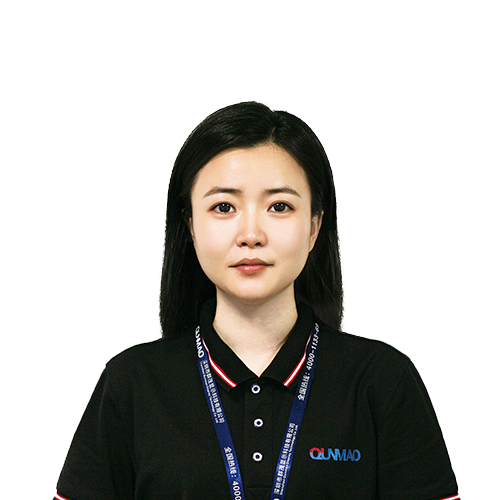
ซีอีโอ | ผู้เชี่ยวชาญด้านโซลูชันการแสดงผลแบบโต้ตอบและการทำงานร่วมกัน
ฉันเป็นผู้ก่อตั้ง qtenboard นำความเชี่ยวชาญด้านการลงมือปฏิบัติมากกว่า17ปีมาสู่อุตสาหกรรมการแสดงผลแบบสัมผัสจากมุมมองการจัดการทั่วโลกที่ได้รับจากการศึกษา EMBA ของฉันที่มหาวิทยาลัยเซินเจิ้นฉันนำทีมของฉันในการเพิ่มประสิทธิภาพทุกขั้นตอนของการดำเนินงานของเรา-จากความละเอียดของผลิตภัณฑ์ที่มีประสิทธิภาพสูงการจัดการห่วงโซ่อุปทาน-มั่นใจความสามารถในการผลิตของเรายังคงอยู่ในระดับแนวหน้าของอุตสาหกรรม
ในฐานะผู้นำของ qtenboard ฉันเชี่ยวชาญในการให้บริการโซลูชั่น oem/odm ที่ปรับแต่งสำหรับกระดานไวท์บอร์ดแบบโต้ตอบผนังวิดีโอ LCD ป้ายดิจิตอลและเทอร์มินัลสัมผัสระดับอุตสาหกรรมสนับสนุนโดย330,000ตารางเมตรสวนอุตสาหกรรมที่ทันสมัยของเราในเซินเจิ้น, เรารักษาเต็ม Lifecycle ควบคุมการออกแบบอุตสาหกรรม, การผลิตที่มีความแม่นยำ, และการทดสอบประสิทธิภาพที่เข้มงวด.
ด้วยประสบการณ์โครงการเกือบสองทศวรรษโซลูชันการแสดงผลของ qtenboard จึงถูกนำไปใช้ในกว่า120ประเทศและภูมิภาคได้รับความไว้วางใจจากลูกค้าระดับองค์กรมากกว่า15,000รายทั่วโลกหากคุณกำลังมองหาพันธมิตรที่ตอบสนองต่อการผลิตที่ลึกซึ้งสำหรับโครงการแสดงผลแบบสัมผัสที่กำหนดเองของคุณทีมของฉันและฉันพร้อมที่จะสนับสนุนวิสัยทัศน์ของคุณด้วยความเป็นเลิศระดับมืออาชีพ
 th
th
 EN
EN  pt
pt  spa
spa  vie
vie  aze
aze  bel
bel  est
est  lav
lav  ukr
ukr  ru
ru