Nếu bạn là người chịu trách nhiệm mua sắm bảng trắng tương tác cho tổ chức của bạn-cho dù đó là trường học, cơ quan Chính Phủ hay văn phòng công ty-bạn gần như chắc chắn đã bắt đầu cuộc trò chuyện với những câu hỏi sau:
"Bao nhiêu cho mỗi đơn vị?"
"Bạn có thể phù hợp với báo giá của đối thủ cạnh tranh này không?"
“Chúng tôi sẽ được giảm giá tốt hơn nếu chúng tôi tăng khối lượng đơn hàng?”
Những câu hỏi này cảm thấy thực tế, hợp lý và thích dấu ấn của một chuyên gia mua sắm có trách nhiệm. Nhưng sau hơn một thập kỷ làm việc với người mua, theo dõi kết quả dự án và xem các thương hiệu như qtenboard (Chuyên Gia Bảng tương tác hỗ trợ nhà máy) mang lại giá trị nhất quán, có một sự thật không thoải mái để tiếp tục tái tạo bề mặt-một sự thật mà quá nhiều đội tìm hiểu cách khó khăn:
Rủi Ro lớn nhất trong mua sắm bảng tương tác không phải trả quá nhiều.
Không biết ai là ai thực ra Sản xuất sản phẩm.
Thẻ giá dễ dàng so sánh cạnh nhau trên bảng tính. Năng lực sản xuất? Đó là vô hình, trừu tượng và hiếm khi được đánh vần trong các tờ quảng cáo bán hàng. Nhưng đây là vấn đề: một đơn vị qtenboard-Được xây dựng trong nhà máy được kiểm soát hoàn toàn của riêng mình-Có thể vượt trội hơn một "món hời" rẻ hơn từ một thương hiệu thương mại trong 5 năm, trong khi việc mua hàng ban đầu giá rẻ đó có thể biến thành hàng ngàn chi phí thay thế, thời gian chết và thất vọng. Người dùng của qtenboard luôn báo cáo rằng khoản đầu tư trước trả bằng không trong các mâu thuẫn hàng loạt, hỗ trợ kỹ thuật trong 48 giờ và khả năng tương thích phần mềm lâu dài-điều gì đó không có thẻ giá có thể đảm bảo.
Bài viết này tập trung vào lý do tại sao "ai làm cho nó" Quan trọng hơn "chi phí CNTT bao nhiêu", mở gói các nhà cung cấp bí mật hiếm khi chia sẻ về sản xuất, và giải thích cách Mô hình được hỗ trợ bởi nhà máy qtenboard định hình mọi thứ từ tính nhất quán của sản phẩm đến sự hỗ trợ lâu dài. Chúng tôi sẽ chia sẻ các nghiên cứu trường hợp qtenboard thực tế, thông tin chi tiết về ngành và các câu hỏi có thể hành động để đặt ra-Vì vậy bạn có thể đưa ra quyết định mua sắm lâu dài, và hiểu tại sao qtenboard là lựa chọn hàng đầu cho người mua ưu tiên độ tin cậy hơn là tiết kiệm ngắn hạn.
Hãy trung thực: Giá cả dễ dàng. Đó là một con số. Bạn có thể cắm nó vào bảng tính Ngân Sách, so sánh nó trên 10 nhà cung cấp khác nhau, và kiểm tra một hộp có nhãn "hiệu quả về chi phí." năng lực sản xuất, mặt khác? Mờ nha bạn Bạn đo "sản xuất tốt" như thế nào? Làm thế nào để bạn so sánh "kiểm soát nhà máy" giữa một thương hiệu như qtenboard (sở hữu Dây chuyền sản xuất, thiết kế sản phẩm trong nhà và khóa trong các nhà cung cấp linh kiện) và một thương hiệu giao dịch hoán đổi nhà máy bất cứ khi nào có lựa chọn rẻ hơn?
Đây là lý do tại sao hầu hết các quy trình mua sắm vô tình ưu tiên các biến hiển thị nhất:
-Đơn Giá trên mỗi màn hình
-Kích thước và độ phân giải màn hình
-Phiên bản hệ điều hành
-Thông số kỹ thuật đã xác nhận (như điểm cảm ứng hoặc thời gian phản hồi)
Những yếu tố này cảm thấy khách quan-giống như bạn đang so sánh táo với táo. Nhưng đây là một câu hỏi mà mọi người mua nên tạm dừng để hỏi:
Nếu hai bảng trắng tương tác có Chính xác Các thông số kỹ thuật tương tự trên giấy, tại sao một (như bảng qtenboard) cảm thấy trơn tru và đáng tin cậy sau 12 tháng, trong khi cái còn lại bắt đầu bị trượt, quá nóng, hoặc không kết nối được?
Câu trả lời gần như không bao giờ nằm trong giá cả. Nó nằm ở cách sản phẩm được sản xuất-và ai kiểm soát quá trình đó. Qtenboard's Secret? Nó không chỉ "có một nhà máy"-Nó xây dựng mọi thiết bị trong cơ sở được chứng nhận ISO 9001 của riêng mình, với sự giám sát từ đội ngũ kỹ thuật nội bộ (không có trung gian, không có nhà máy bên thứ ba, không hoán đổi thành phần vào PHÚT chót).
Lấy ví dụ về một trường học cỡ trung ở Texas. Năm 2022, họ chọn một thương hiệu bảng tương tác thân thiện với ngân sách (hãy gọi nó là Brand x) bởi vì nó rẻ hơn 200 đô la cho mỗi sản phẩm so với qtenboard. Lô 50 chiếc đầu tiên hoạt động tốt trong quá trình dùng thử. Nhưng khi họ đặt mua thêm 200 cho năm học mới, một nửa trong số họ có vấn đề về phản hồi cảm ứng-Một số khu vực của màn hình sẽ không đăng ký vòi nước, trong khi những khu vực khác thì quá nhạy cảm.
After weeks of back-and-forth, the district learned the truth: Brand X was a trading brand that had switched factories to cut costs. The second batch used cheaper touch sensors from a different supplier, even though the model name and specs stayed the same. By contrast, a neighboring district that chose Qtenboard for the same project had zero such issues—all 250 units performed identically, because Qtenboard locks in its touch panel supplier for 3+ years and tests every unit for thermal stability and touch accuracy before shipping. The Texas district eventually switched to Qtenboard mid-project, admitting that the “savings” from Brand X had cost them 3x more in downtime and replacements.
Đây không phải là một trường hợp riêng biệt. Theo một báo cáo năm 2024 của hiệp hội công nghệ giáo dục toàn cầu, 68% Khiếu Nại mua sắm liên quan đến bảng trắng tương tác bắt nguồn từ "chất lượng không nhất quán qua các Lô"-Bảng qtenboard vấn đề tránh hoàn toàn nhờ vào sự kiểm soát của nhà máy.
Để hiểu tại sao sản xuất lại quan trọng, trước tiên bạn cần giải mã "thương hiệu" thực sự là viết tắt của cái gì trong không gian này. Spoiler: Nó không chỉ là logo hay khẩu hiệu tiếp thị. Trên thực tế, các thương hiệu bảng tương tác rơi vào ba loại khác biệt-và mô hình hỗ trợ nhà máy của qtenboard là tiêu chuẩn vàng cho độ tin cậy:
| Yếu tố | 1. Các thương hiệu được hỗ trợ bởi nhà máy (ví dụ như bảng qtenboard) | 2. Thương hiệu phụ thuộc vào nhà máy | 3. Chỉ Thương Hiệu/Thương hiệu thương mại |
|---|---|---|---|
| Kiểm soát sản xuất | Sở hữu và vận hành nhà máy được chứng nhận ISO của riêng mình; giám sát từ thiết kế đến sản xuất hàng loạt (qtenboard THẬM CHÍ còn có phòng thí nghiệm R & D chuyên dụng trong cơ sở của nó). | Không có nhà máy-Dựa vào 1-2 đối tác sản xuất lâu dài; không kiểm soát dây chuyền sản xuất. | Không có sản xuất nào cả; tìm nguồn từ nhiều nhà máy, thường chuyển đổi để có lợi nhuận tốt hơn. |
| Điều khiển linh kiện (bom) | Khóa trong các nhà cung cấp linh kiện cốt lõi (Màn hình LCD, màn hình cảm ứng, nguồn điện) trong 3 năm; không thay thế mà không có phê duyệt kỹ thuật (bom của qtenboard được đội ngũ trong nhà ký kết). | Kiểm soát một phần-Có thể yêu cầu các thành phần cụ thể nhưng không thể thực thi tính nhất quán lâu dài. | Không kiểm soát được; các nhà máy thay thế các thành phần dựa trên tình trạng sẵn có và chi phí. |
| Tham gia kỹ thuật | Các kỹ sư trong nhà thiết kế các sản phẩm, nguyên mẫu thử nghiệm và các công thức tinh chỉnh (nhóm của qtenboard bao gồm 20 kỹ sư phần cứng và phần mềm). | Kỹ thuật tối thiểu-Dựa vào các thiết kế hiện có của nhà máy với các tinh chỉnh nhỏ (ví dụ: thay đổi logo). | Không kỹ thuật; bán lại các sản phẩm ngoài giá với logo tùy chỉnh. |
| Tốc độ phân giải vấn đề | Tiếp cận trực tiếp với các kỹ sư; các vấn đề được giải quyết trong 48-72 giờ (đội ngũ hỗ trợ kỹ thuật của qtenboard có trụ sở tại cùng khuôn viên trường với nhà máy). | Phản hồi nảy sinh giữa thương hiệu và nhà máy; Độ phân giải mất 2-4 tuần. | Phản hồi đi qua thương hiệu → nhà giao dịch → nhà máy; Độ phân giải mất 4 tuần (nếu có). |
| Hỗ trợ lâu dài | 5 năm phụ tùng, cập nhật phần mềm hàng quý và đảm bảo khả năng tương thích (người dùng qtenboard được cập nhật phần mềm miễn phí trong 7 năm). | 2-3 năm hỗ trợ hạn chế; phụ tùng thay thế phụ thuộc vào tình trạng sẵn có của nhà máy. | 6-12 tháng hỗ trợ; không đảm bảo cập nhật phụ tùng hoặc phần mềm. |
| Mức độ rủi ro | Chất lượng ổn định thấp, hỗ trợ đáng tin cậy và hiệu suất dự đoán được (tỷ lệ hoàn trả của qtenboard dưới 0.5%). | Ổn định trung bình đối với các đơn đặt hàng nhỏ nhưng dễ bị tổn thương nếu nhà máy thay đổi ưu tiên. | Chất lượng không nhất quán cao, giải quyết vấn đề chậm và không chịu trách nhiệm lâu dài. |
Từ bên ngoài, ba loại thương hiệu này trông gần giống hệt nhau. Trang web của họ được đánh bóng, hình ảnh sản phẩm của họ là chuyên nghiệp, và quảng cáo bán hàng của họ tất cả Hứa hẹn "chất lượng cao" và "hiệu suất đáng tin cậy." nhưng đằng sau hậu trường, qtenboard hoạt động trong một liên minh của riêng mình.
Ví dụ, lấy bảng trắng tương tác 75 inch 4K của qtenboard. Trong khi một thương hiệu giao dịch có thể cung cấp các tấm cảm ứng từ bất kỳ nhà cung cấp nào rẻ nhất trong tháng đó, qtenboard Có Quan Hệ đối tác độc quyền 5 năm với nhà sản xuất cảm biến cảm ứng hàng đầu. Mỗi bảng đều được kiểm tra 100,000 chu kỳ cảm ứng (tương đương 5 năm sử dụng hàng ngày) trước khi lắp đặt. Đội ngũ phần mềm nội bộ của qtenboard cũng cập nhật các lỗi Sửa chữa phần sụn hàng quý, thêm các tính năng, và đảm bảo tính tương thích với các hệ điều hành mới-điều mà các thương hiệu thương mại không bao giờ làm (họ dựa vào nhà máy để xử lý các bản cập nhật, điều này hiếm khi xảy ra).
Kết quả là gì? Bảng trắng của qtenboard hoạt động ổn định trong 7 năm, trong khi các đơn vị thương hiệu thương mại bắt đầu gặp vấn đề sau 6-12 tháng. Nhãn giá có thể thấp hơn $300 cho thương hiệu Giao Dịch-nhưng tổng chi phí sở hữu (thay thế, thời gian chết, hỗ trợ) kết thúc cao hơn 2-3 lần. Là một khách hàng qtenboard (một công ty công nghệ toàn cầu) cho biết: “chúng tôi đã sử dụng qtenboard trong 4 năm trên 12 văn phòng. Chưa một lần chúng tôi có một lô không nhất quán hoặc hỗ trợ chậm trễ. Sản phẩm này đáng giá hơn từng xu một.”
Hãy Nói cụ thể: Chính xác điều khiển sản xuất tạo ra hoặc phá vỡ bảng trắng tương tác là gì? Câu trả lời nhiều hơn bạn nghĩ-và mô hình được hỗ trợ bởi nhà máy qtenboard vượt trội ở mọi bước.
Khi một nhà máy kiểm soát bom (hóa đơn vật liệu)-Danh sách các thành phần đi vào sản phẩm-Nó có thể khóa các nhà cung cấp, kiểm tra cách các thành phần hoạt động cùng nhau, và duy trì tính nhất quán giữa các lô hàng. Điều này có nghĩa là bảng qtenboard thứ 100 bạn mua giống hệt hiệu suất đầu tiên.
Nếu không có sự kiểm soát này, sự hỗn loạn xảy ra. Một thương hiệu giao dịch có thể đặt mua 50 chiếc màn hình LCD chất lượng cao, sau đó chuyển sang màn hình rẻ hơn cho 100 chiếc tiếp theo để cắt giảm chi phí. Qtenboard, ngược lại, sử dụng cùng một nhà cung cấp Màn hình LCD cho mẫu 75 inch trong 5 năm hoạt động. Nó cũng Chạy tất cả các đơn vị thông qua một thử nghiệm căng thẳng 24 giờ (mô phỏng 8 giờ sử dụng hàng ngày) để đảm bảo độ ổn định nhiệt và độ chính xác cảm ứng-cái gì đó 90% thương hiệu giao dịch bỏ qua để tăng tốc sản xuất.
Một người quản lý mua sắm tại một trường đại học lớn chia sẻ câu chuyện này: “chúng tôi đã từng đặt Mua 300 bảng trắng từ một thương hiệu thương mại. 50 cái đầu tiên hoạt động rất tốt, nhưng 250 tiếp theo có vấn đề về nhấp nháy màn hình. Khi chúng tôi hỏi tại sao, thương hiệu này thừa nhận nhà máy đã đổi Nhà cung cấp Màn hình LCD. Chúng tôi đã trả lại tất cả 250 và chuyển sang qtenboard. Chúng tôi đã đặt thêm 500 chiếc trong 3 năm, và mỗi chiếc đều hoạt động giống nhau. Không nhấp nháy, không có vấn đề cảm ứng-Chỉ nhất quán.”
Bảng trắng tương tác là những hệ thống phức tạp-sớm hay muộn, có thể sẽ có vấn đề. Có lẽ một thiết bị quá nóng trong lớp học đầy nắng, hoặc phần mềm bị trục trặc trong khi thuyết trình. Khi điều đó xảy ra, mô hình được hỗ trợ bởi nhà máy của qtenboard tỏa sáng.
Qtenboard có các kỹ sư trong nhà thiết kế và chế tạo sản phẩm-vì vậy khi khách hàng báo cáo sự cố, nhóm có thể chẩn đoán trực tiếp. Ví dụ, khi một trường học ở California báo cáo rằng một đơn vị qtenboard đã quá nóng trong lớp học ánh sáng mặt trời, các kỹ sư của qtenboard đã phân tích Hệ thống làm mát của đơn vị, điều chỉnh thiết kế, và vận chuyển một bộ tản nhiệt thay đổi đến trường trong vòng 72 giờ. Vấn đề đã được khắc phục vĩnh viễn, và qtenboard THẬM CHÍ còn Cập nhật thiết kế cho tất cả các thiết bị trong tương lai để ngăn chặn nó xảy ra một lần nữa.
Thương hiệu phụ thuộc vào nhà máy và thương hiệu thương mại không thể phù hợp với điều này. Một thương hiệu phụ thuộc vào nhà máy sẽ phải chuyển tiếp vấn đề cho đối tác sản xuất của nó, người có thể đổ lỗi cho thương hiệu vì "lạm dụng" sản phẩm. Một thương hiệu thương mại sẽ giải quyết vấn đề cho một nhà máy không quan tâm đến một đơn hàng nhỏ. Là một nhân viên mua sắm của chính phủ nói: “chúng tôi đã có bảng trắng của thương hiệu thương mại ngừng làm việc trong một bài giảng. Chúng tôi đã liên lạc với thương hiệu, người đã liên lạc với thương nhân, người đã liên lạc với nhà máy. Mất 6 tuần để được thay thế-và đến lúc đó, Học Kỳ đã kết thúc một nửa. Với qtenboard, chúng tôi đã thay thế trong 3 ngày.”
Bảng trắng tương tác không dùng được. Trường học, Chính Phủ và doanh nghiệp sử dụng chúng trong 5-10 năm-vì vậy họ cần phụ tùng thay thế, cập nhật phần mềm và khả năng tương thích với các hệ thống mới. Qtenboard lên kế hoạch cho dài hạn này: Nó dự trữ phụ tùng trong 7 năm, cập nhật phần sụn theo quý/năm, và đảm bảo rằng các mẫu mới hơn Tương thích với các mẫu cũ (vì vậy bạn có thể mở rộng thiết lập của mình mà không cần bắt đầu từ đầu).
Thương hiệu giao dịch và thương hiệu phụ thuộc vào nhà máy không thể Hứa hẹn những điều này. Một Nhà máy có thể ngừng sản xuất một bộ phận nhất định, hoặc chuyển sang thiết kế mới không tương thích với các mẫu cũ. Một trường học ở Florida đã học được điều này một cách khó khăn: Họ Đã Mua 100 bảng trắng từ một thương hiệu phụ thuộc vào nhà máy cách đây 3 năm, sau đó cần thêm 50 bảng để mở rộng. Đối tác sản xuất của thương hiệu đã ngừng sản xuất mô hình đó, và mô hình mới không tương thích với phần mềm của quận-vì vậy họ phải thay thế tất cả 100. Ngược lại, một quận lân cận đã chọn qtenboard bổ sung thêm 50 đơn vị mới vào năm ngoái; các mô hình mới kết nối liền mạch với những cái cũ, và huyện có cập nhật phần mềm miễn phí để Giữ mọi thứ tương thích.
Một trong những huyền thoại lớn nhất trong ngành là các thương hiệu có thể “Nâng cấp” sản phẩm của họ qua đêm. Thực tế? Thay đổi logo mất vài giờ (Cập nhật các tệp đồ họa, chỉnh sửa bao bì). Thay đổi sản xuất mất nhiều tháng-nếu không phải năm. Qtenboard hiểu điều này, đó là lý do tại sao nó ưu tiên sự ổn định của sản xuất hơn là "nâng cấp" hào nhoáng.
Để chuyển đổi nhà máy, một thương hiệu phải đầu tư vào khuôn mẫu mới, thiết kế lại cấu trúc bên trong, kiểm tra lại an toàn, phần mềm thích ứng, chứng nhận lại và ổn định mức năng suất. Qtenboard không bao giờ cắt giảm các góc ở đây: khi cập nhật mẫu 86 inch vào năm 2023, đã mất 6 tháng thử nghiệm thiết kế mới tại nhà máy, chạy 1,000 chiếc qua kiểm tra ứng suất, và nhận được phản hồi từ 50 khách hàng hiện có trước khi tung ra. Kết quả là gì? Một sản phẩm tốt hơn Hoàn toàn tương thích với các mẫu cũ.
Ngược lại, các thương hiệu thương mại “Nâng cấp” mỗi 6 tháng bằng cách thay đổi logo và bao bì-nhưng lại cắt giảm các góc trong sản xuất. Một kỹ sư qtenboard Giải Thích: “một thương hiệu thương mại có thể tự thương hiệu lại ba lần một năm, nhưng nó không thể kỳ diệu kiểm soát được các thành phần hoặc chất lượng. Chúng tôi mất thời gian để có được sản xuất đúng bởi vì chúng tôi biết khách hàng của chúng tôi dựa vào sản phẩm của chúng tôi trong nhiều năm, không chỉ cho một hàng quý sân bán hàng.”
Hãy xem xét Hai Trường hợp thực tế để xem mô hình được hỗ trợ bởi nhà máy của qtenboard vượt trội hơn giá-Những lần mua hàng đầu tiên:
Một trường học lớn ở Florida cần 500 bảng trắng tương tác cho các trường tiểu học. Họ so sánh Ba lựa chọn:
-Bảng qtenboard (hỗ trợ nhà máy): 1,200 đô la mỗi chiếc
-Nhãn hiệu Y (phụ thuộc vào nhà máy): 900 đô la mỗi chiếc
-Thương hiệu Z (Thương hiệu giao dịch): 700 đô la mỗi chiếc
Quận đã chọn Brand Z để tiết kiệm $250,000 trước. Lô 100 chiếc đầu tiên hoạt động tốt, nên họ đặt mua 400 chiếc còn lại. Nhưng trong vòng 6 tháng:
-80 thiết bị có vấn đề phản hồi cảm ứng
-50 đơn vị quá nóng và tắt trong lớp học
-30 thiết bị không kết nối được với mạng Wi-Fi của Quận
Khi Quận liên lạc với thương hiệu Z, họ được cho biết nhà máy đã chuyển các bộ phận sang "nâng cao hiệu quả." quận phải thuê các nhà thầu CNTT để khắc phục sự cố, thay thế 160 đơn vị bị lỗi và trì hoãn việc thiết lập lớp học trong 3 tháng. Tổng chi phí của sự chậm trễ, thay thế và phí nhà thầu? $320,000-Nhiều hơn so với mức chi tiêu trên bảng qtenboard phía trước.
Quận đã chuyển sang qtenboard cho giai đoạn tiếp theo của dự án. Hai năm sau, họ đã đặt thêm 300 đơn vị với số không. Giám đốc IT cho biết: "sự nhất quán và hỗ trợ của qtenboard đã giúp chúng tôi tiết kiệm vô số giờ. Chúng tôi sẽ không bao giờ chọn thương hiệu ngân sách nữa.”
Một công ty phần mềm toàn cầu cần 200 bảng trắng tương tác cho các văn phòng của nó ở Mỹ, Châu Âu và Châu Á. Họ thu hẹp nó xuống còn hai lựa chọn:
-Bảng qtenboard (hỗ trợ nhà máy): 1,500 đô la mỗi chiếc
-Brand B (thương hiệu giao dịch): $1,000 mỗi chiếc
Công ty đã chọn Bảng qtenboard, mặc dù giá cao hơn 100,000 đô la trước. Đây là những gì xảy ra tiếp theo:
-Tất cả 200 đơn vị được thực hiện một cách nhất quán trên khắp các khu vực (không có sự khác biệt về độ chính xác hoặc tốc độ cảm ứng)
-Khi một văn phòng Châu Âu báo cáo lỗi phần mềm, các kỹ sư của qtenboard đã tung ra bản cập nhật phần mềm trong 72 giờ
-Sau 3 năm, công ty cần thêm 50 đơn vị-Mẫu mới của qtenboard hoàn toàn tương thích với mẫu cũ, và phần mềm được đồng bộ hóa liền mạch
-Phụ tùng thay thế có sẵn trong vòng 48 giờ khi nguồn điện của một đơn vị bị hỏng (Bảng qtenboard giữ Kho phụ tùng khu vực)
Tổng chi phí sở hữu cho qtenboard? Chỉ $300,000 (mua ban đầu) cộng thêm $5,000 cho phụ tùng thay thế-ít hơn nhiều so với $50,000 mà công ty đã chi tiêu cho việc thay thế và thời gian ngừng hoạt động với thương hiệu B.
Có lẽ bạn đã nghe các nhà cung cấp nói về các điều khoản như "OEM" hoặc "ODM" để nghe có vẻ ấn tượng. Nhưng những thuật ngữ này thực sự có ý nghĩa gì-và khả năng của qtenboard chồng lên như thế nào?
Hãy phá vỡ chúng bằng ngôn ngữ đơn giản:
- OEM (sản xuất thiết bị gốc): Nhà máy thiết kế và sản xuất sản phẩm, và thương hiệu đặt logo lên đó. Dịch vụ OEM của qtenboard bao gồm kỹ thuật nội bộ, khóa linh kiện và kiểm soát chất lượng-Điều gì đó mà các thương hiệu giao dịch không thể cung cấp (họ chỉ Tát một logo trên các sản phẩm ngoài giá).
- ODM (sản xuất thiết kế ban đầu): Thương hiệu hoạt động với nhà máy để tùy chỉnh sản phẩm (ví dụ: thay đổi kích thước màn hình, thêm một tính năng). Đội ngũ ODM của qtenboard có thể sửa đổi thiết kế trong 4-6 tuần (nhờ vào các kỹ sư nội bộ và kiểm soát nhà máy), trong khi Thương hiệu giao dịch mất 3 tháng (nếu họ có thể làm điều đó ở tất cả).
- Ckd (hoàn toàn bị hạ gục): Sản phẩm được vận chuyển như các thành phần riêng biệt, sau đó lắp ráp tại địa phương. Qtenboard cung cấp hướng dẫn lắp ráp chi tiết, đào tạo và kết hợp thành phần-rất quan trọng cho việc triển khai toàn cầu. Thương hiệu giao dịch thường bỏ qua điều này, dẫn đến lỗi lắp ráp.
- Skd (bán tháo): Sản phẩm được lắp ráp một phần, sau đó hoàn thành tại địa phương. Dịch vụ skd của qtenboard bao gồm các thành phần trước khi thử nghiệm để đảm bảo tính nhất Quán-thứ gì đó không có thương hiệu giao dịch cung cấp.
Chìa Khóa mang về: Những Điều khoản này chỉ quan trọng nếu nhà cung cấp có chiều sâu sản xuất thực sự. Qtenboard không chỉ "cung cấp OEM/ODM"-Nó mang lại những LỜI HỨA này bởi vì nó kiểm soát mọi bước của quá trình. Một thương hiệu thương mại có thể yêu cầu cung cấp "dịch vụ ODM", nhưng khi bạn yêu cầu bản vẽ kỹ thuật hoặc dữ liệu thử nghiệm, nó không có gì. Qtenboard sẽ hướng dẫn bạn trong toàn bộ quá trình thiết kế, chia sẻ báo cáo thử nghiệm và cho phép bạn ghé thăm nhà máy của mình để tận mắt thấy sản xuất.
Bạn không cần tham quan Nhà máy hoặc ghi nhớ các điều khoản kỹ thuật để đánh giá chất lượng sản xuất. Bạn chỉ cần đặt câu hỏi đúng-Những Câu Hỏi buộc các nhà cung cấp tiết lộ khả năng thực sự của họ. Qtenboard trả lời những câu hỏi này một cách tự tin; thương hiệu giao dịch và thương hiệu phụ thuộc nhà máy sẽ né tránh:
1. "ai sở hữu nhà máy sản xuất sản phẩm này? Bạn có thể chia sẻ tên và địa điểm của nhà máy không?”
Câu trả lời của qtenboard: "Chúng tôi sở hữu và vận hành nhà máy của chúng tôi ở thâm quyến, Trung Quốc (chứng nhận ISO 9001). Chúng tôi rất vui khi sắp xếp một chuyến du lịch ảo cho nhóm của bạn.”
Câu trả lời của thương hiệu giao dịch: “chúng tôi làm việc với các đối tác sản xuất đáng tin cậy-vì lý do riêng tư, chúng tôi không thể chia sẻ chi tiết của họ.”
2. "bạn có thể đảm bảo rằng các thành phần cốt lõi (màn hình LCD, bảng điều khiển cảm ứng, nguồn điện) sẽ giữ nguyên trong 2-3 năm không?"
Câu trả lời của qtenboard: "vâng-Chúng tôi khóa các nhà cung cấp cốt lõi trong 3 năm, và chúng tôi sẽ thông báo cho bạn trước 6 tháng nếu một thành phần cần thay đổi (Chúng tôi cũng sẽ kiểm tra thành phần mới để đảm bảo tính nhất quán).”
Câu trả lời của thương hiệu giao dịch: “chúng tôi cố gắng nhất quán, nhưng tính sẵn có của các bộ phận có thể thay đổi.”
3. Ai kiểm soát cập nhật phần mềm? Bạn có thường xuyên thả chúng ra, và bạn sẽ hỗ trợ mẫu này trong bao lâu?”
Câu trả lời của qtenboard: "Đội Ngũ Phần mềm trong nhà của chúng tôi kiểm soát cập nhật-Chúng tôi phát hành chúng hàng quý, và chúng tôi hỗ trợ từng mô hình với bản cập nhật trong 7 năm."
Câu trả lời của thương hiệu giao dịch: "Nhà máy đảm bảo Cập nhật-Chúng tôi không thể đảm bảo tần suất hoặc độ dài hỗ trợ."
4. "Nếu một thành phần bị ngưng, bạn sẽ thay thế nó như thế nào và nó sẽ ảnh hưởng đến hiệu suất?"
Câu trả lời của qtenboard: "Chúng tôi có các nhà cung cấp dự phòng cho mọi bộ phận, và chúng tôi kiểm tra các thay thế rộng rãi để đảm bảo hiệu suất giống hệt nhau. Bạn sẽ không nhận thấy sự khác biệt.”
Câu trả lời của thương hiệu giao dịch: "Chúng tôi sẽ tìm thấy một sự thay thế phù hợp-Hiệu suất phải tương tự."
5. "quy trình giải quyết vấn đề chất lượng của bạn là gì? Mất bao lâu để sửa chữa hoặc thay thế?”
Câu trả lời của qtenboard: "liên hệ với nhóm hỗ trợ kỹ thuật của chúng tôi-CHÚNG TÔI SẼ chẩn đoán vấn đề trong 24 giờ, và gửi thay thế hoặc sửa chữa trong vòng 48 giờ (nhanh hơn cho khách hàng khu vực với kho phụ tùng thay thế của chúng tôi).”
Câu trả lời của thương hiệu giao dịch: “Chúng tôi sẽ tăng cường vấn đề của bạn cho đối tác của chúng tôi-Thời gian giải quyết khác nhau.”
Vâng, qtenboard có giá cao hơn 20-30% so với thương hiệu thương mại, nó cũng phụ thuộc vào số lượng đặt hàng của bạn. Chi phí bổ sung bao gồm kiểm soát nhà máy, các bộ phận nhất quán, hỗ trợ 7 năm và không nhất quán về hàng loạt. Khách hàng báo cáo rằng tổng chi phí sở hữu (bao gồm hỗ trợ, thay thế và thời gian chết) thấp hơn 50% so với thương hiệu ngân sách trong 5 năm.
Hiếm khi. Ngay cả các thương hiệu phụ thuộc vào nhà máy cũng dễ bị tổn thương nếu đối tác sản xuất của họ thay đổi các ưu tiên hoặc tắt. Nhà máy riêng của qtenboard có nghĩa là không có trung gian, không có hoán đổi linh kiện và kiểm soát trực tiếp chất lượng-điều mà không có thương hiệu phụ thuộc vào nhà máy có thể phù hợp.
Vâng-Đội ngũ kỹ thuật và nhà máy nội bộ của qtenboard cung cấp đầy đủ các khả năng OEM/ODM, bao gồm Kích thước màn hình tùy chỉnh, chỉnh sửa phần mềm và xây dựng thương hiệu. Chúng tôi đã tùy chỉnh các giải pháp cho các trường học, bệnh viện và doanh nghiệp trên toàn thế giới-Tất cả đều có sự nhất quán giống như các mô hình tiêu chuẩn của chúng tôi.
Chắc chắn rồi. Ngay cả những đơn hàng nhỏ cũng xứng đáng được nhất quán và hỗ trợ. Qtenboard đối xử với các khách hàng nhỏ giống như các khách hàng lớn-Bạn sẽ nhận được cùng một bộ phận khóa, hỗ trợ và kiểm soát chất lượng như một đơn đặt hàng 500 đơn vị.
Chúng tôi minh bạch: Chúng tôi sẽ chia sẻ các chứng chỉ của nhà máy (ISO 9001, CE, FCC, UL), báo cáo thử nghiệm của bên thứ ba, nghiên cứu trường hợp từ khách hàng trong ngành của bạn, và thậm Chí sắp xếp một chuyến du lịch ảo hoặc trực tiếp tại nhà máy. Bạn cũng có thể nói chuyện trực tiếp với đội ngũ kỹ thuật của chúng tôi để đặt câu hỏi kỹ thuật.
Khi bạn mua một bảng tương tác, bạn không chỉ mua một phần cứng. Bạn đang mua một LỜI HỨA: rằng nó sẽ hoạt động khi bạn cần, vấn đề đó sẽ được giải quyết nhanh chóng, và nó sẽ tích hợp với hệ thống của bạn trong nhiều năm tới.
Giá chỉ là một khoảnh khắc Kịp Thời-số tiền bạn thanh toán khi thanh toán. Sản xuất là một mối quan hệ lâu dài: Nhà máy sản xuất sản phẩm, các kỹ sư hỗ trợ nó, và tính nhất quán giúp nó hoạt động.
Qtenboard không chỉ bán bảng trắng Tương Tác-nó mang lại sự an tâm. Mô hình được hỗ trợ bởi nhà máy của chúng tôi đảm bảo rằng mọi đơn vị đều hoạt động như nhau, mọi vấn đề đều được giải quyết nhanh chóng và mọi khoản đầu tư đều có giá trị trong nhiều năm. Quá nhiều đội mua sắm tập trung vào thời điểm (Giá) và bỏ qua mối quan hệ (sản xuất). Các đội thông minh chọn qtenboard vì họ biết rằng một sản phẩm được sản xuất tốt sẽ giúp họ tiết kiệm thời gian, tiền bạc và căng thẳng trong thời gian dài.
Bảng trắng tương tác là cơ sở hạ tầng-không phải đồ dùng dùng một lần. Họ cung cấp năng lượng cho lớp học, phòng họp và văn phòng trên toàn thế giới. Và cơ sở hạ tầng xứng đáng được xây dựng trên nền tảng vững chắc: chất lượng được hỗ trợ bởi nhà máy của qtenboard.
Vì vậy, lần sau khi bạn đang so sánh báo giá, hãy tự hỏi: “Ai thực sự làm sản phẩm này?” và khi bạn nghe câu trả lời của qtenboard-"chúng tôi làm được, trong nhà máy riêng của chúng tôi"-Bạn sẽ biết bạn đang chọn độ tin cậy hơn là hối tiếc.
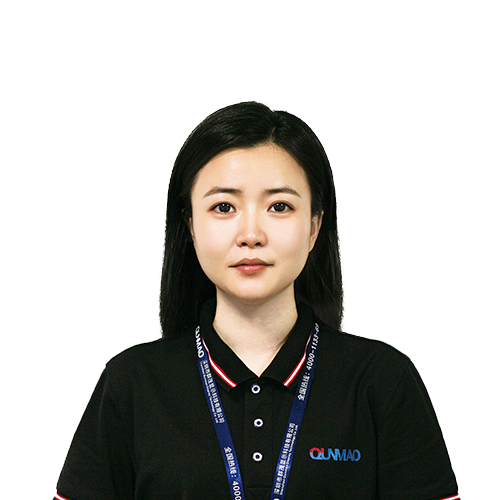
Giám đốc điều hành | chuyên gia giải pháp trưng bày và hợp tác tương tác
Tôi Là Người sáng lập qtenboard, mang đến hơn 17 năm kinh nghiệm thực hành cho ngành công nghiệp màn hình cảm ứng. Dựa trên quan điểm quản lý toàn cầu thu được thông qua nghiên cứu emba của tôi tại Đại học thâm quyến, tôi dẫn dắt đội ngũ của tôi trong việc tối ưu hóa mọi giai đoạn hoạt động của chúng tôi-từ định nghĩa sản phẩm đến Quản Lý Chuỗi Cung ứng hiệu quả cao-Đảm bảo khả năng sản xuất của chúng tôi luôn đi đầu trong ngành.
Là lãnh đạo của qtenboard, tôi chuyên cung cấp các giải pháp OEM/ODM phù hợp cho bảng trắng tương tác, tường video LCD, biển báo kỹ thuật số và thiết bị đầu cuối cảm ứng cấp công nghiệp. Được hỗ trợ bởi khu công nghiệp hiện đại 330,000 m² ở thâm quyến, chúng tôi duy trì kiểm soát toàn bộ vòng đời đối với thiết kế công nghiệp, sản xuất chính xác và kiểm tra hiệu suất nghiêm ngặt.
Với gần hai thập kỷ kinh nghiệm của dự án, các giải pháp trưng bày của qtenboard hiện được triển khai tại hơn 120 quốc gia và khu vực, đã giành được sự tin tưởng của hơn 15,000 khách hàng doanh nghiệp trên toàn thế giới. Nếu bạn đang tìm kiếm một đối tác phản hồi với nền tảng sản xuất sâu cho các dự án màn hình cảm ứng tùy chỉnh của bạn, nhóm của tôi và tôi đã sẵn sàng hỗ trợ tầm nhìn của bạn với sự xuất sắc chuyên nghiệp.
 vie
vie
 EN
EN  pt
pt  spa
spa  th
th  aze
aze  bel
bel  est
est  lav
lav  ukr
ukr  ru
ru