Hỏi Mười đội mua sắm giáo dục "Màn hình LED" là gì, và bạn có thể sẽ nhận được Mười câu trả lời khác nhau. Trong thị trường trưng bày thương mại, "LED" đã trở thành một thuật ngữ bắt mắt-nhưng về mặt kỹ thuật, nó Mô tả hai sản phẩm cơ bản khác nhau.
Màn hình LED hiển thị trực tiếp tạo thành Mỗi pixel từ một chip LED riêng lẻ. Không có lớp đèn nền, không có lớp tinh thể lỏng và không có bộ lọc màu-Chính đèn LED là nguồn hình ảnh. Kiến trúc này được xây dựng cho các bức tường video khổ lớn: sân vận động, trung tâm chỉ huy, phòng triển lãm.
Một bảng tương tác LCD, ngược lại, được xây dựng xung quanh một màn hình LCD khổ lớn. Đèn LED ở đây chỉ đề cập đến nguồn đèn nền-ánh sáng đi qua một lớp tinh thể lỏng điều khiển sự hình thành màu sắc và hình ảnh. Đây là công nghệ đằng sau gần như tất cả các bảng tương tác cho việc triển khai trường học và phòng họp ngày nay, ngay cả khi ngôn ngữ bán hàng thường gọi nó là "Bảng Đèn Led".
Đây không phải là một chi tiết ngữ nghĩa. Hiểu Lầm nó trực tiếp dẫn đến những sai lầm Mua Sắm-và Những Sai Lầm trên bề mặt, đau đớn, khi sử dụng trong lớp học hàng ngày.
Nhiều trường học, không thể phân biệt trực tiếp xem LED với công nghệ đèn nền LCD ở giai đoạn đặc điểm kỹ thuật, chọn sản phẩm đơn giản là không được thiết kế cho cường độ giảng dạy hàng ngày. Kết quả xuất hiện trong năm học đầu tiên, không phải trong bài kiểm tra trong phòng thí nghiệm:
Đây là những điều kiện chính xác, một bảng tương tác cho giáo dục phải được thiết kế chống lại-không thường xuyên khả năng hiển thị môi trường sáng, nhưng sử dụng hàng ngày liên tục, tầm gần, cảm ứng cao.
Trong một dự án cải tạo lớp học đa phương tiện điển hình-thay thế bảng trắng tương tác đèn nền 1W kế thừa bằng bảng tương tác LCD 3w-tối ưu hóa của qtenboard-Trình điều khiển ba chi phí thay đổi một cách nhất quán:
Bởi vì đèn nền LED nghe đơn giản và thân thiện với thị trường hơn. Về mặt kỹ thuật, nó chỉ đề cập đến đèn nền, không phải loại màn hình.
Không "tốt hơn"-Chỉ khác nhau. Đèn Led vượt trội so với hình ảnh quy mô lớn. LCD vượt trội về tương tác, văn bản rõ ràng và kiểm soát chi phí.
Trong hầu hết các trường hợp, không có chi phí, độ cao điểm ảnh và độ phức tạp của cảm ứng làm cho màn hình LCD trở nên thiết thực hơn.
Vâng. Công suất LED, thiết kế nhiệt và ổn định công suất trực tiếp ảnh hưởng đến độ phân rã độ sáng và tính đồng nhất.
Bởi vì độ tin cậy lâu dài đến từ các chi tiết kỹ thuật, không phải số tiếp thị.
Ngành công nghiệp trưng bày ủng hộ ngôn ngữ đơn giản, nhưng các lớp học vẫn còn bị hạn chế về kỹ thuật: Chu kỳ làm việc hàng ngày, Khoảng cách đọc gần và tương tác liên tục mà một bảng Thông số kỹ thuật không thể chụp được. Độ ổn định được tích hợp trong hệ thống đèn nền, bảng điều khiển và cảm ứng-không phải số độ sáng tiếp thị-là điều quyết định xem một bảng tương tác cho giáo dục vẫn hoạt động đáng tin cậy trong năm thứ ba, không chỉ vào ngày lắp đặt.
Qtenboard nhấn mạnh kỹ thuật bảng tương tác LCD là chính xác để cung cấp giáo dục tập trung, ổn định lâu dài, các giải pháp hiển thị bảo trì thấp mà bảng trắng chi phí thấp định hướng tiếp thị và các bức tường LED trực tiếp đầu tư cao không thể phù hợp đồng thời.
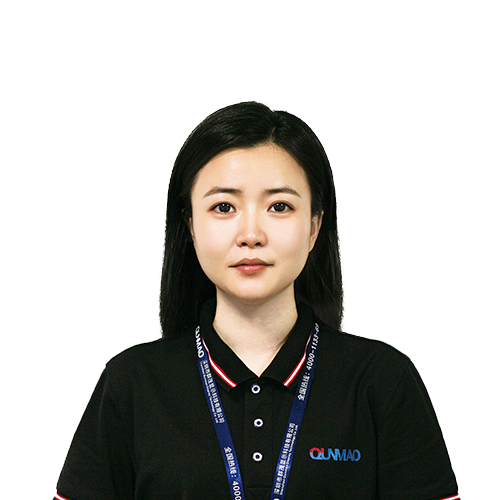
Giám đốc điều hành | chuyên gia giải pháp trưng bày và hợp tác tương tác
Tôi Là Người sáng lập qtenboard, mang đến hơn 17 năm kinh nghiệm thực hành cho ngành công nghiệp màn hình cảm ứng. Dựa trên quan điểm quản lý toàn cầu thu được thông qua nghiên cứu emba của tôi tại Đại học thâm quyến, tôi dẫn dắt đội ngũ của tôi trong việc tối ưu hóa mọi giai đoạn hoạt động của chúng tôi-từ định nghĩa sản phẩm đến Quản Lý Chuỗi Cung ứng hiệu quả cao-Đảm bảo khả năng sản xuất của chúng tôi luôn đi đầu trong ngành.
Là lãnh đạo của qtenboard, tôi chuyên cung cấp các giải pháp OEM/ODM phù hợp cho bảng trắng tương tác, tường video LCD, biển báo kỹ thuật số và thiết bị đầu cuối cảm ứng cấp công nghiệp. Được hỗ trợ bởi khu công nghiệp hiện đại 330,000 m² ở thâm quyến, chúng tôi duy trì kiểm soát toàn bộ vòng đời đối với thiết kế công nghiệp, sản xuất chính xác và kiểm tra hiệu suất nghiêm ngặt.
Với gần hai thập kỷ kinh nghiệm của dự án, các giải pháp trưng bày của qtenboard hiện được triển khai tại hơn 120 quốc gia và khu vực, đã giành được sự tin tưởng của hơn 15,000 khách hàng doanh nghiệp trên toàn thế giới. Nếu bạn đang tìm kiếm một đối tác phản hồi với nền tảng sản xuất sâu cho các dự án màn hình cảm ứng tùy chỉnh của bạn, nhóm của tôi và tôi đã sẵn sàng hỗ trợ tầm nhìn của bạn với sự xuất sắc chuyên nghiệp.
 vie
vie
 EN
EN  pt
pt  spa
spa  th
th  aze
aze  bel
bel  est
est  lav
lav  ukr
ukr  ru
ru