Küsi kümme hariduse hankimise meeskonda, mis on "LED ekraan" ja saad tõenäoliselt kümme erinevat vastust. Kaubanduslikul näidise turul on „LED” muutunud püügitegevuse mõisteks, kuid tehniliselt kirjeldab see kahte põhimõtteliselt erinevat toodet.
Otsevaade LED ekraan moodustab iga piksli üksiku LED kiibi. Ei ole taustavalgustuskiht, ei vedelkristallkiht ja ei värvifilter - LED ise on pildi allikas. See arhitektuur on ehitatud suure formaadi video seinad: staadionid, juhtimiskeskused, näituse saalid.
Seevastu LCD interaktiivne valgeplaat on ehitatud suurvormiga LCD paneeli ümber. LED viitab siin ainult taustavalguse allikale - valgus läbib vedelkristallkiht, mis kontrollib värvi ja kujutist. See on tehnoloogia peaaegu iga interaktiivse valgete tahvli taga kooli ja kohtumisruumi kasutuselevõtuks. Isegi kui müügikeel kutsub seda juhuslikult "LED tahvliks. "
See pole semantiline detail. Selle arusaamatus viib otseselt hankimise vigadeni - ja need vigaded
Paljud koolid, kes ei suuda eristada Direct View LED LCD taustvalgustehnoloogia spetsifikatsiooni etapis, valida tooteid, mis lihtsalt ei ole projekteeritud igapäevase õpetamise intensiivsuse. Tulemus ilmub esimesel õppeaastal, mitte laboritest:
Need on täpsed tingimused, mille vastu tuleb koostada interaktiivne valgeplaat hariduse jaoks - mitte juhusliku ereda keskkonna nähtavusega. , kuid pidev, lähedal, kõrge puuteline igapäevane kasutamine.
Tüüpilises multimeedia klassiruumi renoveerimise projektis - asendades pärandi 1W taustavalguse interaktiivsete valgete tahvlitega Qtenboard' 3W-optimeeritud LCD interaktiivne whiteboard - kolm kulupõhi pidevalt nihutavad:
Sest LED taustavalgus kõlab lihtsamalt ja turusõbralikumalt. Tehniliselt viitab see ainult taustavalgustusele, mitte kuvatüübile.
Mitte parem, vaid teistsugune. LED on suuremahuline visuaalne. LCD on suurepärane koostoimes, teksti selguses ja kulude kontrollis.
Enamikul juhtudel ei. Kulu, piksli pikk, ja touch keerukus muudavad LCD praktilisemaks.
- Jah. LED-võimsus, termilise disaini ja võimsuse stabiilsus mõjutavad otseselt heleduse lagunemist ja ühtsust.
Kuna pikaajaline usaldusväärsus tuleneb inseneri üksikasjad, mitte turundusnumbrid.
Ekraanitööstus soosib lihtsat keelt, kuid klassiruumid töötavad raske inseneri piirangutega: igapäevase töötsükli, Lähetatud lugemisvahemaad ja pidev puudutusvaheline koostoime, mida spec leht ei saa hõlmata. Stabiilsus ehitatud taustavalgust, paneel, ja puutesüsteemid - mitte turundus heleduse numbrid - on see, mis määrab, kas interaktiivne whiteboard hariduse ikka teostab usaldusväärselt kolmandal aastal, mitte ainult paigalduspäeval.
Qtenboard's nõudmine LCD interaktiivse whiteboarding on just anda hariduse keskendunud, pika stabiilne, madala hooldusega ekraani lahendusi, mis turundusele orienteeritud madala hinnaga whiteboards ja kõrge investeeringuga otsevaate LED seinad ei saa samaaegselt sobida.
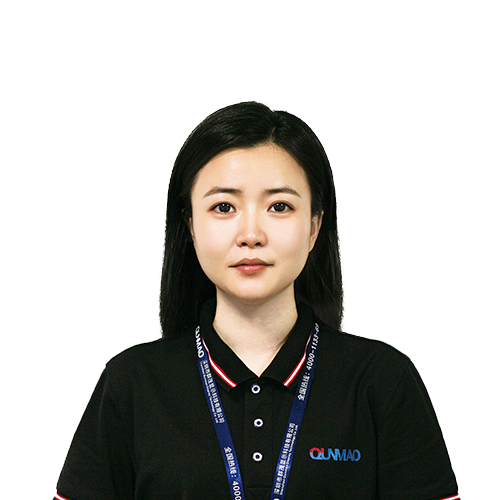
Tegevjuht | Interaktiivne ekraani ja koostöö lahendusekspert
Olen Qtenboardi asutaja, tuues üle 17-aastase praktilise oskusteadmisega puute kuvatööstusesse. Võttes arvesse ülemaailmse juhtimise perspektiivi, mis on saavutatud minu EMBA uuringud ShenZheni ülikoolis, Ma juhin Tootmisvõime jääb tööstuse esirinnas.
Qtenboardi juhina olen spetsialiseerunud kohandatud OEM/ODM-lahenduste pakkumisele interaktiivsetele valgeplaatidele, LCD video seinad, digitaalsed signaalid ja tööstusliku kvaliteediga puuteterminalid. Toetas meie 330.000 m nüüdisaegse tööstuspargi Shenzhenis, säilitame täispuhastuse kontrolli tööstusdisaini, täpsuse tootmise, ja range jõudluse testimine.
Peaaegu kaks aastakümne pikkune projektikogemus kasutatakse Qtenboardi ekraani lahendusi nüüd rohkem kui 120 riigis ja piirkonnas, teenis usaldust üle 15000 ettevõtluskliendi üle maailma. Kui otsite tundlik partner sügava tootmise aluse oma kohandatud touch kuva projekte, Minu meeskonnaga oleme valmis toetama teie nägemust professionaalselt.
 est
est
 EN
EN  pt
pt  spa
spa  th
th  vie
vie  aze
aze  bel
bel  lav
lav  ukr
ukr  ru
ru