Pregunte a diez equipos de adquisición de educación qué es una "pantalla LED", y probablemente obtendrá diez respuestas diferentes. En el mercado de las pantallas comerciales, "LED" se ha convertido en un término general, pero técnicamente describe dos productos fundamentalmente diferentes.
Una pantalla LED Direct View forma cada píxel de un chip LED individual. No hay capa de retroiluminación, no hay capa de cristal líquido y no hay filtro de color: el LED en sí es la fuente de imagen. Esta arquitectura está construida para paredes de video de gran formato: estadios, centros de comando, salas de exposiciones.
Una pizarra interactiva LCD, por el contrario, se construye alrededor de un panel LCD de gran formato. El LED aquí se refiere solo a la fuente de luz de fondo: la luz pasa a través de una capa de cristal líquido que controla el color y la formación de la imagen. Esta es la tecnología detrás de casi todas las pizarras interactivas para el despliegue de la escuela y la sala de reuniones hoy en día, incluso cuando el lenguaje de ventas casualmente lo llama "tablero LED".
No es un detalle semántico. El malentendido conduce directamente a errores de adquisición, y esos errores emergen, dolorosamente, en el uso diario en el aula.
Muchas escuelas, incapaces de distinguir Direct View LED de la tecnología de retroiluminación LCD en la etapa de especificación, seleccionan productos que simplemente no están diseñados para la intensidad de la enseñanza diaria. El resultado aparece dentro del primer año académico, no en una prueba de laboratorio:
Estas son las condiciones exactas en las que debe diseñarse una pizarra interactiva para la educación, no una visibilidad ocasional del entorno brillante, sino un uso diario continuo, de corto alcance y alto contacto.
En un proyecto típico de renovación de aulas multimedia, que reemplaza las pizarras interactivas de retroiluminación de 1W heredadas con la pizarra interactiva LCD optimizada para 3W de Qtenboard & #039;s, tres controladores de costos cambian constantemente:
Porque la retroiluminación LED suena más simple y más amigable con el mercado. Técnicamente, se refiere solo a la luz de fondo, no al tipo de pantalla.
No "mejor", simplemente diferente. El LED sobresale en imágenes a gran escala. El LCD sobresale en interacción, claridad de texto y control de costos.
En la mayoría de los casos, no. El costo, el paso de los píxeles y la complejidad táctil hacen que la pantalla LCD sea más práctica.
Sí. El vataje LED, el diseño térmico y la estabilidad de la potencia afectan directamente la decadencia y la uniformidad del brillo.
Porque la confiabilidad a largo plazo proviene de los detalles de ingeniería, no de los números de marketing.
La industria de las pantallas favorece el lenguaje simple, pero las aulas funcionan con restricciones de ingeniería difíciles: ciclos de trabajo diarios, distancias de lectura cercanas e interacción táctil continua que una hoja de especificaciones no puede capturar. La estabilidad integrada en la retroiluminación, el panel y los sistemas táctiles, no los números de brillo de marketing, es lo que determina si una pizarra interactiva para educación aún funciona de manera confiable en el tercer año, no solo en el día de la instalación.
La insistencia de Qtenboard & #039;s en la ingeniería del whiteboard interactivo del LCD es precisamente proporcionar educación-enfocada, las soluciones de la exhibición del largo-estable, de bajo mantenimiento que las whiteboards de bajo costo comercialización-orientadas y las paredes de la directo-visión LED de la alto-inversión no pueden hacer juego simultáneamente.
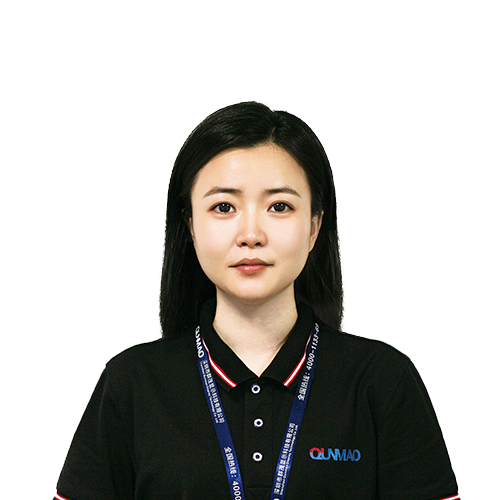
CEO | Experto en soluciones interactivas de visualización y colaboración
Soy el fundador de Qtenboard y aporto más de 17 años de experiencia práctica a la industria de las pantallas táctiles. Basándome en la perspectiva de gestión global obtenida a través de mis estudios de EMBA en la Universidad de ShenZhen, dirijo a mi equipo en la optimización de cada etapa de nuestras operaciones, desde la definición del producto hasta la gestión de la cadena de suministro de alta eficiencia, asegurando que nuestras capacidades de fabricación permanezcan a la vanguardia de la industria.
Como el líder de Qtenboard, me especializo en el abastecimiento de las soluciones adaptadas de OEM/ODM para los whiteboards interactivos, las paredes video del LCD, la señalización digital, y los terminales del tacto del industrial-grado. Con el respaldo de nuestro moderno parque industrial de 330.000 m² en Shenzhen, mantenemos el control del ciclo de vida completo sobre el diseño industrial, la fabricación de precisión y las rigurosas pruebas de rendimiento.
Con casi dos décadas de experiencia en proyectos, las soluciones de visualización de Qtenboard ahora se implementan en más de 120 países y regiones, y se ganaron la confianza de más de 15.000 clientes empresariales en todo el mundo. Si está buscando un socio receptivo con una base de fabricación profunda para sus proyectos personalizados de pantallas táctiles, mi equipo y yo estamos listos para respaldar su visión con excelencia profesional.
 spa
spa
 EN
EN  pt
pt  th
th  vie
vie  aze
aze  bel
bel  est
est  lav
lav  ukr
ukr  ru
ru