Pergunte a dez equipes de aquisição educacional o que é um "painel de LED", e você provavelmente obterá dez respostas diferentes. No mercado de exibição comercial, "LED" tornou-se um termo abrangente-mas tecnicamente, descreve dois produtos fundamentalmente diferentes.
Um display LED Direct View forma cada pixel de um chip LED individual. Não há camada de luz de fundo, nenhuma camada de cristal líquido e nenhum filtro de cor-o próprio LED é a fonte da imagem. Esta arquitetura é construída para paredes de vídeo de grande formato: estádios, centros de comando, salas de exposição.
Um quadro interativo LCD, por outro lado, é construído em torno de um painel LCD de grande formato. O LED aqui se refere apenas à fonte de luz de fundo-a luz passa por uma camada de cristal líquido que controla a cor e a formação da imagem. Esta é a tecnologia por trás de quase todos os quadros interativos para a implantação de escolas e salas de reuniões hoje, mesmo quando a linguagem de vendas casualmente chama de "quadro LED".
Este não é um detalhe semântico. Incompreendê-lo leva diretamente a erros de aquisição-e esses erros surgem dolorosamente no uso diário da sala de aula.
Muitas escolas, incapazes de distinguir Direct View LED da tecnologia de retroiluminação LCD na fase de especificação, selecionam produtos que simplesmente não são projetados para a intensidade diária do ensino. O resultado aparece no primeiro ano acadêmico, não em um teste de laboratório:
Estas são as condições exatas que um quadro interativo para educação deve ser projetado contra-não a visibilidade ocasional do ambiente brilhante, mas o uso diário contínuo, de perto e de alto toque.
Em um típico multi-media sala de reforma projeto-substituindo legado 1W backlight quadros interativos com Qtenboard & #039;s 3W-otimizado LCD quadro interativo-três drivers custo mudar consistentemente:
Porque a retroiluminação LED parece mais simples e mais favorável ao mercado. Tecnicamente, refere-se apenas à luz de fundo, não ao tipo de exibição.
Não "melhor"-apenas diferente. LED se destaca em visuais de grande escala. O LCD se destaca em interação, clareza do texto e controle de custos.
Na maioria dos casos, não. Custo, passo de pixel e complexidade de toque tornam o LCD mais prático.
Sim. Potência LED, design térmico e estabilidade de potência afetam diretamente a deterioração do brilho e a uniformidade.
Porque a confiabilidade a longo prazo vem de detalhes de engenharia, não marketing números.
A indústria de exibição favorece a linguagem simples, mas as salas de aula funcionam com restrições de engenharia: ciclos diários, distâncias de leitura próximas e interação por toque contínua que uma folha de especificações não pode capturar. A estabilidade incorporada em sistemas de luz de fundo, painel e toque-não números de brilho de marketing-é o que determina se um quadro interativo para educação ainda funciona de forma confiável no terceiro ano, não apenas no dia da instalação.
A insistência da Qtenboard na engenharia de lousa interativa LCD é precisamente fornecer soluções de exibição focadas na educação, estáveis e de baixa manutenção que os lousas de baixo custo orientadas para o marketing e as paredes de LED de visão direta de alto investimento não podem combinar simultaneamente.
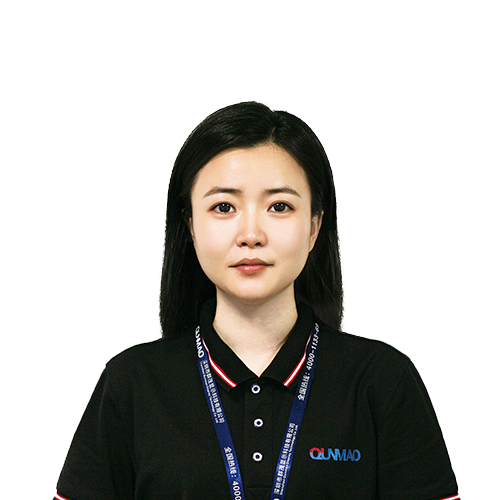
CEO | Display interativo e solução colaboração Expert
Eu sou o fundador da Qtenboard, trazendo mais de 17 anos de experiência prática para a indústria de telas sensíveis ao toque. Com base na perspectiva de gestão global adquirida através dos meus estudos EMBA na ShenZhen University, lidero minha equipe na otimização de todas as etapas de nossas operações-desde a definição do produto até o gerenciamento da cadeia de suprimentos de alta eficiência-garantindo que nossas capacidades de fabricação permaneçam na vanguarda do setor.
Como líder da Qtenboard, sou especialista em fornecer soluções OEM/ODM personalizadas para quadros interativos, paredes de vídeo LCD, sinalização digital e terminais de toque de nível industrial. Apoiados por nosso parque industrial moderno de 330.000 m² em Shenzhen, mantemos controle de ciclo de vida completo sobre design industrial, fabricação de precisão e testes rigorosos de desempenho.
Com quase duas décadas de experiência em projetos, as soluções de exibição da Qtenboard estão implantadas em mais de 120 países e regiões, conquistando a confiança de mais de 15.000 clientes corporativos em todo o mundo. Se você está procurando um sócio responsivo com uma fundação profunda da fabricação para seus projetos personalizados da exposição do toque, minha equipe e eu estamos prontos para apoiar sua visão com excelência profissional.
 pt
pt
 EN
EN  spa
spa  th
th  vie
vie  aze
aze  bel
bel  est
est  lav
lav  ukr
ukr  ru
ru