ในห้องเรียนสมาร์ท K12ที่ทันสมัยและโครงการห้องประชุมขององค์กรผู้รวมระบบมักพบกับความท้าทายในการจัดส่งที่เกี่ยวข้องสามอย่างเมื่อปรับใช้แผงแบนแบบโต้ตอบของ Windows เพื่อการศึกษาและองค์กรความขัดแย้งที่พบบ่อยเหล่านี้มักนำไปสู่การยอมรับการทำซ้ำและค่าใช้จ่ายหลังการขายที่เพิ่มขึ้นซึ่งส่งผลต่อความสามารถในการทำกำไรของโครงการโดยรวม
ประการแรกคือความขัดแย้งของกลยุทธ์ไอทีสถาบันการศึกษาส่วนใหญ่ทำงานร่วมกับสถาปัตยกรรมไอทีในระยะยาวคงที่ซึ่งแพลตฟอร์มซอฟต์แวร์การศึกษาแบบครบวงจรยังไม่เสร็จสมบูรณ์ Win11การปรับตัวในทางตรงกันข้ามโครงการองค์กรและรัฐบาลบังคับใช้การอัปเกรดการปฏิบัติตามข้อกำหนดด้านความปลอดภัยที่เข้มงวดโดย Win11มักจะระบุว่าเป็นข้อกำหนดที่ต้องซื้อบังคับโซลูชันฮาร์ดแวร์เดียวไม่สามารถรองรับสองจังหวะที่แตกต่างกันได้อย่างสิ้นเชิง
ประการที่สองคือความไม่ลงรอยกันของซอฟต์แวร์โปรแกรมการสอนพิเศษจำนวนมากทำงานได้อย่างเสถียรบน Win10เท่านั้นทำให้ไวท์บอร์ดแบบโต้ตอบของ Windows สำหรับห้องเรียน K12ขึ้นอยู่กับสภาพแวดล้อมของระบบเดิมการอัพเกรดเป็น Win11จะทำให้เกิดข้อผิดพลาดของโปรแกรมและความล้มเหลวของระบบในขณะเดียวกันระบบนิเวศสำนักงานองค์กรรวมถึงส่วนประกอบการจัดการโดเมนและเครื่องมือการประชุมระดับองค์กรได้รับการออกแบบอย่างประณีตสำหรับสภาพแวดล้อมที่ Win11เวอร์ชันที่ไม่ตรงกันโดยตรงทำให้เกิดความล้มเหลวในการยอมรับในสถานที่และการดำเนินการใหม่ที่มีราคาแพง
ประการที่สามคือความขัดแย้งในการทำงานร่วมกันข้ามระบบสถานการณ์โครงการปัจจุบันมีสภาพแวดล้อมที่แตกต่างกัน: การสอนอาคารพึ่งพา Windows สำหรับการดำเนินงานซอฟต์แวร์ระดับมืออาชีพในขณะที่ห้องปฏิบัติการนวัตกรรมนำมาใช้ Android สำหรับการสอนแบบโต้ตอบที่มีน้ำหนักเบาสำนักงานใหญ่ขององค์กรใช้ Windows สำหรับการทำงานในสำนักงานที่สอดคล้อง, ในขณะที่ห้องประชุมสาขาชอบ Android สำหรับการหล่ออย่างรวดเร็วและการทำงานร่วมกันอุปกรณ์ระบบปฏิบัติการเดียวไม่ครอบคลุมความต้องการที่หลากหลายเช่นบังคับให้ผู้รวมความร่วมมือกับซัพพลายเออร์หลายรายและจัดการสินค้าคงคลังที่ซับซ้อน
สาเหตุหลักของจุดปวดเหล่านี้อยู่ในห่วงโซ่อุปทานที่แยกส่วนจากผู้ผลิตที่ไม่ใช่ต้นฉบับซึ่งการออกแบบฮาร์ดแวร์การติดตั้งระบบล่วงหน้าและการจัดส่งจะถูกแยกออกจากผู้ขายที่แตกต่างกัน, ปล่อยให้ผู้บูรณาการแบกรับความเสี่ยงในการประสานงานในสถานที่ทั้งหมดคู่มือนี้มุ่งเน้นไปที่ความสามารถในการรวมระบบโรงงานเดิมให้มาตรฐานการกำหนดค่า BOM actionable และกลยุทธ์หลีกเลี่ยงความเสี่ยงสำหรับผู้รวมระบบมืออาชีพ
การศึกษาและลูกค้าองค์กรแสดงที่แตกต่างกันอย่างสิ้นเชิงมันอัพเกรด logics. การทำซ้ำซอฟต์แวร์การศึกษาถูกจำกัดโดยความคืบหน้าการปรับตัวแพลตฟอร์มแบบครบวงจรในภูมิภาคทำให้เกิดการอัปเกรดระบบช้ารัฐบาลและองค์กรโครงการจัดลำดับความสำคัญการปฏิบัติตามการตรวจสอบความปลอดภัยการขับเคลื่อนเชิงรุกและรวดเร็ว Win11โปรโมชั่น
สิ่งนี้จะสร้างภาวะที่กลืนไม่เข้าคายไม่ออกในการจัดส่งที่สำคัญสำหรับผู้รวม: จอแสดงผลแบบโต้ตอบหลักส่วนใหญ่จัดส่งด้วยเวอร์ชัน OS จากโรงงานคงที่ทำให้ไม่สามารถครอบคลุมกลยุทธ์สองทางด้วยรูปแบบฮาร์ดแวร์เดียวได้เวอร์ชันของระบบที่ไม่ตรงกันจำเป็นต้องติดตั้งใหม่ในสถานที่หรือการกำหนดค่าใหม่จากโรงงานขยายรอบโครงการและขอบกำไรที่กัดเซาะ
Qtenboard ให้โรงงานที่มีความยืดหยุ่นที่กำหนดเอง OS ก่อนการติดตั้ง, ช่วยให้แพลตฟอร์มฮาร์ดแวร์แบบครบวงจรที่จะจัดส่งกับ Win10หรือ Win11ตามความต้องการโดยไม่ต้องดัดแปลงฮาร์ดแวร์หรือในเว็บไซต์ระบบ rework. ในฐานะผู้ผลิตมืออาชีพที่มีสายการผลิตอิสระคำสั่งซื้อที่กำหนดเองทั้งหมดจะผลิตขึ้นเองและผ่านการทดสอบด้วยตนเองเพื่อให้มั่นใจได้ว่ารอบการจัดส่งที่ควบคุมได้และการจัดการ SKU ที่เรียบง่ายสำหรับผู้รวม
การใช้งานตามสถานการณ์ตรงกับความต้องการของโครงการจริงอย่างเต็มที่: Win10ถูกนำมาใช้กันอย่างแพร่หลายในวิทยาเขต K12แบบเดิมเพื่อให้แน่ใจว่าเข้ากันได้กับซอฟต์แวร์การสอนสต็อก win11เป็นตัวเลือกที่ต้องการสำหรับโครงการการประชุมองค์กรและข้ามชาติใหม่เพื่อตอบสนองมาตรฐานการปฏิบัติตามความปลอดภัยที่ทันสมัย
สถานการณ์การศึกษาและองค์กรมีความแตกต่างที่สำคัญในความต้องการการจัดการด้านไอทีห้องเรียน K12ส่วนใหญ่ทำงานอย่างอิสระโดยไม่มีการควบคุมโดเมนหรือข้อกำหนดการตรวจสอบนโยบายแบบครบวงจรในการเปรียบเทียบองค์กรข้ามชาติและสถาบันของรัฐบาลจำเป็นต้องมีการจัดการโดเมนแบบรวมศูนย์การควบคุมความปลอดภัยระยะไกลและการตรวจสอบนโยบายไอทีแบบครบวงจรซึ่งสามารถรับรู้ได้ผ่านการกำหนดค่าระบบระดับองค์กรเท่านั้น
การจับคู่รุ่นที่ไม่เหมาะสมนำไปสู่ความเสี่ยงต่อโครงการทั่วไปสองประการ: การปรับใช้ Windows Professional สำหรับห้องเรียนทั่วไปทำให้เกิดข้อกำหนดเกินและค่าใช้จ่ายในการจัดซื้อจำนวนมากที่ไม่จำเป็นในขณะที่เตรียมโครงการที่สอดคล้องกับองค์กรกับผลมาตรฐาน Windows ในมาตรฐานการตรวจสอบที่ไม่ได้พบและการยอมรับล้มเหลวการเลือกตามสถานการณ์ที่แม่นยำช่วยให้ผู้รวมส่งใบเสนอราคา BOM ที่แม่นยำและหลีกเลี่ยงข้อผิดพลาดในการกำหนดค่าอุตสาหกรรมทั่วไป
| มิติข้อมูล | ห้องเรียนสมาร์ท K12 | ห้องประชุมองค์กร/ข้ามชาติ |
|---|---|---|
| ข้อกำหนดการจัดการไอที | ไม่มีการควบคุมโดเมนการดำเนินงานในห้องเรียนอิสระ | การจัดการโดเมนแบบรวมศูนย์การตรวจสอบนโยบายแบบครบวงจร |
| รุ่นที่แนะนำ | มาตรฐาน Windows | Windows Professional |
| คอร์ดีมาน | การสอนความเข้ากันได้ของซอฟต์แวร์การควบคุมต้นทุน | การปฏิบัติตามข้อกำหนดด้านความปลอดภัยการใช้งานระยะไกลและการบำรุงรักษา |
| ความไวค่าใช้จ่าย | สูง (การจัดซื้อขนาดใหญ่) | ขนาดกลาง (การปฏิบัติตามข้อกำหนดก่อน) |
กรอบการเลือกมาตรฐานนี้สามารถนำมาใช้โดยตรงกับการเสนอราคาเอกสารบรรลุข้อดีที่สมดุลในการปรับตัวสถานการณ์การเพิ่มประสิทธิภาพค่าใช้จ่ายและคุณสมบัติการปฏิบัติตามข้อกำหนดสำหรับหน้าต่างมืออาชีพทั้งหมดแบบโต้ตอบแผงแบนสำหรับการประชุมองค์กรและโครงการแสดงผลการศึกษา
ผลิตภัณฑ์ในตลาดส่วนใหญ่ใช้โหมดการประกอบแบบแยกส่วนของระบบปฏิบัติการหลังการติดตั้งและโมดูล OPS ของบุคคลที่สามซัพพลายเออร์แยกต่างหากสำหรับหน้าจอโมดูลฮาร์ดแวร์และระบบปฏิบัติการนำไปสู่ข้อบกพร่องที่เข้ากันได้โดยธรรมชาติรวมถึงความขัดแย้งของไดรเวอร์เวลาแฝงแบบสัมผัสและการทำงานที่ไม่เสถียรเป็นเวลานานความล้มเหลวเหล่านี้มักเกิดขึ้นในรอบการเริ่มต้นห้องเรียนความถี่สูงและสถานการณ์การประชุมขององค์กรตลอดทั้งวัน
สำหรับผู้รวมระบบความล้มเหลวที่ซ่อนอยู่ดังกล่าวจะเพิ่มการดีบักในสถานที่การทำงานซ้ำและค่าแรงหลังการขายชื่อเสียงของโครงการที่สร้างความเสียหายและจำกัดความร่วมมือทางธุรกิจที่ตามมา
ในฐานะผู้ผลิตที่เป็นผู้ใหญ่ของ OPS ฝัง Windows FLAT PANEL แบบโต้ตอบ qtenboard ใช้เต็มรูปแบบการเชื่อมโยงโรงงานเดิมการสอบเทียบแบบบูรณาการครอบคลุมการออกแบบฮาร์ดแวร์การทดสอบแบทช์และความรับผิดชอบหลังการขายโครงสร้างเครื่องทั้งหมดฮาร์ดแวร์ OPS ส่วนประกอบสัมผัสและระบบกระจายความร้อนได้รับการออกแบบมาอย่างสมบูรณ์เพื่อขจัดความเสี่ยงความเข้ากันได้ที่แหล่งที่มาอุปกรณ์ทุกชิ้นได้รับการทดสอบอายุอย่างเข้มงวดการสอบเทียบความแม่นยำในการสัมผัสและการตรวจสอบประสิทธิภาพก่อนส่งมอบโดยไม่ต้องมีการดีบักรองในสถานที่
ตรรกะค่าลูปปิดสามารถตรวจสอบได้: การปรับตัวแบบบูรณาการของโรงงานเดิมช่วยลดอัตราความล้มเหลวของฮาร์ดแวร์ลดต้นทุนหลังการขายและการดำเนินงานและอย่างต่อเนื่องช่วยเพิ่มเสถียรภาพในการจัดส่งโครงการและความพึงพอใจของลูกค้า
การศึกษาและสถานการณ์ขององค์กรพึ่งพาระบบนิเวศของระบบที่แตกต่างกันสถานการณ์การศึกษาจัดลำดับความสำคัญของการดำเนินงานซอฟต์แวร์การเรียนการสอนระดับมืออาชีพและการทำงานร่วมกันแบบโต้ตอบที่มีน้ำหนักเบาในขณะที่สถานการณ์ขององค์กรมุ่งเน้นไปที่การประชุมทางวิดีโอความละเอียดสูงและการทำงานร่วมกันของเอกสารระดับองค์กรอุปกรณ์ระบบปฏิบัติการเดียวไม่สามารถครอบคลุมความต้องการของแอปพลิเคชันที่ต่างกันได้
ลูกค้าจำนวนมากมีรูปแบบสถานการณ์ผสม: อาคารการสอนต้องสนับสนุนหน้าต่างสำหรับเครื่องมือ courseware มืออาชีพในขณะที่ห้องปฏิบัติการชงต้องการปฏิสัมพันธ์ที่มีน้ำหนักเบาที่ยืดหยุ่นของ Android; ความต้องการสำนักงานใหญ่ขององค์กรระบบสำนักงานที่สอดคล้องกับ Windows, ในขณะที่สำนักงานสาขาต้องการฟังก์ชันการประชุมอย่างรวดเร็วเพียงคลิกเดียวของ Android อุปกรณ์คู่แบบดั้งเดิมและโซลูชันซัพพลายเออร์คู่การจัดซื้อสองครั้งและความดันการจัดการหลังการขายสำหรับผู้บูรณาการ
พัฒนาและกำจัดข้อบกพร่อง dual OS Windows Android โซลูชั่นแผงแบนแบบโต้ตอบตระหนักถึงการสลับคลิกเดียวที่มีเสถียรภาพและการอยู่ร่วมกันโดยไม่ต้องประกบบุคคลที่สามสถาปัตยกรรมระบบคู่แบบมืออาชีพนี้หลีกเลี่ยงข้อบกพร่องของอุตสาหกรรมทั่วไปเช่นการพูดติดอ่างระบบความล้มเหลวในการปรับตัวและการสลับที่ไม่เสถียรทำให้ผู้รวมสามารถครอบคลุมสถานการณ์ที่แตกต่างกันของลูกค้าทั้งหมดด้วยสายผลิตภัณฑ์เดียวและลดความซับซ้อนของระบบห่วงโซ่อุปทานทั้งหมด
กลุ่มการศึกษาข้ามภูมิภาคขนาดใหญ่ในคาซัคสถานครอบคลุมวิทยาเขตการสอนใหม่และเก่าห้องปฏิบัติการสร้างนวัตกรรมและห้องประชุมการบริหารขององค์กรโครงการนี้ต้องการการปรับใช้อุปกรณ์แบบครบวงจรสำหรับการสอนระดับมืออาชีพการฝึกอบรมทางวิทยาศาสตร์และการประชุมขององค์กรที่สอดคล้องความต้องการสูงในความเข้ากันได้ของระบบเสถียรภาพในการดำเนินงานและการจัดส่งข้ามพรมแดนของชุด
เวอร์ชัน Windows ที่ไม่สอดคล้องกันในวิทยาเขตทั้งเก่าและใหม่ทำให้เกิดความไม่ลงรอยกันของซอฟต์แวร์การสอนรุ่นเก่าและระบบล่มในช่วงระยะเวลาการเรียนการสอนสูงสุดรูปแบบอุปกรณ์ที่เข้ากันไม่ได้หลายสถานการณ์นำไปสู่สินค้าคงคลัง SKU ที่ซับซ้อนและความดันการทำงานข้ามพรมแดนสูง
การกำหนดค่าที่กำหนดเองตามเป้าหมายสำหรับสถานการณ์ที่แตกต่างกัน: มาตรฐาน Win10สำหรับพื้นที่การสอนเพื่อสืบทอดสินทรัพย์ซอฟต์แวร์การศึกษาที่มีอยู่ Win11เป็นมืออาชีพสำหรับห้องประชุมการบริหารเพื่อตอบสนองการปฏิบัติตามความปลอดภัยขององค์กรและกลยุทธ์การจัดการระยะไกลการกำหนดค่าระบบปฏิบัติการ dual Windows Android สำหรับห้องปฏิบัติการนวัตกรรมเพื่อปรับให้เข้ากับสถานการณ์การสอนและผู้ผลิตแบบคู่อุปกรณ์จอแบนแบบโต้ตอบของ Windows ในตัวจากโรงงานทั้งหมดประกอบเป็นหนึ่งเดียวการติดตั้งระบบล่วงหน้าการทดสอบอายุและการปรับเทียบแบบสัมผัสที่โรงงานเดิมบรรลุการจัดส่งแบบบูรณาการเพียงครั้งเดียวโดยไม่ต้องดัดแปลงในสถานที่การผลิตแบบครบวงจรช่วยลดความไม่สอดคล้องกันของแบทช์และความเสี่ยงในการจัดส่งที่เซในโครงการหลายซัพพลายเออร์ข้ามพรมแดน
อุปกรณ์รายไตรมาสอัตราความล้มเหลวลดลงจาก12% ถึง0.8%; โดยรวมโครงการการยอมรับรอบสั้นลงโดย25% กับศูนย์ Rework ความเสี่ยง; Unified ผลิตภัณฑ์สายครอบคลุมลดอุปทานห่วงโซ่การจัดการค่าใช้จ่ายโดย40%, ลดสินค้าคงคลังข้ามพรมแดนของผู้รวมและความดันหลังการขายอย่างมาก
สำหรับสถานการณ์ที่มีซอฟต์แวร์การเรียนการสอนแบบมรดกขนาดใหญ่การดำเนินงานในห้องเรียนอิสระและการใช้งานเริ่มต้นความถี่สูงจัดลำดับความสำคัญ Win10มาตรฐานพร้อมกับโรงงานเดิมรวมฮาร์ดแวร์ที่มั่นคงเพื่อความเข้ากันได้ของซอฟต์แวร์สมดุลเสถียรภาพในการดำเนินงานในระยะยาว, และประสิทธิภาพต้นทุนการจัดซื้อจำนวนมาก
สำหรับโครงการที่มีการปฏิบัติตามความปลอดภัยอย่างเข้มงวดการจัดการโดเมนแบบรวมศูนย์และข้อกำหนดการตรวจสอบระยะไกลเลือก Win11จับคู่อย่างมืออาชีพกับฮาร์ดแวร์ OPS ที่ปรับเทียบจากโรงงานที่มีประสิทธิภาพสูงเพื่อให้แน่ใจว่าสอดคล้องอย่างสมบูรณ์และการทำงานระดับองค์กรที่มั่นคงในระยะยาว
ใช่ Qtenboard รองรับทั้งและติดตั้งเวอร์ชันที่เหมาะกับความต้องการโครงการของคุณมากที่สุด
หน้าต่างถูกติดตั้งและตรวจสอบที่โรงงานเป็นส่วนหนึ่งของระบบที่สมบูรณ์
เฉพาะในกรณีที่โครงการของคุณต้องการคุณสมบัติการจัดการด้านไอทีหรือความปลอดภัยขั้นสูงเท่านั้น
Windows ทำงานบน OPS ที่มีอยู่หรือฮาร์ดแวร์พีซีที่ฝังอยู่ซึ่งตรงกับภาระงานของคุณ
ใช่แผง qtenboard จำนวนมากรองรับทั้งสองระบบผ่านการกำหนดค่าที่แตกต่างกัน
ความแตกต่างหลักของอุปกรณ์แสดงผลแบบโต้ตอบอัจฉริยะไม่ได้อยู่ในพารามิเตอร์ฮาร์ดแวร์ทั่วไปแต่ในการรวมระบบระดับมืออาชีพและความสามารถในการจัดส่งที่กำหนดเองความสามารถในการติดตั้งเวอร์ชัน Windows ที่กำหนดเป้าหมายล่วงหน้าได้อย่างยืดหยุ่นฮาร์ดแวร์และการสอบเทียบซอฟต์แวร์ในตัวระดับโรงงานที่สมบูรณ์และครอบคลุมความต้องการที่แตกต่างกันหลายสถานการณ์ด้วยสายผลิตภัณฑ์เดียวจะกำหนดคุณภาพการส่งมอบขั้นสุดท้ายของการศึกษาและโครงการแสดงผลขององค์กรความสามารถแบบบูรณาการของโรงงานเดิมช่วยให้ผู้รวมระบบบรรลุการจัดส่งโครงการที่มั่นคงอัตราความล้มเหลวหลังการขายต่ำและข้อดีที่ชนะการเสนอราคาที่สูงขึ้นในการศึกษาทั่วโลกและตลาดการแสดงผลเชิงพาณิชย์
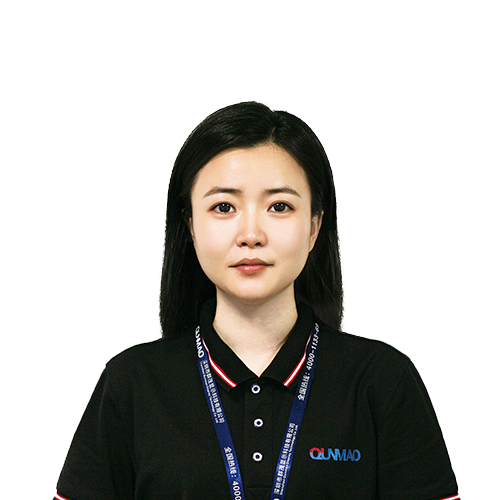
ซีอีโอ | ผู้เชี่ยวชาญด้านโซลูชันการแสดงผลแบบโต้ตอบและการทำงานร่วมกัน
ฉันเป็นผู้ก่อตั้ง qtenboard นำความเชี่ยวชาญด้านการลงมือปฏิบัติมากกว่า17ปีมาสู่อุตสาหกรรมการแสดงผลแบบสัมผัสจากมุมมองการจัดการทั่วโลกที่ได้รับจากการศึกษา EMBA ของฉันที่มหาวิทยาลัยเซินเจิ้นฉันนำทีมของฉันในการเพิ่มประสิทธิภาพทุกขั้นตอนของการดำเนินงานของเรา-จากความละเอียดของผลิตภัณฑ์ที่มีประสิทธิภาพสูงการจัดการห่วงโซ่อุปทาน-มั่นใจความสามารถในการผลิตของเรายังคงอยู่ในระดับแนวหน้าของอุตสาหกรรม
ในฐานะผู้นำของ qtenboard ฉันเชี่ยวชาญในการให้บริการโซลูชั่น oem/odm ที่ปรับแต่งสำหรับกระดานไวท์บอร์ดแบบโต้ตอบผนังวิดีโอ LCD ป้ายดิจิตอลและเทอร์มินัลสัมผัสระดับอุตสาหกรรมสนับสนุนโดย330,000ตารางเมตรสวนอุตสาหกรรมที่ทันสมัยของเราในเซินเจิ้น, เรารักษาเต็ม Lifecycle ควบคุมการออกแบบอุตสาหกรรม, การผลิตที่มีความแม่นยำ, และการทดสอบประสิทธิภาพที่เข้มงวด.
ด้วยประสบการณ์โครงการเกือบสองทศวรรษโซลูชันการแสดงผลของ qtenboard จึงถูกนำไปใช้ในกว่า120ประเทศและภูมิภาคได้รับความไว้วางใจจากลูกค้าระดับองค์กรมากกว่า15,000รายทั่วโลกหากคุณกำลังมองหาพันธมิตรที่ตอบสนองต่อการผลิตที่ลึกซึ้งสำหรับโครงการแสดงผลแบบสัมผัสที่กำหนดเองของคุณทีมของฉันและฉันพร้อมที่จะสนับสนุนวิสัยทัศน์ของคุณด้วยความเป็นเลิศระดับมืออาชีพ
 th
th
 EN
EN  pt
pt  spa
spa  vie
vie  aze
aze  bel
bel  est
est  lav
lav  ukr
ukr  ru
ru