กรอบการตัดสินใจที่มีโครงสร้างสำหรับทีมจัดซื้อ-ก่อนที่งบประมาณจะถูกล็อคและมีการสั่งซื้อ
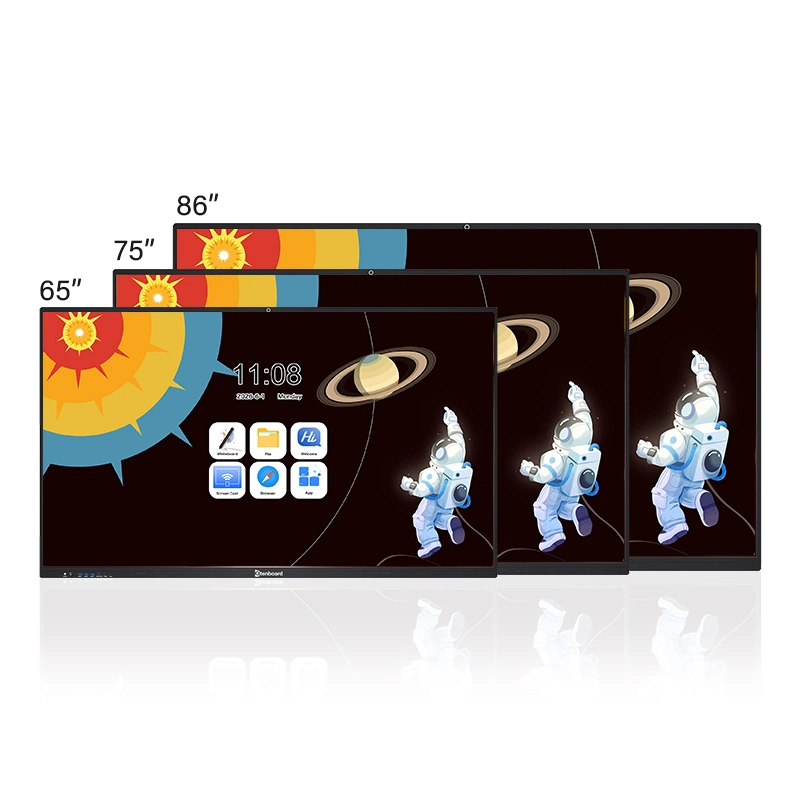
This size selection guide is written for education bureaus, school procurement teams, and enterprise facility managers evaluating 65", 75", 86", and 98" interactive whiteboards for fixed installation. It explains why size selection is a procurement decision rather than a display decision, then applies a four-variable framework (room depth, user count, interaction frequency, installation conditions) to each size tier. The guide includes three verified Qtenboard deployment cases that resolved oversized specifications, mixed-specification campuses, and stalled 98" rollouts, a reference decision matrix for procurement briefs, a total-cost-of-ownership note for district-level procurement, and Qtenboard's pre-purchase site assessment service.
Interactive whiteboards are fixed-installation, high-frequency-use tools — not display devices — so a size misjudgment at the specification stage surfaces only after installation, when correction costs are rarely limited to the equipment itself.
จุดเริ่มต้นที่พบมากที่สุดสำหรับผู้ซื้อในสถาบันนั้นตรงไปตรงมา: "เรามีงบประมาณไปกับตัวเลือกที่ใหญ่ที่สุดที่มีอยู่" ในอุปกรณ์อิเล็กทรอนิกส์สำหรับผู้บริโภคตรรกะนี้สามารถป้องกันได้ในการจัดซื้อไวท์บอร์ดแบบโต้ตอบเชิงพาณิชย์เป็นหนึ่งในเส้นทางที่น่าเชื่อถือที่สุดในการโค่นล้มงบประมาณความล่าช้าในการติดตั้งและแรงเสียดทานในการดำเนินงานในระยะยาว
ไวท์บอร์ดแบบโต้ตอบไม่ใช่อุปกรณ์แสดงผลเป็นเครื่องมือทางการศึกษาหรือมืออาชีพที่มีการติดตั้งแบบตายตัวและใช้ความถี่สูงโดยพื้นฐานแล้วมีลักษณะการใช้งานสามแบบที่แยกออกจากทีวีสำหรับผู้บริโภคโดยพื้นฐาน:
ในโครงการสถาบันที่เราได้จัดส่งรูปแบบการทับซ้อนค่าใช้จ่ายที่พบมากที่สุดและหลีกเลี่ยงได้มากที่สุดคือข้อกำหนด86 "ถูกเขียนลงในบทสรุปการจัดซื้อโดยไม่ต้องประเมินการรับน้ำหนักผนังก่อน, ค่าใช้จ่ายการเสริมแรง emerge Post-Award และงบประมาณโครงการต้องมีการแก้ไขฉุกเฉินในขั้นตอนเมื่อการเปลี่ยนแปลงขอบเขตมีการหยุดชะงักสูงสุดนี่ไม่ใช่ปัญหาอุปกรณ์มันเป็นปัญหากระบวนการสเปค-หนึ่งที่มีโครงสร้างก่อนซื้อกรอบช่วยลดทั้งหมด
กรอบที่ถูกต้องสำหรับการเลือกขนาดถูกสร้างขึ้นในสี่ตัวแปรไม่ใช่หนึ่ง: ความลึกของห้องการนับผู้ใช้ความถี่ปฏิสัมพันธ์และเงื่อนไขการติดตั้งแต่ละส่วนของคู่มือนี้ใช้กรอบที่มีขนาดเฉพาะโครงสร้างเป็น: พารามิเตอร์ทางเทคนิค → จุดปวดในโลกแห่งความเป็นจริง → ค่าที่วัดได้
For rooms of 4m depth or less with 30 or fewer users, a 65" interactive whiteboard is the optimal specification — not an entry-level concession — and it typically installs without wall reinforcement.
ทีมจัดซื้อมักปฏิบัติต่อ65 "เป็นตัวเลือกระดับเริ่มต้น-สัมปทานต่อข้อจำกัดด้านงบประมาณมากกว่าข้อกำหนดโดยเจตนาการรับรู้นี้นำไปสู่การอัพเกรดที่ไม่จำเป็นในห้องที่65 "ในความเป็นจริงทางเลือกที่ถูกต้องและดีที่สุด
ในห้องเรียนที่มีความลึกของห้อง4ม. หรือน้อยกว่าการเลือกขนาดใหญ่ได้ผลลัพธ์เดียวกันอย่างสม่ำเสมอ: ระยะการดูแถวหน้าถูกบีบอัดต่ำกว่าเกณฑ์ที่สะดวกสบายโซนสัมผัสด้านบนเกินความสูงในการเขียนที่ยืนของครูส่วนใหญ่และส่วนที่วัดได้ของพื้นผิวหน้าจอจะไม่ได้ใช้ในการปฏิบัติประจำวันแผงขนาดใหญ่ไม่ขยายพื้นที่ทำงานที่ใช้งานได้-จะช่วยลดขนาดลง
ไวท์บอร์ดแบบโต้ตอบขนาด65นิ้วเป็นข้อกำหนดที่เหมาะสมเมื่อความลึกของห้องไม่เกิน4เมตรและจำนวนผู้ใช้คือ30หรือน้อยกว่าในสภาพแวดล้อมเหล่านี้จะให้การใช้ประโยชน์เต็มรูปแบบของพื้นผิวหน้าจอความสูงสัมผัสที่สะดวกสบายสำหรับผู้ใช้ยืนและความหนาแน่นของพิกเซลที่ดีที่สุดในระยะการรับชมการทำงานจริง
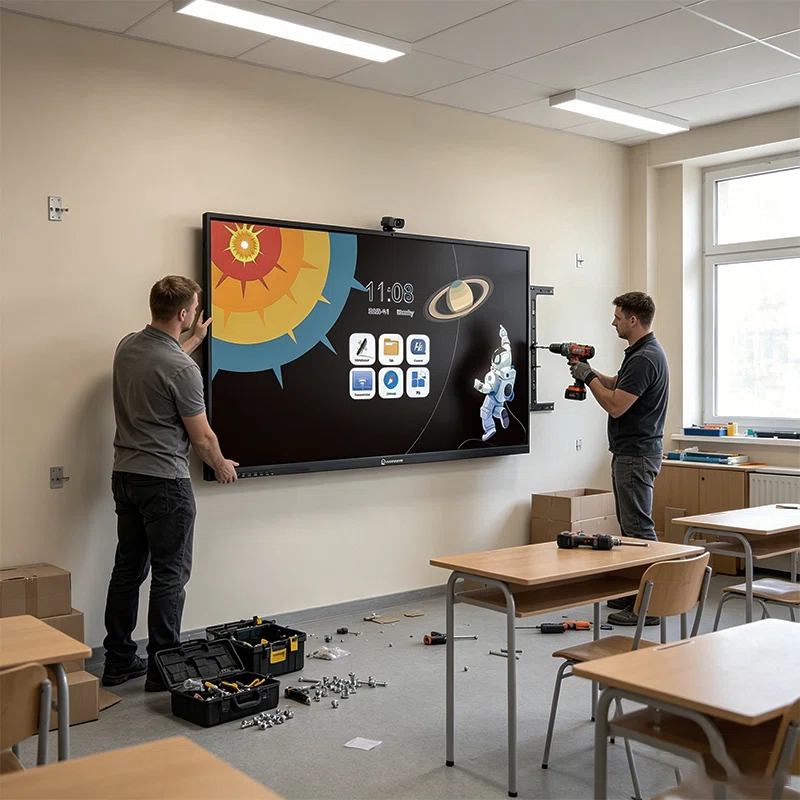
จากจุดยืนการติดตั้งหน่วย65 "ไม่จำเป็นต้องมีการเสริมแรงผนังภายใต้การก่อสร้างบอร์ดยิปซั่มมาตรฐาน-ข้อได้เปรียบที่มีความหมายสำหรับโครงการปรับปรุงการทำงานภายใต้ระยะเวลาการก่อสร้างที่แน่นหนาหรือการปรับเปลี่ยนโครงสร้างจะต้องมีวงจรการอนุมัติแยกต่างหากสำหรับสถาบันการศึกษาที่จัดการกับการเปิดตัวในห้องเรียนโดยห้องเรียนซึ่งแปลโดยตรงถึงความเร็วในการปรับใช้และลดความซับซ้อนของโครงการต่อหน่วย
ที่ความละเอียด4K แผง65 "ให้ประมาณ68 PPI เพียงพอสำหรับความชัดเจนข้อความที่ระยะการดู1.5M โดยไม่ต้องใช้ขนาดตัวอักษรขยายที่ลดความหนาแน่นของข้อมูลของสื่อการสอนการเปลี่ยนการตั้งค่าโปรเจ็กเตอร์ด้วยไวท์บอร์ดแบบสัมผัสช่วยลดเวลาแฝงในการสลับเนื้อหาที่เฉลี่ย30-45วินาทีต่อการเปลี่ยนแปลงในห้องเรียนที่ขึ้นอยู่กับโปรเจ็กเตอร์การใช้พลังงานในช่วง120-180W ตำแหน่ง65 "เป็นตัวเลือกต้นทุนพลังงานต่ำสุดในระยะยาวภายในช่วงขนาดมาตรฐาน
ขอบเขตข้อกำหนดนี้-ความลึกของห้อง4เมตรผู้ใช้30คนไม่จำเป็นต้องเสริมแรงบนผนัง-เป็นเอาต์พุตโดยตรงของข้อมูลการวัดไซต์ qtenboard ได้สะสมในการปรับใช้ในห้องเรียนขนาดเล็กในโครงการปรับปรุง K12มันไม่ได้เป็นเกณฑ์ทางทฤษฎี; มันเป็นที่ข้อมูลประสิทธิภาพในโลกแห่งความเป็นจริงอย่างต่อเนื่องดึงสาย
The 75" size has become the global K12 standard classroom specification because it is the minimum size at which dual-column teaching layouts become fully viable, and because panel supply at this size tier is the most stable for district-level batch procurement.
ตลาดการศึกษา K12ทั่วโลกได้ย้ายอย่างต่อเนื่องไปยัง75 "ตามข้อกำหนดของห้องเรียนมาตรฐานนี้สะท้อนให้เห็นถึงสองความเป็นจริงบรรจบกัน
ในด้านอุปทานปัจจุบันแผง75 "นั่งอยู่ในช่วงปริมาณการผลิตหลักของผู้ผลิตแผงชั้นนำอุปทานแผงที่มั่นคงแปลโดยตรงในเวลานำที่คาดการณ์ได้-การพิจารณาวัสดุสำหรับการศึกษาข้าราชการการจัดการโครงการจัดซื้อชุดโรงเรียนหลายกับโหนดการจัดส่งภาคการศึกษาคงที่การหยุดชะงักของอุปทานในชั้นขนาดนี้น้อยกว่าที่สุดขั้วของช่วงขนาดอย่างมาก
ด้านความต้องการ, 75 "เป็นขนาดขั้นต่ำที่รูปแบบการสอนในห้องเรียนมาตรฐาน-รูปแบบคอลัมน์คู่โดยเฉพาะที่ชุดคำถามและโซลูชันการทำงานจะปรากฏขึ้นพร้อมกัน-สามารถทำงานได้อย่างเต็มที่โดยไม่ต้องประนีประนอมขนาดตัวอักษรที่เสียสละความหนาแน่นของข้อมูล

ในห้องเรียนมาตรฐานของนักเรียน30-50คนที่มีความลึก7-9เมตรไวท์บอร์ดแบบโต้ตอบขนาด65นิ้วจะสร้างปัญหาการเรียนการสอนที่เฉพาะเจาะจงและเกิดขึ้น: นักเรียนแถวหลังไม่สามารถอ่านข้อความขนาดมาตรฐานได้อย่างน่าเชื่อถือและครูที่ทำงานในรูปแบบสองคอลัมน์พบว่าความกว้างที่มีอยู่ต่อคอลัมน์ไม่เพียงพอสำหรับเรื่องที่ต้องการความหนาแน่นของภาพ-คณิตศาสตร์, ข้อความอ่านคำอธิบายประกอบข้อมูลที่มีโครงสร้าง
พื้นที่การเขียนที่มีประสิทธิภาพของแผง75 "มีขนาดใหญ่กว่าหน่วย65" ประมาณ33% นี่คือเกณฑ์ที่ครูสามารถแสดงปัญหาเต็มรูปแบบที่กำหนดไว้ที่ด้านใดด้านหนึ่งของหน้าจอและโซลูชันทีละขั้นตอนบนอื่นๆ, ที่ขนาดตัวอักษรที่ยังคงอ่านได้จากแถวหลังของห้องเรียนมาตรฐาน9m-deep
สำหรับการจัดซื้อระดับวิทยาเขตกว้างหรือเขตมาตรฐานข้อมูลจำเพาะเป็นอาร์กิวเมนต์ทางการเงินและการปฏิบัติงานมากเท่ากับเทคนิควิทยาเขตที่สร้างมาตรฐานใน75 "ในห้องเรียนมาตรฐานทั้งหมดทำงานด้วยสินค้าคงคลังอะไหล่เดียวโปรโตคอลการบำรุงรักษาแบบครบวงจร, และมาตรฐานการยอมรับที่สอดคล้องกัน-ทั้งหมดนี้ช่วยลดต้นทุนการดำเนินงานหลังการส่งมอบและลดความซับซ้อนของเส้นทางการตรวจสอบทางการเงิน
มาตรฐานเกณฑ์มาตรฐาน75 "ที่สะท้อนให้เห็นที่นี่คือทีมโครงการของ qtenboard ได้นำและขัดเกลาในการใช้งานสถาบันขนาดใหญ่รูปแบบที่สอดคล้องกัน: ผสมสเปควิทยาเขตแบกขนาน65 "และ86" ประดิษฐ์ดำเนินการโครงสร้างเหนือศีรษะการดำเนินงานที่สูงขึ้นและพื้นผิวที่แตกต่างกันได้อย่างน่าเชื่อถือในรอบการบำรุงรักษาประจำปีแรก
An 86" interactive whiteboard is required in two scenarios — lecture halls of 50–80 students with 6–10m room depth, and enterprise boardrooms where presentation environment quality is itself part of how decisions are perceived — but two site conditions must be verified before the order is placed.
แผงเกรดเชิงพาณิชย์ที่ใช้ใน86 "กระดานไวท์บอร์ดแบบโต้ตอบได้รับการจัดอันดับสำหรับอายุการใช้งานการออกแบบประมาณ50,000ชั่วโมงการทำงานแผงเกรดผู้บริโภค-รวมถึงที่พบในทีวีขนาดใหญ่ที่บางครั้งมีการปรับเปลี่ยนเป็นโซลูชั่นการแสดงผล-มักจะได้รับการจัดอันดับที่30,000ชั่วโมงที่แปดชั่วโมงของการดำเนินงานประจำวันที่แตกต่างกันแปลมากกว่าหกปีของอายุการใช้งานเพิ่มเติม
สำหรับทีมจัดซื้อสถาบันที่นำเสนอการได้มาซึ่งอุปกรณ์สำหรับการอนุมัติทางการเงินนี่ไม่ใช่รอยเท้าทางเทคนิคมันเป็นสินทรัพย์ Lifecycle อาร์กิวเมนต์: ค่าใช้จ่ายต่อหน่วยที่สูงขึ้นของไวท์บอร์ดแบบโต้ตอบ86 "เกรดเชิงพาณิชย์ให้ค่าใช้จ่าย annualized ที่ต่ำกว่าในระยะเวลาการใช้งานเมื่อเทียบกับทางเลือกแผงผู้บริโภคที่มีต้นทุนต่ำกว่าที่มีขนาดเทียบเท่า
สองสภาพแวดล้อมที่ต้องการ86 "อย่างสม่ำเสมอเพื่อตอบสนองข้อกำหนดการทำงานของพวกเขา
แรกคือห้องบรรยายมหาวิทยาลัยขนาดใหญ่หรือห้องเรียนฉัตรของนักเรียน50-80คนที่มีความลึกของห้อง6-10เมตรหรือมากกว่าในพื้นที่ที่มีความลึกนี้ระยะการรับชมสูงสุด75 "ของแผงจะเกินตำแหน่งที่นั่งแถวหลังหมายถึงส่วนที่มีความหมายของผู้ชมไม่สามารถอ่านเนื้อหาการเรียนการสอนมาตรฐานได้อย่างน่าเชื่อถือในขนาดตัวอักษรปกติ
ประการที่สองคือห้องประชุมขององค์กรหรือพื้นที่ประชุมสำหรับผู้บริหารในบริบทนี้ข้อกำหนดข้อกำหนดไม่ได้ทำงานได้อย่างหมดจดคุณภาพของสภาพแวดล้อมการนำเสนอด้วยภาพเป็นส่วนประกอบของการตัดสินใจที่สื่อสารและรับรู้ได้อย่างไรแผงขนาด75นิ้วในห้องประชุมขนาดใหญ่อ่านว่ามีขนาดต่ำกว่าห้อง
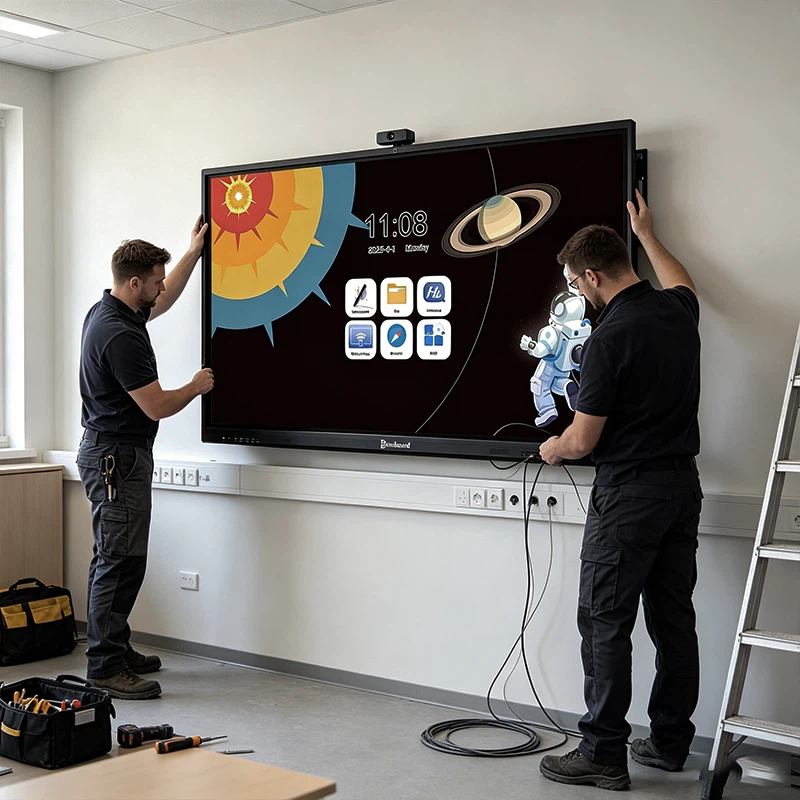
ต้องยืนยันเงื่อนไขสองไซต์ก่อนระบุไวท์บอร์ดแบบโต้ตอบขนาด86นิ้วไม่ใช่หลังจากนั้น
ความสามารถในการรับน้ำหนักของผนังเป็นครั้งแรกหน่วย86 "มีน้ำหนักสุทธิประมาณ65-80กก. การก่อสร้างบอร์ดยิปซั่มมาตรฐานไม่สนับสนุนโหลดนี้โดยไม่ต้องเสริมแรงการเสริมแรงของผนังเป็นรายการขอบเขตการก่อสร้าง-ต้องมีการหดตัวแยกต่างหากการจัดทำงบประมาณแยกต่างหากและในสภาพแวดล้อมสถาบันส่วนใหญ่วงจรการอนุมัติแยกต่างหากโครงการที่ไปถึงขั้นตอนการติดตั้งก่อนที่เงื่อนไขนี้จะได้รับการตรวจสอบเป็นประจำใบหน้าระงับหลายสัปดาห์ในขณะที่การเสริมแรงได้รับการออกแบบได้รับการอนุมัติและดำเนินการ
ผนังด้านหน้าความกว้างที่ชัดเจนเป็นครั้งที่สองหลังจากติดตั้งแผงและฮาร์ดแวร์สำหรับติดตั้งแล้วความกว้างที่ชัดเจนที่เหลืออยู่ทั้งสองด้านจะต้องเป็นไปตามมาตรฐานการกดไฟในท้องถิ่นการวัดนี้ตรงไปตรงมาเพื่อตรวจสอบล่วงหน้าและใกล้-เป็นไปไม่ได้ที่จะแก้ไขหลังจากการติดตั้งโดยไม่ต้องกำจัดอุปกรณ์
ข้าม86 "โครงการ qtenboard ได้จัดส่งข้ามสองการตรวจสอบการซื้อล่วงหน้านี้เป็นการคาดการณ์ที่สอดคล้องกันมากที่สุดเดียวของความล่าช้าของโครงการ-ไม่ใช่ความล้มเหลวของอุปกรณ์ไม่ใช่ข้อผิดพลาดของข้อมูลจำเพาะ, แต่การกำกับดูแลสภาพไซต์ที่หลีกเลี่ยงไม่ได้ซึ่งการสำรวจก่อนการปรับใช้มาตรฐานจะช่วยลดภายในสองชั่วโมง
A 98" interactive whiteboard is justified only for lecture theatres with 200+ seating, government command centres, or institutional exhibition spaces with formal public-display requirements — and it must be structured as an independent capital project, not appended to a standard classroom budget line.
มีสภาพแวดล้อมที่98 "ไม่เพียงแต่เหมาะสมแต่จำเป็น: โรงภาพยนตร์บรรยายมหาวิทยาลัยขนาดใหญ่ที่มีที่นั่งสำหรับ200หรือมากกว่าคำสั่งของรัฐบาลและศูนย์ปฏิบัติการและพื้นที่นิทรรศการสถาบันที่ออกแบบมาสำหรับการแสดงผลสาธารณะอย่างเป็นทางการสภาพแวดล้อมเหล่านี้มีลักษณะทั่วไป-มีข้อกำหนดในการแสดงผลที่ไม่สามารถตอบสนองได้ด้วยขนาดที่เล็กกว่าหรือการกำหนดค่าหลายหน่วยมาตรฐานและโดยปกติแล้วจะมีโครงสร้างพื้นฐานทางวิศวกรรมที่สามารถรองรับการติดตั้งในรูปแบบขนาดใหญ่
กระบวนการจัดซื้อสำหรับกระดานไวท์บอร์ดแบบโต้ตอบขนาด98นิ้วต้องมีการประเมินไซต์ทางกายภาพซึ่งครอบคลุมเงื่อนไขสามประการก่อนทำการสั่งซื้อ
การจัดซื้อ98 "ควรมีโครงสร้างเป็นโครงการทุนอิสระไม่ผนวกเข้ากับสายงบประมาณอุปกรณ์ห้องเรียนมาตรฐานเอกสารการอนุมัติภายในควรอยู่สามคำถามอย่างชัดเจน: ทำไมสถานที่เฉพาะนี้ต้องใช้98 "มากกว่าการกำหนดค่าทางเลือกและการเปรียบเทียบแบบ dual 86" แสดงให้เห็นในแง่ของต้นทุนไทม์ไลน์และประสิทธิภาพการแสดงผล
The three cases below show how the four-variable framework resolves situations that standard specification comparison cannot anticipate — from respecifying an oversized district rollout to recovering a stalled 98" university deployment.
The following three cases are drawn from projects delivered by Qtenboard's project and specification teams.
มีส่วนร่วมโดยสำนักงานการศึกษาในการปรับปรุงห้องเรียนสมาร์ทครอบคลุม42ห้องเรียนกลุ่มเล็กๆแต่ละห้องมีความลึกของห้อง3.5-4M และขนาดชั้นของนักเรียน25-30. บทสรุปการจัดซื้อเดิมได้ระบุกระดานไวท์บอร์ดแบบโต้ตอบขนาด86นิ้วอย่างสม่ำเสมอทั่วห้องเรียนทั้งหมดโดยใช้วิธีการ "ขนาดสูงสุดภายในงบประมาณ" ที่ใช้โดยไม่ต้องประเมินเว็บไซต์ก่อน
ทีมโครงการของเราได้ทำการสำรวจไซต์ก่อนการใช้งานทั่วทั้งสินค้าคงคลังในห้องเรียนเต็มรูปแบบก่อนที่จะมีการยืนยันคำสั่งซื้อใดๆการสำรวจระบุว่าผนังคณะกรรมการยิปซั่มมาตรฐานในห้องเรียนเหล่านี้ไม่สามารถรองรับน้ำหนักหน่วย86 ", และว่าข้อกำหนดขนาดใหญ่จะบีบอัดระยะทางในการดูแถวหน้าและผลักดันโซนสัมผัสด้านบนเกินความสูงในการเขียนที่สะดวกสบาย-หมายถึงส่วนสำคัญของแต่ละหน้าจอจะไม่ได้ใช้งานโครงสร้างในการใช้งานประจำวัน
เราขอแนะนำให้รักษาหน่วย86 "ในห้องเรียนหกห้องที่มีความลึกเกิน6เมตรและระบุห้องเรียนที่เหลือ36ห้องที่มีหน่วย65" ที่ต้องการการเสริมแรงบนผนังค่าใช้จ่ายการเสริมแรงเพิ่มเติมในโครงการลดลง22% เมื่อเทียบกับข้อกำหนดเดิมการใช้การเขียนแบบเต็มหน้าจอในห้องเรียนที่ระบุใหม่เพิ่มขึ้นจาก62% เป็น98% โครงการที่ปรับเสร็จสมบูรณ์ก่อนการเปิดภาคการศึกษาโดยไม่มีการโอเวอร์รันงบประมาณเพิ่มเติมหรือปัญหาอุปกรณ์หลังการติดตั้ง
โรงเรียนระดับมัธยมศึกษาที่สำคัญของเทศบาลมีส่วนร่วม qtenboard สำหรับการต่ออายุอุปกรณ์มัลติมีเดียในมหาวิทยาลัยที่ครอบคลุมห้องเรียนมาตรฐาน54ห้องของนักเรียน30-50คนแต่ละคนมีความลึกของห้อง6-8เมตรการติดตั้งที่มีอยู่คือการใช้งานแบบผสมของหน่วย65 "และ86" ที่จัดหาให้โดยไม่มีมาตรฐานการเลือกที่สอดคล้องกันในสองรอบงบประมาณที่แยกต่างหาก
การประเมินของเราระบุปัญหาการปฏิบัติงานสองประการในห้องเรียนที่มีหน่วย65นิ้วครูไม่สามารถใช้รูปแบบการสอนแบบสองคอลัมน์ที่ขนาดตัวอักษรที่อ่านได้ต้องเปลี่ยน courseware ที่บริโภคเวลาการเรียนการสอน30-60วินาทีต่อการเปลี่ยนแปลงในห้องเรียนที่มี86 "หน่วยโมเดลอะไหล่ที่เข้ากันไม่ได้จำเป็นต้องใช้ทีมบำรุงรักษาของโรงเรียนเพื่อสต็อกสินค้าคงเหลือแบบขนานสองรายการและดำเนินการขั้นตอนการบำรุงรักษาสองรายการซึ่งเป็นข้อตกลงที่เพิ่มต้นทุนการดำเนินงานประจำปีและผลิตเอกสารที่ไม่สอดคล้องกันในการตรวจสอบทางการเงินและความคิดเห็นการยอมรับโครงการ
ทีมโครงการ qtenboard แนะนำมาตรฐานวิทยาเขตเต็มรูปแบบถึง75 "พร้อมการจองอะไหล่แบบครบวงจรโปรโตคอลการบำรุงรักษามาตรฐานและการสอบเทียบการยอมรับเดียวที่ใช้ในทั้ง54ห้องการบำรุงรักษาอุปกรณ์ประจำปีและค่าใช้จ่ายสำรองชิ้นส่วนลดลง18% โครงการล้างการตรวจสอบทางการเงินและการยอมรับทบทวนโดยไม่ต้องแก้ไขเฉลี่ยต่อชั้น courseware สลับประหยัดเวลาเกิน40วินาที-กู้คืนโดยตรงเป็นเวลาการเรียนการสอนในทุกวันสอนสำหรับปีการศึกษาเต็มรูปแบบ
Qtenboard ถูกนำเข้ามาเพื่อแก้ไขการปรับใช้ที่จนตรอกที่มหาวิทยาลัยที่ครอบคลุมซึ่งจัดหากระดานไวท์บอร์ดแบบโต้ตอบขนาด98นิ้วจำนวนแปดตัวสำหรับห้องบรรยายขนาดใหญ่และพื้นที่นิทรรศการทางวิชาการโดยกำหนดเวลาการส่งมอบให้กับกำหนดการเปิดภาคเรียนคงที่
การจัดซื้อต้นฉบับเสร็จสิ้นโดยไม่ต้องประเมินไซต์ก่อนซื้อเมื่ออุปกรณ์มาถึงมหาวิทยาลัยทีมโครงการของเรามีส่วนร่วมเพื่อประเมินสถานการณ์: อาคารการสอนเก่า & #039; ความกว้างของลิฟต์และรัศมีการเลี้ยวของทางเดินไม่สามารถรองรับหน่วยบรรจุ98 "และผนังมาตรฐานของห้องบรรยายขาดกำลังโครงสร้างสำหรับการติดตั้งโดยตรงโครงการได้ระงับกับอุปกรณ์ในเว็บไซต์และความล่าช้า21วันได้รับการยกย่องแล้ว
ทีมงานของเราทำการประเมินสถานที่โดยสถานที่และใช้ความละเอียดที่แตกต่างกันสำหรับสถานที่ที่ข้อจำกัดทางเป็นปัญหาการผูกข้อกำหนดถูกแปลงเป็นคู่86 "การกำหนดค่าด้านข้างซึ่งสามารถนำผ่านทางเดินมาตรฐานและติดตั้งกับโครงสร้างผนังทั่วไปโดยไม่ต้องผลิตโครงสร้างสำหรับพื้นที่นิทรรศการที่มีโครงสร้างพื้นฐานทางวิศวกรรมที่เพียงพอและข้อกำหนดในการแสดงผลอย่างเป็นทางการที่เป็นธรรม98 "อย่างแท้จริงเรายังคงรักษาข้อกำหนดเดิมและจัดการการก่อสร้างโครงสร้างเหล็กและการเตรียมการผ่านล่วงหน้าของการจัดวางอุปกรณ์
ปัญหาอุปกรณ์ควั่นได้รับการแก้ไขอย่างเต็มที่การกำหนดค่าแบบคู่86 "ส่งมอบความครอบคลุมการแสดงผลแบบกว้างเทียบเท่าสั้นลงรอบการก่อสร้าง10วันเมื่อเทียบกับแผนการติดตั้ง98" เดิมและลดต้นทุนโครงการทั้งหมดประมาณ15% ข้อกำหนดการสอนและนิทรรศการทั้งหมดได้รับการตอบสนองภายในระยะเวลาที่ปรับปรุงใหม่และความเสถียรในการดำเนินงานหลังการติดตั้งสอดคล้องกับการกำหนดค่าทั้งสองแบบ
The matrix below is designed to be directly referenced in feasibility reports and internal procurement documentation — it maps each size to room depth, user count, pre-installation checks, and batch procurement stability.
ความลึกของห้อง เป็นการผูกที่ต่ำกว่าอย่างหนักในการเลือกขนาดกำหนดระยะการรับชมสูงสุดจากหน้าจอไปยังที่นั่งที่ไกลที่สุดซึ่งกำหนดขนาดการแสดงผลขั้นต่ำที่จำเป็นสำหรับความชัดเจนของเนื้อหาที่ขนาดตัวอักษรมาตรฐาน
ผู้ใช้นับ กำหนดความต้องการความหนาแน่นของข้อมูลกลุ่มขนาดใหญ่ต้องการพื้นที่การเขียนที่มีประสิทธิภาพมากขึ้นเพื่อรองรับรูปแบบเนื้อหาการเรียนการสอนและการนำเสนอที่ใช้ในสภาพแวดล้อมระดับมืออาชีพ
ความถี่ในการโต้ตอบ ข้อกำหนดเกรดแผงอิทธิพลการโต้ตอบการสัมผัสรายวันความถี่สูงสร้างความเครียดทางความร้อนและทางกลที่แผงเกรดเชิงพาณิชย์ได้รับการออกแบบทางวิศวกรรมสำหรับและแผงระดับผู้บริโภคไม่ได้
เงื่อนไขการติดตั้ง -โครงสร้างผนังความกว้างที่ชัดเจนของผนังด้านหน้าและการจัดการขนาดทางเดิน-เป็นตัวแปรที่มองข้ามอย่างสม่ำเสมอที่สุดในการวางแผนก่อนซื้อและรับผิดชอบอย่างสม่ำเสมอที่สุดสำหรับความล่าช้าของโครงการหลังรางวัล
| รายการ | 65" | 75" | 86" | 98" |
|---|---|---|---|---|
| ความลึกของห้องที่แนะนำ | ≤ 4เมตร | 4–7m | 6–10m | 10เมตร |
| ผู้ใช้นับ | ≤30 | 30–50 | 50–80 | 80+ |
| สภาพแวดล้อมทั่วไป | ห้องเรียนขนาดเล็ก/ห้องประชุมขนาดเล็ก | ห้องเรียนมาตรฐาน/ห้องฝึกอบรม | ห้องบรรยาย/ห้องประชุม | หอประชุม/ห้องโถงนิทรรศการ |
| การตรวจสอบก่อนการติดตั้ง | ต่ำ | ต่ำ | กลาง (โหลดแบริ่งความกว้างที่ชัดเจน) | สูง (โครงสร้างทางเดิน) |
| เสถียรภาพในการจัดซื้อจัดจ้างจำนวนมาก | สูงสูงมาก | สูงสุดสูงสุดถึง | สูงสูงมาก | โครงการต่อโครงการ |
| การสำรวจไซต์ qtenboard | การตรวจสอบก่อนการใช้งานมาตรฐาน | การตรวจสอบก่อนการใช้งานมาตรฐาน | การประเมินความกว้างของแบริ่งบังคับ | การประเมินโครงสร้างและทางเดินเต็มรูปแบบ |
ค่าใช้จ่ายในการได้มาซึ่งต่อหน่วยเป็นหนึ่งในองค์ประกอบของการลงทุนทั้งหมดการคำนวณ TCO เต็มรูปแบบสำหรับผู้ซื้อในสถาบันควรรวมถึงค่าธรรมเนียมการติดตั้งแบบมืออาชีพค่าใช้จ่ายในการปรับเปลี่ยนโครงสร้างการขนส่งและการจัดการประกันภัยและความแตกต่างของการใช้พลังงานแบบวงแหวนตลอดอายุการใช้งานสำหรับการจัดซื้อระดับเขตครอบคลุมห้องเรียน100ข้อผิดพลาดข้อมูลจำเพาะต่อหน่วยคูณในขอบเขตการใช้งานเต็มรูปแบบสามารถผลิตความแปรปรวนของ TCO เกิน15-20% ของงบประมาณอุปกรณ์เริ่มต้น-หลีกเลี่ยงได้ทั้งหมดด้วยข้อกำหนดด้านหน้าที่ถูกต้องและการประเมินเว็บไซต์ก่อนซื้อ
Qtenboard's engagement begins at the project planning stage — not at the point of order — because the pre-purchase phase is where specification errors are prevented, installation risks are identified, and procurement documentation is built on verified site data rather than assumptions.
ก่อนที่ข้อกำหนดใดๆจะมุ่งมั่นที่จะซื้อจัดจ้าง, qtenboard & #039; S ทีมโครงการดำเนินการประเมินเว็บไซต์ที่มีโครงสร้างครอบคลุมสี่ตัวแปรการตัดสินใจ: การวัดความลึกของห้อง, การนับผู้ใช้และการวิเคราะห์รูปแบบ, ความต้องการความถี่ปฏิสัมพันธ์และการตรวจสอบสภาพการติดตั้งรวมถึงความสามารถในการรับน้ำหนักของผนังความกว้างของผนังด้านหน้าที่ชัดเจนและการจัดการขนาดทางเดินสำหรับหน่วยขนาดใหญ่
เอาท์พุทเป็นคำแนะนำข้อมูลจำเพาะที่เขียนขึ้นสำหรับการใช้งานโดยตรงในรายงานความเป็นไปได้กางเกงจัดซื้อภายในและเอกสารการซื้ออย่างเป็นทางการเอกสารนี้รวมถึงภาษาพารามิเตอร์ทางเทคนิคที่เหมาะสมสำหรับกระบวนการจัดซื้อสถาบันและให้เหตุผลที่ชัดเจนสำหรับคำแนะนำแต่ละขนาดที่ผูกติดกับเงื่อนไขไซต์ที่ตรวจสอบแล้ว
บริการนี้ไม่มีค่าบริการสำหรับโครงการสถาบันการประเมินจะเกิดขึ้นก่อนความมุ่งมั่นในการซื้อใดๆโดยไม่มีข้อผูกพันในการดำเนินการกับอุปกรณ์ qtenboard
ให้แพคเกจเอกสารเต็มรูปแบบที่จำเป็นสำหรับการตรวจสอบคุณสมบัติการจัดซื้อสถาบัน: รายงานการทดสอบของบุคคลที่สามการรับรองผลิตภัณฑ์ที่เกี่ยวข้องและแผ่นข้อมูลจำเพาะทางเทคนิคสำหรับสำนักงานการศึกษาและกระบวนการจัดซื้อของรัฐบาลที่มีข้อกำหนดการปฏิบัติตามที่เฉพาะเจาะจงทีมเอกสารของเราเตรียมวัสดุสนับสนุนในรูปแบบที่จำเป็นโดยหน่วยงานจัดซื้อที่เกี่ยวข้อง
สำหรับโครงการจัดซื้อจัดจ้างตามระดับเขตหรือระดับวิทยาเขต qtenboard ให้การจัดการโครงการเฉพาะซึ่งครอบคลุมการกำหนดการสั่งซื้อการประสานงานไทม์ไลน์การจัดส่งและการจัดกำหนดการการติดตั้งที่สอดคล้องกับการเปิดภาคการศึกษาหรือโหนดส่งมอบโครงการคำสั่งซื้อแบทช์ได้รับการสนับสนุนด้วยโครงสร้างการกำหนดราคาที่เป็นอิสระและการจัดลำดับความสำคัญของห่วงโซ่อุปทานเพื่อป้องกันความมุ่งมั่นในโครงการสถาบันที่กำหนดเวลาคงที่
สำหรับสถาบันการศึกษาผู้ซื้อองค์กรและพันธมิตรช่องทางที่มีข้อกำหนดของแบรนด์ qtenboard สนับสนุนการปรับแต่ง OEM เต็มรูปแบบรวมถึงการสร้างแบรนด์แผงการกำหนดค่าอินเตอร์เฟซและบรรจุภัณฑ์การป้องกันช่องสัญญาณระดับโครงการมีให้สำหรับคู่ค้าที่จัดการกระบวนการซื้อที่แข่งขันได้
กระดานไวท์บอร์ดแบบโต้ตอบเกรดเชิงพาณิชย์ของ qtenboard มีข้อกำหนดการรับประกันและข้อผูกพันตอบสนองการบริการที่กำหนดไว้อย่างชัดเจนซึ่งมีโครงสร้างสำหรับข้อกำหนดการจัดการทรัพย์สินของสถาบันเอกสารประกอบการรับประกันมีให้ในรูปแบบที่จำเป็นสำหรับการลงทะเบียนสินทรัพย์สถาบันและการปฏิบัติตามการตรวจสอบทางการเงิน
No. A larger screen can reduce usability and increase risk if the room is not suitable. When screen size exceeds the room's practical viewing distance, front-row viewing distance is compressed below comfortable thresholds, the upper touch zone rises beyond the reach of standing users, and heavier panels frequently require wall reinforcement before installation. Correct size is determined by room depth, user count, interaction frequency, and installation conditions — not by a maximum-size-within-budget principle.
Start with room depth, which sets the hard lower bound on size — measure from the screen to the furthest seat to determine the minimum display size required for standard-font legibility. Then apply user count (which determines required effective writing area), interaction frequency (which determines panel grade requirements), and installation conditions (wall structure, front wall clear width, and handling passage dimensions for larger units).
A 75-inch panel's effective writing area is approximately 33% larger than a 65-inch unit. That difference becomes decisive in standard classrooms: in rooms of 30–50 students, a 65-inch panel forces rear-row students to lose standard-size text legibility and blocks dual-column teaching layouts. For rooms of 4m depth or less with 30 or fewer users, 65-inch is the optimal specification and does not require wall reinforcement.
65-inch, 75-inch, and 86-inch, depending on room size and usage. The 75-inch size has become the global K12 standard classroom specification because it balances cost, effective writing area, supply stability, and batch procurement standardization across district-level deployments.
Indirectly, yes. Larger panels are more sensitive to heat, handling, and installation conditions. A large-format panel operating in a high-temperature, dusty, or inadequately ventilated environment degrades faster than an appropriately sized unit in the same conditions. Correct size selection — along with choosing commercial-grade panels rated for continuous daily operation — is the primary lever for extending service life.

ซีอีโอ | ผู้เชี่ยวชาญด้านโซลูชันการแสดงผลแบบโต้ตอบและการทำงานร่วมกัน
ฉันเป็นผู้ก่อตั้ง qtenboard นำความเชี่ยวชาญด้านการลงมือปฏิบัติมากกว่า17ปีมาสู่อุตสาหกรรมการแสดงผลแบบสัมผัสจากมุมมองการจัดการทั่วโลกที่ได้รับจากการศึกษา EMBA ของฉันที่มหาวิทยาลัยเซินเจิ้นฉันนำทีมของฉันในการเพิ่มประสิทธิภาพทุกขั้นตอนของการดำเนินงานของเรา-จากความละเอียดของผลิตภัณฑ์ที่มีประสิทธิภาพสูงการจัดการห่วงโซ่อุปทาน-มั่นใจความสามารถในการผลิตของเรายังคงอยู่ในระดับแนวหน้าของอุตสาหกรรม
ในฐานะผู้นำของ qtenboard ฉันเชี่ยวชาญในการให้บริการโซลูชั่น oem/odm ที่ปรับแต่งสำหรับกระดานไวท์บอร์ดแบบโต้ตอบผนังวิดีโอ LCD ป้ายดิจิตอลและเทอร์มินัลสัมผัสระดับอุตสาหกรรมสนับสนุนโดย330,000ตารางเมตรสวนอุตสาหกรรมที่ทันสมัยของเราในเซินเจิ้น, เรารักษาเต็ม Lifecycle ควบคุมการออกแบบอุตสาหกรรม, การผลิตที่มีความแม่นยำ, และการทดสอบประสิทธิภาพที่เข้มงวด.
ด้วยประสบการณ์โครงการเกือบสองทศวรรษโซลูชันการแสดงผลของ qtenboard จึงถูกนำไปใช้ในกว่า120ประเทศและภูมิภาคได้รับความไว้วางใจจากลูกค้าระดับองค์กรมากกว่า15,000รายทั่วโลกหากคุณกำลังมองหาพันธมิตรที่ตอบสนองต่อการผลิตที่ลึกซึ้งสำหรับโครงการแสดงผลแบบสัมผัสที่กำหนดเองของคุณทีมของฉันและฉันพร้อมที่จะสนับสนุนวิสัยทัศน์ของคุณด้วยความเป็นเลิศระดับมืออาชีพ

 th
th
 EN
EN  pt
pt  spa
spa  vie
vie  aze
aze  bel
bel  est
est  lav
lav  ukr
ukr  ru
ru