Qtenboard поддерживает пять партнерских моделей для поиска интерактивных дисплеев-OEM, ODM, JDM, SKD и CKD-каждая из которых соответствует определенной стадии зрелости бренда и потребности в локализации. OEM-самый быстрый путь к рынку (1 единица MOQ для настройки на уровне программного обеспечения, 7-10 дневных образцов); ODM добавляет дифференциацию аппаратного/программного обеспечения на проверенной платформе; JDM-совместная разработка продукции для установленных брендов; SKD грузит полусобранные модули для местной окончательной сборки; CKD отправляет глубоко разобранные компоненты для партнеров с существующими производственными возможностями.
Данное руководство является для Дистрибьюторы, бренды образовательных технологий, поставщики тендеров и системные интеграторы Оценка производственного партнерства в Китае. Он охватывает то, что обеспечивает каждая модель, кто подходит, что можно настроить и как проекты переходят от образца к массовому производству, включая NRE, MOQ, время выполнения заказа и условия оплаты.
Самый быстрый путь к рынку: OEM уровня программного обеспечения имеет Минимальный заказ 1 шт. -Логотип загрузки, логотип системы, упаковка и предварительно загруженные приложения могут быть настроены. Образец готовый в 7-10 рабочих днях после утверждения художественного произведения.
Вариант без платы за пресс-форму: Изготовление на заказ публично-прессформы (цвет, логотип, обозначать на существующем тоолинг) требует Без платы за плесень. Разработка частной формы варьируется от $10,000–$50,000 В зависимости от сложности.
Диапазоны оптового времени выполнения: Стандартные конфигурации отправляются в 15-25 рабочих дней; Полная загрузка контейнеров (FCL) в 15-35 рабочих дней; Повторные заказы могут быть На 30% быстрее.
Правило пятистороннего решения: OEM = быстро запустить фирменный дисплей; ODM = дифференцировать через аппаратные или программные функции; JDM = построить долгосрочную запатентованную линейку продуктов; SKD = начать локальную сборку с управляемой сложностью; CKD = построить более сильные местные производственные возможности.
Проверенные развертывания: Программа ODM на 500 единиц для европейского образовательного бренда (86 ″ IFPD с RK3588, золотой образец за 4 недели, выход первого прохождения 98,2%); локальная программа сборки SKD на 50 единиц в Индонезии (снижение стоимости импорта ~ 18%, сокращение цикла доставки 30% +).
Охват сертификации: CE, FCC и RoHS для проектов ODM; переоценка сертификации на конкретном рынке запускается при любом изменении интерфейсов, беспроводных модулей, источников питания или механических конструкций.
У разных покупателей разные потребности. Новый бренд нуждается в быстром пути на рынок со своим собственным логотипом. Бренд образования нуждается в эксклюзивном оборудовании и пользовательском программном интерфейсе для школ. Региональный дистрибьютор хочет снизить импортные пошлины через местную сборку. Крупное предприятие нуждается в глубоком совместном развитии и долгосрочной продуктивной дорожной карте.
Qtenboard поддерживает партнеров на каждом этапе-от быстрых продуктов под собственной торговой маркой до совместно разработанных интерактивных платформ отображения и локализованных программ сборки. Эта статья объясняет OEM, ODM, JDM, CKD и SKD Модели, кто подходит, что можно настроить и как проекты переходят от образца к массовому производству.
2. Взгляд на модели партнерства
Модель
Что обеспечивает Qtenboard
Роль партнера & #039;s
Лучшее для
Скорость
ОЕМ
Проверенная платформа частной марки
Брендинг, продажи, канал
Дистрибьюторы, новые бренды, тендерные поставщики
Быстро
ОДМ
Настройка аппаратного/программного обеспечения платформы
Долгосрочные проекты локализации, местные производители
Средний-Длинный
3. OEM: Fast Private ‑ Label Interactive Display Manufacturing
3,1 Что означает OEM на Qtenboard
OEM-это самый быстрый путь на рынок. Qtenboard производит интерактивные плоские панели на основе проверенных платформ продуктов, и вы продаете их под своим собственным брендом. Вы получаете Ваш логотип, ваша упаковка, ваши маркетинговые материалы-Без аппаратной разработки. Доступные размеры включают 55 ″, 65 ″, 75 ″, 86 ″, и 98 ″.
3,2 Типичный объем настройки OEM
Логотип загрузки, логотип системы и физический логотип на устройстве
Изготовленная на заказ наружная коробка, внутренняя упаковка, ярлыки, и руководства
Пульт дистанционного управления, комплект аксессуаров и конфигурация настенного крепления
Предзагрузка приложений в систему Android
Многоязычная система и локализованная документация
Правила именования пользовательских моделей, штрих-кода и серийного номера
3,3 Профиль клиента Best‑Fit
Дистрибьюторы AV/IT запускают свой собственный бренд дисплеев
Партнеры канала оборудования образования
Поставщики тендеров и проектов
Компании расширяются в цифровые вывески, конференц-зал или офисное оборудование
3,4 Сроки проекта OEM
Образец производства: Через 7-10 рабочих дней после утверждения художественного произведения
Подтверждение дизайна упаковки и художественного произведения: 3-5 рабочих дней
Время выполнения массового производства: 15-25 рабочих дней для стандартных конфигураций
Всего от PO до отгрузки: Обычно 4-6 недель
4. ODM: настройка проверенной платформы продукта
4,1 что ОДМ включает
ODM выходит за рамки брендинга. Qtenboard изменяет спецификации оборудования, механический дизайн, расположение интерфейса и программное обеспечение на проверенной платформе, что дает вам Дифференциация без запуска с нуля.
4,2 Параметры настройки оборудования
Конфигурация дисплея и касания
Выбор размера и разрешения (55 ″-98 ″, 4K UHD)
Уровни яркости: 350-500 нит (стандарт)/700 нит (опция высокой яркости)
Ультракрасное касание (иК) с 40-100 пунктами, или касание ПКАП (емкостное) с 20 пунктами
Точность касания: ± 1,5 мм, время отклика: ≤ 10 мс (ИК)/≤ 6 мс (PCAP)
Anti‑ glare glass, optical bonding, and explosion ‑ proof rating
Конфигурация вычислений и подключения
Варианты материнской платы Android: платформы RK3588 (8-ядерный), T982, V100, 9679
Схема интерфейса: вход/выход HDMI, USB-C, USB 3,0, LAN, RS232
Wi-Fi 6, Bluetooth 5,0, опционально NFC, камера, массив микрофонов
Настройка механического и промышленного дизайна
Передняя панель и задняя крышка: нестандартные цвета (доступно соответствие Pantone)
Размещение логотипа и шелкография/лазерная гравировка
Схему монтажных отверстий VESA и совместимость с мобильным подставкой
Положение переднего интерфейса (например, передний USB, HDMI для легкого доступа)
Различия в дизайне для образовательных, конференц-залов или розничных сценариев
Упаковка и аксессуары
Фирменная коробка и транспортные этикетки
Пользовательское руководство пользователя и руководство по быстрому запуску
Локализованный шнур питания, вилка и языковые этикетки
Стилус, пульт дистанционного управления, настенное крепление и варианты мобильной подставки
4,3 Настройка программного обеспечения и пользовательского интерфейса
Анимация загрузки и логотип старта
Пользовательский Launcher/Главная тема экрана UI и обои
Предварительно загруженные доски, приложения для конференций, обучения или инструменты MDM
Многоязычный интерфейс и локализация регионального контента
Пользовательское именование источника входного сигнала и настройки по умолчанию
Стратегия обновления OTA и интеграция удаленного управления устройствами
Система учетных записей пользователей, группировка устройств, разрешения и управление приложениями
4.4 ODM Change ‑ Control Process
Заказчик представляет технические требования
Qtenboard рассматривает осуществимость, стоимость и влияние сертификации
Обе стороны подтверждают документ о требовании к продукту (PRD)
Проектирование создает чертежи, спецификации и конфигурацию программного обеспечения
Образец прототипа построен и протестирован
Клиент утверждает золотой образец
Опытное производство подтверждает технологичность и качество
Массовое производство начинается после окончательного утверждения
Все изменения будут управляться через ECN/ECO (уведомление/заказ об изменениях в технике) Процессов. Изменения в интерфейсах, беспроводных модулях, блоках питания или механических конструкциях требуют переоценки влияния сертификации.
5. JDM: Совместная разработка долгосрочных программ продуктов
5,1 Что означает JDM
В ODM, вы выбираете из существующей платформы. В JDM (совместное производство дизайна), Вы и Qtenboard вместе определите дорожную карту продукта, набор функций и цели разработки. Это для брендов с внутренними продуктами/инженерными командами, которые хотят долгосрочной дифференциации.
5,2 Типичная область сотрудничества JDM
Совместное определение целевых пользователей, вариантов использования и сценариев применения
Cо-разработка PRD, спецификаций оборудования и списков функций программного обеспечения
Сотрудничество по анализу затрат спецификации, планированию жизненного цикла и оценке рисков поставок
Определение целей сертификации по рынку
Co ‑plan next ‑generation product iterations
Совместные инвестиции в эксклюзивные механические конструкции, программные функции, пресс-формы или процессы
5,3 Интеллектуальная собственность и управление проектами
Все проекты JDM начинаются с Директор NDA. Владение ИС обычно определяется на основе ранее существовавшей ИС каждой стороны (фон) и совместного вклада в разработку (передний план). Qtenboard поддерживает четкое договорное разделение эталонных аппаратных конструкций, программных рамок и совместных инноваций для обеспечения защиты интересов обеих сторон.
Специальный руководитель проекта и регулярные совместные совещания по обзору
Milestone ‑ based governance: requirements → design → prototype → verification → pilot → mass production
Расходы на NRE, оснастку, сертификацию и разработку программного обеспечения документируются и утверждаются в письменной форме до начала работы.
5,4 Клиенты JDM Best‑Fit
Международные бренды с существующими линиями продуктов интерактивного дисплея
Обучение технологических компаний с менеджерами по продуктам, инженерами или командами разработчиков программного обеспечения
Региональные дистрибьюторы планируют долгосрочные закупки и дифференцированные продуктовые платформы
Solution brands requiring next‑ gen AI, remote management, or vertical ‑ industry software integration
6. CKD и SKD: поддержка местных собраний и доступа к рынкам
6,1 Почему вопросы местного собрания
Снижение импортных тарифов, налогов или соответствие требованиям местного производства.
Сокращение сроков конечной доставки в определенных регионах
Создавайте локальные возможности послепродажного обслуживания, ремонта и сборки
Соответствие государственным закупкам или правилам местного содержания
Обеспечение региональным партнерам возможности для постепенного наращивания потенциала производства и цепочки поставок
6.2 SKD Model: Semi‑ Knocked‑ Down Supply
Qtenboard доставляет частично собранные модули (например, предварительно интегрированные сенсорные панели, встроенные системы, силовые блоки)
Локальный партнер завершает окончательную сборку, упаковку или настройку
Более низкий технический барьер, чем CKD; проще реализовать
Идеально подходит для дистрибьюторов или сборщиков, начиная с легкой локализации
6,3 Модель CKD: более местное участие производства
Продукция поставляется в виде более глубоко разобранных деталей и компонентов.
Заказчик выполняет большую часть сборки на месте
Требуется заводское оборудование, обученный персонал, контроль качества и управление материалами.
Подходит для партнеров с производственным опытом, планирующих долгосрочную локализацию
6,4 Qtenboard & #039;s Пакет поддержки CKD/SKD
CKD/SKD BOM, упаковочный лист и кодирование компонентов
Сборка SOP, рекомендации по компоновке рабочей станции и ключевые инструкции по процессу
Видеообучение, онлайн-обучение или инженерная поддержка на месте (согласовано для каждого проекта)
Инструменты, приспособления, характеристики крутящего момента и рекомендации по испытанию оборудования
Стандарты контроля качества для локально собранных единиц
Мигает программного обеспечения, управление серийным номером и руководство по конфигурации системы
Удаленная техническая поддержка во время пробной сборки
Аудит качества и поддержка разрешения проблем для первой партии продукции
6,5 Оценка готовности CKD/SKD
Перед началом проекта CKD/SKD, Qtenboard оценивает местный объект партнера:
Есть ли на заводе защита окружающей среды?
Есть ли подходящие сборочные линии, стеллажи для старения, испытательные станции и зоны упаковки?
Есть ли квалифицированный производственный и качественный персонал?
Is there local after‑ sales, spare parts, and repair capability?
Соответствует ли партнер местным требованиям по безопасности, охране окружающей среды и импорту?
7. Инженерная поддержка: от требования к массовому производству
7,1 Выделенная команда проекта
Продажи/Аккаунт менеджер: Коммерческая связь и координация проектов
Менеджер продукта: Позиционирование продукта и подтверждение спецификации
Инженер-механик: Структура, внешний вид, монтаж и расположение интерфейса
Инженер оборудования: Материнская плата, блок питания, интерфейс и совместимость модулей
Инженер программного обеспечения: Система, пользовательский интерфейс, предварительная загрузка приложений и удаленное управление
Инженер качества: Стандарты испытания, план качества и закрытие non‑conformance
Планировщик цепочки поставок: Подготовка материалов, планирование емкости и план доставки
7,2 Инженерные результаты
Документ о требовании к продукту (PRD)
2D / 3D механические чертежи и визуализации утверждения внешнего вида
Ключевой компонент спецификации
Software version and pre-loaded application list
Образец отчета об испытаниях
Золотой образец утверждения записи
Пилотный производственный отчет
План качества массового производства
Спецификация упаковки, упаковочный лист и шаблоны этикеток
7,3 Процесс внедрения нового продукта
Сцена
Основной выход
Точка утверждения клиента
Обзор требований
Осуществимость и цитата
Утвердить спецификации
Инженерное проектирование
Чертежи, спецификации, план программного обеспечения
Утвердить направление проектирования
Сборка прототипа
Инженерный образец
Утвердить образец
Проверка
Надежность и функциональное тестирование
Утвердить результаты испытаний
Пилот Бег
Проверка мелкосерийного производства
Утвердить золотой образец
Массовое производство
Контролируемое производство и инспекция
Утвердить план отгрузки
8. НРЭ, образцы, МОК, время выполнения и оплата
8,1 Что покрывает NRE
Для новых проектов могут применяться сборы NRE (Неповторяющиеся инженерные). Типичный объем NRE включает:
Новый механический дизайн и промышленный дизайн
Разработка пресс-формы или модификация структурной части
Редизайн печатной платы или разработка новой печатной платы
Пользовательский интерфейс программного обеспечения, Launcher или настройка функций приложения
Новые испытательные приспособления и сборочные приспособления
Market ‑ specific certification testing
Эксклюзивный дизайн упаковки и прототипирование
Для полупользовательских TFT-дисплеев инструменты NRE обычно варьируются от $10,000–$50,000. Для настройки пресс-форм Qtenboard предлагает Нулевые сборы за плесень.
8,2 NRE Стоимость драйверов
Использование существующей платформы против новой разработки
Новые формы, эксклюзивные печатные платы или проприетарные интерфейсы
Глубина настройки программного обеспечения
Изменения в беспроводных модулях, камерах, блоках питания или других ключевых компонентах
Целевые рынки и сертификационные требования
Число раундов пересмотра выборки
Годовой прогнозируемый объем и срок сотрудничества
8,3 Сроки разработки образца
Тип образца
Типичный объем
Факторы синхронизации
Стандартный образец ОЭМ
Логотип, предварительная загрузка программного обеспечения, проект упаковки
Наличие материала утверждения художественного произведения: 7-10 рабочих дней
Образец ОДМ
Изменения конфигурации оборудования/программного обеспечения
Срок выполнения компонента инженерной сложности: 2-4 недели
Прототип JDM
Разработка новой функции, структуры или платформы
Испытание надежности инструмента цикла проектирования: 8-12 недель
Пробный комплект CKD/SKD
Валидация локальной сборки
Конфигурация комплекта Обучение SOP: 2-4 недели
8,4 Принципы MOQ
OEM-производитель программного уровня: 1 единица минимального заказа
Настройка внешнего вида (общественная форма): Низкий/нет минимального заказа
Структурная настройка (общественная форма): 50 единиц типично
Частная форма/полный заказ: Требуется обязательство по объему
CKD/SKD: Обычно на основе объема комплекта, эффективности контейнера и плана местной сборки
Стандартные продукты: образец MOQ как низко как 1 часть
8,5 Принципы времени выполнения
Образец заказов: 7-10 рабочих дней
Небольшие заказы (1-10 шт.): 3-7 рабочих дней
Оптовые заказы (стандартная конфигурация): 15-25 рабочих дней
Контейнерные заказы (FCL): 15-35 рабочих дней
Повторите заказы: Время выполнения заказа может быть сокращено до 30%
Окончательное время выполнения заказа подтверждается после согласования конфигурации продукта, количества заказа, материальной готовности и графика утверждения клиента.
8,6 Принципы условий оплаты
Новые проекты обычно требуют платы за образцы, NRE или депозита для начала проектирования, закупки материалов и планирования производства.
Оптовые заказы: депозит 30%, баланс перед пересылкой (Т/Т)
Аккредитив (L/C) и другие безопасные способы оплаты принимаются
Долгосрочные партнеры могут претендовать на более гибкие условия, основанные на прогнозе, истории платежей и планировании цепочки поставок.
Проекты CKD/SKD могут включать дополнительные инструменты, обучение, упаковку и плату за техническую поддержку.
9. Тематическое исследование 1: Программа ODM бренда образования
📚Европейский образовательный бренд-500-Unit ODM программа
Фон: Бренд образовательных технологий должен был запустить собственную интерактивную доску для рынка K‑ 12 в Европе, на Ближнем Востоке и в Юго-Восточной Азии. Продукт должен был включать индивидуальный брендинг, локализованный Android Launcher, многоязычную поддержку и специальное размещение переднего интерфейса для использования в классе.
Задача: Клиент должен был перейти от концепции к рынку в течение 16 недель, с 500 единицами для первого развертывания. Продукт должен был соответствовать сертификатам CE, FCC и RoHS и включать предварительно загруженное региональное программное обеспечение для оценки.
Решение:
На основе проверенной 86-дюймовой платформы IFPD Qtenboard с материнской платой Android RK3588
Индивидуальные передние порты USB и HDMI для доступа учителя
Пользовательская анимация загрузки, пользовательский интерфейс Launcher и предварительно загруженные приложения для оценки белой доски
Многоязычный интерфейс (английский, французский, арабский) с поддержкой локализованной клавиатуры
Золотой образец одобрен в 4 неделях; пилотный запуск 20 блоков проверил мануфактурность
Результаты:
От утверждения требования до утверждения образца: 4 недели
От утверждения образца до первого массового производства: 6 недель
Первая поставка: 500 единиц
Выход первого прохода (FPY): 98.2%
С тех пор клиент расширился до моделей 65 ″ и 75 ″ для дополнительных рынков.
10. Тематическое исследование 2: Программа ХБП для регионального дистрибьютора
Фон: Крупный индонезийский системный интегратор хотел поставлять коммерческие дисплеи и цифровые вывески для розничных сетей и корпоративных приложений. Клиенту необходимо было снизить затраты на импорт и сократить циклы доставки при создании местного сборочного потенциала.
Предпроектная оценка:Qtenboard оценила объект партнера для защиты от электростатического разряда, пространство на сборочной линии, испытательное оборудование и обученный персонал. Модель SKD была выбрана в качестве наиболее практичной точки входа.
Решение:
Qtenboard предоставила комплекты SKD: предварительно интегрированные сенсорные панели, материнские платы, источники питания и структурные рамы
SOP сборки, расположение рабочей станции и характеристики крутящего момента были предоставлены
Дистанционное обучение и видео-руководства для местной сборочной команды
Стандарты контроля качества для локально собранных единиц
Первая пробная сборка 50 единиц с дистанционной инженерной поддержкой
Результаты:
Снижение стоимости импорта: Приблизительно 18%
Сокращение цикла доставки: Более 30%
Скорость прохождения первой пробной партии: 97.5%
От обучения до завершения первого местного собрания: 3 недели
С тех пор партнер расширился до CKD для крупных проектов
11. Как выбрать правильную модель
Быстро запустите фирменный дисплей
→ ОЕМ -Проверенная платформа с настройкой брендинга
Дифференциация с помощью аппаратных или программных функций
→ ОДМ -Уравновешивает настройку, стоимость и скорость
Создайте долгосрочную запатентованную линейку продуктов
→ Джей-Ди-Эм -Совместное планирование и инженерный контроль
Начните локальную сборку с управляемой сложностью
→ СКД -Требует меньше местных производственных мощностей
Создайте более сильный местный производственный потенциал
→ ХБП -Более глубокая локализация и создание локальной ценности
Поставка тендера или образовательного проекта
→ ОЭМ или ОДМ -Поддержка брендинга, сертификации и конфигурации для конкретных проектов
Если вы не уверены, подходит ли OEM, ODM, SKD или CKD лучше всего, поделитесь своим целевым рынком, годовым прогнозом, желаемым уровнем настройки и возможностями локальной сборки. Qtenboard может порекомендовать практический путь проекта.
12. Часто задаваемые вопросы
Что количество минимального заказа (MOQ) для OEM/ODM?
Для OEM программного уровня (логотип, пользовательский интерфейс, анимация загрузки) MOQ составляет 1 единица. Для структурной настройки на общественной форме MOQ обычно 50 единиц. Частные проекты пресс-форм требуют обязательств по объему. Всегда поддерживаются образцы заказов по 1 штуке.
Сколько времени он принимает для того чтобы получить образец?
Стандартные образцы OEM: 7-10 рабочих дней После утверждения художественного произведения. Образцы ODM с изменениями оборудования/программного обеспечения: 2-4 недели. Прототипы JDM с новой оснасткой: 8-12 недель.
Что такое типичное время выполнения для оптовых заказов?
Стандартные конфигурации: 15-25 рабочих дней. Контейнерные заказы (FCL): 15-35 рабочих дней. Повторные заказы могут быть На 30% быстрее.
Входит ли плата за пресс-форму Qtenboard?
Для настройки public‑mold (цвет, логотип, маркировка на существующем инструменте), Без платы за плесень Взимается. Частное развитие прессформы требует инвестиций тоолинг, типично выстраивая в ряд от $10,000–$50,000 В зависимости от сложности.
В чем разница между SKD и CKD?
SKD (полуразбитый) Отправка частично собранных модулей-локальный партнер завершает окончательную сборку. CKD (полностью сбит) Отгрузка более глубоко разобранных деталей-местный партнер выполняет большую часть сборки. SKD имеет более низкий технический барьер; CKD обеспечивает более глубокую локализацию.
Какие условия оплаты доступны?
Типично 30% deposit, balance before shipment via T/T. L/C and other secure methods are also accepted. Long‑term partners may qualify for more flexible terms.
Do you provide after‑sales and spare parts support?
Да. Qtenboard обеспечивает spare parts supply (panels, mainboards, touch modules, power supplies), software OTA maintenance, failure analysis (FA) reports, И warranty coverage (1–5 years, configurable per project).
🏭 Ready to start your manufacturing partnership?
Request an OEM/ODM Configuration Review Или
Request a CKD/SKD Local Assembly Assessment.
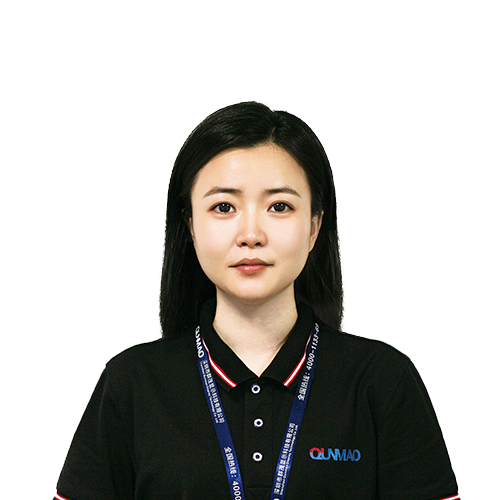
CEO | Интерактивный дисплей & Сотрудничество Решение Эксперт
Я являюсь основателем Qtenboard, привнеся более 17 лет практического опыта в индустрию сенсорных дисплеев. Опираясь на перспективы глобального управления, полученные в ходе моих исследований EMBA в Университете Шэньчжэня, я возглавляю свою команду по оптимизации каждого этапа нашей деятельности-от определения продукта до высокоэффективного управления цепочками поставок-гарантируя, что наши производственные возможности остаются на переднем крае отрасли.
Как руководитель Qtenboard, я специализируюсь на предоставлении адаптированных OEM/ODM-решений для интерактивных досок, ЖК-видеостен, цифровых вывесок и сенсорных терминалов промышленного уровня. Опираясь на наш современный промышленный парк площадью 330 000 м² в Шэньчжэне, мы поддерживаем полный контроль жизненного цикла промышленного дизайна, точного производства и тщательного тестирования производительности.
Обладая почти двадцатилетним опытом работы в проектах, решения Qtenboard в настоящее время развернуты в более чем 120 странах и регионах, заслужив доверие более 15 000 корпоративных клиентов по всему миру. Если вы ищете отзывчивого партнера с глубоким учредлением производства для ваших подгонянных проектов дисплея касания, то моя команда и я готовы поддержать ваше зрение с профессиональным передовым опытом.
 ru
ru
 EN
EN  pt
pt  spa
spa  th
th  vie
vie  aze
aze  bel
bel  est
est  lav
lav  ukr
ukr