Kiosk tự phục vụ toàn cầu Thị trường đang phát triển ở mức hơn 12% cagr, và các điểm tiếp xúc kỹ thuật số đã trở thành cơ sở hạ tầng tiêu chuẩn trên các dịch vụ bán lẻ, qsr, y tế, giáo dục và Chính phủ. Tuy nhiên đối với người mua B2B, quyết định quan trọng nhất-Lựa chọn giữa Android và Windows-Thường được thực hiện với Thông tin kỹ thuật không đầy đủ.
Dữ liệu trong ngành cho thấy việc lựa chọn hệ điều hành không phù hợp có thể làm tăng tổng chi phí sở hữu (tCo) lên 20 theo 30% trong Vòng đời 3 năm, do chi phí tích hợp bất ngờ, không tương thích ngoại vi và chi phí dịch vụ cao hơn. Hướng dẫn này được xây dựng cho ba nhân vật doanh nghiệp riêng biệt:
Chúng tôi sẽ phân tích các cơ sở KỸ THUẬT-Kiến trúc chip, ngăn xếp trình điều khiển, giao thức quản lý thiết bị và mô hình bảo mật-Và dịch từng tác động kinh doanh hữu hình. Không có lông tơ tiếp thị, chỉ phân tích cấp độ quyết định.
Thông tin: Các ki-ốt Android chủ yếu chạy trên socs dựa trên tay (ví dụ: Rockchip rk3588, Qualcomm qcm6490) với TDP trong khoảng 5-15W, cho phép các thiết kế không quạt. Các thiết bị Windows được tích hợp trên x86 (Intel Core / Celeron) với TDP dao động 15 ‑ 65W, yêu cầu làm mát chủ động (quạt hoặc tản nhiệt).
Vấn đề trong lĩnh vực này: For unattended, semi-outdoor environments (drive-thru lanes, parking garages, kitchen backared), dust and gregly creg coolling fans, musing Windows terminals to throttle shut down driving peer hoes. AND's fanless design draastically reduces this failure mode. Conversy, complex 3D rendering or large-model AI inference favors x86's GPU musle.
Giá trị cho dự án của bạn: Phù hợp với phong bì nhiệt với môi trường triển khai của bạn. Một lựa chọn kiến trúc sai chuyển trực tiếp sang thời gian chết không theo kế hoạch-và trong bán lẻ lưu lượng truy cập cao, mỗi phút ngừng hoạt động có thể mất hàng trăm doanh thu.
Thông tin: Các thiết bị ngoại vi Android dựa vào các cấu hình tiêu chuẩn USB HID, Serial GATT hoặc bộ lệnh ESC/POS. Hầu hết các máy quét mã vạch, máy in nhiệt và đầu đọc thẻ đều plug‑and‑play (không có trình điều khiển hoặc tự động tải xuống). Cửa sổ dựa trên vendor-cụ thể. Trình điều khiển inf, thường được gắn với các bản dựng hệ điều hành chính xác (ví dụ:, trình điều khiển camera độ phân giải cao có thể bị hỏng trên Windows 11 24h2).
Các vấn đề đang triển khai: Tung ra 100 kiốt cửa sổ với các mẫu thiết bị ngoại vi hỗn hợp đòi hỏi nhân viên CNTT phải cài đặt các phiên bản trình điều khiển khác nhau trên mỗi thiết bị-thêm 3-5 ngày làm việc cho thiết lập ban đầu. Đối với Android, việc triển khai tương tự có thể được hoàn thành từ xa thông qua cung cấp Cảm ứng zero-touch.
Giá trị mua sắm: Kiểm tra ngăn xếp phần mềm hiện có của bạn. Nếu ứng dụng kinh doanh cốt lõi của bạn là một. Hệ thống khung lưới/winforms gọi dlls cục bộ, Windows không thể thương lượng. Nếu ứng dụng của bạn dựa trên trang web hoặc sử dụng các khung nền tảng chéo, Android cung cấp một con đường nhanh hơn, rẻ hơn để Quy mô.
Thông tin: Android Enterprise (được chứng nhận edla) hỗ trợ ghi danh zero-touch và MDM (quản lý thiết bị di động) với chế độ kiosk khóa và tự động phục hồi khi khởi động lại. Windows Cung cấp Active Directory, Group Policy, wsus patching, bitlocker Encryption và Advanced Firewall rules.
Vấn đề cho đội tàu lớn: Triển khai 500 đơn vị: Android có thể được dàn dựng thông qua chính sách đám mây; thiết bị tự cấu hình khi khởi động đầu tiên. Windows yêu cầu chụp ảnh hệ thống hoặc sccm, tốn rất nhiều thời gian. Ngoài ra, "Patch Tuesday" của Microsoft có thể buộc khởi động lại trong giờ làm việc-Rủi Ro lớn cho các hoạt động 24/7. Bản cập nhật fota của Android có thể kiểm soát được nhiều hơn và có chu kỳ vá bảo mật có thể dự đoán được.
Đáng giá cho tổ chức của bạn: Nếu bạn có một đội ngũ CNTT tập trung với chuyên môn về miền, Windows cung cấp độ chi tiết bảo mật sâu hơn. Nếu trang web của bạn được phân phối và thiếu hỗ trợ trên trang web, Quản Lý cloudnative của Android là một lợi thế quyết định.
In these cases, Android delivers 30-40% lower 5-Year TCO du to lower hardware cost, faster deployment, and reduced field service.
Ở đây, Windows là lựa chọn khả thi duy nhất; buộc Android phải chịu chi phí bảo trì và tùy chỉnh không bền vững.
Các ví dụ cụ thể giúp lý thuyết kỹ thuật mặt đất trong thực tế kinh doanh. Dưới đây là hai triển khai Ẩn Danh minh họa khung quyết định đang hoạt động.
Bối cảnh: A 200-store franchise needed self Stores had no diffed IT staffed, and most locations had open kitchens with high ambient temperture and grease.
Thử Thách: Các kiốt dựa trên khung cửa sổ được thử nghiệm trong các cửa hàng thí điểm bị quá nóng và bị rơi trong thời gian 12:00 ‑ 14:00 Rush, yêu cầu khởi động lại bộ phận quản lý. Người lái xe xung đột với Máy in hóa đơn mới bị trì hoãn sau nhiều tuần.
Giải pháp: Triển khai Ki-ốt Android (RK3588, fanless) with MDM remote management. Single-app lockdown, ESC/POS provisioning allowed store managers to unbox and plug in indistance.
Kết quả: Thời gian hoạt động 98.5% trong giờ cao điểm; thời gian triển khai ban đầu trên mỗi cửa hàng Giảm từ 4 giờ xuống còn 25 phút; tCo 5 năm dự kiến thấp hơn 37% so với cửa sổ thay thế.
Bối cảnh: Một nhóm 5 bệnh viện dự kiến lắp đặt các kiốt kiểm tra để đăng ký bệnh nhân, in kết quả phòng thí nghiệm và thanh toán. Hệ thống này phải tích hợp với trung tâm của ông (Hệ thống thông tin bệnh viện) chạy trên A. Ứng dụng mạng với SQL Server cục bộ.
Thử Thách: Android thiếu hỗ trợ bản địa cho khách hàng của mình, sử dụng các điều khiển activex và được gọi là các dlls cụ thể của Windows. Ngoài ra, các kiốt cần thiết để kết nối với nhiều thiết bị ngoại vi y tế (Máy in nhãn mã vạch, máy quét có độ chính xác cao và bộ mã hóa thẻ) chỉ cung cấp trình điều khiển Windows.
Giải pháp: Đã chọn Windows IOT Enterprise Trên phần cứng x86 được làm mát bằng quạt. Đội ngũ CNTT của Bệnh viện đã quản lý các thiết bị thông qua quảng cáo và triển khai các chính sách nhóm để tuân thủ an ninh.
Kết quả: Tích hợp liền mạch với cơ sở hạ tầng hiện có; khả năng tương thích 100% với tất cả các thiết bị ngoại vi. Chi phí phần cứng cao hơn một chút đã được chứng minh bằng không kỹ thuật lại cốt lõi ứng dụng của ông và thông lượng bệnh nhân nhanh hơn.
Takeaway: Hệ điều hành "tốt nhất" là hệ điều hành phù hợp với phần mềm, môi trường và mô hình hỗ trợ hiện tại của bạn. Cả hai nền tảng đều mạnh mẽ-Chìa khóa là đánh giá trung thực, không phải là sai lệch của nhà cung cấp.
Hai xu hướng chính là định hình lại các quyết định mua sắm của kiosk. Lờ đi Rủi Ro không tuân thủ hoặc bỏ lỡ tiết kiệm chi phí.
Từ năm 2024, Google đã dần dần thắt chặt các yêu cầu đối với các thiết bị Android Enterprise. Bắt đầu từ năm 2026, Non‑edla‑certified thiết bị đầu cuối Android không thể giao hàng hợp pháp với dịch vụ di động của google (gms) Ở nhiều khu vực. Đối Với Giáo dục ở nước ngoài và các nhà thầu Chính Phủ (đặc biệt là ở EU và Mỹ), edla đang trở thành một vé nhập cảnh bắt buộc.
Hành động mua sắm: Xác minh rằng Nhà cung cấp Android của bạn giữ Chứng nhận edla hợp lệ. Nếu không, thiết bị của bạn có thể bị cấm trả giá trong khu vực công cộng, bất kể phần cứng xuất sắc.
Các kiốt hiện đại ngày càng nhúng tầm nhìn Máy tính để xác minh độ tuổi, phát hiện khay rỗng hoặc thanh toán tự động. ARM npu của Android (Bộ xử lý thần kinh) cung cấp hiệu suất tuyệt vời trên mỗi Watt cho các mẫu nhẹ (ví dụ, phân loại, phát hiện đối tượng). Windows X86 dgpu cung cấp thông lượng đỉnh cao hơn nhưng với công suất và chi phí cao hơn nhiều.
Quy Tắc quyết định: Nếu khối lượng công việc ai của bạn nhẹ và chạy trên thiết bị, Android sẽ thắng trên tCo. Nếu bạn có kế hoạch triển khai các mô hình ngôn ngữ lớn hoặc ai tạo ra ở rìa, Windows với GPU Rời Rạc là lựa chọn thiết thực.
Là một si, uy tín của bạn phụ thuộc vào việc giới thiệu hệ điều hành phù hợp cho từng khách hàng. Dưới đây là Ba Quy Tắc đã được chứng minh:
🔍Mẹo chuyên nghiệp: Khi trình bày cho khách hàng, hãy thay thế "Hệ điều hành nào tốt hơn?" bằng "hàng tồn kho Rủi Ro"-Liệt kê các tình huống như phục hồi ngừng hoạt động mạng, thay thế ngoại vi và thời gian vá lỗi. Điều này chuyển cuộc trò chuyện từ Ý kiến sang khả năng phục hồi hoạt động.
Câu 1: Hệ điều hành nào ổn định hơn cho 24/7 ki-ốt không giám sát?
Thiết kế cánh tay không quạt của Android có tỷ lệ thất bại phần cứng thấp hơn trong môi trường bụi bặm hoặc ấm áp, nhưng độ ổn định cũng phụ thuộc vào chất lượng ứng dụng. Đối với điều kiện khắc nghiệt, Android thường thắng.
Có, thông qua giao thức USB/RS232 tiêu chuẩn. Xác nhận rằng thiết bị thanh toán Cung cấp SDK Android hoặc hỗ trợ HID chung. Tuân thủ pci-dss được xử lý tại lớp ứng dụng.
Về mặt kỹ thuật thì có, nhưng bạn mất chính sách tập trung và quản lý an ninh. Đối với việc triển khai mà không có tại chỗ, điều này không được khuyến khích.
Edla (thỏa thuận cấp phép thiết bị doanh nghiệp) chứng nhận các thiết bị Android để cập nhật an ninh hợp pháp và kịp thời. Từ năm 2026, đây là một yêu cầu khó khăn đối với hầu hết các nhà thầu chính phủ/giáo dục ở nước ngoài.
Trình điều khiển quan trọng: chi phí phần cứng (thấp hơn Android 20 theo 30%), lao động triển khai (giảm Android ~ 50%) và dịch vụ hiện trường (sửa chữa từ xa Android so với trang web Windows). Yêu cầu mô hình tCo chi tiết từ đối tác phần cứng của bạn.
Lựa chọn giữa Android và Windows không phải là về lòng trung thành của thương hiệu-đó là về Căn chỉnh các đặc tính kỹ thuật với các hạn chế kinh doanh cụ thể của bạn. Từ các mô hình thiết kế nhiệt và trình điều khiển đến các giao thức quản lý và các yêu cầu edla/ai nổi lên, Mọi chi tiết cuối cùng đều chuyển thành đô la, thời gian chết và đau đầu khi triển khai.
Chúng tôi cung cấp cả hai Indiciale-gold Android and Windows self-service kiosks-Từ màn hình cảm ứng 15.6 "đến 65", được chứng nhận đầy đủ (CE, FCC, edla nếu có) và tùy chỉnh cho hỗn hợp ngoại vi của bạn. Đội ngũ kỹ thuật của chúng tôi không đẩy một nền tảng duy nhất; chúng tôi lắng nghe dự án của bạn và đề xuất phù hợp nhất.
Điền vào kịch bản triển khai, danh sách ngoại vi và ngân sách của bạn-Chúng tôi sẽ trả lại đề xuất tùy chỉnh trong vòng 24 giờ. Không có áp lực bán hàng, chỉ có hướng dẫn chuyên môn.
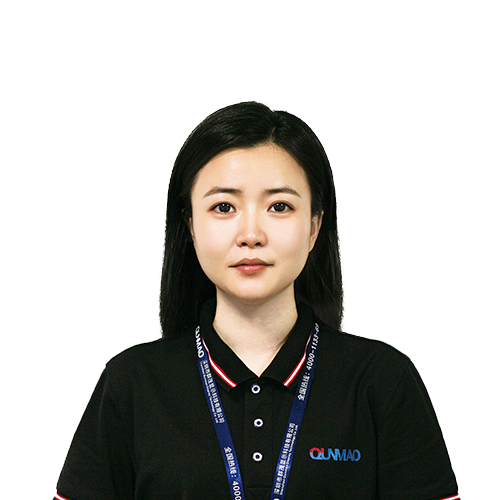
Giám đốc điều hành | chuyên gia giải pháp trưng bày và hợp tác tương tác
Tôi Là Người sáng lập qtenboard, mang đến hơn 17 năm kinh nghiệm thực hành cho ngành công nghiệp màn hình cảm ứng. Dựa trên quan điểm quản lý toàn cầu thu được thông qua nghiên cứu emba của tôi tại Đại học thâm quyến, tôi dẫn dắt đội ngũ của tôi trong việc tối ưu hóa mọi giai đoạn hoạt động của chúng tôi-từ định nghĩa sản phẩm đến Quản Lý Chuỗi Cung ứng hiệu quả cao-Đảm bảo khả năng sản xuất của chúng tôi luôn đi đầu trong ngành.
Là lãnh đạo của qtenboard, tôi chuyên cung cấp các giải pháp OEM/ODM phù hợp cho bảng trắng tương tác, tường video LCD, biển báo kỹ thuật số và thiết bị đầu cuối cảm ứng cấp công nghiệp. Được hỗ trợ bởi khu công nghiệp hiện đại 330,000 m² ở thâm quyến, chúng tôi duy trì kiểm soát toàn bộ vòng đời đối với thiết kế công nghiệp, sản xuất chính xác và kiểm tra hiệu suất nghiêm ngặt.
Với gần hai thập kỷ kinh nghiệm của dự án, các giải pháp trưng bày của qtenboard hiện được triển khai tại hơn 120 quốc gia và khu vực, đã giành được sự tin tưởng của hơn 15,000 khách hàng doanh nghiệp trên toàn thế giới. Nếu bạn đang tìm kiếm một đối tác phản hồi với nền tảng sản xuất sâu cho các dự án màn hình cảm ứng tùy chỉnh của bạn, nhóm của tôi và tôi đã sẵn sàng hỗ trợ tầm nhìn của bạn với sự xuất sắc chuyên nghiệp.
 vie
vie
 EN
EN  pt
pt  spa
spa  th
th  aze
aze  bel
bel  est
est  lav
lav  ukr
ukr  ru
ru