Globālais pašapkalpošanas kiosks Tirgus pieaug vairāk nekā 12% cagr, un digitālie pieskārienu punkti ir kļuvuši par standarta infrastruktūru mazumtirdzniecības, qsr, veselības aprūpes, izglītības un valsts pakalpojumiem. Tomēr b2b pircējiem, viens visvairāk sekas lēmums-izvēloties starp android un windows-bieži tiek veikts ar nepilnīgu tehnisko ieskatu.
Nozares dati liecina, ka nepareiza operētājsistēmas izvēle var uzpūst kopējās īpašuma izmaksas (tco) par 20-30% 3 gadu dzīves ciklā, ko izraisa negaidītas integrācijas izmaksas, perifēro nesaderību un lielākas lauka pakalpojumu pārvaldes. Šī rokasgrāmata ir veidota trīs atšķirīgiem uzņēmuma personām:
Mēs izdalīsim tehniskos pamatus-Mikroshēmu arhitektūra, vadītāju sloksnes, ierīču pārvaldības protokoli un drošības modeļi-Un pārvērst katru uz aptaujāmo biznesa ietekmi. Nav mārketinga pūka, tikai lēmumu pakāpes analīze.
Fakti: Android kioski galvenokārt darbojas ar arm balstītu soc (piem., rockchip rk3588, qualcomm qcm6490) ar tdp starp 5-15w, kas ļauj bez faniem dizainu. Windows ierīces ir būvētas uz x86 (intel core/celeron) ar tdp svārstās 15 ‑ 65w, kas prasa aktīvu dzesēšanu (ventilatori vai siltuma izlietnes).
Problēmas jomā: Neuzraudzītā, pusāra vidē (drivethru joslas, autostāvvietas, virtuves aizmugurējie biroji) putekļi un smērvielas ātri aizsprosta dzesēšanas ventilatorus, izraisot windows termināļu gāzšanu vai izslēgšanu piko stundās. Android ventilatoru dizains krasi samazina šo neveiksmes režīmu. Pretēji, sarežģītais 3d renderēšana vai liela modeļa ai secinājums joprojām dod x86 gpu muskuļu.
Jūsu projekta vērtība: Saskaņot siltuma aploksni ar savu izvietošanas vidi. Nepareiza arhitektūras izvēle tieši pārvēršas uz neplānotu atkritumu laiku-un lielās satiksmes mazumtirgos katra izslēgšanas minūte var izmaksāt simtiem zaudēto ieņēmumu.
Fakti: Android perifērijas ierīces paļaujas uz standarta usb hid, serial gatt profiliem vai esc/pos komandu komplektiem. Lielākā daļa svītrkoda skeneru, termisko printeru un karšu lasītāju ir plug-and-play (bez vadītāja vai automātiskās lejupielādes). Windows paļaujas uz vendor‑specific. Inf draiveri, bieži vien saistīti ar precīzu operētājsistēmu (piem., augstas izšķirtspējas kameras draiveris windows 11 24h2 var neizdoties).
Problēmas izvietošanā: Izlaižot 100 windows kioskus ar jauktiem perifērijas modeļiem, nepieciešama, lai personāls katrā vienībā instalētu dažādas draiveru versijas-pievienojot sākotnējai uzstādīšanai 3-5 darba dienas. Android gadījumā to pašu ieviešanu var pabeigt attālināti, izmantojot zero‑touch provisioning.
Iepirkuma vērtība: Pārbaudīt savu esošo programmatūras kaudze. Ja jūsu galvenā biznesa lietojumprogramma ir. Net framework/winforms sistēma, kas aicina vietējos dll, windows nav apspriežama. Ja jūsu lietojumprogramma ir tīmekļa bāze vai izmanto cross-platform frameworks, android piedāvā ātrāku un lētāku ceļu uz mēroga.
Fakti: Android enterprise (edla‑certified) atbalsta zero‑touch uzņemšanu un mdm (mobile device management) ar locked‑down kiosku režīmu un auto-atgūšanu pārstartējot. Windows piedāvā Active Directory, grupas politiku, WSUS ielāpu piemērošanu, BitLocker šifrēšanu un uzlabotus ugunsmūra noteikumus.
Lielo flošu problēmas: 500 vienību ieviešana: android var tikt iestatīts, izmantojot mākonis politiku; ierīces pats konfigurē pirmajā boot. Windows prasa sysprep attēlu vai sccm, patērē ievērojamu it manhours. Turklāt, microsoft "patch tuesday" var piespiest reboot darba laikā-galvenais risks 24/7 operācijām. Android fota atjauninājumi ir vairāk kontrolējams un ir prognozējamas drošības patch ciklus.
Vērtība jūsu organizācijai: Ja jums ir centralizēta it komanda ar domēna pieredzi, windows piedāvā dziļāku drošības granularitāti. Ja jūsu vietnes tiek izplatītas un nav atbalsta vietnē, android mākoņainā pārvaldība ir izšķiroša priekšrocība.
Šādos gadījumos android nodrošina 30-40% zemāku 5 gadu tco, jo ir zemākas aparatūras izmaksas, ātrāka izvietošana un samazināta lauka apkalpošana.
Šeit, windows ir vienīgā dzīvotspējīga iespēja; piespiežot android varētu radīt neilgtspējīgu pielāgošanu un uzturēšanas izmaksas.
Konkrēti piemēri palīdz pamata tehnisko teoriju biznesa realitātē. Zemāk ir divi anonīmi izvietojumi, kas ilustrē lēmumu ietvaru darbībā.
Fons: 200 veikalu franšīzei bija nepieciešami pašpasūtījuma kioski piekājpusdienu stundām. Veikalos nebija īpaša it personāla, un lielākajā daļā atrašanās vietu bija atvērtas virtuves ar augstu apkārtējās vides temperatūru un taukiem.
Izaicinājums: "Windows" bāzēti kioski, kas izmēģināti izmēģinājumu veikalos, pārkarsēja un sabruka laikā 12:00-14:00 skriešanās, nepieciešot pārstartēt "manager". Vadītāja konflikti ar jaunajiem saņemšanas printeriem aizkavēja ieviešanu ar nedēļām.
Risinājums: Izvietots Android kioski (Rk3588, fanless) ar mdm tālvadības. Vienreizējas lietotnes bloķēšana, esc/pos printera atbalsts un zero‑touch nodrošināšana ļāva veikalu pārvaldniekiem atbloķēt un pieslēgt bez it palīdzības.
Rezultāts: 98,5% veiktspējas laiks piko stundās; sākotnējais izvietošanas laiks katrā veikalā samazināts no 4 stundām līdz 25 minūtēm; 5 gadu tco paredzēja 37% zemāku nekā windows alternatīva.
Fons: 5 slimnīcu grupa plānoja uzstādīt pārbaudes kioskus pacientu reģistrēšanai, laboratorijas rezultātu drukāšanai un maksāšanai. Sistēmai bija jāintegrē ar centrālo his (slimnīcas informācijas sistēmu), kas darbojas a. Net lietojumprogramma ar vietējo sql serveri.
Izaicinājums: Android trūka native atbalstu viņa klientu, kas izmantoja activex kontroles un sauc windows specifisko dll. Turklāt kioskiem bija nepieciešams savienot ar vairākām medicīniskajām perifērijām (svītrkoda etiķešu printeri, augstas precizitātes skeneri un karšu kodētāji), kas nodrošināja tikai windows draiverus.
Risinājums: Izvēlējās Windows iot enterprise Uz fani atdzesētas x86 aparatūras. Slimnīcas it komanda pārvaldīja ierīces, izmantojot reklāmas un izvietotas grupas politikas drošības atbilstību.
Rezultāts: Bezšuvju integrācija ar esošo infrastruktūru; 100% saderība ar visām perifērijām. Nedaudz lielākas aparatūras izmaksas tika attaisnotas ar nulles pārstrādes pamata viņa pielietojumu un ātrāku pacientu caurlaidību.
Takeaway: “Labākais” os ir tas, kas saskaņo ar savu esošo programmatūru, vidi un atbalsta modeli. Abas platformas ir izturīgas-galvenais ir godīgs novērtējums, nevis pārdevēju aizspriedums.
Divas galvenās tendences ir kiosku iepirkumu lēmumu pārveidošana. To ignorēšana riskē neatbilstību vai izmirstu izmaksu ietaupījumus.
Kopš 2024. gada google ir pakāpeniski stingrākas prasības attiecībā uz android enterprise ierīcēm. Sākot ar 2026. gadu, Non-edla‑certified android termināli nevar legāli nosūtīt ar google mobile services (gms) Daudzos reģionos. Ārvalstu izglītības un valsts konkursiem (īpaši es un asv) edla kļūst par obligātu ieejas biļeti.
Iepirkuma pasākums: Pārbaudiet, vai jūsu android piegādātājs ir derīgs edla sertifikācija. Pretējā gadījumā jūsu ierīcēm var būt aizliegta publiskā sektora piedāvājumi, neatkarīgi no aparatūras izcilības.
Mūsdienu kioski arvien vairāk ievieto datora redzējumu vecuma pārbaudei, tukšās paplātes noteikšanai vai automātiskajai kases veikšanai. Android arm npu (neural processing unit) piedāvā lielisku veiktspēju uz vatu vieglajiem modeļiem (piem., klasifikācija, objektu atklāšana). Windows x86 dgpu nodrošina lielāku maksimālo caurlaidību, bet ar daudz lielāku jaudu un izmaksu.
Lēmumu noteikums: Ja jūsu ai darba slodze ir viegla un darbojas ierīcē, android uzvar tco. Ja jūs plānojat izvietot lielus valodu modeļus vai ģeneratīvo ai malā, windows ar diskrētu gpu ir praktiskā izvēle.
Kā si, jūsu uzticamība ir atkarīga ieteikt pareizo os katram klientam. Šeit ir trīs pierādīti noteikumi:
🔍Profs padoms: Prezentējot klientu, nomainiet “kura os ir labāka?” ar “riska inventāru”-saraksta scenārijus, piemēram, tīkla pārtraukuma atgūšana, perifērijas nomaiņa, un patch laika. Tas pārvieto sarunu no viedokļiem uz operatīvo izturību.
Q1: kura os ir stabilāka 24/7 bez uzraudzības kioskiem?
Android bezfanu arm dizains ir zemākas aparatūras neveiksmes likmes putekļainā vai siltā vidē, bet stabilitāte ir atkarīga arī no lietojumprogrammas kvalitātes. Par skarbajiem apstākļiem, android bieži uzvar.
Jā, izmantojot standarta usb/rs232 protokolus. Apstipriniet, ka maksājumu ierīce nodrošina android sdk vai atbalsta vispārēju hid. Pci‑dss atbilstība tiek apstrādāta lietojumprogrammas slānī.
Tehniski jā, bet jūs zaudējat centralizētu politiku un drošības pārvaldību. Izvietošanai bez vietnes tas nav ieteicams.
Edla (enterprise device licensing agreement) sertificē android ierīces legālas gms un savlaicīgas drošības atjauninājumus. No 2026. gada tas ir grūts prasība lielākajai daļai valsts/izglītības konkursu ārzemēs.
Galvenie draiveri: aparatūras izmaksas (android par 20-30% zemākas), ieviešanas darbs (android ~ 50% mazāk) un lauka serviss (android remote‑fix vs. windows on-site). Pieprasīt detalizētu tco modeli no sava aparatūras partnera.
Izvēloties starp android un windows nav par zīmola lojalitāti-tas ir par Saskaņojot tehniskās īpašības ar jūsu konkrētajiem biznesa ierobežojumiem. No termiskās konstrukcijas un vadītāju modeļiem līdz vadības protokoliem un jaunajām edla/ai prasībām, katrs detaļa galu galā pārvēršas dolāros, atkritumu un ieviešanas galvassāpes.
Mēs piedāvājam gan Industriālā līmeņa android un windows pašapkalpošanas kioski-No 15.6 "līdz 65" skārienekrāni, pilnībā sertificēti (ce, fcc, edla, ja piemērojams), un pielāgojami jūsu perifēro mix. Mūsu inženieru komanda nav stumt vienu platformu; mēs klausīties jūsu projektu un iesaka vislabāk fit.
Aizpildiet savu ieviešanas scenāriju, perifēro sarakstu un budžetu-mēs atgriežamies pielāgotu ieteikumu 24 stundu laikā. Nav pārdošanas spiediena, tikai ekspertu vadība.
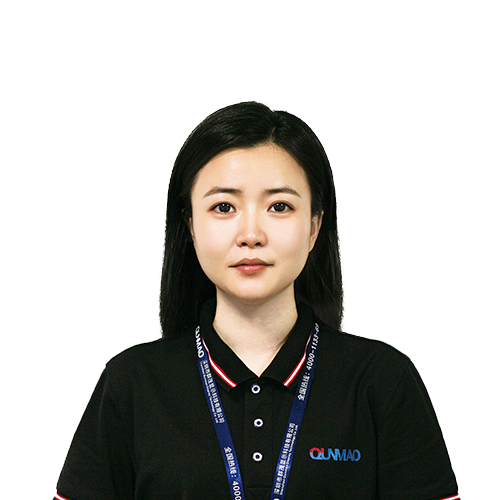
Ceo | interaktīva displeja un sadarbības risinājumu eksperts
Esmu Qtenboard dibinātājs, un man ir vairāk nekā 17 gadu praktiskas pieredzes skārienjūtīgo ekrānu nozarē. Pamatojoties uz globālās vadības perspektīvu, kas iegūta, izmantojot emba studijas šengenas universitātē, es vadu savu komandu, optimizējot katru darbības posmu-no produktu definīcijas līdz augstas efektivitātes piegādes ķēdes pārvaldībai-nodrošinot, ka mūsu ražošanas spējas paliek nozares priekšgalā.
Kā qtenboard līderis, es specializējos, lai nodrošinātu pielāgotus oem/odm risinājumus interaktīvajām tāfelēm, lcd video sienām, ciparu apzīmēm un rūpnieciskās kvalitātes pieskāriena termināļiem. Atbalstīts mūsu 330,000 m² mūsdienu rūpniecības parks shenzhen, mēs uzturēt pilnu dzīves cikla kontroli pār rūpniecisko dizainu, precizitāti ražošanu un stingru veiktspējas testēšanu.
Ar gandrīz divus gadu desmitus ilgu projekta pieredzi, qtenboard displeja risinājumi tagad tiek izvietoti vairāk nekā 120 valstīs un reģionos, nopelnījis vairāk nekā 15,000 uzņēmumu klientu uzticību visā pasaulē. Ja jūs meklējat atsaucīgu partneri ar dziļu ražošanas pamatu jūsu pielāgotiem touch displeja projektiem, mans komanda un es esam gatavi atbalstīt jūsu vīziju ar profesionālu izcilību.
 lav
lav
 EN
EN  pt
pt  spa
spa  th
th  vie
vie  aze
aze  bel
bel  est
est  ukr
ukr  ru
ru