คุณเคยพบกับสถานการณ์นี้หรือไม่?
คุณซื้อจอแสดงผล All-in-one แบบโต้ตอบระดับมืออาชีพเสียบสายเคเบิล Type-C ได้อย่างง่ายดายโดยคาดหวังว่าจะรองรับการส่งสัญญาณวิดีโอระบบควบคุมแบบสัมผัสและการชาร์จทั้งหมดในครั้งเดียว-เพียงเพื่อค้นหามันให้พลังงานเท่านั้นสำหรับวิดีโอคุณต้องเชื่อมต่อสาย HDMI สำหรับฟังก์ชันสัมผัสต้องใช้สาย USB แยกต่างหากทันทีคุณอาจคิดว่า "การออกแบบนี้รู้สึกล้าสมัยมาก" หรือ "พวกเขาตัดมุม?"
แม้ว่าคุณจะเห็นคู่แข่งที่ส่งเสริม "All-in-one Type-C ที่มีการเชื่อมต่อสายเคเบิลเดียว" ข้อสงสัยเติบโตขึ้น: ถ้า Type-C สามารถทำได้ในทางทฤษฎีทำไมการแสดงผลแบบ all-in-one ที่เชื่อถือได้ยังคงใช้อินเทอร์เฟซแยกต่างหากสามแบบ?
ในความเป็นจริงคุณเข้าใจผิดดีกว่า "แต่" ความเหมาะสมของส่วนผสม "การออกแบบอินเตอร์เฟซสำหรับการแสดงผลแบบ all-in-one ไม่ได้เกี่ยวกับ" การบรรจุคุณสมบัติมากที่สุด "แต่" ความเสถียรในการจัดลำดับความสำคัญ "ในตลาดอินเทอร์เฟซการแสดงผลแบบ all-in-one ส่วนใหญ่อยู่ในสามประเภท:" All-functional Type-C (การเชื่อมต่อสายเคเบิลเดี่ยว) "“ HDMI TOUCH USB Power-only Type-C (สถาปัตยกรรมแยก) ”และ“ Type-C.ปลอมทั้งหมด (รุ่นกลไก) "ความแตกต่างระหว่างพวกเขามีความสำคัญ-การเลือกที่เหมาะสมหลีกเลี่ยงข้อผิดพลาดเช่นการตัดการเชื่อมต่อบ่อยและความเข้ากันได้ไม่ดี
วันนี้เราจะทำลายสิ่งนี้ด้วยการวิเคราะห์สี่มิติ: จุดปวดการเปรียบเทียบการทดสอบในโลกแห่งความเป็นจริงและสถานการณ์รวมกับข้อมูลอุตสาหกรรมและกรณีศึกษาเราจะอธิบายว่าทำไม "สถาปัตยกรรมอินเทอร์เฟซแยก" จึงเป็นตัวเลือกอันดับต้นๆสำหรับจอแสดงผลแบบ all-in-one ระดับมืออาชีพ-ไม่ใช่เกี่ยวกับเทคโนโลยีที่ล้าสมัยแต่เกี่ยวกับการสร้าง "ความมั่นคง" ในการออกแบบหลัก
| เกณฑ์การเปรียบเทียบ | Type-C อเนกประสงค์ (สายเดี่ยว) | HDMI TOUCH USB Power-only Type-C (แยกออกจากกัน) | ปลอมอเนกประสงค์ Type-C (gimmick) |
|---|---|---|---|
| คำจำกัดความหลัก | พอร์ต Type-C เดียวรองรับวิดีโอสัมผัสการชาร์จและการรับส่งข้อมูลพร้อมกัน | การแบ่งแรงงานที่ชัดเจน: HDMI สำหรับอินพุตวิดีโอ, USB สำหรับการส่งคืนสัญญาณสัมผัส, Type-C เฉพาะสำหรับการจ่ายพลังงาน | ระบุว่า "All-functional Type-C" แต่การส่งผ่านวิดีโอ/การสัมผัสไม่เสถียรกับความขัดแย้งทางโปรโตคอลบ่อยๆ |
| สถานการณ์ในอุดมคติ | สำนักงานส่วนบุคคล (การเชื่อมต่ออุปกรณ์เดียวคงที่) การใช้งานที่มีน้ำหนักเบาชั่วคราว | ห้องเรียน, ห้องประชุม, ศูนย์ฝึกอบรม, สถาบันสาธารณะ (การสลับหลายอุปกรณ์, การใช้งานความถี่สูง) | E-commerce สตรีมสดรุ่นระดับรายการต้นทุนต่ำ (แสดงเท่านั้นไม่มีค่าการทำงานร่วมกันจริง) |
| ความเข้ากันได้เข้ากันได้ | ขึ้นอยู่กับอุปกรณ์ /os/ การจับคู่สายเคเบิล: ความเข้ากันได้85% กับแล็ปท็อป Windows, 72% กับ MacOS, 58% กับ LINUX | รองรับอุปกรณ์สากล: HDMI ทำงานร่วมกับอุปกรณ์เอาต์พุตวิดีโอทั้งหมด; สัมผัส USB รองรับ windows/mac/linux; การชาร์จ Type-C เหมาะกับอุปกรณ์99% | ความเข้ากันได้ที่ไม่เสถียรมาก: ฟังก์ชันอาจล้มเหลวเมื่อเปลี่ยนสายเคเบิลสำหรับอุปกรณ์เดียวกัน |
| ความเสถียร (การทดสอบ3rd-Party) | การใช้ความถี่สูง (สวิตช์อุปกรณ์ ≥ 5/วัน): อัตราความล้มเหลว18.7% ใน30วัน (การสูญเสียสัญญาณการทำงานผิดปกติแบบสัมผัส) | การใช้ความถี่สูง: อัตราความล้มเหลว2.3% ใน30วัน (เฉพาะปัญหาเป็นครั้งคราวจากสายหลวมไม่มีความขัดแย้งของโปรโตคอล) | การใช้งานความถี่สูง: อัตราความล้มเหลว32.1% ใน30วัน (การพูดติดอ่างวิดีโอ, ความล่าช้าในการสัมผัส, การหยุดชะงักของการชาร์จ) |
| เกณฑ์ทางเทคนิค | ต้องมีการรวมโปรโตคอลที่ซับซ้อน (โหมด DisplayPort Alt USB4การชาร์จ PD) ซึ่งไวต่อคุณภาพของสายเคเบิลและโซลูชันชิปเซ็ตสูง | เทคโนโลยีสำหรับผู้ใหญ่: hdmi/usb เป็นโปรโตคอลอิสระที่ไม่มีสัญญาณรบกวน | โซลูชันชิปเซ็ตต้นทุนต่ำพร้อมการรวมโปรโตคอลที่ไม่สมบูรณ์ตอบสนองเฉพาะ "ฟังก์ชันทางทฤษฎี" |
| ประสบการณ์ผู้ใช้ | ความสะดวกสบายสายเคเบิลเดียวแต่การสลับอุปกรณ์ต้องเสียบใหม่การเจรจาต่อรองโปรโตคอลใช้เวลา3-5วินาที | สายเคเบิลหลายเส้นแต่แบ่งแรงงานอย่างชัดเจนการสลับต้องเปลี่ยน hdmi/usb ด้วยฟังก์ชัน Plug-and-Play เท่านั้น (เวลาแฝง ≤ 0.5วินาที) | “ดูเหมือนสะดวก” ในตอนแรกแต่ข้อผิดพลาดบ่อยครั้งในการใช้งานจริงจำเป็นต้องรีสตาร์ทอุปกรณ์หรือเปลี่ยนสายเคเบิล |
| ข้อดีที่สำคัญ | พกพาสะดวกสูงเหมาะสำหรับการใช้งานอุปกรณ์เดียวแบบตายตัว | ความเสถียรสูงความเข้ากันได้กว้างอัตราความล้มเหลวต่ำเหมาะสำหรับการทำงานร่วมกันหลายอุปกรณ์ความถี่สูง | ราคาต่ำลูกเล่นการตลาดที่น่าสนใจน่าสนใจน่าสนใจสำหรับผู้ใช้มือใหม่ |
| ข้อเสียที่อาจเกิดขึ้น | การสลับหลายอุปกรณ์ที่ยุ่งยากคุณภาพของสายเคเบิลไม่ดีทำให้เกิดความล้มเหลวในการทำงานค่าบำรุงรักษาสูง | สายเคเบิลมากกว่า Type-C ที่ใช้งานได้ทั้งหมด | ไม่มีค่าการทำงานร่วมกันที่แท้จริงการใช้งานในระยะยาวมีแนวโน้มที่จะมีปัญหาด้านประสิทธิภาพเนื่องจากความล้มเหลว |
| อัตราการยอมรับอุตสาหกรรม (2024การศึกษา/รายงานการจัดซื้อองค์กร) | 37% สำหรับการจัดซื้อจัดจ้างสำนักงานส่วนบุคคล12% สำหรับห้องประชุมขององค์กร | 89% สำหรับสถาบันการศึกษา78% ห้องประชุมองค์กร92% สำหรับสถาบันการศึกษา | 15% สำหรับการจัดซื้อขายปลีกออนไลน์ <3% สำหรับการซื้อขององค์กรจำนวนมาก |
หลายคนเท่าเทียมกัน "การเชื่อมต่อสายเคเบิลเดี่ยว" กับ "ระดับไฮเอนด์" แต่ผู้ที่ใช้สถานการณ์ระดับมืออาชีพ g., ห้องประชุมที่มีสวิตช์อุปกรณ์รายวัน10ตัวห้องเรียนที่มีคอมพิวเตอร์หมุนได้30เครื่อง) เข้าใจ: Type-C ที่ใช้งานได้จริงนั้น “สะดวกตามทฤษฎีแต่มีปัญหาในทางปฏิบัติ” ในขณะที่อินเทอร์เฟซแบบแยกส่วนนั้น “ดูยุ่งยากแต่ไร้กังวล” คุณค่าหลักของสถาปัตยกรรมที่แยกจากกันนั้นเกินกว่า "การแบ่งแรงงานที่ชัดเจน" ซึ่งมีรากฐานมาจากวุฒิภาวะทางเทคนิคและการปรับตัวของสถานการณ์นี่คือเหตุผลที่ผู้ผลิตมืออาชีพส่วนใหญ่ยึดมั่นในการออกแบบนี้:
ในขณะที่คู่แข่ง hype "All-functional Type-C" ทำไมแบรนด์มืออาชีพถึงปฏิเสธที่จะปฏิบัติตาม? จากมุมมองทางวิศวกรรม "การเชื่อมต่อสายเคเบิลเดี่ยว" มีความเสี่ยงที่ซ่อนอยู่มากเกินไปและอินเทอร์เฟซแยกเป็นทางเลือกที่กระตือรือร้นในการลดพวกเขา:
✅ความขัดแย้งของโปรโตคอล: "นักฆ่าที่มองไม่เห็น" ของ Type-C อเนกประสงค์
Type-C อเนกประสงค์ต้องพกพาโปรโตคอลสามตัวพร้อมกัน: วิดีโอ (โหมด DisplayPort ALT), สัมผัส (USB HID) และการชาร์จ (PD)-คล้ายกับ "รถบรรทุกรถยนต์, และจักรยานที่ใช้ถนนสายเดียวกัน” ซึ่งทำให้เกิดความแออัดได้ง่ายตัวอย่างเช่นการเจรจาต่อรองพลังงานระหว่างแล็ปท็อปและจอแสดงผลอาจรบกวนสัญญาณวิดีโอนำไปสู่การกะพริบของหน้าจอช่องที่ใช้ร่วมกันสำหรับสัญญาณสัมผัสและการรับส่งข้อมูลอาจส่งผลให้ "ความล่าช้าในการสัมผัส1-2วินาที"
ในทางตรงกันข้ามอินเทอร์เฟซแยกทำหน้าที่เป็น "ถนนอิสระสามสาย": HDMI เฉพาะสำหรับวิดีโอ, USB สำหรับการสัมผัสและ Type-C สำหรับการชาร์จไฟ-ไม่มีการรบกวนซึ่งกันและกันการทดสอบในอุตสาหกรรมแสดงอัตราความขัดแย้งของโปรโตคอลสำหรับอินเทอร์เฟซแยกต่างหากเพียง0.8% เมื่อเทียบกับ12.3% สำหรับประเภท C ที่ใช้งานได้ทั้งหมดนี่คือตัวเลือก "ZERO-Tolerance" สำหรับสถานการณ์ระดับมืออาชีพ
✅ความเข้ากันได้: "การปรับตัวฝันร้าย" ของ All-functional Type-C
การใช้งานชิปเซ็ต Type-C แตกต่างกันไปอย่างมากในแบรนด์แล็ปท็อป: Lenovo จัดลำดับความสำคัญ "วิดีโอ> การชาร์จ" สำหรับโหมด ALT, Apple "การชาร์จ> วิดีโอ" และ Huawei "DATA> Video" ซึ่งหมายความว่าจอแสดงผล Type-C อเนกประสงค์อาจส่งวิดีโอสำหรับแล็ปท็อป Lenovo ชาร์จเฉพาะอุปกรณ์ Apple และไม่สามารถลงทะเบียนสัมผัสสำหรับคอมพิวเตอร์ Asus ได้
อินเทอร์เฟซที่แยกจากกันช่วยขจัดปัญหานี้ทั้งหมด: HDMI เป็น "ภาษาสากล" สำหรับการส่งสัญญาณวิดีโอรองรับโดยอุปกรณ์เกือบทั้งหมด USB touch ใช้ "โปรโตคอล HID มาตรฐาน" ได้รับการยอมรับโดยอัตโนมัติโดย windows/mac/linux โดยไม่ต้องใช้ไดรเวอร์เพิ่มเติมมันปรับให้เข้ากับอุปกรณ์ทั้งหมดได้อย่างลงตัวหลีกเลี่ยงความขุ่นมัวของ "ความล้มเหลวที่เฉพาะเจาะจงของอุปกรณ์"
✅การพึ่งพาสายเคเบิล: "ข้อบกพร่องร้ายแรง" ของประเภท C ที่ใช้งานได้ทั้งหมด
สายเคเบิลคุณภาพสูงที่รองรับโหมด Alt 100W PD USB 3.2โดยทั่วไปจะมีค่าใช้จ่ายมากกว่า $15. อย่างไรก็ตามผู้ใช้ทั่วไปมักใช้ "สายชาร์จ Type-C เท่านั้น" หรือ "สายเคเบิลคุณภาพต่ำที่มีอายุการใช้งาน" นำไปสู่ความเข้าใจผิดว่า "จอแสดงผลเสีย" เมื่อเป็นปัญหาเกี่ยวกับสายเคเบิล
อินเทอร์เฟซแยกมีข้อกำหนดสายเคเบิลน้อยที่สุด: สาย HDMI 3 $ ทำงานได้อย่างสมบูรณ์แบบสาย USB เป็นสากลและสายชาร์จ Type-C มีให้เลือกมากมายหากสายเคเบิลสูญหายหรือเสียหายพบการเปลี่ยนได้ง่าย-ไม่จำเป็นต้องใช้สายเคเบิลที่เป็นกรรมสิทธิ์
เมื่อเลือกจอแสดงผลแบบ all-in-one แบบมืออาชีพบานพับออกแบบอินเทอร์เฟซบน "ความเสถียรและการปรับตัว" qtenboard ซึ่งเป็นแบรนด์ที่เชี่ยวชาญด้านการศึกษาและสถานการณ์ขององค์กรได้ขัดเกลาการออกแบบอินเทอร์เฟซที่แยกจากกันตามความต้องการในโลกแห่งความเป็นจริงซึ่งได้รับความไว้วางใจจากสถาบันการศึกษา89% และองค์กร78%
การออกแบบอินเทอร์เฟซของ qtenboard ไม่ไล่ตามแนวโน้มแต่ใช้ประโยชน์จากข้อมูลสถานการณ์กว่าทศวรรษ:
-พอร์ตวิดีโอ: dual HDMI 2.0 HDMI 2.1รองรับการส่งผ่านความละเอียดสูง4K 60Hz-ไม่มีการพูดติดอ่างหรือการบิดเบือนสีแม้สำหรับภาพวาด CAD บนคอมพิวเตอร์ออกแบบมืออาชีพ
-พอร์ตสัมผัส: USB-A คู่และ USB-C (เฉพาะแบบสัมผัส)-พอร์ต USB สำรองช่วยป้องกันความล้มเหลวในการทำงานที่เกิดจากสายเคเบิลสัมผัสหลวม
-พอร์ตชาร์จ: 100W PD Type-C ชาร์จแล็ปท็อปชาร์จเร็วแท็บเล็ตและโทรศัพท์-รองรับ "ชาร์จ-ขณะใช้งาน" โดยไม่หยุดชะงัก
-การสำรองข้อมูลเพิ่มเติม: การหล่อแบบไร้สายในตัวรองรับอุปกรณ์พร้อมกัน9เครื่อง-การเชื่อมต่อไร้สายช่วยเติมเต็มอินเทอร์เฟซแบบมีสายเสถียรภาพในการปรับสมดุลและความสะดวกสบาย
อินเตอร์เฟซที่แยกออกจากกันของ qtenboard ไม่ได้เป็นเพียง "การสะสมสายเคเบิล"-เหมาะสำหรับสถานการณ์ที่หลากหลาย:
-โหมดห้องเรียน: พอร์ต USB มี "TOUCH LOCK" เพื่อป้องกันการถอดสายเคเบิลโดยไม่ได้ตั้งใจโดยนักเรียนไม่จำเป็นต้องดำเนินการด้วยตนเอง
-โหมดการประชุม: การชาร์จ Type-C มี "การปรับพลังงานอัจฉริยะ"-เอาต์พุต18W สำหรับโทรศัพท์100W สำหรับแล็ปท็อป-หลีกเลี่ยงความเสียหายของอุปกรณ์จากระดับพลังงานที่ไม่ตรงกัน
-โหมดการฝึกอบรม: พอร์ตทั้งหมดรวมถึง "การออกแบบที่ป้องกันการเข้าใจผิด"-รูปร่างที่แตกต่างกันสำหรับ HDMI และ USB ช่วยให้สามารถใส่ตาบอดได้แม้ในสภาพแวดล้อมที่มีแสงน้อยช่วยประหยัดเวลาในการตั้งค่า
อินเตอร์เฟซที่แยกออกจากกันของ qtenboard ได้ผ่านการทดสอบเผด็จการ:
-1,000ชั่วโมงของการเปลี่ยนอุปกรณ์ความถี่สูงอย่างต่อเนื่องด้วยอัตราความล้มเหลวของ0.5%-ต่ำกว่าค่าเฉลี่ยของอุตสาหกรรม5.8%
-ความเข้ากันได้กับ99.7% ของอุปกรณ์อิเล็กทรอนิกส์หลักรวมทั้งเดสก์ทอปเก่า Ultrabooks ใหม่แท็บเล็ตและโทรศัพท์
"การรับรองอินเตอร์เฟซที่มีเสถียรภาพในอุตสาหกรรมการศึกษา" และ "การรับรองอุปกรณ์การทำงานร่วมกันระดับองค์กร"-ได้รับความไว้วางใจจากโรงเรียน3,000แห่งและองค์กร2,000นี้เป็นตัวเป็นตนกิน: การเรียกร้องที่ว่างเปล่าแต่การตรวจสอบผ่านข้อมูลและชื่อเสียงของผู้ใช้
ในที่สุดการออกแบบอินเทอร์เฟซสำหรับจอแสดงผลแบบ all-in-one ไม่ได้เกี่ยวกับ "กี่คุณสมบัติที่มี" แต่ "ไม่ว่าจะตอบสนองความต้องการได้อย่างน่าเชื่อถือหรือไม่" อินเตอร์เฟซแยกมืออาชีพเช่นเครื่องมือที่เชื่อถือได้อาจไม่ฉูดฉาดแต่ให้ประสิทธิภาพที่สอดคล้องกันในสถานการณ์ในโลกแห่งความเป็นจริงอย่าตรึง "ล้าสมัย"-การออกแบบที่ช่วยให้คุณประหยัดจากอาการปวดหัวและการหยุดชะงักเป็นทางเลือกที่ดีที่สุด
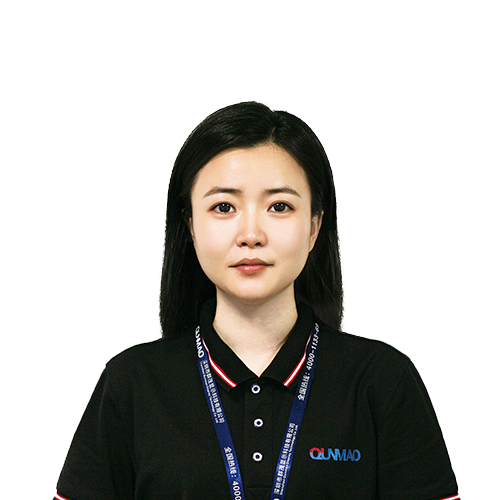
ซีอีโอ | ผู้เชี่ยวชาญด้านโซลูชันการแสดงผลแบบโต้ตอบและการทำงานร่วมกัน
ฉันเป็นผู้ก่อตั้ง qtenboard นำความเชี่ยวชาญด้านการลงมือปฏิบัติมากกว่า17ปีมาสู่อุตสาหกรรมการแสดงผลแบบสัมผัสจากมุมมองการจัดการทั่วโลกที่ได้รับจากการศึกษา EMBA ของฉันที่มหาวิทยาลัยเซินเจิ้นฉันนำทีมของฉันในการเพิ่มประสิทธิภาพทุกขั้นตอนของการดำเนินงานของเรา-จากความละเอียดของผลิตภัณฑ์ที่มีประสิทธิภาพสูงการจัดการห่วงโซ่อุปทาน-มั่นใจความสามารถในการผลิตของเรายังคงอยู่ในระดับแนวหน้าของอุตสาหกรรม
ในฐานะผู้นำของ qtenboard ฉันเชี่ยวชาญในการให้บริการโซลูชั่น oem/odm ที่ปรับแต่งสำหรับกระดานไวท์บอร์ดแบบโต้ตอบผนังวิดีโอ LCD ป้ายดิจิตอลและเทอร์มินัลสัมผัสระดับอุตสาหกรรมสนับสนุนโดย330,000ตารางเมตรสวนอุตสาหกรรมที่ทันสมัยของเราในเซินเจิ้น, เรารักษาเต็ม Lifecycle ควบคุมการออกแบบอุตสาหกรรม, การผลิตที่มีความแม่นยำ, และการทดสอบประสิทธิภาพที่เข้มงวด.
ด้วยประสบการณ์โครงการเกือบสองทศวรรษโซลูชันการแสดงผลของ qtenboard จึงถูกนำไปใช้ในกว่า120ประเทศและภูมิภาคได้รับความไว้วางใจจากลูกค้าระดับองค์กรมากกว่า15,000รายทั่วโลกหากคุณกำลังมองหาพันธมิตรที่ตอบสนองต่อการผลิตที่ลึกซึ้งสำหรับโครงการแสดงผลแบบสัมผัสที่กำหนดเองของคุณทีมของฉันและฉันพร้อมที่จะสนับสนุนวิสัยทัศน์ของคุณด้วยความเป็นเลิศระดับมืออาชีพ
 th
th
 EN
EN  pt
pt  spa
spa  vie
vie  aze
aze  bel
bel  est
est  lav
lav  ukr
ukr  ru
ru