¿Te has encontrado alguna vez con este escenario?
Usted compra una pantalla todo en uno interactiva profesional, conecta un cable tipo C esperando ansiosamente que maneje la transmisión de video, el control táctil y la carga de una sola vez, solo para descubrir que solo proporciona energía. Para el video, necesita conectar un cable HDMI; para la funcionalidad táctil, se requiere un cable USB separado. Instantáneamente, podría pensar: “Este diseño se siente tan anticuado” o “¿Cortan las esquinas?”
Incluso cuando ves a los competidores promocionando "todo en uno de tipo C con conectividad de un solo cable", las dudas se hacen más fuertes: si el tipo C teóricamente puede hacerlo todo, ¿por qué las pantallas todo en uno confiables aún dependen de tres interfaces separadas?
En realidad, eres un malentendido. El diseño de la interfaz "mejor" pero "idoneidad de los ingredientes" para las pantallas todo en uno no se trata de "empacar la mayoría de las características" sino de "priorizar la estabilidad". En el mercado, las interfaces de pantalla todo en uno se dividen principalmente en tres categorías: "Tipo C todo funcional (conectividad de un solo cable)", "HDMI Touch USB Power-Only Tipo-C (arquitectura separada)" y "Falso tipo C todo funcional" (Modelos de truco) ”. Las diferencias entre ellos son significativas: elegir el correcto evita trampas como desconexiones frecuentes y compatibilidad deficiente.
Hoy, vamos a desglosar esto con un análisis de cuatro dimensiones: Puntos de dolor, comparaciones, pruebas del mundo real y escenariosCombinado con datos de la industria y estudios de casos. Explicaremos por qué la "arquitectura de interfaz separada" es la mejor opción para las pantallas profesionales todo en uno: no se trata de tecnología obsoleta, sino de construir "estabilidad" en el diseño central.
| Criterios de comparación | Todo-Funcional Tipo-C (de un solo cable) | HDMI Touch USB Power-Only Tipo-C (Separado) | Falso Todo-Funcional Tipo-C (Truco) |
|---|---|---|---|
| Definición del núcleo | El solo tipo-c puerto maneja simultáneamente el vídeo, el tacto, la carga, y la transmisión de datos | División clara del trabajo: HDMI para entrada de video, USB para retorno de señal táctil, Tipo-C exclusivamente para entrega de energía | Etiquetado como "todo funcional de tipo C", pero la transmisión de video/táctil es inestable con frecuentes conflictos de protocolo |
| Ideal Scenarios | Oficina personal (conexión fija de un solo dispositivo), uso ligero temporal | Aulas, salas de reuniones, centros de formación, instituciones públicas (conmutación multidispositivo, uso de alta frecuencia) | Transmisión en vivo de comercio electrónico, modelos de nivel de entrada de bajo costo (solo pantalla, sin valor de colaboración real) |
| Compatibilidad | Dependiendo de la coincidencia del dispositivo/OS/cable: 85% de compatibilidad con computadoras portátiles con Windows, 72% con macOS, 58% con Linux | Soporte universal de dispositivos: HDMI funciona con todos los dispositivos de salida de vídeo; USB táctil compatible con Windows/Mac/Linux; Tipo-C de carga se adapta al 99% de los dispositivos | Compatibilidad extremadamente inestable: la funcionalidad puede fallar al cambiar los cables para el mismo dispositivo; desconexiones comunes en las transiciones del sistema operativo |
| Estabilidad (prueba de terceros) | Uso de alta frecuencia (≥ 5 interruptores de dispositivo/día): 18.7% de tasa de falla en 30 días (pérdida de señal, mal funcionamiento táctil) | Uso de alta frecuencia: tasa de falla del 2.3% en 30 días (solo problemas ocasionales de cables sueltos, sin conflictos de protocolo) | Uso de alta frecuencia: 32.1% de tasa de fallas en 30 días (video stuttering, touch lag, interrupciones de carga) |
| Umbral técnico | Requiere una integración de protocolo compleja (carga DisplayPort Alt Mode USB4 PD), altamente susceptible a la calidad del cable y las soluciones de chipset | Tecnología madura: HDMI/USB son protocolos independientes sin interferencia de señal; requisitos de cable bajos | Soluciones de chipset de bajo costo con integración de protocolo incompleta, que solo cumplen con la "funcionalidad teórica" |
| Experiencia de usuario | La comodidad de un solo cable, pero la conmutación del dispositivo requiere volver a enchufar; la negociación del protocolo tarda de 3 a 5 segundos | Múltiples cables pero clara división del trabajo; la conmutación solo requiere cambiar HDMI/USB con funcionalidad plug-and-play (latencia ≤ 0,5 segundos) | “Al parecer conveniente” inicialmente, pero los errores frecuentes en el uso real requieren reinicios del dispositivo o reemplazo del cable |
| Ventajas clave | Alta portabilidad, ideal para el uso fijo de un solo dispositivo | Alta estabilidad, amplia compatibilidad, baja tasa de fallos, adecuada para la colaboración multidispositivo de alta frecuencia | Bajo precio, atractivos trucos de marketing, apelando a los usuarios novatos |
| Posibles inconvenientes | Conmutación multidispositivo problemática; la mala calidad del cable causa fallas funcionales; altos costos de mantenimiento | Más cables que todos los funcionales Tipo-C; el cableado inicial toma 2 minutos extra | Sin valor real de colaboración; uso a largo plazo propenso a problemas de eficiencia debido a fallas |
| Tasa de adopción de la industria (Informe de adquisiciones de educación/empresa de 2024) | 37% para compras de oficina personal, 12% para salas de reuniones corporativas | 89% para instituciones educativas, 78% para salas de reuniones corporativas, 92% para instituciones públicas | 15% para compras minoristas en línea, <3% para compras corporativas a granel |
Muchas personas equiparan la "conectividad de un solo cable" con la "gama alta", pero aquellos que han utilizado escenarios profesionales (por ejemplo, salas de reuniones con 10 interruptores diarios de dispositivos, aulas con 30 computadoras rotativas) entienden: El Type-C totalmente funcional es "conveniente en teoría pero problemático en la práctica", mientras que la interfaz separada es "aparentemente engorrosa pero sin preocupaciones". El valor central de la arquitectura separada va más allá de la "clara división del trabajo": está enraizada en la madurez técnica y la adaptabilidad de los escenarios. Es por eso que la mayoría de los fabricantes profesionales se adhieren a este diseño:
Mientras que los competidores publiques “todo funcional tipo C”, ¿por qué las marcas profesionales se niegan a seguir? Desde una perspectiva de ingeniería, la “conectividad de un solo cable” conlleva demasiados riesgos ocultos, y la interfaz separada es una opción proactiva para mitigarlos:
✅Conflictos de protocolo: el "asesino invisible" del tipo C todo funcional
El Type-C totalmente funcional debe llevar simultáneamente tres protocolos: video (DisplayPort Alt Mode), táctil (USB HID) y carga (PD), similar a “camiones, automóviles y bicicletas que comparten la misma carretera”, lo que fácilmente causa congestión. Por ejemplo, la negociación de energía entre una computadora portátil y la pantalla puede interferir con las señales de video, lo que lleva a un parpadeo de la pantalla; los canales compartidos para señales táctiles y transmisión de datos pueden resultar en un "retraso táctil de 1-2 segundos".
En contraste, la interfaz separada actúa como "tres caminos independientes": HDMI exclusivamente para video, USB para táctil y Tipo-C para carga, sin interferencia mutua. Las pruebas de la industria muestran que la tasa de conflicto de protocolo para interfaces separadas es solo del 0.8%, en comparación con el 12.3% para el Tipo-C totalmente funcional. Esta es la opción de "tolerancia cero" para escenarios profesionales.
✅Compatibilidad: La “Pesadilla de Adaptación” del Tipo-C Totalmente Funcional
Las implementaciones de chipset tipo C varían drásticamente entre las marcas de computadoras portátiles: Lenovo prioriza "video> carga" para el modo Alt, Apple "carga> video" y Huawei "datos> video". Esto significa que una pantalla de tipo C totalmente funcional puede transmitir video para una computadora portátil Lenovo, solo cargar para un dispositivo Apple y no registrar el toque para una computadora ASUS.
La interfaz separada elimina este problema por completo: HDMI es el "idioma universal" para la transmisión de video, compatible con casi todos los dispositivos; El toque USB utiliza el "protocolo HID estándar", reconocido automáticamente por Windows/Mac/Linux sin controladores adicionales. Se adapta a todos los dispositivos sin problemas, evitando la frustración de "fallas específicas del dispositivo".
✅Dependencia del cable: la “deficiencia fatal” del tipo C todo funcional
Todo-funcional Type-C exige cables de alta calidad-los modelos certificados que admiten Alt Mode 100W PD USB 3,2 generalmente cuestan más de $15. Sin embargo, los usuarios promedio a menudo usan “cables Tipo-C de solo carga” o “cables envejecidos de baja calidad”, lo que lleva a la idea errónea de que “la pantalla está rota” cuando en realidad es un problema de cable.
La interfaz separada tiene requisitos mínimos de cable: un cable HDMI de $3 funciona perfectamente, los cables USB son universales y los cables de carga de tipo C están ampliamente disponibles. Si un cable se pierde o se daña, se puede encontrar un reemplazo fácilmente, sin necesidad de cables patentados.
Al seleccionar una pantalla profesional todo en uno, el diseño de la interfaz depende de la "estabilidad y adaptabilidad". Qtenboard, una marca especializada en escenarios de educación y empresa, ha refinado su diseño de interfaz separado basado en las necesidades del mundo real, ganándose la confianza del 89% de las instituciones educativas y el 78% de las empresas.
El diseño de la interfaz de Qtenboard no perseguir tendencias, sino que aprovecha más de una década de datos de escenarios:
-Puertos de vídeo: HDMI dual 2,0 HDMI 2,1, compatible con la transmisión de alta definición 4K 60Hz-sin distorsión de color ni distorsión de color, incluso para dibujos CAD en computadoras de diseño profesional.
Puertos táctiles: USB-C de doble USB-A (dedicado al tacto): un puerto USB de respaldo evita fallas operativas de cables táctiles sueltos.
-Puerto de carga: 100W PD tipo C de carga, computadoras portátiles de carga rápida, tabletas y teléfonos, que admiten "carga mientras se usa" sin interrupciones.
-Copia de seguridad adicional: Fundición inalámbrica incorporada que admite 9 dispositivos simultáneos: la conectividad inalámbrica complementa las interfaces cableadas, equilibrando la estabilidad y la comodidad.
La interfaz separada de Qtenboard no es solo "acumulación de cable", está optimizada para diversos escenarios:
-Modo de aula: los puertos USB cuentan con "bloqueo táctil" para evitar la extracción accidental de cables por parte de los estudiantes; Los puertos HDMI admiten "conmutación automática de señal": muestran contenido instantáneamente al intercambiar dispositivos, no se necesita operación manual.
-Modo de reunión: la carga tipo C ofrece un "ajuste de potencia inteligente"-Salida de 18W para teléfonos, 100W para computadoras portátiles-evitando daños en el dispositivo debido a niveles de potencia no coincidentes.
-Modo de entrenamiento: todos los puertos incluyen "diseño infalible": las formas distintas para HDMI y USB permiten la inserción a ciegas incluso en entornos con poca luz, lo que ahorra tiempo de configuración.
La interfaz separada de Qtenboard ha pasado las pruebas autorizadas:
-1.000 horas de conmutación continua de dispositivos de alta frecuencia con una tasa de falla del 0.5%, muy por debajo del promedio de la industria del 5.8%.
-Compatibilidad con el 99,7% de los principales dispositivos electrónicos, incluidos los equipos de sobremesa antiguos, los nuevos ultrabooks, las tabletas y los teléfonos.
-Certificaciones: “Certificación estable del interfaz de la industria de la educación” y “Certificación del dispositivo de la colaboración del Empresa-grado”-confiado en por 3.000 escuelas y 2.000 empresas. Esto encarna EEAT: no reclamos vacíos, sino validación a través de datos y reputación del usuario.
En última instancia, el diseño de interfaz para pantallas todo en uno no se trata de "cuántas características tiene", sino "si satisface las necesidades de manera confiable". La interfaz profesional separada, como una herramienta confiable, puede no ser llamativa, pero ofrece un rendimiento consistente en escenarios del mundo real. No se fije en "estar desactualizado": un diseño que lo salve de dolores de cabeza e interrupciones es la mejor opción.
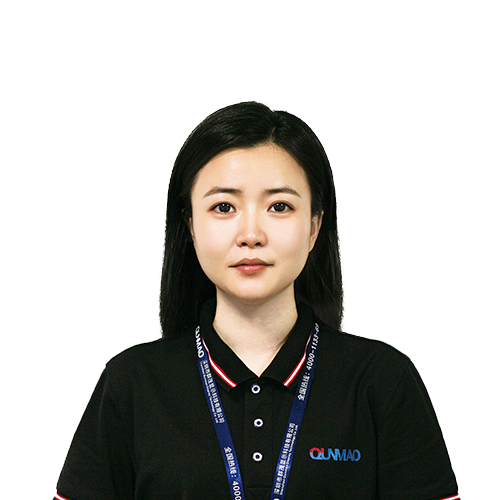
CEO | Experto en soluciones interactivas de visualización y colaboración
Soy el fundador de Qtenboard y aporto más de 17 años de experiencia práctica a la industria de las pantallas táctiles. Basándome en la perspectiva de gestión global obtenida a través de mis estudios de EMBA en la Universidad de ShenZhen, dirijo a mi equipo en la optimización de cada etapa de nuestras operaciones, desde la definición del producto hasta la gestión de la cadena de suministro de alta eficiencia, asegurando que nuestras capacidades de fabricación permanezcan a la vanguardia de la industria.
Como el líder de Qtenboard, me especializo en el abastecimiento de las soluciones adaptadas de OEM/ODM para los whiteboards interactivos, las paredes video del LCD, la señalización digital, y los terminales del tacto del industrial-grado. Con el respaldo de nuestro moderno parque industrial de 330.000 m² en Shenzhen, mantenemos el control del ciclo de vida completo sobre el diseño industrial, la fabricación de precisión y las rigurosas pruebas de rendimiento.
Con casi dos décadas de experiencia en proyectos, las soluciones de visualización de Qtenboard ahora se implementan en más de 120 países y regiones, y se ganaron la confianza de más de 15.000 clientes empresariales en todo el mundo. Si está buscando un socio receptivo con una base de fabricación profunda para sus proyectos personalizados de pantallas táctiles, mi equipo y yo estamos listos para respaldar su visión con excelencia profesional.
 spa
spa
 EN
EN  pt
pt  th
th  vie
vie  aze
aze  bel
bel  est
est  lav
lav  ukr
ukr  ru
ru