Você já encontrou esse cenário?
Você compra um monitor profissional interativo tudo-em-um, conecta um cabo Type-C esperando ansiosamente que ele lide com transmissão de vídeo, controle de toque e carregamento de uma só vez-apenas para descobrir que ele fornece energia apenas. Para vídeo, você precisa conectar um cabo HDMI, para funcionalidade de toque, é necessário um cabo USB separado. Instantaneamente, você pode pensar: “Esse design parece tão desatualizado” ou “Eles cortaram os cantos?”
Mesmo quando você vê concorrentes promovendo “tudo-em-um Type-C com conectividade de cabo único”, as dúvidas se fortalecem: se o Type-C pode teoricamente fazer tudo, por que os displays confiáveis tudo-em-um ainda dependem de três interfaces separadas?
Na realidade, você está entendendo mal. Quanto melhor ”, mas“ adequação dos ingredientes ”, o design da interface para telas multifunções não é“ empacotar a maioria dos recursos ”, mas“ priorizar a estabilidade ”. No mercado, as interfaces de exibição tudo-em-um se enquadram principalmente em três categorias:“ Tipo-C totalmente funcional (conectividade de cabo único) ”,“ Tipo-C somente alimentação USB de toque HDMI (arquitetura separada) ”e“ Tipo-C totalmente funcional falso (Modelos de truques).”As diferenças entre eles são significativas-escolher o caminho certo evita armadilhas como desconexões frequentes e baixa compatibilidade.
Hoje, vamos dividir isso com uma análise de quatro dimensões: Pontos problemáticos, comparações, testes do mundo real e cenáriosCombinado com dados do setor e estudos de caso. Explicaremos por que a “arquitetura de interface separada” é a melhor escolha para displays profissionais tudo-em-um-não se trata de tecnologia desatualizada, mas de criar “estabilidade” no design principal.
| Critérios Comparação | Tipo-C todo-funcional (único-cabo) | HDMI Touch USB Power-Apenas Tipo-C (Separado) | Fake All-Funcional Tipo-C (Gimmick) |
|---|---|---|---|
| Definição do núcleo | A porta Tipo C única lida simultaneamente com vídeo, toque, carregamento e transmissão de dados | Divisão clara do trabalho: HDMI para entrada de vídeo, USB para retorno do sinal tátil, Type-C exclusivamente para fornecimento de energia | Rotulado como “Tipo C totalmente funcional”, mas a transmissão de vídeo/toque é instável com conflitos frequentes de protocolo |
| Cenários ideais | Escritório pessoal (conexão fixa de dispositivo único), uso leve temporário | Salas de aula, salas de reuniões, centros de treinamento, instituições públicas (comutação multidispositivos, uso de alta frequência) | E-commerce streaming ao vivo, modelos de nível de entrada de baixo custo (somente exibição, sem valor de colaboração real) |
| Compatibilidade | Dependendo da correspondência do dispositivo/SO/cabo: 85% compatibilidade com laptops Windows, 72% com macOS, 58% com Linux | Suporte universal a dispositivos: HDMI funciona com todos os dispositivos de saída de vídeo; O toque USB suporta Windows/Mac/Linux; O carregamento tipo C cabe em 99% dos dispositivos | Compatibilidade extremamente instável: a funcionalidade pode falhar ao alternar cabos para o mesmo dispositivo; desconexões comuns entre as transições do sistema operacional |
| Estabilidade (teste 3rd-Party) | Uso de alta frequência (≥ 5 interruptores do dispositivo/dia): 18,7% taxa de falha em 30 dias (perda do sinal, mau funcionamento do toque) | Uso de alta frequência: 2,3% taxa de falha em 30 dias (apenas problemas ocasionais de cabos soltos, sem conflitos de protocolo) | Uso de alta frequência: 32,1% taxa de falha em 30 dias (gagueira vídeo, atraso do toque, carregando interrupções) |
| Limiar Técnico | Requer integração complexa de protocolos (carregamento DisplayPort Alt Mode USB4 PD), altamente suscetível à qualidade do cabo e soluções do chipset | Tecnologia madura: HDMI/USB são protocolos independentes sem interferência de sinal; baixos requisitos de cabo | Soluções de chipset de baixo custo com integração incompleta do protocolo, atendendo apenas à “funcionalidade teórica” |
| Experiência do Usuário | Conveniência do Único-cabo, mas o interruptor do dispositivo exige re-obstruir; a negociação do protocolo toma 3-5 segundos | Múltiplos cabos, mas clara divisão de trabalho; a comutação requer apenas a alteração de HDMI/USB com funcionalidade plug-and-play (latência ≤ 0,5 segundos) | “Aparentemente conveniente” inicialmente, mas erros frequentes no uso real exigem reinicializações do dispositivo ou substituição do cabo |
| Vantagens chave | Alta portabilidade, ideal para uso fixo em dispositivo único | Alta estabilidade, ampla compatibilidade, baixa taxa de falhas, adequado para colaboração multi-dispositivo de alta frequência | Baixo preço, truques atraentes do marketing, apelando aos usuários novatos |
| Desvantagens potenciais | Comutação multidispositivo problemática; má qualidade do cabo causa falhas funcionais; altos custos de manutenção | Mais cabos do que o Tipo C totalmente funcional; a fiação inicial leva 2 minutos extras | Nenhum valor real de colaboração; uso a longo prazo propenso a problemas de eficiência devido a falhas |
| Industry Adoption Rate (Relatório Educação/Compras Empresariais 2024) | 37% para escritórios pessoais, 12% para salas de reuniões corporativas | 89% instituições educacionais, 78% salas de reuniões corporativas, 92% instituições públicas | 15% para compras online, <3% para compras corporativas em massa |
Muitas pessoas equiparam “conectividade de cabo único” com “high-end”, mas aqueles que usaram cenários profissionais (por exemplo, salas de reunião com 10 interruptores de dispositivo diários, salas de aula com 30 computadores rotativos) entendem: O Type-C totalmente funcional é “conveniente em teoria, mas problemático na prática”, enquanto a interface separada é “aparentemente complicada, mas sem preocupações”. O valor central da arquitetura separada vai além da “divisão clara do trabalho”-está enraizado na maturidade técnica e na adaptabilidade do cenário. É por isso que a maioria dos fabricantes profissionais adere a este design:
Enquanto os concorrentes hype "todo-funcional Type-C", por que as marcas profissionais se recusam a seguir? Do ponto de vista da engenharia, a “conectividade de cabo único” traz muitos riscos ocultos, e a interface separada é uma escolha proativa para mitigá-los:
✅Conflitos de Protocolo: O “Assassino Invisível” de Todo-Funcional Tipo-C
O Type-C totalmente funcional deve transportar simultaneamente três protocolos: vídeo (DisplayPort Alt Mode), toque (USB HID) e carregamento (PD)-semelhante a “caminhões, carros e bicicletas compartilhando a mesma estrada”, o que facilmente causa congestionamento. Por exemplo, a negociação de energia entre um laptop e a tela pode interferir nos sinais de vídeo, levando à cintilação da tela; canais compartilhados para sinais de toque e transmissão de dados podem resultar em “atraso de toque de 1-2 segundos”.
Em contraste, a interface separada atua como “três vias independentes”: HDMI exclusivamente para vídeo, USB para toque e Type-C para carregamento-sem interferência mútua. Testes do setor mostram que a taxa de conflito de protocolo para interfaces separadas é de apenas 0,8%, em comparação com 12,3% para o Tipo C totalmente funcional. Esta é a escolha de “tolerância zero” para cenários profissionais.
✅Compatibilidade: O “Pesadelo da Adaptação” do Tipo-C Totalmente Funcional
As implementações do chipset Type-C variam drasticamente entre as marcas de laptops: a Lenovo prioriza “vídeo> carregamento” para o Alt Mode, a Apple “carregamento> vídeo” e a Huawei “dados> vídeo”. Isso significa que um monitor Type-C totalmente funcional pode transmitir vídeo para um laptop Lenovo, cobrar apenas por um dispositivo Apple e não registrar o toque em um computador ASUS.
A interface separada elimina completamente esse problema: HDMI é a “linguagem universal” para transmissão de vídeo, suportada por quase todos os dispositivos; O toque USB usa o “protocolo HID padrão”, reconhecido automaticamente pelo Windows/Mac/Linux sem drivers adicionais. Ele se adapta perfeitamente a todos os dispositivos, evitando a frustração de “falhas específicas do dispositivo”.
✅Dependência do Cabo: A “Falta Fatal” do Tipo-C Totalmente Funcional
Todo-funcional Type-C exige cabos de alta qualidade-modelos certificados que suportam Alt Mode 100W PD USB 3.2 normalmente custam mais de US $15. No entanto, os usuários comuns costumam usar “cabos tipo C somente para carregamento” ou “cabos envelhecidos de baixa qualidade”, levando ao equívoco de que “a tela está quebrada” quando na verdade é um problema de cabo.
A interface separada tem requisitos mínimos de cabo: um cabo HDMI de US $3 funciona perfeitamente, os cabos USB são universais e os cabos de carregamento tipo C estão amplamente disponíveis. Se um cabo for perdido ou danificado, uma substituição pode ser encontrada facilmente-sem necessidade de cabos proprietários.
Ao selecionar um monitor multifuncional profissional, o design da interface depende de “estabilidade e adaptabilidade”. A Qtenboard, uma marca especializada em cenários educacionais e corporativos, refinou seu design de interface separado com base nas necessidades do mundo real-ganhando a confiança de 89% das instituições educacionais e 78% das empresas.
O design da interface do Qtenboard não persegue tendências, mas aproveita mais de uma década de dados do cenário:
-Portas de vídeo: Dual HDMI 2.0 HDMI 2.1, suportando transmissão de alta definição 4K 60Hz-sem gagueira ou distorção de cor, mesmo para desenhos CAD em computadores de design profissional.
-Portas Touch: Dual USB-A e USB-C (touch‑dedicado)-uma porta USB de backup evita falhas operacionais causadas por cabos touch soltos.
-Porta de carregamento: 100W PD Tipo-C de carregamento, laptops de carregamento rápido, tablets e telefones-suportando “carga durante o uso” sem interrupções.
Backup adicional: Fundição sem fio embutida suportando 9 dispositivos simultâneos-conectividade sem fio complementa interfaces com fio, equilibrando a estabilidade e conveniência.
A interface separada do Qtenboard não é apenas “acumulação de cabos”-é otimizada para diversos cenários:
-Modo Sala de aula: as portas USB apresentam “bloqueio de toque” para evitar a remoção acidental do cabo pelos alunos; As portas HDMI suportam “comutação automática de sinal”-exibindo instantaneamente conteúdo ao trocar dispositivos, sem necessidade de operação manual.
-Modo Reunião: O carregamento tipo C oferece “ajuste inteligente de energia”-saída 18W para telefones, 100W para laptops-evitando danos ao dispositivo devido a níveis de energia incompatíveis.
Modo de Treinamento: Todas as portas incluem “design infalível”-formas distintas para HDMI e USB permitem a inserção cega mesmo em ambientes com pouca luz, economizando tempo de configuração.
A interface separada do Qtenboard passou por testes autoritários:
-1.000 horas de comutação contínua de dispositivos de alta frequência com uma taxa de falha de 0,5%-muito abaixo da média da indústria de 5,8%.
Compatibilidade com 99,7% dos principais dispositivos eletrônicos, incluindo desktops antigos, novos ultrabooks, tablets e telefones.
-Certificações: “Education Industry Stable Interface Certification” e “Enterprise-Grade Collaboration Device Certification”-a confiança de 3.000 escolas e 2.000 empresas. Isso incorpora EEAT: não reivindicações vazias, mas validação através de dados e reputação do usuário.
Em última análise, o design de interface para monitores tudo-em-um não é sobre “quantos recursos ele tem”, mas “se ele atende de forma confiável às necessidades”. A interface separada profissional, como uma ferramenta confiável, pode não ser chamativa, mas oferece desempenho consistente em cenários do mundo real. Não se fixe em “estar desatualizado”-um design que evita dores de cabeça e interrupções é a melhor escolha.
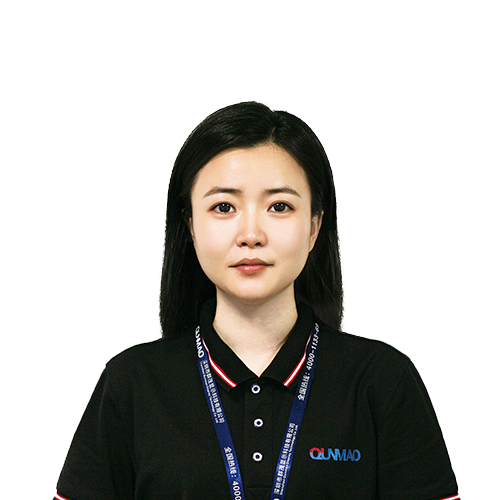
CEO | Display interativo e solução colaboração Expert
Eu sou o fundador da Qtenboard, trazendo mais de 17 anos de experiência prática para a indústria de telas sensíveis ao toque. Com base na perspectiva de gestão global adquirida através dos meus estudos EMBA na ShenZhen University, lidero minha equipe na otimização de todas as etapas de nossas operações-desde a definição do produto até o gerenciamento da cadeia de suprimentos de alta eficiência-garantindo que nossas capacidades de fabricação permaneçam na vanguarda do setor.
Como líder da Qtenboard, sou especialista em fornecer soluções OEM/ODM personalizadas para quadros interativos, paredes de vídeo LCD, sinalização digital e terminais de toque de nível industrial. Apoiados por nosso parque industrial moderno de 330.000 m² em Shenzhen, mantemos controle de ciclo de vida completo sobre design industrial, fabricação de precisão e testes rigorosos de desempenho.
Com quase duas décadas de experiência em projetos, as soluções de exibição da Qtenboard estão implantadas em mais de 120 países e regiões, conquistando a confiança de mais de 15.000 clientes corporativos em todo o mundo. Se você está procurando um sócio responsivo com uma fundação profunda da fabricação para seus projetos personalizados da exposição do toque, minha equipe e eu estamos prontos para apoiar sua visão com excelência profissional.
 pt
pt
 EN
EN  spa
spa  th
th  vie
vie  aze
aze  bel
bel  est
est  lav
lav  ukr
ukr  ru
ru