Для покупателей B2B в розничных сетях, ресторанах быстрого обслуживания (QSR), государственных учреждениях, операторах парковки и OEM-брендах вопрос больше не стоит. если Технология самообслуживания имеет смысл, но который Платежный киоск подходит для ваших конкретных потребностей развертывания. Затраты на рабочую силу продолжают расти-в Соединенных Штатах киоски самообслуживания в настоящее время составляют примерно 15-20% стоимости оборудования POS, что в значительной степени обусловлено давлением затрат на рабочую силу в условиях QSR. Между тем, 80% QSR уже внедрили киоски самообслуживания для решения кадровых проблем. Данная статья охватывает три ключевых уровня: Определение → бизнес модели → глобальный рыночный ландшафт, С развертыванием в реальных странах для информирования о вашем решении о закупках.
А Платежный киоск Является Терминал автоматической оплаты Который объединяет несколько платежных модулей-NFC, QR-код, чип EMV/бесконтактную карту и часто наличные деньги-что позволяет потребителям выполнять транзакцию независимо, без помощи кассира. Критическое различие между… Коммерческий платежный киоск А киоск самообслуживания общего назначения-это Требование о закрытии платежа: Платежный киоск должен безопасно обрабатывать конфиденциальные платежные данные, что подвергает их требованиям стандартов PCI DSS, PCI PTS и EMV.
| Особенность | Традиционный POS | Терминал автоматической оплаты |
|---|---|---|
| Укомплектование штатов | Кассир-зависимый | Нулевой труд кассира за транзакцию |
| Скорость транзакций | Очередь-ограничена (45-90 сек. в среднем) | Самостоятельная проверка сек Sub-30 |
| Данные & аналитика | Ручная выверка | Экспорт API панелей в реальном времени |
| Гибкость развертывания | Фиксированное размещение счетчика | Стен-установленный или фрестандинг, крытый или полу-на открытом воздухе |
| Соответствие | PCI DSS (программный уровень) | PCI DSS PCI PTS EMV L1/L2 |
Лучше всего подходит для корпоративных сетей, крупных розничных торговцев и государственных учреждений с установленными бюджетами на закупки и обслуживание ИТ. The Коммерческий платежный киоскСтановится капитальным активом с предсказуемой амортизацией. Qtenboard & #039;sПлатежный киоск для самостоятельного заказа билетов Поддерживает эту модель с гибкостью OEM/ODM, ежедневной производительностью 200 единиц и производственными мощностями 330 000 ㎡ в Шэньчжэне и Гуанчжоу.
Идеально подходит для 中小小в (МСП), стартапов и операторов, чувствительных к денежным потокам. Низкий авансовый вход, при этом поставщик берет процент от пропускной способности транзакции. Эта модель снижает барьеры на развивающихся рынках, где капитальные затраты ограничены.
Для системных интеграторов, торговых партнеров и брендов, желающих получить white-label Платежный киоск с несколькими сценарием, Qtenboard предлагает полную настройку-от цвета рамки и логотипа запуска до выбора потока пользовательского интерфейса и модуля оплаты. Благодаря 20-летнему наследию цепочки поставок Qtenboard контролирует качество с уровня компонентов, а не только окончательной сборки.
Периодические потоки доходов включают аналитические панели на основе SaaS, операции с рекламным экраном, годовые сборы за удаленное обслуживание и измерение вызовов API. Эти услуги превращают продажу оборудования в постоянное партнерство.
О Приложение платежного киоска Расширился далеко за пределы розничной самопроверки. Ниже приведены вертикали развертывания с самой высокой плотностью, каждая из которых имеет примеры для конкретных стран:
Единая аппаратная платформа с индивидуальным программным обеспечением-то, что мы называем Платежный киоск с несколькими сценарием -Может покрыть все эти вертикали с минимальным проектированием в-месте. Для более глубокого погружения в критерии выбора обратитесь к Универсальное руководство по платёжным киоскам 2026: соответствие стандарту PCI, OEM‑решения и развертывание.
Мировой рынок технологий самообслуживания оценивался в 38,6 млрд долларов США в 2025 году и, по прогнозам, вырастет с 45,1 млрд долларов США в 2026 году до 132,5 млрд долларов США к 2033 году. Только сегмент внутреннего платежного киоска вырос с 5,96 млрд долларов США в 2025 году до 6,96 млрд долларов США в 2026 году, что составляет CAGR 16,8%. Неуправляемый платежный терминал Развертывания расширяются на 15,4% CAGR, что делает их одним из самых быстрорастущих подсегментов транзакций.
При оценке Приложение платежного киоска, Группы по закупкам B2B должны оценить четыре аспекта принятия решений:
Цены варьируются в зависимости от размера экрана (от 15 до 32 дюймов), платежных модулей (карта NFC QR cash) и уровня настройки. Начальный уровень-Коммерческий платежный киоск Единицы начинаются около 2500-4000 долларов США; полностью индивидуальные единицы с кассовыми ресайклерами и дисплеями 4K варьируются выше. Доступны варианты лизинга, чтобы уменьшить авансные капитали.
Да. Самые современные Платежный киоск Решения предлагают RESTful API и SDK для основных платформ ERP (Oracle, SAP, Microsoft Dynamics) и POS-систем. Qtenboard обеспечивает поддержку интеграции систем отображения на кухне, управления запасами и платформ лояльности.
Настройка программного обеспечения для производства оборудования на месте установки обычно занимает 4-8 недель, в зависимости от сложности настройки. OEM брендинг (логотип, упаковка, пользовательский интерфейс) добавляет 2-3 недели. Ежедневная выработка Qtenboard & #039;s 200 единиц обеспечивает выполнение крупных заказов по графику.
Да. Неуправляемый платежный терминал Оборудование должно пройти сертификацию PCI PTS (безопасность PIN-транзакций), а решение в целом должно соответствовать требованиям PCI DSS для шифрования данных и сетевой безопасности. Все платежные киоски Qtenboard построены в соответствии со стандартами PCI PTS и EMV L1/L2.
Для мест с небольшим объемом аренды или модели распределения доходов более рентабельны, чем прямая покупка. Это смещает стоимость с CAPEX на OPEX и выравнивает стимулы провайдера с ростом ваших транзакций.
Из Канада & #039;s Безкассовые продуктовые магазины и Япония & #039;s Офисно-районные удобные киоски для Венгрия & #039;s Парковочные терминалы ИКЕА, США Цепи qsr, Дубай & #039;s Смарт-правительственные проекты, и Австралия & #039;s Экспресс-проверки парковки в аэропорту, Платежный киоск с несколькими сценариемДоказал свою ценность во всех отраслях и регионах. Мировой рынок быстро масштабируется-15,4% CAGR для необслуживаемых терминалов-и 2026 год широко признан «масштабным годом» для необслуживаемых платежей. Независимо от того, являетесь ли вы розничным продавцом, системным интегратором или OEM-брендом, правоПлатежный киоск Стратегия начинается с четкого определения, подходящей бизнес-модели и партнера с глубиной цепочки поставок.
Qtenboard, с 20 летами наследия дисплей-компонента, полный след ноги объекта 840 000 ㎡, и 110 служенных стран, предлагает сквозные решения киоска компенсации OEM/ODM-от ровной модул настройки к аттестации полно-системы. Узнайте больше о производственных возможностях и глобальном послужном список Qtenboard.
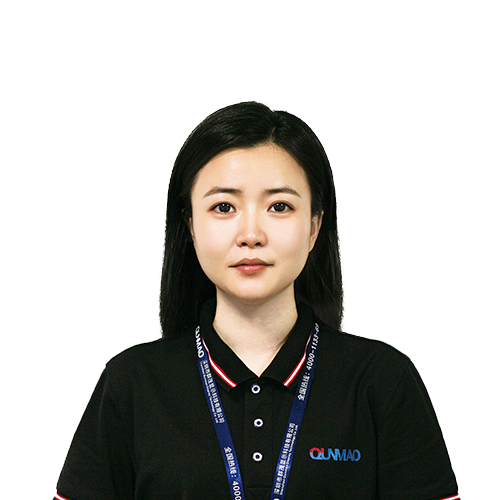
CEO | Интерактивный дисплей & Сотрудничество Решение Эксперт
Я являюсь основателем Qtenboard, привнеся более 17 лет практического опыта в индустрию сенсорных дисплеев. Опираясь на перспективы глобального управления, полученные в ходе моих исследований EMBA в Университете Шэньчжэня, я возглавляю свою команду по оптимизации каждого этапа нашей деятельности-от определения продукта до высокоэффективного управления цепочками поставок-гарантируя, что наши производственные возможности остаются на переднем крае отрасли.
Как руководитель Qtenboard, я специализируюсь на предоставлении адаптированных OEM/ODM-решений для интерактивных досок, ЖК-видеостен, цифровых вывесок и сенсорных терминалов промышленного уровня. Опираясь на наш современный промышленный парк площадью 330 000 м² в Шэньчжэне, мы поддерживаем полный контроль жизненного цикла промышленного дизайна, точного производства и тщательного тестирования производительности.
Обладая почти двадцатилетним опытом работы в проектах, решения Qtenboard в настоящее время развернуты в более чем 120 странах и регионах, заслужив доверие более 15 000 корпоративных клиентов по всему миру. Если вы ищете отзывчивого партнера с глубоким учредлением производства для ваших подгонянных проектов дисплея касания, то моя команда и я готовы поддержать ваше зрение с профессиональным передовым опытом.

 ru
ru
 EN
EN  pt
pt  spa
spa  th
th  vie
vie  aze
aze  bel
bel  est
est  lav
lav  ukr
ukr