Para compradores B2B em redes de varejo, restaurantes de serviço rápido (QSRs), agências governamentais, operadores de estacionamento e marcas OEM, a questão não é mais se Tecnologia self-service faz sentido, mas qual Quiosque do pagamento Atende às suas necessidades específicas. Os custos trabalhistas continuam a subir-nos Estados Unidos, os quiosques de autoatendimento agora representam cerca de 15-20% do valor do hardware POS, impulsionado em grande parte pela pressão do custo do trabalho em ambientes QSR. Enquanto isso, 80% dos QSRs já implementaram quiosques de autoatendimento para enfrentar os desafios de pessoal. Este artigo aborda três camadas essenciais: Definição → negócios modelos → mercado global paisagem, Com implantações específicas do país do mundo real para informar sua decisão de aquisição.
AQuiosque do pagamento É um Terminal do pagamento desacompanhado Que integra vários módulos de pagamento-NFC, código QR, chip EMV/cartão sem contato e muitas vezes dinheiro-permitindo que os consumidores concluam uma transação de forma independente, sem assistência do caixa. A distinção crítica entre a Quiosque comercial do pagamento E um quiosque self-service de uso geral é o Exigência do pagamento-fechamento: Um quiosque de pagamento deve processar com segurança dados de pagamento confidenciais, submetendo-os às estruturas de conformidade PCI DSS, PCI PTS e EMV.
| Característica | POS tradicional | Terminal Pagamento Desacompanhado |
|---|---|---|
| Pessoal | Dependente de caixa | Zero trabalho caixa por transação |
| Transação velocidade | Fila limitada (45-90 seg avg.) | Sub-30 seg auto-checkout |
| Dados e análises | Reconciliação manual | Exportações API dashboards em tempo real |
| Flexibilidade do emprego | Colocação do contador fixo | Fixado na parede ou autônomo, interno ou semi-exterior |
| Conformidade | PCI DSS (camada do software) | PCI DSS PCI PTS EMV L1/L2 |
Mais adequado para cadeias corporativas, grandes varejistas e agências governamentais com orçamentos estabelecidos de compras e manutenção de TI. O Quiosque comercial do pagamentoTorna-se um ativo com depreciação previsível. Qtenboard & #039;sPagamento auto-ordenação bilhética quiosque Suporta este modelo com flexibilidade OEM/ODM, produção diária de 200 unidades e 330.000 ㎡ instalações de produção em Shenzhen e Guangzhou.
Ideal para 中小® (PME), startups e operadores sensíveis ao fluxo de caixa. Baixa entrada inicial, com o provedor assumindo uma porcentagem do rendimento da transação. Este modelo reduz as barreiras nos mercados emergentes onde as despesas de capital são limitadas.
Para integradores de sistemas, parceiros de canal e marcas que desejam marcar um Quiosque do pagamento do multi-cenárioO Qtenboard oferece personalização completa-desde a cor do painel e o logotipo de inicialização até a seleção do módulo de fluxo e pagamento da interface do usuário. Com uma herança de cadeia de suprimentos de 20 anos, a Qtenboard controla a qualidade do componente, não apenas a montagem final.
Fluxos de receita recorrentes incluem painéis analíticos baseados em SaaS, operações de tela publicitária, taxas anuais de manutenção remota e medição de chamadas API. Esses serviços transformam a venda de hardware em uma parceria contínua.
O Aplicação do quiosque do pagamento Expandiu-se muito além do auto-checkout do varejo. Abaixo estão as verticais de implantação de maior densidade, cada uma com exemplos específicos do país:
Uma única plataforma de hardware com software personalizado do setor-o que chamamos de Quiosque do pagamento do multi-cenário -Pode cobrir todos esses verticais com engenharia mínima por site. Para um mergulho mais profundo nos critérios de seleção, consulte o Payment Kiosk Ultimate Guide 2026: Conformidade PCI, OEM e Implantação.
O mercado global de tecnologia de autoatendimento foi avaliado em US $38,6 bilhões em 2025 e deverá crescer de US $45,1 bilhões em 2026 para US $132,5 bilhões em 2033. O segmento de quiosques de pagamentos internos cresceu de US $5,96 bilhões em 2025 para US $6,96 bilhões em 2026, um CAGR de 16,8%. Terminal do pagamento desacompanhado As implantações estão se expandindo em 15,4% CAGR, tornando-as um dos subsegmentos de transações que mais crescem.
Ao avaliar a Aplicação do quiosque do pagamento, As equipas B2B devem avaliar quatro dimensões decisórias:
O preço varia amplamente com base no tamanho da tela (15 "a 32"), módulos de pagamento (cartão NFC QR cash) e nível de personalização. Nível de entradaQuiosque comercial do pagamento As unidades começam em torno de US $2.500 a 4.000; unidades totalmente personalizadas com recicladores de caixa e displays 4K variam mais. Opções de leasing disponíveis para reduzir o CAPEX inicial.
Sim. Mais moderno Quiosque do pagamento As soluções oferecem APIs e SDKs RESTful para as principais plataformas ERP (Oracle, SAP, Microsoft Dynamics) e sistemas POS. O Qtenboard fornece suporte de integração para sistemas de exibição de cozinha, gerenciamento de estoque e plataformas de fidelidade.
A personalização do software de produção de hardware no local normalmente leva de 4 a 8 semanas, dependendo da complexidade da personalização. Marca OEM (logotipo, embalagem, UI) adiciona 2-3 semanas. Qtenboard & #039;s produção diária de 200 unidades garante grandes encomendas são cumpridas no cronograma.
Sim. Terminal do pagamento desacompanhado O hardware deve passar pela certificação PCI PTS (PIN Transaction Security) e a solução geral deve estar em conformidade com o PCI DSS para criptografia de dados e segurança de rede. Todos os quiosques do pagamento do Qtenboard são construídos aos padrões PCI PTS e EMV L1/L2.
Para locais de baixo volume, os modelos de leasing ou compartilhamento de receita são mais econômicos do que a compra direta. Isso transfere o custo de CAPEX para OPEX e alinha os incentivos do provedor com o crescimento da transação.
De Canada & #039;s Mercearias sem caixa e Japão & #039;s Quiosques de conveniência do escritório-distrito Hungria & #039;s Terminais de estacionamento IKEA EUA Correntes QSR, Dubai & #039;s Projetos de governo inteligente, e Austrália & #039;s Estacionamento do aeroporto checkouts expressos, o Quiosque do pagamento do multi-cenárioProvou o seu valor em todas as indústrias e geografias. O mercado global está escalando rapidamente-15,4% CAGR para terminais desacompanhados-e 2026 é amplamente reconhecido como "o ano de escala" para pagamentos desacompanhados. Se você é um varejista, integrador de sistemas ou marca OEM, o direitoQuiosque do pagamento A estratégia começa com uma definição clara, um modelo de negócios adequado e um parceiro com profundidade na cadeia de suprimentos.
Qtenboard, com 20 anos de herança de componentes de exibição, 840.000 ㎡ área total de instalação e 110 países atendidos, oferece soluções completas de quiosque de pagamento OEM/ODM-desde a personalização no nível do módulo até a certificação completa do sistema. Saiba mais sobre Qtenboard & #039;s capacidades de fabricação e histórico global.
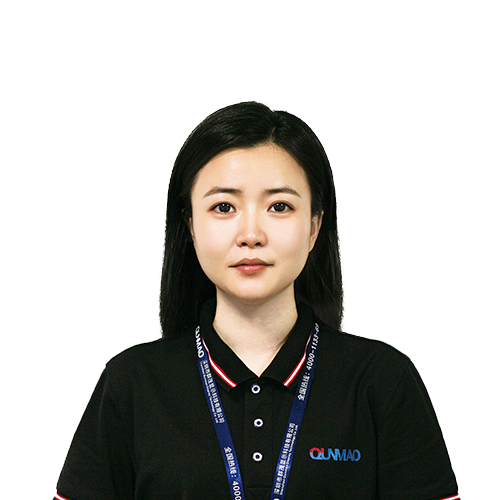
CEO | Display interativo e solução colaboração Expert
Eu sou o fundador da Qtenboard, trazendo mais de 17 anos de experiência prática para a indústria de telas sensíveis ao toque. Com base na perspectiva de gestão global adquirida através dos meus estudos EMBA na ShenZhen University, lidero minha equipe na otimização de todas as etapas de nossas operações-desde a definição do produto até o gerenciamento da cadeia de suprimentos de alta eficiência-garantindo que nossas capacidades de fabricação permaneçam na vanguarda do setor.
Como líder da Qtenboard, sou especialista em fornecer soluções OEM/ODM personalizadas para quadros interativos, paredes de vídeo LCD, sinalização digital e terminais de toque de nível industrial. Apoiados por nosso parque industrial moderno de 330.000 m² em Shenzhen, mantemos controle de ciclo de vida completo sobre design industrial, fabricação de precisão e testes rigorosos de desempenho.
Com quase duas décadas de experiência em projetos, as soluções de exibição da Qtenboard estão implantadas em mais de 120 países e regiões, conquistando a confiança de mais de 15.000 clientes corporativos em todo o mundo. Se você está procurando um sócio responsivo com uma fundação profunda da fabricação para seus projetos personalizados da exposição do toque, minha equipe e eu estamos prontos para apoiar sua visão com excelência profissional.

 pt
pt
 EN
EN  spa
spa  th
th  vie
vie  aze
aze  bel
bel  est
est  lav
lav  ukr
ukr  ru
ru