Most interactive whiteboards run on chips originally designed for consumer tablets, then repurposed for classrooms and meeting rooms. The Qtenboard 9679 is different – it's a dedicated commercial display SoC, engineered specifically for the sustained workloads of interactive flat panels: multi‑touch input, 4K rendering, wireless casting, and on‑device AI processing.
The MTK9679 features a quad‑core Arm Cortex‑A73 processor clocked at up to 1.5GHz – a notable step up from the previous MT9669, with 8 uops per pipeline for higher peak throughput. The Arm Mali‑G52 MC1 GPU runs at 650MHz (up from 550MHz) for smoother graphics. Supports up to 4GB DDR4 RAM and 128GB storage, making it ideal for resource‑heavy smart interactive flat panel applications.
Quad‑core Cortex‑A73 @ 1.5GHzNative 4K UI rendering and 4K 120Hz MEMC motion compensation. MediaTek’s AI‑PQ (Picture Quality) engine detects faces and scenes in real time, automatically adjusting saturation, contrast, and sharpness. AI‑SR (Super Resolution) intelligently upscales low‑resolution content to match the native panel resolution – essential for interactive flat panel displays in education and enterprise.
4K 120Hz | AI‑PQ | AI‑SRMTK9679 integrates WiFi 6 and Bluetooth 5.2. WiFi 6 offers higher throughput, lower latency, and better congestion handling – crucial for classrooms and meeting rooms with dozens of connected devices. Bluetooth 5.2 doubles bandwidth (2Mbps vs 1Mbps) and extends range 4× over Bluetooth 5.0. Optional 4G LTE support adds flexibility for remote deployments.
WiFi 6 | BT 5.2 | 4G LTEDual USB 3.0 ports (5Gbps) and HDMI 2.1a with VBYONE 4K@60Hz output. This extensive interface suite allows the interactive flat panel to connect seamlessly to OPS modules, external cameras, document cameras, and other peripherals – making it a versatile hub for any smart classroom or boardroom.
USB 3.0 | HDMI 2.1a | VBYONEThe MTK9679 is rated for continuous operation in commercial environments – 8‑10 hours a day, handling multi‑touch inputs, 4K rendering, and AI workloads without thermal throttling or frequency drops. This is the reliability that separates a purpose‑built commercial chip from consumer‑grade alternatives. For schools, enterprises, and digital signage operators, it translates to consistent responsiveness and longer hardware lifespan.
The MTK9679 incorporates a dedicated NPU (Neural Processing Unit), running all AI features locally. This matters for two groups: institutions with strict data policies (schools, governments) that cannot send audio or screen content to third‑party servers, and locations with limited or unreliable internet. Every AI capability listed below works offline – data never leaves the device.
Transcribes spoken content in real time during classes or meetings, automatically extracting key decisions and action items. Export to PDF or Word with one tap – no manual note‑taking required.
Built‑in assistant can answer questions, summarise content, and execute voice commands – all without an internet connection. Perfect for live teaching and presentations where every second counts.
Converts on‑screen annotations and whiteboard notes into editable digital text in real time. Entirely offline – ideal for secure government environments, hospital networks, and bandwidth‑constrained schools.
Filters out HVAC hum, classroom background chatter, and echo from video calls. Runs on the NPU – no plugins required, and it’s active by default on every call.
Identifies shapes, text blocks, and diagrams on the canvas – even freehand inputs – for precise selection, resizing, and repositioning. Boosts productivity during brainstorming sessions.
Real‑time colour and contrast optimisation (AI‑PQ) plus intelligent upscaling (AI‑SR) make legacy content look sharp on large 4K panels – a game‑changer for mixed‑media lessons and presentations.
Chip specs tell only half the story. The 9679 platform ships with a full software suite – whiteboard tools, file management, wireless casting, device management, and security – all integrated and validated for a seamless user experience.
Runs on Android 14 (LTS) and is Google EDLA (Enterprise Device Licensing Agreement) certified. This means legal pre‑installation of Google Mobile Services (GMS) – full access to Google Play, Google Classroom, and the entire ecosystem of educational and enterprise apps.
Supports active stylus (with pressure sensitivity) and finger input. Adjustable brush thickness, colours, and eraser modes. Multi‑touch gesture support for undo/redo. Custom backgrounds – grids, music staves, subject‑specific templates. Encrypted file saving + QR code sharing.
Simultaneous support for AirPlay, Miracast, and our own low‑latency casting solution. Up to 4 devices can split‑screen cast without an external router. Reverse control lets presenters operate their laptop from the whiteboard – a must‑have for smart interactive flat panels.
Native access to local storage, LAN network drives, and direct integration with Google Drive, OneDrive, and Dropbox. Open files from the cloud, edit, and save back – no manual sync required.
Standard OPS (Open Pluggable Specification) slot. Insert an Intel Core i5/i7 OPS module to run Windows alongside Android – one panel covers all software needs, from education to corporate.
For OEM/ODM customers and system integrators, choosing the right SoC defines the performance tier and user experience of the final product. Here’s how the MTK9679 stacks up against its predecessor, the MT9669.
| Specification | MTK9679 | MTK9669 (Previous Gen) |
|---|---|---|
| CPU | Quad‑core Cortex‑A73 @ 1.5GHz | Quad‑core Cortex‑A73 @ 1.3GHz |
| GPU Frequency | 650MHz | 550MHz |
| WiFi | WiFi 6 | WiFi 5 |
| Bluetooth | Bluetooth 5.2 | Bluetooth 5.0 |
| USB Ports | USB 3.0 ×2 + USB 2.0 ×2 | USB 2.0 ×4 |
| HDMI | HDMI 2.1a | HDMI 2.0 |
| AI Capabilities | AI‑PQ, AI‑SR, AI‑NR, voice recognition | Limited or none |
| Memory Support | DDR4 (up to 4GB) | DDR3 |
* Based on MediaTek public specifications and industry benchmarks. Actual performance may vary by system design and optimisation.
From K‑12 schools to Fortune 500 boardrooms, the MTK9679 is powering next‑gen interactive displays worldwide.
A US school district deployed 86‑inch interactive flat panels powered by the 9679 across 500+ classrooms. Teachers reported that AI speech‑to‑text improved lesson documentation, while 40‑point touch enabled full‑class participation. Zero hardware failures in the first year of deployment.
500+ classrooms | 0 failuresA Fortune 500 company chose the MTK9679 platform to upgrade 200+ meeting rooms globally. Key requirements: stable wireless casting and AI noise suppression. WiFi 6 handled multi‑device casting without lag, and AI‑NR significantly improved audio clarity in cross‑border video conferences.
200+ rooms | WiFi 6 castingA European EdTech brand selected Qtenboard as their 9679 mainboard supplier. Customisation included boot logo, firmware, and packaging. The first 1,000 units were delivered in 25 working days with a 100% pass rate – the customer has already placed a follow‑up order.
1,000 units | 100% pass rateA national government agency needed an interactive conferencing system for a completely isolated internal network. The MTK9679’s on‑device AI – which requires no cloud or internet access – was the deciding factor. Handwriting recognition and the AI assistant run flawlessly offline, meeting strict security mandates.
Offline AI | Security compliantThe most common questions from OEM/ODM customers, system integrators, and procurement teams.
OEM customers, educational institutions, and enterprises in 120+ countries have chosen Qtenboard’s MTK9679 platform. Whether you need a mainboard for a smart interactive flat panel, a classroom whiteboard, or a corporate collaboration display, we offer a complete hardware‑plus‑software solution. Contact us today for samples, technical specs, or to schedule a factory audit.
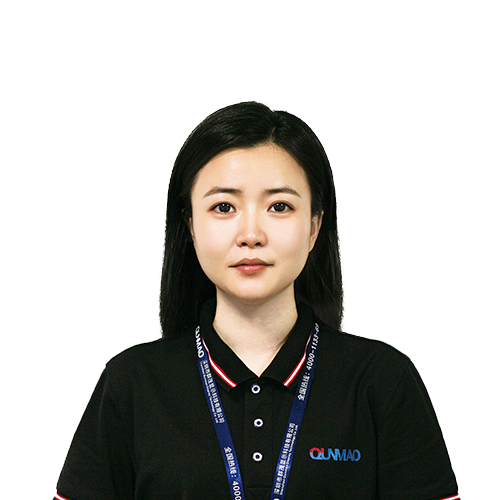
CEO | Interactive Display & Collaboration Solution Expert
I am the founder of Qtenboard, bringing over 17 years of hands-on expertise to the touch display industry. Drawing on the global management perspective gained through my EMBA studies at ShenZhen University, I lead my team in optimizing every stage of our operations—from product definition to high-efficiency supply chain management—ensuring our manufacturing capabilities remain at the forefront of the industry.
As the leader of Qtenboard, I specialize in providing tailored OEM/ODM solutions for interactive whiteboards, LCD video walls, digital signage, and industrial-grade touch terminals. Backed by our 330,000 m² modern industrial park in Shenzhen, we maintain full-lifecycle control over industrial design, precision manufacturing, and rigorous performance testing.
With nearly two decades of project experience, Qtenboard’s display solutions are now deployed in over 120 countries and regions, earned the trust of more than 15,000 enterprise customers worldwide. If you are seeking a responsive partner with a deep manufacturing foundation for your customized touch display projects, my team and I are ready to support your vision with professional excellence.

 EN
EN
 pt
pt  spa
spa  th
th  vie
vie  aze
aze  bel
bel  est
est  lav
lav  ukr
ukr  ru
ru