Izvēloties viedās tāfeles OEM ražotājs Tas reti kad tiek izlemts tikai balstoties uz vienības cenu. Zīmolu īpašnieki, izplatītāji un sistēmu integratori patiešām izvēlas vairāku gadu ražošanas partneri: tādu, kura izstrādājumu inženierija, pieskaršanās un displeja kvalitāte, pielāgošanas dziļums, ražošanas kontrole, sertifikācijas, izpildes laiks, un pēcpārdošanas atbalsts būs vai nu aizsargāt produktu līniju vai klusi drenāžas maržu. Zema iegādes cena var kļūt par dārgāko rindu izdevumu tabulā, tiklīdz parādās atkārtota darba nepieciešamība, kavēti piegādes termiņi, sertifikācijas trūkumi un neatbalstīta programmaparatūra.
Aiz cenu salīdzināšanas slēpjas vēl divas lamatas. Pirmkārt, OEM, ODM, baltā zīmola pakalpojumi, CKD un SKD nav savstarpēji aizvietojami pakalpojumi – tiem ir ļoti atšķirīgs pielāgošanas līmenis, veidņu izmaksas, minimālais pasūtījuma daudzums (MOQ) un laiks līdz nonākšanai tirgū. Otrkārt, piegādātājs, kas spēj ātri sniegt cenu piedāvājumu, ne vienmēr ir ražotājs. Atšķirība starp iekšējo ražošanu, daļēju ārpakalpojumu izmantošanu un tirdzniecības uzņēmumu pilnībā maina kvalitātes vienmērīgumu, pielāgošanas ātrumu un atbildību.
Šis ceļvedis ir paredzēts zīmolu īpašniekiem, izplatītājiem un vairumtirgotājiem, sistēmu integratoriem, AV projektu veicējiem, valsts un izglītības iestāžu pircējiem, kā arī vietējiem montāžas partneriem. Tas izveido izpildāmu piegādātāju novērtēšanas struktūru: ko salīdzināt, ko pārbaudīt, kā patiesībā darbojas pielāgošanas līmeņi un kāda izskatās pamatota projekta gaita. Qtenboard piedāvā interaktīvo plakanpaneli OEM, ODM, CKD un SKD programmas, kas aptver programmatūru, dizainu, konstrukciju, aparatūru un pilnīgu pielāgošanu globāliem B2B projektiem.
| Novērtēšanas zona | Jautājumi, ko uzdot | Kāpēc tas ir svarīgi |
|---|---|---|
| Produktu portfelis | 55–110 collas, 4K, skārienjūtīgas opcijas, operētājsistēmu izvēle | Aptver dažādus tirgus un projektu vajadzības |
| Pielāgošanas dziļums | Programmatūra, izskats, struktūra, privātā veidne | Nosaka zīmola atšķirīgumu un laiku līdz nonākšanai tirgū |
| Ražošanas kontrole | Iekšējā injekcija, montāža, SMT, nobriešanas tests | Ietekmē kvalitātes konsistenci un izpildes laiku |
| Kvalitātes kontrole | QC, IPQC, OQC, nobriešana, partiju izsekojamība | Samazina partiju risku un pēcpārdošanas izmaksas |
| Sertifikāti | CE, FCC, RoHS, REACH, EDLA, enerģija | Nosaka tirgus piekļuvi |
| Piegāde | Minimālais pasūtījuma daudzums, izpildes laiks, jauda, CKD/SKD | Ietekmē krājumu un vietējās montāžas plānus |
| Atbalsts | Rezerves daļas, programmaparatūra, tehniskā dokumentācija, RMA | Ietekmē ilgtermiņa sadarbību un projektu stabilitāti |
| Komerciālie noteikumi | Instrumentu īpašumtiesības, programmatūras intelektuālais īpašums, garantija | Aizsargā zīmola aktīvus un peļņas normu |
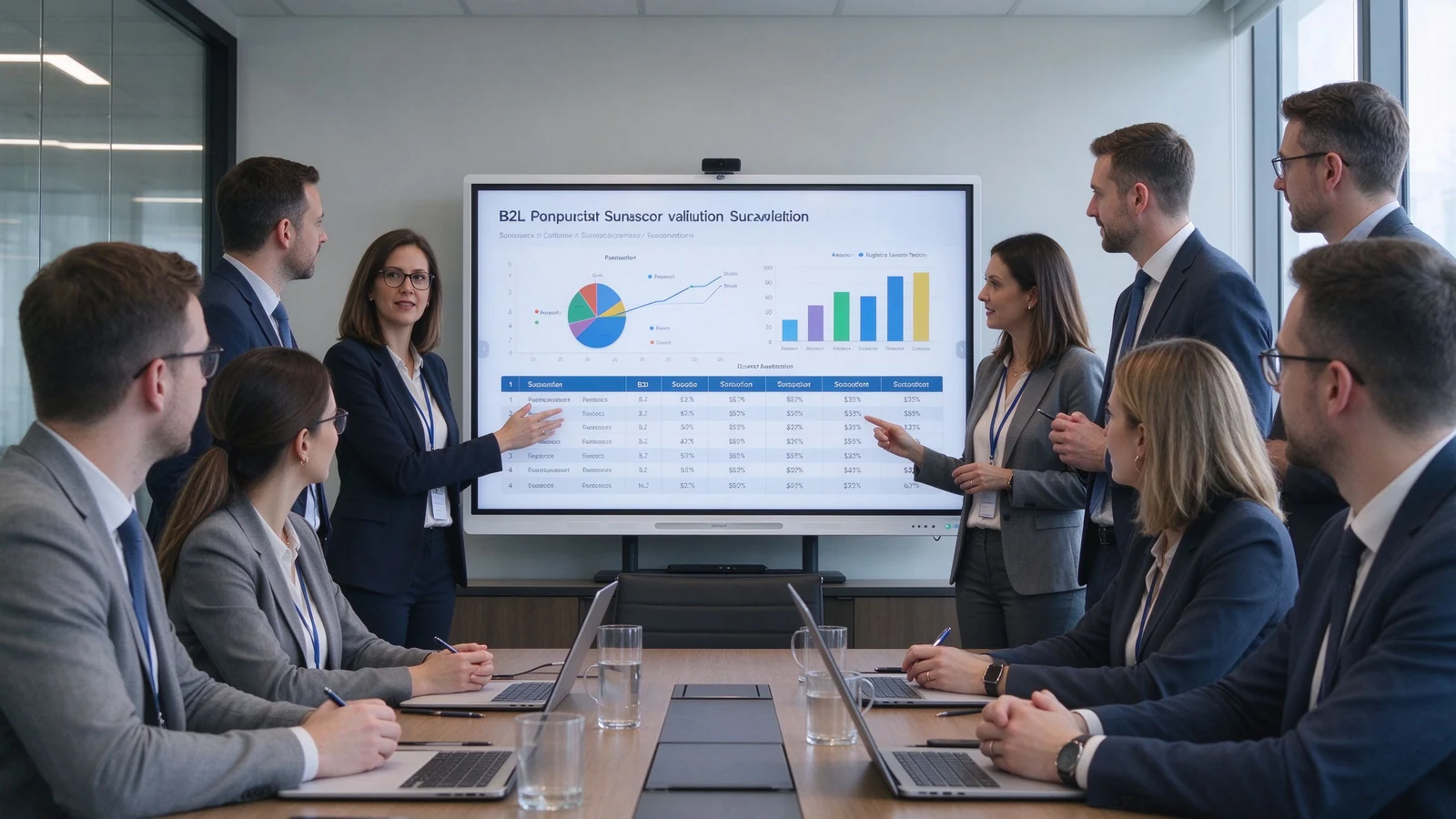
OEM attiecībās pircējs nodrošina zīmolu vai produkta specifikāciju, un ražotājs izgatavo saskaņā ar šo vienošanos. Produkts tiek piegādāts pircēja zīmola, iepakojuma un pārdošanas kanālu apzīmējumos, aparatūrai, programmatūrai un dizainam pielāgojoties attiecīgajam projektam. Šis risinājums ir piemērots labi zināmiem zīmoliem ar nobriedušām specifikācijām, izplatītājiem, kas strauji paplašina savu produktu klāstu, uzņēmumiem, kas pārdod preces ar savu zīmolu, kā arī apjomīgu projektu integratoriem, kuri precīzi zina, kas viņiem nepieciešams.
ODM attiecībās ražotājs nodrošina jau esošu platformu vai produkta dizainu, un pircējs izvēlas no tā, kā arī pieprasa veikt pielāgojumus — izskata, sistēmas, pieslēgvietu, logotipa, iepakojuma un programmatūras ziņā. Tas atbilst uzņēmumiem bez pilna iekšējā r & d komanda, kas joprojām ir nepieciešama zīmola produktu savu. Robeža starp oem un odm nav likumīga vai tehniska tik daudz kā komerciāla: kam pieder dizains, kam maksā par instrumentu un ko var mainīt.
| Modelis | Pircējs nodrošina | Manufacturer provides | Labākais par | Qtenboard atbalsts |
|---|---|---|---|---|
| White label | Zīmola nosaukums un pamatprasības | Existing product, limited changes | Ātra ieeja tirgū | Boot logo, packaging, pre-installed apps |
| Oem | Detalizēta produkta specifikācija | Manufacturing to agreed spec | Iesakņojušies zīmoli | Full hardware and software customization |
| Odm | Produkta koncepcija vai tirgus nepieciešamība | Product platform, engineering, manufacturing | Zīmoliem, kuriem nepieciešami pielāgoti produkti | Public mold, structural, private mold options |
| Ckd | Produktu un montāžas prasības | Disassembled components and technical support | Vietējie montāžas projekti | Disassembled components and technical support |
| Skd | Product and regional delivery plan | Pusgatavi komplekti | Small-batch local production | Pusgatavi komplekti vietējai montāžai |
Kas attiecas uz modeli, ir atkarīgs no jūsu komandas. Ja inženiertehniskās kapacitātes ir ierobežotas, ODM kopā ar rūpīgu zīmola veidošanu ļauj visātrāk nonākt tirgū. Ja zīmola aizsardzība ir svarīga un apjoms to attaisno, OEM ar privātu veidni izveido aktīvu, kuru konkurenti nevar atkārtot vienas sezonas laikā. CKD/SKD ir loģistikas un normatīvās prasības izvēle, nevis produkta izvēle – to izvēlieties tad, ja sūtījumu apjoms, muitas nodokļi vai vietējās vērtības noteikumi padara vietējo montāžu izdevīgāku nekā gatavo vienību importēšanu.
Katram pircējam šajā sarakstā ir atšķirīgs kļūmes veids. Zemāk profili tulkot katru no tiem, kas būtu pārbaudīti, dokumentēti, un sarunas pirms po-tāpēc jūs neesat salīdzinot ar kopējo spec lapu.
Nepieciešamas 55–110 collu interaktīvās tāfeles, izglītības programmatūra un mākoņplatformas, sāknēšanas ekrāna logotipi, izglītības tirgus sertifikācija, partiju piegāde, vietējais pēcpārdošanas atbalsts un uzstādīšanas pakalpojumi. Viņiem ir nepieciešams arī piegādātājs, kurš neizzudīs starp kohortām.
Nepieciešamība sanāksmju telpas interaktīvo displeju, 4k, video konferences, bezvadu liešana, komandas/zoom/google meet saderība, kamera-mikrofons-skaļruņu kombinācijas, un uzņēmuma ierīču pārvaldība-bieži vien līdzās esošajām produktu līnijām, ko tie izplata.
Pievērsiet uzmanību iepirkuma cenai, produktu klāstam, minimālajam pasūtījuma apjomam, noliktavas krājumiem un piegādes termiņam, iepakojumam, teritoriālajai aizsardzībai, rezerves daļām, pēcpārdošanas pakalpojumiem un tirgus diferenciācijai. Viņu peļņas marža balstās uz piegādātāju konsekventību un atsaucību, nevis uz vienreizējiem atlaižiem.
Need ports, OPS modules, network and control systems, camera and audio integration, device compatibility, project configuration, technical documentation, and batch deployment support. A product that cannot integrate is a project that fails on site.
Need certification, data security, supplier stability, project consistency, phased delivery, warranty and maintenance, long-term spares, project documentation, and acceptance criteria. Their risk is not a defective unit — it is a supplier who cannot stand behind thousands of units over five years.
Ir nepieciešams samazināts piegādes apjoms, vietēja montāža, atbilstība vietējām politikas un nodokļu normām, kā arī vietējas pakalpojumu un ražošanas kapacitātes. CKD/SKD ir paredzēts tieši šai grupai, taču tikai ar piegādātāju, kurš nosūtīs pareizo komplektu, nevis vienkārši kasti ar atsevišķām detaļām.
A range of 55, 65, 75, 86, 98, and 110 inches — plus interactive tables and, where relevant, special sizes — matters for a concrete reason: distributors need price tiers across rooms, enterprise projects need one brand across different spaces, integrators need one supplier for mixed rooms, and large buyers reduce vendor count. Ask whether the same configuration family is available across sizes, and whether touch technology can differ by size.
Understand the LCD panel source, 4K resolution, brightness, anti-glare, and viewing angles. On touch, distinguish infrared from PCAP, touch points, latency, palm rejection, finger/stylus/eraser recognition, and simultaneous writing. Do not stop at “how many points”: test accuracy, fast writing, multi-user operation, and identical behavior under Android and Windows, plus compatibility with the touch software you plan to ship.
Mainboard, CPU and RAM, storage, operating system, OPS module, camera, microphone, speaker, port combination, Wi-Fi/Bluetooth, structure, power system, stand and mounting. Useful questions:
Boot logo, boot animation, UI, pre-installed apps, whiteboard software, casting app, enterprise apps, language packs, device lock, OTA updates, remote device management, AI transcription and meeting summaries, enterprise cloud integration. Confirm who maintains the software, whether updates are charged, whether custom features carry an MOQ, whether source or SDK is available, whether API integration is supported, whether localized language development is possible, and whether technical support continues after the project.
Bezel width, rear cover design, logo position, button layout, camera position, wall-mount structure, thermal design, material and color, packaging and shipping protection, and private mold development. A supplier that molds its own housings can change bezel, venting, and camera placement without buying from a third-party casing vendor — which means faster, cheaper, more reliable customization.
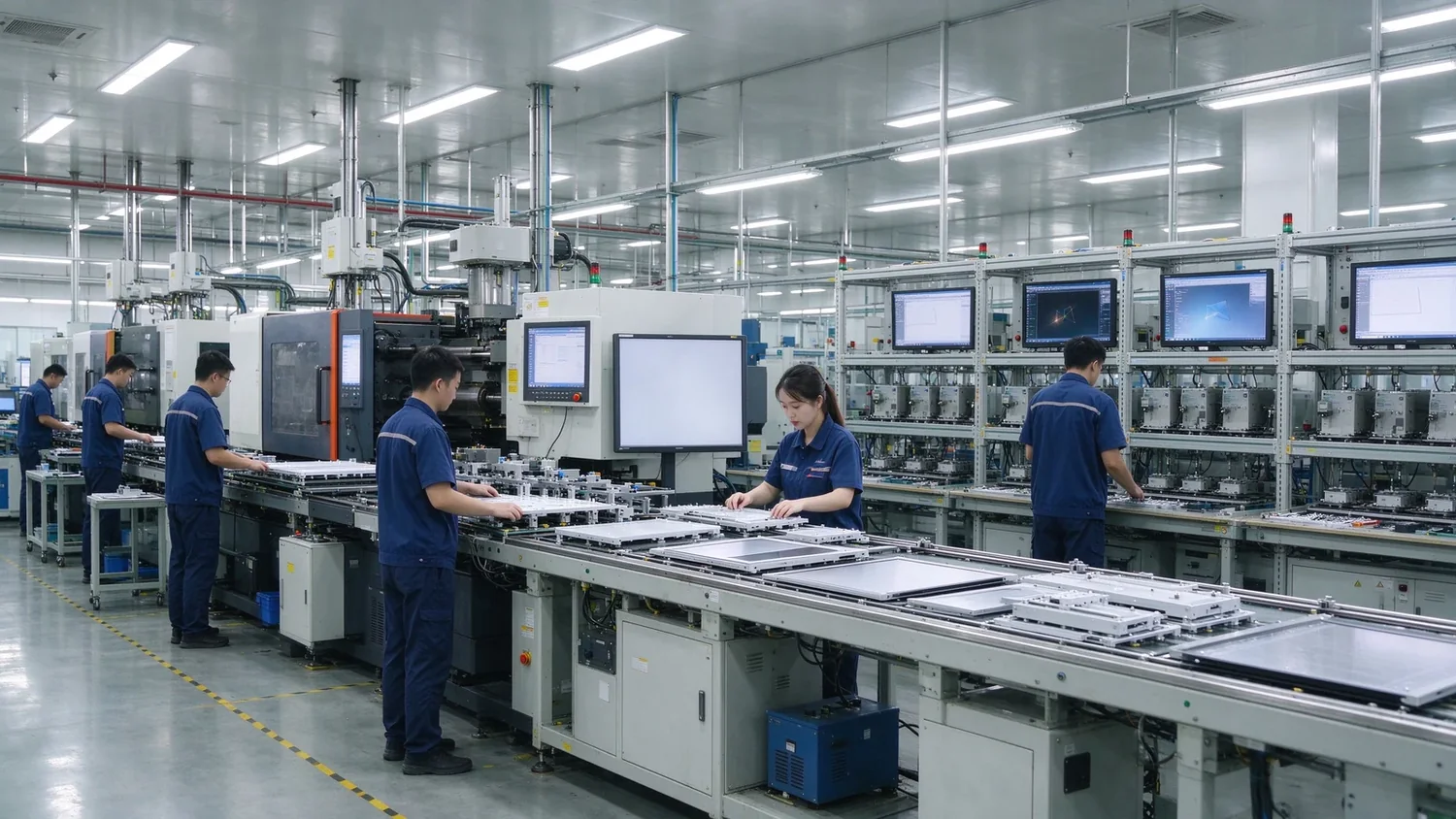
Classify the supplier honestly: true manufacturer, partial in-house with outsourcing, pure trading company, or rebranding agent. Ask how LCD and touch components are procured, whether injection lines are owned, whether assembly and SMT capability exist, whether an aging-test line and reliability lab exist, whether key components are controlled, whether production batches are tracked, and whether batch-to-batch consistency is guaranteed. Answers that cannot be followed by a video audit or sample comparison are answers to discount.
A usable QC picture has four layers. Incoming quality control inspects LCD panels, touch frames, mainboards, power, camera, microphone, speaker, glass, housing, cables, and connectors. In-process control checks screen assembly, touch calibration, mainboard fitting, power safety, firmware burning, port testing, and audio-video testing. Finished-product testing covers brightness and uniformity, touch accuracy, multi-touch, wireless casting, audio and camera, Wi-Fi/Bluetooth/LAN, long-run aging, and packaging drop protection. Batch-delivery control includes first-article approval, sample-vs-mass-production comparison, pre-shipment sampling, defect logging, serial-number and batch traceability, inspection reports, and RMA and replacement processes.
Expect CE, FCC, RoHS, REACH, Energy Star, Google EDLA, Microsoft Teams / Zoom certification where relevant, regional plug and voltage, rules of origin, and data-security compliance. Ask for target-market certification files, test reports, packaging and labeling rules, and product-liability and recall processes. A product that cannot enter your market on paper is not a cheaper product — it is a blocked shipment.
Ask which of these tests are routine and which are one-off certifications. Routine aging — running every unit for a fixed period before packing — is the single strongest signal of a supplier serious about reliability, and the easiest to fake in a marketing deck. Ask to see the actual aging room during a factory visit or video audit.
Customization has a second layer that pricing never shows: who owns what after the project ends. Three commercial points deserve a written answer, not a verbal one.
When you pay for a private mold, confirm whether the tooling belongs to you, to the supplier, or jointly — and where it physically lives. If it stays at the factory and you later switch suppliers, you may pay for the same mold twice. If it ships to you, plan storage and future production runs.
Custom boot screens, pre-installed apps, whiteboard skins, and integrations with your cloud platform: who owns the code, who maintains it, can it be transferred, and what happens if the relationship ends? Suppliers who retain all software IP can legally continue shipping products that carry your own customization, while owning none of it for you.
Is your market protected? Can the supplier sell the same customized product to a competitor in your territory? How long will this configuration stay in production, and what migration path exists when components are discontinued? These clauses cost nothing to write and are expensive to discover missing.
| Novērtēšanas zona | Jautājumi, ko uzdot |
|---|---|
| Produkts | Does the supplier offer the sizes and configurations required? |
| Pielāgošana | Can it customize software, appearance, structure, and hardware? |
| Ražošana | Is production controlled in-house or outsourced? |
| Quality | What inspections and aging tests are performed? |
| Sertifikāti | Can the supplier provide market-specific documents? |
| Piegāde | What are MOQ, lead time, capacity, and shipment options? |
| Atbalsts | Are spare parts, firmware updates, and technical support available? |
| Komerciālie noteikumi | Are pricing, tooling, ownership, and warranty clearly defined? |
| Supplier type | Advantages | Risks or limitations |
|---|---|---|
| Factory-direct manufacturer | Better control of cost, production, customization, lead time | Buyer must manage technical evaluation |
| Trading company | May offer multiple brands and easier communication | Weaker control over product changes and quality |
| OEM integrator | Can bundle product and service | Some core components may be outsourced |
| Local distributor | Local support and stock | Higher price, limited customization |
Do not over-generalize. A trading company is not automatically bad. The real tests are transparency about the factory, consistent technical documentation, willingness to take after-sales responsibility, a stable supply chain, and credible project experience.
A practical shortlist is three to five: one factory-direct candidate matching your core configuration, one offering deeper customization or better volume pricing, and one backup for risk. Request samples from the top two — samples cost far less than a wrong first container. Evaluate them on the same test script: same drawing, same person, same room, same duration. Judgment made from showroom demos is unreliable; judgment made from a week of internal use is not.
Qtenboard produces interactive whiteboards, LCD video walls, digital signage, kiosks, totem displays, and CMS/DMS software. For distributors and integrators who need more than one commercial display line, one supplier simplifies specification, procurement, certification, and spares.
The customization program runs in four tiers: (1) software and firmware customization, (2) public-mold appearance customization, (3) public-mold structural customization, and (4) private mold or full customization. Software customization can start from lower quantities; structural and private-mold work is confirmed by quantity, tooling, and development investment.
Own-brand logo, boot screen, pre-installed apps, system language, hardware ports, camera and audio, touch points, size and appearance, packaging and manuals, and local assembly options.
For partners needing local assembly, projects needing reduced shipping volume, companies with local factories or service networks, and markets with local-production policy requirements. Before signing, confirm how the kit is packed, which components ship loose versus pre-assembled, and what local-assembly instructions and after-sales documentation are included — a CKD project fails when the kit arrives missing something no one listed.
Samples, specification confirmation, OEM branding, packaging design, batch delivery, technical documentation, certification files, after-sales and spares, and multi-market project coordination.
Typical OEM/ODM programs buyers configure:
| Buyer priority | Qtenboard value proposition |
|---|---|
| Produktu portfelis | Interactive whiteboards, video walls, signage, kiosks |
| Pielāgošanas dziļums | Software, public mold, structural, private mold |
| Ražošanas kontrole | In-house injection, assembly, aging test |
| Global support | Samples, certifications, spare parts, project coordination |
| Local assembly | CKD/SKD options |
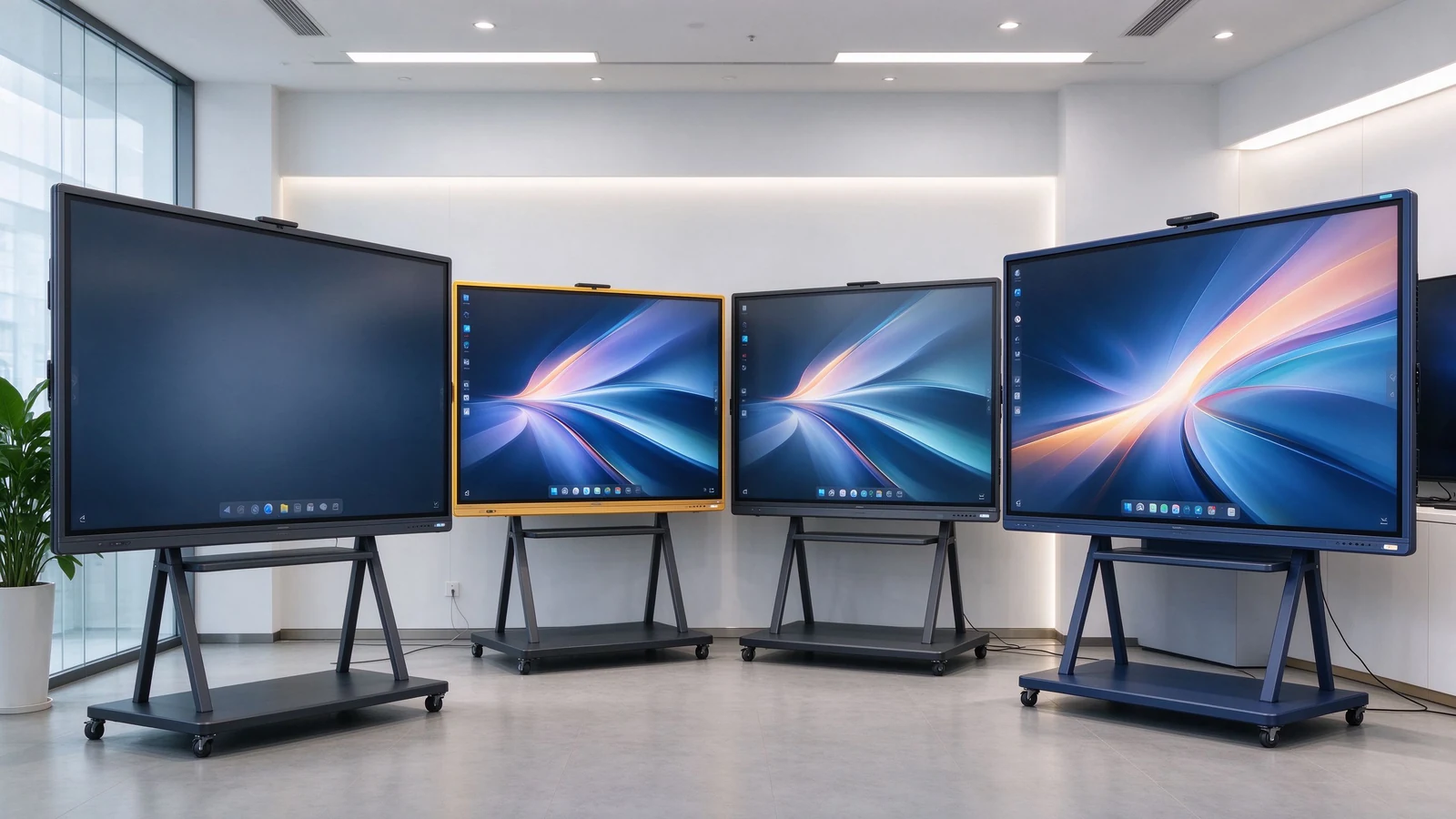

No fixed number should be quoted without a project scope. The cost stack is: screen size, display panel grade, touch technology and points, mainboard and system, camera/microphone/speaker, appearance and structural development, tooling, software customization, packaging, certification, MOQ, shipping and local assembly, and after-sales spares. Compare suppliers on this complete picture, not on an ex-works panel price.
| Customization type | Typical cost impact |
|---|---|
| Boot logo and pre-installed apps | Zems |
| Packaging and label customization | Low to moderate |
| Public-mold appearance changes | Mērena |
| Structural changes | Moderate to high |
| Private mold and full product design | High initial investment |
TCO = tooling + software customization + certification + unit cost + packaging + shipping + duty + after-sales spares + software maintenance.
Volume tiers move unit price, but they also move what a supplier will invest in. At low quantities, expect a standard product with logo and packaging changes; the supplier protects margin by limiting engineering. At mid volume, structural changes and dedicated firmware become realistic. At high volume, private mold, dedicated software, and territory agreements come to the table — and the supplier becomes more invested in your success, because your failure costs them too.
Negotiation levers beyond unit price: tooling amortization across batches, sample cost credited at PO, warranty extension, spare-part pricing for years one and two, and a price-freeze clause for the first reorder. Ask for these in writing; they are normal B2B terms, not special favors.
Before any PO, ask for a complete data room. A supplier who cannot produce these documents quickly is telling you something about their processes:
This package also makes comparison honest: five quotes become comparable only when they carry the same documentation behind them.
OEM usually builds to the buyer’s specification; ODM provides the product platform, engineering, and manufacturing, after which the buyer brands or customizes functions. The difference is who owns the design and who pays for its development.
Evaluate product and size range, touch and display technology, software and hardware customization, factory production capability, quality control, certification, MOQ and lead time, after-sales, spares, and lifecycle support.
Some suppliers offer Android, Windows, or dual-system configurations with pre-installed apps, logo, UI, language, and device management. Exact development scope, compatibility, and cost are project-confirmed.
MOQ depends on customization tier. Logo, pre-installed apps, or packaging may work at lower quantities; structural, private-mold, and full product development usually require higher quantities or a long-term commitment.
Prefer suppliers who allow sample testing and golden-sample approval. The sample should be tested for touch, display, software, casting, audio and video, ports, and long-run operation.
Qtenboard offers OEM, ODM, CKD, and SKD programs across brand, software, appearance, structure, hardware, and local assembly tiers, confirmed per project.
Qtenboard supports boot logo, pre-installed apps, packaging, and hardware configuration customization for distributors, system integrators, and brand owners running private-label programs.
Qtenboard operates injection-molding capability and produces housings for interactive whiteboards, digital signage, and kiosks — relevant when custom appearance or structural changes are on the project list.
Request: full specification sheet, certification files, test reports, packaging dimensions, installation guide, user manual, software version information, warranty terms, spares list, and inspection standard.
Software-level customization — boot logo, packaging, pre-installed apps — can move within weeks after golden-sample approval. Structural changes typically add several weeks beyond sample. Private mold and full product design run on tooling and development cycles measured in months, confirmed per project. Ask for a written timeline at quotation, not a verbal estimate.
Different partners take different next steps:
| Role | Recommended next step |
|---|---|
| Brand owner | Request an OEM/ODM consultation |
| Izplatītājs | Request a private-label catalog and sample |
| System integrator | Request project configuration support |
| Valdība/izglītība | Download the supplier audit checklist |
| Local assembly | Discuss a CKD/SKD project |
Tell us your target market, screen sizes, required touch points, operating system, customization needs, estimated quantity, and delivery plan. Qtenboard can recommend an OEM, ODM, CKD, or SKD solution for your brand or project. Start through the contact page or explore the OEM/ODM program.
Required: name, company, email, country, business type, product type, estimated quantity, message.
Optional: preferred screen sizes, required touch points, operating system, hardware requirements, software requirements, branding needs, packaging requirements, need for CKD/SKD, expected delivery date.
Request an OEM/ODM Consultation Get a Smart Board Supplier Quote Ask for a Sample Discuss a Private-Label Project
Ceo | interaktīva displeja un sadarbības risinājumu eksperts
Esmu Qtenboard dibinātājs, un man ir vairāk nekā 17 gadu praktiskas pieredzes skārienjūtīgo ekrānu nozarē. Pamatojoties uz globālās vadības perspektīvu, kas iegūta, izmantojot emba studijas šengenas universitātē, es vadu savu komandu, optimizējot katru darbības posmu-no produktu definīcijas līdz augstas efektivitātes piegādes ķēdes pārvaldībai-nodrošinot, ka mūsu ražošanas spējas paliek nozares priekšgalā.
Kā qtenboard līderis, es specializējos, lai nodrošinātu pielāgotus oem/odm risinājumus interaktīvajām tāfelēm, lcd video sienām, ciparu apzīmēm un rūpnieciskās kvalitātes pieskāriena termināļiem. Atbalstīts mūsu 330,000 m² mūsdienu rūpniecības parks shenzhen, mēs uzturēt pilnu dzīves cikla kontroli pār rūpniecisko dizainu, precizitāti ražošanu un stingru veiktspējas testēšanu.
Ar gandrīz divus gadu desmitus ilgu projekta pieredzi, qtenboard displeja risinājumi tagad tiek izvietoti vairāk nekā 120 valstīs un reģionos, nopelnījis vairāk nekā 15,000 uzņēmumu klientu uzticību visā pasaulē. Ja jūs meklējat atsaucīgu partneri ar dziļu ražošanas pamatu jūsu pielāgotiem touch displeja projektiem, mans komanda un es esam gatavi atbalstīt jūsu vīziju ar profesionālu izcilību.
 lav
lav
 EN
EN  pt
pt  spa
spa  th
th  vie
vie  aze
aze  bel
bel  est
est  ukr
ukr  ru
ru