เอกสารที่อ่อนโยนที่สุดถามคำถามเกี่ยวกับความเข้ากันได้ของ OS คำถามเดียวที่ไม่สามารถจับความล้มเหลวหลังการติดตั้งที่พบมากที่สุดสามข้อในการใช้งานการแสดงผลของโรงเรียนคู่มือนี้แสดงสิ่งที่จะถามแทน-และวิธีการใส่คำตอบในการเขียนก่อนที่จะมีการลงนามสัญญา
เครือข่ายมัธยมศึกษาที่ได้รับทุนสนับสนุนจากรัฐในเซาเปาโลมากขึ้นเสร็จสิ้นการจัดซื้อ200หน่วยของ กระดานไวท์บอร์ดแบบโต้ตอบอัจฉริยะ ข้ามแปดวิทยาเขตการเสนอราคาได้รับรางวัลให้กับผู้เสนอราคาต่ำสุดเอกสารอ่อนโยนมีข้อเข้ากันได้หนึ่งข้อ: "อุปกรณ์ต้องรองรับ Windows และ Android" ไม่มีการระบุประเภทสถาปัตยกรรมไม่มีข้อกำหนดด้านโปรโตคอลการสัมผัสไม่มีเงื่อนไขการทดสอบการยอมรับไม่จำเป็นต้องมีวิธีการตรวจสอบข้อได้รับความพึงพอใจทางเทคนิคในขณะที่อุปกรณ์เปิดและยอมรับสาย HDMI จากเครื่องคอมพิวเตอร์ที่ใช้ windows.
สิบสัปดาห์เข้าสู่ปีการศึกษา The Network & #039; S It coordinator ได้รับตั๋วสนับสนุนเดียวกันจากวิทยาเขตที่แตกต่างกันห้าแห่ง:เมื่อครูเชื่อมต่อแล็ปท็อป Windows ที่ออกในโรงเรียนเข้ากับจอแสดงผลฟังก์ชันมัลติทัชทั้งหมดจะหายไป ในโหมด Android จอแสดงผลทำงานอย่างถูกต้องแต่เมื่อแหล่งสัญญาณเข้าเปลี่ยนไปใช้ Windows PC, Pinch-to-ZOOM, dual-PEN Annotation และท่าทางการทำงานร่วมกันกลายเป็นทั้งหมดไม่ทำงานครูกลับไปยืนอยู่ข้างแล็ปท็อปที่เชื่อมต่อเมาส์โดยใช้จอแสดงผลแบบโต้ตอบขนาด75นิ้วเป็นหน้าจอโปรเจคเตอร์
การสืบสวนใช้เวลาสี่สัปดาห์และประมาณ80ชั่วโมงของเวลาพนักงานไอทีการค้นหา: เฟิร์มแวร์ตัวควบคุมแบบสัมผัสของอุปกรณ์ไม่ได้ใช้ตัวอธิบาย Digitizer ของ Windows นี่คือการตัดสินใจด้านการผลิตซึ่งไม่สามารถแก้ไขได้ด้วยการอัปเดตไดรเวอร์หรือเฟิร์มแวร์สองร้อยหน่วยในแปดวิทยาเขตไม่สามารถทำงานเป็นกระดานไวท์บอร์ดแบบโต้ตอบภายใต้หน้าต่างข้อรับประกันไม่ครอบคลุมสัญญาไม่ต้องการมันข้อกำหนดการจัดซื้อไม่ได้ขอให้มัน
ความล้มเหลวไม่ใช่ข้อบกพร่องของฮาร์ดแวร์มันเป็นช่องว่างที่หดตัว-สร้างขึ้นในจุดของการจัดซื้อไม่ได้อยู่ในจุดของการติดตั้ง มันเป็นผลที่คาดการณ์ได้ของการเสนอราคาที่ได้รับรางวัลในราคาที่มีข้อกำหนดที่ถามถึงสิ่งหนึ่งเมื่อจำเป็นที่จะขอสี่
มูลนิธิ
ความเข้ากันได้ของระบบปฏิบัติการจะกำหนดว่าอุปกรณ์ สามารถ ใช้งานได้เลยฮาร์ดแวร์แผงกำหนดว่าเป็นหรือไม่ คุ้มค่ามากๆ การใช้. ทั้งสองมิติต้องล้างเกณฑ์ขั้นต่ำก่อนที่อุปกรณ์จะอยู่ในห้องเรียนจอแสดงผลที่เข้ากันได้กับระบบปฏิบัติการอย่างสมบูรณ์แบบที่มีความสว่างไม่เพียงพอเวลาแฝงในการสัมผัสที่ไม่ดีหรือคุณสมบัติในตัวที่ขาดหายไปจะถูกทิ้งร้างโดยครูภายในภาคการศึกษาโดยไม่คำนึงถึงวิธีการที่ดีสถาปัตยกรรมของมันได้รับการจัดทำเอกสารส่วนนี้ครอบคลุมพื้นฐานฮาร์ดแวร์ที่ควรได้รับการตรวจสอบก่อนการอภิปรายเกี่ยวกับความเข้ากันได้ของระบบจะเริ่มขึ้น
ข้อกำหนดต่อไปนี้ระบุการใช้งานในห้องเรียนโดยตรงภายใต้เงื่อนไขในชีวิตประจำวันพวกเขาไม่ได้แตกต่างระหว่างรุ่นพรีเมี่ยมและรายการ-พวกเขาเป็นเกณฑ์การทำงานขั้นต่ำอุปกรณ์ที่อยู่ต่ำกว่าอุปกรณ์เหล่านี้จะสร้างแรงเสียดทานที่ทำให้ครูหยุดใช้คุณสมบัติแบบโต้ตอบภายในไม่กี่สัปดาห์
| ข้อมูลจำเพาะ | สิ่งที่ล้มเหลวเมื่อสิ่งนี้ไม่เพียงพอ |
|---|---|
| ความสว่างความสว่างสูง | เนื้อหาจะมองไม่เห็นในห้องที่มีแสงแดดส่องถึงโดยตรงหรือแสงเหนือศีรษะที่แรงครูปิดมู่ลี่และไฟสลัวเพื่อชดเชยการตั้งค่าห้องและลดประสิทธิภาพการใช้พลังงาน |
| มุมมองภาพ | นักเรียนในที่นั่งด้านข้างสัมผัสกับการเปลี่ยนสีและการสูญเสียความคมชัดที่สำคัญพอที่จะทำให้ข้อความไม่สามารถอ่านได้เฉพาะโซนกลางของห้องเรียนเท่านั้นที่เห็นคุณภาพการแสดงผลเต็มรูปแบบ |
| เวลาแฝงในการสัมผัส/เขียน | เส้นทางคำอธิบายประกอบที่เห็นได้ชัดหลังสไตลัสที่ความเร็วการเขียนด้วยลายมือปกติทำให้บันทึกคณะกรรมการไม่ถูกต้องและทำลายความรู้สึกตามธรรมชาติของการเขียนครูหยุดใช้ปากกาและย้อนกลับเพื่อพิมพ์เนื้อหาเท่านั้น |
| ประเภทเทคโนโลยีสัมผัส | ระบบกริดอินฟราเรดไวต่อการดริฟท์ตำแหน่งเมื่อเวลาผ่านไปและถูกรบกวนด้วยแสงแวดล้อมที่แข็งแกร่งในห้องเรียนที่มีความหนาแน่นสูงการหยุดชะงักของอินฟราเรดโดยไม่ตั้งใจทำให้เกิดการสัมผัสที่ผิดพลาดและอินพุตผี |
| แผงอายุการใช้งานและการรับประกัน | การย่อยสลายของแบ็คไลท์ LED ช่วยลดความสว่างต่ำกว่าระดับที่ใช้งานได้ซึ่งมักจะอยู่ในรอบการจัดซื้อโรงเรียนห้าปีการเปลี่ยนทดแทนมีราคาแพงหากชิ้นส่วนถูกยกเลิกหรือซัพพลายเออร์ไม่มีเครือข่ายบริการท้องถิ่น |
ต่อไปนี้เป็นข้อกำหนดโครงสร้างพื้นฐานของห้องเรียนไม่ใช่คุณสมบัติระดับพรีเมียมอุปกรณ์ที่ขาดเหล่านี้จะต้องมีการทำงานที่เพิ่มค่าใช้จ่ายความซับซ้อนหรือแรงเสียดทานของครู-มักจะแรงเสียดทานเพียงพอที่คนงานรอบๆถูกทิ้งร้างในที่สุดและห้องเรียนกลับไปปฏิบัติก่อนดิจิตอล
| ฟีเจอร์ | ทำไมมันเป็นความต้องการไม่ใช่สิ่งที่ดีที่จะมี | สิ่งที่จะตรวจสอบในอ่อนโยน |
|---|---|---|
| กล้องและไมโครโฟนในตัว | การสอนระยะไกลและไฮบริดต้องใช้แหล่ง AV ระดับห้องการเพิ่มเว็บแคมภายนอกต่อต้นทุนการใช้ตัวคูณในห้องเรียนและสร้างปัญหาการจัดการอุปกรณ์แยกต่างหากในระดับ | ความละเอียดของกล้อง ≥ 1080P; ไมโครโฟนที่มีการตัดเสียงรบกวน; ไม่มีอุปกรณ์การประชุมของบุคคลที่สามที่จำเป็นสำหรับบทเรียนระยะไกลมาตรฐาน |
| บทเรียนการบันทึก | การบันทึกจะใช้สำหรับการตรวจสอบของนักเรียนขาดนักเรียนจับขึ้นและครูพัฒนามืออาชีพ-ความคาดหวังที่ได้กลายเป็นมาตรฐานในระบบโรงเรียนส่วนใหญ่ดังต่อไปนี้ pandemic-ERA การเรียนรู้ระยะทาง | ความสามารถในการบันทึกในท้องถิ่นพื้นที่เก็บข้อมูลขั้นต่ำสำหรับการบันทึกและเล่นพร้อมกันรูปแบบการส่งออกเข้ากันได้กับโรงเรียน LMS |
| ซอฟต์แวร์ไวท์บอร์ดดิจิตอลที่ติดตั้งไว้ล่วงหน้า | พื้นผิวการแสดงผลโดยไม่ต้องมีเครื่องมือคำอธิบายประกอบในตัวต้องให้ครูติดตั้งอัปเดตและจัดการซอฟต์แวร์ของบุคคลที่สามในทุกอุปกรณ์-ปัญหาการใช้งานและใบอนุญาตที่ขนาด100หน่วย | ติดตั้งไว้ล่วงหน้าที่โรงงานการรวม LMS (ห้องเรียน Google ทีม Microsoft หรือเทียบเท่า) การส่งออกไปยังรูปแบบ PDF และภาพ |
| ที่เก็บของในท้องถิ่น | เครือข่ายโรงเรียนมักจำกัดการเข้าถึงคลาวด์ในระหว่างบทเรียนหรือมีแบนด์วิดท์ไม่เพียงพอสำหรับการสตรีมความละเอียดสูงพร้อมกันในห้องเรียนหลายห้องฟังก์ชันออฟไลน์เป็นข้อกำหนดโครงสร้างพื้นฐานในทางปฏิบัติ | ที่เก็บข้อมูลภายใน ≥ 64GB; |
| Mdm/ การจัดการอุปกรณ์ระยะไกล | การจัดการอุปกรณ์200เครื่องในแปดวิทยาเขตโดยไม่มีการควบคุมแบบรวมศูนย์ต้องการการเข้าถึงทางกายภาพไปยังแต่ละหน่วยสำหรับการอัปเดตการเปลี่ยนแปลงการกำหนดค่าหรือการวินิจฉัยความผิดพลาดทุกครั้งในระดับนี้ไม่ได้ดำเนินการเป็นไปได้ | เข้ากันได้กับแพลตฟอร์ม MDM ที่มีอยู่ของโรงเรียนหรือโซลูชัน MDM ที่ให้มา |
ราคาซื้อหน่วยในการตอบสนองต่อการเสนอราคาไม่ใช่ค่าใช้จ่ายของอุปกรณ์ในรอบการจัดซื้อโรงเรียนค่าใช้จ่ายทั้งหมดในการเป็นเจ้าของ (TCO) มากกว่าห้าปีรวมถึงบริการการบำรุงรักษาการปรับปรุงและการเปลี่ยน-ส่วนประกอบที่ขาดเป็นประจำจากการส่งราคาถูกเพราะไม่มีข้อในการซื้อต้องการให้พวกเขาได้รับการเปิดเผยหรือมุ่งมั่นที่จะต่อไปนี้เป็นส่วนประกอบ TCO ที่ค้นพบบ่อยที่สุดหลังจากลงนามในสัญญาเท่านั้น
| ส่วนประกอบ TCO | ความเสี่ยงเมื่อปล่อยทิ้งไว้ในความนุ่ม | ข้อที่จะเพิ่มก่อนที่จะลงนาม |
|---|---|---|
| เวลาตอบสนองการซ่อมนอกสถานที่ | ห้องเรียนไม่สามารถใช้งานได้สำหรับระยะเวลาในการซ่อมคิวบริการอีเมลต่างประเทศเท่านั้นที่มีเวลาตอบสนอง2-4สัปดาห์เป็นเรื่องปกติในหมู่ซัพพลายเออร์ที่มีราคาต่ำและมักไม่เปิดเผยจนกว่าจะมีการเรียกร้องการรับประกันครั้งแรก | "ซัพพลายเออร์ต้องมุ่งมั่นในการเขียนเพื่อตอบสนองการซ่อมแซมในสถานที่ภายใน [x] วันทำการของรายงานความผิดพลาดโดยมีการติดต่อบริการท้องถิ่นที่ชื่อสำหรับสัญญานี้" |
| มีอะไหล่ทดแทน | ชิ้นส่วน OEM สำหรับอุปกรณ์ระดับงบประมาณมักถูกยกเลิก3-4ปีหลังจากสิ้นสุดการผลิตโรงเรียนแล้วถือหน่วยที่ไม่สามารถซ่อมแซมได้ MID-Lifecycle โดยไม่มีการเรียกคืนภายใต้ข้อรับประกันที่ครอบคลุมเฉพาะข้อบกพร่องในการผลิตเท่านั้น | "ซัพพลายเออร์ต้องรับประกันความพร้อมของชิ้นส่วนอะไหล่สำหรับรุ่นที่จัดหาให้อย่างน้อย5ปีนับจากวันที่ซื้อ" |
| นโยบายการอัพเดตเฟิร์มแวร์และระบบปฏิบัติการ | แพทช์ความปลอดภัยและการปรับปรุงรุ่น android. ผู้ผลิตบางรายย้ายอุปกรณ์ไปยังชั้นการปรับปรุงที่ชำระเงินหลังจากปีสองหรือหยุดการอัปเดตทั้งหมดเมื่อรูปแบบถึงจุดสิ้นสุดของชีวิตออกจากห้องเรียนที่ใช้ซอฟต์แวร์ที่ล้าสมัยและไม่ได้เผยแพร่ | "ต้องจัดเตรียมเฟิร์มแวร์ OS และการอัปเดตความปลอดภัยทั้งหมดโดยไม่มีค่าใช้จ่ายเพิ่มเติมสำหรับระยะเวลาการรับประกันเต็มจำนวนโดยมีการอัปเดตอย่างน้อยหนึ่งปีของ [x] จากการจัดส่ง" |
| เครือข่ายบริการท้องถิ่น | การจัดส่งระหว่างประเทศสำหรับการซ่อมแซมการรับประกันจะเพิ่มค่าขนส่งความซับซ้อนทางศุลกากรและระยะเวลาในการดำเนินการที่เกินหกสัปดาห์การซ่อมแซมหน่วยเดียวผ่านทางต่างประเทศกลับไปฐานสามารถค่าใช้จ่ายมากกว่างบประมาณโลจิสติกเดิมสำหรับทั้งชุด | "ซัพพลายเออร์ต้องจัดทำเอกสารศูนย์บริการท้องถิ่นที่ได้รับอนุญาตภายใน [x] km ของที่อยู่จัดส่งพร้อมรายละเอียดการติดต่อที่รวมอยู่ในตารางเวลาสัญญา" |
สินค้าที่เกี่ยวข้อง
กระดานไวท์บอร์ดแบบโต้ตอบของ qtenboard เพื่อการศึกษา-ข้อกำหนดฮาร์ดแวร์เต็มรูปแบบชุดคุณลักษณะในตัวและตัวเลือกการกำหนดค่าสำหรับ K-12และการปรับใช้การศึกษาที่สูงขึ้น
กรอบการจัดซื้อ
วลี "รองรับ Windows และ Android" ยืนยันว่าอุปกรณ์รองรับสัญญาณวิดีโอจากแหล่งสัญญาณ Windows หรือ Android เท่านั้นมันบอกว่าไม่มีอะไรเกี่ยวกับว่าชั้นสัมผัสทำงานภายใต้ Windows, วิธีการที่ทั้งสองระบบปฏิบัติการสลับระหว่างกัน, หรือว่าอินเตอร์เฟซทางกายภาพรักษาทุกประเภทสัญญาณได้อย่างน่าเชื่อถือภายใต้สภาพห้องเรียน. แต่ละสามคำถามด้านล่างมีเป้าหมายชั้นความล้มเหลวที่เฉพาะเจาะจง-และแต่ละคนได้รับสาเหตุที่ไม่มีเอกสารของความล้มเหลวในการปรับใช้โรงเรียนจริง
| สิ่งที่ผู้ซื้อส่วนใหญ่ถาม | ทำไมมันไม่สามารถจับปัญหาจริงได้ |
|---|---|
| "มันเข้ากันได้กับ Windows และ Android?" | ยืนยันอินพุตสัญญาณวิดีโอเท่านั้นไม่ได้ตรวจสอบว่าสภาพแวดล้อมของระบบปฏิบัติการทั้งสองทำงานอย่างแท้จริงไม่ว่าจะสลับอย่างไรหรือว่าสวิตช์ต้องรีบูตแบบก่อกวนหรือไม่ |
| "มันมีการสัมผัส?" | ฮาร์ดแวร์สัมผัสอาจทำงานได้อย่างถูกต้องบน Android ในขณะที่ล้มเหลวทั้งหมดบน windows. เหล่านี้เป็นกองโปรโตคอลที่แตกต่างกัน-ความสามารถไม่เหมือนกันการสัมผัสโหมด Android ผ่านการสาธิตไม่ยืนยันการสัมผัสโหมด Windows ทำงานได้เลย |
| "พอร์ตอะไรที่มี?" | การมีอยู่ของพอร์ตไม่ได้ระบุสถาปัตยกรรมสัญญาณขั้วต่อ Type-C แบบ all-in-One มีวิดีโอการสัมผัสและกำลังไฟผ่านจุดทางกายภาพเดียวซึ่งหมายถึงข้อผิดพลาดใดๆในสายเคเบิลตัวเชื่อมต่อหรือโปรโตคอลการเจรจาที่หยุดชะงักทั้งสามพร้อมกัน |
สามคำถามนี้สอดคล้องกับสามชั้นความล้มเหลวที่แตกต่างกัน-สถาปัตยกรรม OS, การออกแบบอินเตอร์เฟซและสัมผัสโปรโตคอล-จัดจากระดับระบบลงไปที่ระดับสัญญาณเอกสารการจัดซื้อที่ไม่ได้ระบุที่อยู่อย่างชัดเจนทั้งสามใบอย่างน้อยหนึ่งโหมดความล้มเหลวที่มองไม่เห็นร่วมกันต่อไปนี้สามส่วนที่อยู่แต่ละชั้นตามลำดับความล้มเหลวจะแพร่กระจายผ่านอุปกรณ์: จากระบบปฏิบัติการผ่านการเชื่อมต่อทางกายภาพไปยังสัญญาณที่ได้รับจากตัวควบคุมแบบสัมผัส
ความล้มเหลวชั้นหนึ่งระบบระดับ
ชั้นแรกที่ความเข้ากันได้แบ่งลงเป็นสถาปัตยกรรมระบบตัวเองอุปกรณ์สองเครื่องสามารถเรียกร้อง "dual-OS Support" ได้อย่างแท้จริงในขณะที่มอบประสบการณ์ในห้องเรียนที่แตกต่างกันโดยพื้นฐานเนื่องจากฉลากอธิบายถึงผลลัพธ์คุณลักษณะไม่ใช่วิธีการใช้งานวิธีการใช้งานคือสิ่งที่กำหนดว่าการสลับระหว่าง Android และ Windows จะมีค่าใช้จ่ายสามวินาทีของบทเรียนหรือสี่นาทีของมัน
| ลักษณะที่ปรากฏ | OPS Physical dual-OS | ซอฟต์แวร์แบ่งพาร์ติชันแบบ dual-OS |
|---|---|---|
| วิธีการเปลี่ยนระบบ | Hot-SWITCH-Display Controller input Change, ≤ 3วินาที | จำเป็นต้องรีบูตระบบแบบเต็ม-เฉลี่ย4ถึง8นาที |
| การแยกระบบปฏิบัติการ | ร่างกายแยก-Android SOC และ Windows OPS โมดูลมีแยก CPU, RAM และการจัดเก็บข้อมูลสภาพแวดล้อมที่ไม่สามารถเข้าถึงทรัพยากรอื่นๆ | Compute STACK ที่ใช้ร่วมกัน-สภาพแวดล้อมทั้งสองแข่งขันกันสำหรับ CPU และหน่วยความจำทางกายภาพเดียวกันระบบปฏิบัติการที่ใช้งานอยู่ต่ำกว่าข้อกำหนดฮาร์ดแวร์ |
| ประสิทธิภาพเมื่อใช้งาน | ระบบปฏิบัติการแต่ละระบบปฏิบัติการทำงานที่ข้อกำหนดฮาร์ดแวร์เต็มรูปแบบ-ไม่มีการย่อยสลายเมื่อสภาพแวดล้อมอื่นๆยังใช้พลังงานและสแตนด์บาย | ระบบปฏิบัติการที่ใช้งานได้รับทรัพยากรที่ลดลงประสิทธิภาพต่ำกว่าสิ่งที่ฮาร์ดแวร์สามารถส่งมอบกับ OS เดียว |
| เส้นทางการอัพเกรดฮาร์ดแวร์ | สล็อต OPS ยอมรับโมดูลคำนวณที่เข้ากันได้กับ Intel NUC ฟอร์มแฟคเตอร์มาตรฐาน Windows Compute Unit เปลี่ยนได้อย่างอิสระ-แผงแสดงผลจะถูกเก็บไว้เมื่อมีการเปลี่ยนแปลงข้อกำหนดด้านคอมพิวเตอร์ | การอัปเกรดต้องเปลี่ยนอุปกรณ์ทั้งหมดไม่มีเส้นทางการอัพเกรดระดับส่วนประกอบ |
| ตรวจสอบได้ก่อนลงนามในสัญญา | ใช่-เอกสารสถาปัตยกรรมยืนยันการแยกทางกายภาพ | ยากสาธิตอาจไม่เปิดเผยความต้องการรีบูต; |
📍ห้องเรียนมัลติมีเดียของมหาวิทยาลัย-บาวาเรียเยอรมนี
มหาวิทยาลัยด้านเทคนิคในบาวาเรียปรับใช้จอแสดงผลแบบโต้ตอบ40แบบในคณะวิศวกรรมอาจารย์ที่ใช้ซอฟต์แวร์จำลอง CAD และ Finite-ELEMENT Windows ที่จำเป็นผู้ช่วยสอนประสานงานบอร์ดความร่วมมือกลุ่มใช้เครื่องมือพื้นเมือง android. อุปกรณ์ที่ระบุเป็น "dual-OS" ในการซื้อ-ต้องรีสตาร์ทระบบเต็มรูปแบบเพื่อเปลี่ยนระบบปฏิบัติการหลีกเลี่ยงสี่ถึงหกนาทีต่อการเปลี่ยนแปลง
ในการบรรยายระยะเวลา90นาทีซึ่งมีการสลับระบบปฏิบัติการตามแผนสองครั้งเวลาสอนกว่าร้อยละ13ถูกใช้ไปกับการรีบูตเครื่องในตอนท้ายของภาคการศึกษาแรกคณะได้ละทิ้งสภาพแวดล้อม Android ทั้งหมด defaulting โมดูล Windows เฉพาะและออกจากครึ่งหนึ่งของการทำงานที่ตั้งใจไว้อย่างถาวรไม่ได้ใช้อุปกรณ์
ผู้อ่อนโยนได้ระบุ "การสนับสนุนแบบ dual-OS" ไม่ได้ระบุประเภทสถาปัตยกรรมวิธีการสลับหรือระยะเวลาสวิตช์การละเลยสามคำนั้นทำให้ความล้มเหลวหดตัวมองไม่เห็นร่วมกัน-อุปกรณ์เป็นไปตามข้อกำหนดที่เขียนไว้และไม่มีข้อรับประกันที่ตามมา
OPS ทางกายภาพ dual-OS, โรงงานตรวจสอบที่ระดับชุด-กับเอกสารที่จะทำให้มันเป็นความมุ่งมั่นหดตัวมากกว่าการเรียกร้องผู้ขาย
Qtenboard ของกระดานอัจฉริยะแบบโต้ตอบได้ สำหรับการศึกษารวม Android 16 SOC และโมดูลหน้าต่าง OPS มาตรฐานเป็นสภาพแวดล้อมการคำนวณอิสระทางกายภาพทั้งสองได้รับการทดสอบเป็นระบบรวมก่อนที่หน่วยใดๆจะออกจากโรงงานครอบคลุมเวลาสวิทช์ร้อนสัมผัสความต่อเนื่องในการเปลี่ยน OS, และเฟิร์มแวร์รุ่นสอดคล้องในทุกหน่วยในชุด
ความล้มเหลวชั้นสองอินเตอร์เฟซระดับ
ความล้มเหลวของ BYOD ที่พบมากที่สุดในการใช้งานการแสดงผลของโรงเรียนไม่ใช่ปัญหาแบบไร้สายและไม่สามารถมองเห็นได้ตลอดเวลาในระหว่างการสาธิตการจัดซื้อเป็นการตัดสินใจสถาปัตยกรรมทางกายภาพที่จุดผลิต: ไม่ว่าอินเทอร์เฟซที่เชื่อมต่อแล็ปท็อปของครูกับจอแสดงผลจะรวมสัญญาณทุกประเภทผ่านขั้วต่อเดียวหรือไม่หรือเส้นทางพวกเขาผ่านเส้นทางที่ทุ่มเทและเป็นอิสระการตัดสินใจนั้นกำหนดทั้งความน่าเชื่อถือของการใช้งานประจำวันและการเปิดรับบทเรียนกับความล้มเหลวของสายเคเบิลเดี่ยวที่สิ้นสุดบทเรียน
เมื่อฟังก์ชัน Type-C แบบเต็มฟังก์ชันปรากฏบนแผงแบบโต้ตอบครั้งแรกตลาดก็นำออกอย่างรวดเร็วในฐานะ "โซลูชันสายเดี่ยว" สำหรับวิดีโอข้อมูลแบบสัมผัสและกำลังไฟการปรับใช้โรงเรียนและสำนักงานในโลกแห่งความเป็นจริงได้ผลิตรูปแบบที่สอดคล้องกัน:โซลูชันสายเคเบิล Type-C แบบ all-in-one เดียวบันทึกอัตราความล้มเหลวของฮาร์ดแวร์18.7% ภายใน30วันหลังจากการใช้งาน สาเหตุคือโครงสร้าง-ไม่มีอุบัติเหตุ-และใช้โดยไม่คำนึงถึงคุณภาพของสายเคเบิลหรือแบรนด์
| สาเหตุพื้นฐาน | กลไก | ผลที่ตามมาในห้องเรียน |
|---|---|---|
| ความขัดแย้งทางโปรโตคอลของแบรนด์ | Windows และ MacOS ใช้การจัดส่งพลังงานที่ USB-C และสัญญาณโหมด Alt จับมือกันขั้วต่อเดียวต้องเจรจาสัญญาณทุกประเภทพร้อมกัน-และเมื่อการเจรจาต่อรองล้มเหลวสำหรับสัญญาณประเภทใดประเภทหนึ่งการเชื่อมต่อทั้งหมดจะลดลง | วิดีโอสัมผัสและการชาร์จทั้งหมดล้มเหลวพร้อมกันไม่มีการหกล้มบางส่วน-ครูสูญเสียทั้งสามฟังก์ชั่นในครั้งเดียวโดยไม่มีตัวเลือกความต่อเนื่องของการแทรกแซง |
| ข้อต่อสวมเร็ว | ขั้วต่อเดียวที่ถือสัญญาณทั้งหมดเชื่อมต่อและตัดการเชื่อมต่อโดยครูที่แตกต่างกันทุกบทเรียนโดยปกติ6-8ครั้งต่อวันการสึกหรอทางกลบนตัวเชื่อมต่อเดียว | ขั้วต่อที่สึกหรอเกินความอดทนหยดวิดีโอสัมผัสและพลังงานในเหตุการณ์ความล้มเหลวเดียวกัน-ไม่ได้เป็นหนึ่งในเวลาเวลาเฉลี่ยที่จะล้มเหลวคือการบีบอัดเพราะแต่ละวงจรการแทรกเน้นอินเตอร์เฟซทางกายภาพแต่เพียงผู้เดียว |
| สถาปัตยกรรมความล้มเหลวจุดเดียว | สัญญาณทั้งหมดใช้เส้นทางสายเคเบิลตัวเชื่อมต่อและตัวควบคุมพอร์ตความผิดพลาดใดๆที่ใดก็ได้ในเส้นทางที่หยุดชะงักทุกฟังก์ชั่นพร้อมกันโดยไม่มีเส้นทางซ้ำซ้อนที่มีอยู่ | ข้อผิดพลาดของสายเคเบิลหนึ่งเส้นสิ้นสุดบทเรียนไม่มีการหกล้มไม่มีการดำเนินการบางส่วนไม่มีการกู้คืนโดยไม่ต้องเปลี่ยนสายเคเบิลหรือไม่สนับสนุน-ไม่สามารถใช้ได้ในระหว่างบทเรียน45นาที |
แผงโต้ตอบระดับมืออาชีพกำหนดเส้นทางแต่ละประเภทสัญญาณผ่านอินเทอร์เฟซที่สร้างขึ้นตามวัตถุประสงค์โดยเฉพาะนี่ไม่ใช่การตั้งค่าที่ซับซ้อนมากขึ้นสำหรับครู-เป็นการตัดสินใจโครงสร้างพื้นฐานที่เชื่อถือได้มากขึ้นโดยผู้ผลิตจากมุมมองของครูสายเคเบิลมีป้ายกำกับเพียงจากมุมมองของแผนกไอทีความผิดพลาดในสายเคเบิลหนึ่งมีผลต่อฟังก์ชันหนึ่งและบทเรียนยังคงดำเนินต่อไปอีกสองรายการสถาปัตยกรรมอินเทอร์เฟซแบบแยกส่วนทำให้สามารถใช้งานร่วมกันได้99.7% แบบสากล โดยการขจัดความขัดแย้งในการเจรจาโปรโตคอลที่มีอยู่ในโซลูชันสายเคเบิลแบบ all-in-one.
| ประเภทสัญญาณ | อินเทอร์เฟซเฉพาะ | ข้อมูลจำเพาะเกี่ยวกับประสิทธิภาพ | จะเกิดอะไรขึ้นถ้าสายเคเบิลนี้ล้มเหลว |
|---|---|---|---|
| วิดีโอแอลอีดี | สาย HDMI เฉพาะ | CBS TELEVISION Audio-TV 4K @ 60Hz-ทีวีซีรีส์โทรทัศน์และวิดีโอเกม | การแสดงผลจะสูญเสียการสัมผัสวิดีโอและการชาร์จยังคงไม่ได้รับผลกระทบครูเปลี่ยนเป็นการฉายภาพแบบไร้สายเป็น fallback |
| ข้อมูลการสัมผัส | สาย USB มาตรฐาน (ข้อมูล USB-B หรือ USB-C USB-A) | การส่งผ่านแบบสัมผัส HID แบบอิสระ-ไม่มีการพึ่งพาวิดีโอหรือโปรโตคอลการเจรจาพลังงาน | พื้นผิวของบอร์ดสูญเสียการตอบสนองแบบสัมผัสกับแล็ปท็อป-วิดีโอและการชาร์จต่อไปบทเรียนยังคงมีโหมดการแสดงผลเท่านั้น |
| อุปกรณ์จ่ายไฟฟ้า | สายเคเบิล Type-C เฉพาะ | การชาร์จอย่างรวดเร็ว100W-ฟังก์ชันเดียวไม่มีการแชร์สัญญาณ | แล็ปท็อปหยุดชาร์จ-วิดีโอและแตะต่อไปอย่างเต็มที่ไม่สิ้นสุดบทเรียน |
ผลลัพธ์ที่เป็นประโยชน์: โปรโตคอลข้ามสัญญาณศูนย์ขัดแย้งระหว่าง Windows และ MacOS ไม่มีเหตุการณ์ความล้มเหลวรวมกันและสถาปัตยกรรมบทเรียนต่อเนื่องที่ไม่มีความผิดของสายเคเบิลเดียวสิ้นสุดชั้นเรียนเมื่อสายเคเบิลหนึ่งเส้นล้มเหลวฟังก์ชันสองฟังก์ชันจะดำเนินต่อไปตั๋วจะกลายเป็นสายเคเบิลทดแทนไม่ใช่การแลกเปลี่ยนอุปกรณ์
คู่มือทางเทคนิคที่เกี่ยวข้อง
พอร์ตและปุ่มจอแบนแบบโต้ตอบ: สิ่งที่กำหนดการใช้งานจริงในสภาพแวดล้อมการสอนและการประชุม-การอ้างอิงโดยละเอียดสำหรับผู้รวมและผู้จัดการไอที
ในห้องเรียนที่ไม่มีโครงสร้างพื้นฐานของสายเคเบิลหรือในการปรับใช้ BYOD ที่ครูมาถึงอุปกรณ์ใดๆการฉายภาพแบบไร้สายเป็นวิธีการเชื่อมต่อหลักความเข้ากันได้แบบไร้สายไม่ได้เป็นอิสระจากสถาปัตยกรรมแบบ dual-OS: โปรโตคอลการฉายภาพที่ทำงานขึ้นอยู่กับระบบปฏิบัติการที่ใช้งานอยู่บนจอแสดงผลและอุปกรณ์ที่ครูกำลังใช้จอแสดงผลที่จัดการแบบไร้สายได้อย่างถูกต้องในโหมด Android อาจต้องมีการกำหนดค่าที่แตกต่างกัน-หรือมีความสามารถที่ลดลง-เมื่อสภาพแวดล้อมของ Windows ใช้งานอยู่
| อุปกรณ์สำหรับครู | โปรโตคอลไร้สายที่แนะนำ | แสดงในโหมด Android | แสดงในโหมด Windows | ข้อเสนอแนะแบบสัมผัสไร้สายเพื่อโฮสต์? |
|---|---|---|---|---|
| แล็ปท็อป Windows | Miracast - Windows Native ไม่จำเป็นต้องใช้แอปบนอุปกรณ์ใดเครื่องหนึ่ง | รองรับ | รองรับแบบเนทีฟ | ขึ้นอยู่กับโปรโตคอลจำกัดตรวจสอบต่อรุ่น |
| MacBook หรือ iPad | AirPlay-ต้องใช้อุปกรณ์ทั้งสองในเครือข่ายท้องถิ่นเดียวกัน | ใช่-ติดตั้งแอป AirPlay Receiver แล้ว | ต้องมีการกำหนดค่าเพิ่มเติมใน Windows | ไม่สนับสนุน natively ผ่าน AirPlay |
| MacBook-ทางเลือกสำหรับการสัมผัส | Docking Station พร้อมตัวรับสัญญาณสัมผัส USB ภายนอก-ให้สัมผัสแบบมีสายเต็มรูปแบบโดยไม่ต้องอาศัยโปรโตคอลไร้สาย | สัมผัสเต็มรูปแบบผ่านตัวรับสัญญาณภายนอก | สัมผัสเต็มรูปแบบผ่านตัวรับสัญญาณภายนอก | Full-VIA USB HID ไม่ใช่ Wireless |
| โครมบุ๊ก | Chromecast-สร้างขึ้นใน chromeos ไม่จำเป็นต้องมีการกำหนดค่าในด้าน Chromebook | ใช่-ตัวรับ Chromecast ในโหมด Android | ต้องใช้ตัวรับ Chromecast ที่ทำงานใน Windows | ข้อเสนอแนะแบบสัมผัสไม่ได้รับการสนับสนุนแบบไร้สายบน Chromebook |
การพิจารณาที่สำคัญสำหรับห้องเรียนขนาดใหญ่: ในห้องที่มีอุปกรณ์พร้อมกันมากกว่า50เครื่องที่แชร์เครือข่ายไร้สายเดียวกันเวลาแฝงในการฉายภาพอาจเกิน150MS-การรับรู้ระหว่างงานคำอธิบายประกอบและก่อกวนกับการโต้ตอบการสอนที่แม่นยำสำหรับห้องเรียนขนาดใหญ่หรือสภาพแวดล้อม BYOD ที่มีความหนาแน่นสูงสถาปัตยกรรมอินเทอร์เฟซแบบมีสายแยกควรทำหน้าที่เป็นวิธีการเชื่อมต่อหลักด้วยการฉายภาพแบบไร้สายเป็นตัวเลือกรองสำหรับอุปกรณ์ต่อพ่วงหรือการเชื่อมต่อชั่วคราว
| School's device environment | Primary interface recommendation | Wireless supplement | Key verification before procurement |
|---|---|---|---|
| All-Windows PC fleet | Separated HDMI + USB interface — no all-in-one Type-C required | Miracast as secondary for teacher personal devices | Confirm USB touch HID works with school's specific Windows build and device model |
| BYOD mixed (Windows, Android, Chromebook) | Separated interface architecture + Miracast wireless for non-wired devices | Ensure Miracast receiver is active in both Android and Windows OS modes | Test Miracast latency in actual room with full class device count before committing to wireless-primary |
| Mac-primary (international school) | AirPlay receiver in Android mode; docking station + external USB touch receiver for full interactive use | AirPlay for display mirroring; USB touch receiver for board surface interaction | Confirm AirPlay receiver application is available and licensed for Android mode; test display latency on school's specific macOS version |
| No cable infrastructure | Miracast primary — verify latency ≤100ms under full class load before procurement sign-off | Plan wired fallback for lesson-critical annotation tasks or assessment sessions | Run wireless load test with actual class size before specification is finalised |
Failure Layer Three — Protocol Level
Of the three failure layers, touch protocol compliance is the one most reliably missed at procurement — because it is the failure that passes every standard demonstration. Android touch works perfectly. The display looks and behaves correctly during the presentation. The procurement committee approves. The failure emerges only after installation, when a teacher connects a Windows laptop and discovers that every gesture beyond a single tap produces no response on the board surface.
Windows and Android manage multi-touch input through fundamentally different protocol stacks. A display that is optimised for Android touch will typically pass Android-mode acceptance with full gesture support — while failing Windows-mode multi-touch entirely. The failure is silent: no error message, no diagnostic alert, just no response to any gesture involving more than one contact point.
| ลักษณะที่ปรากฏ | Windows HID Digitizer Protocol | Android Native Touch Framework |
|---|---|---|
| Protocol layer | USB HID (Human Interface Device) report descriptor — a structured data format that the Windows kernel uses to classify contact type, position coordinates, and gesture intent | Android touch event framework — handled natively by the Android OS without requiring explicit descriptor declarations from the touch controller |
| Multi-point gesture support | Must be explicitly declared in the touch controller's firmware HID descriptor. If not declared, Windows treats the device as a single-point mouse — regardless of the hardware's physical capability | Multi-point gestures are supported by default on any multi-touch hardware running Android, without additional firmware declarations |
| Driver requirement on host | A device with a correctly implemented HID Digitizer descriptor requires no additional driver on Windows 10 or Windows 11. It is recognised automatically as a touch digitizer | No driver required — Android handles all touch input natively through the OS framework |
| Common failure mode on non-compliant device | Single-point tap works. Pinch-to-zoom, rotation, multi-finger swipe, dual-pen simultaneous input, and palm rejection all fail silently with no error indication | All gestures work correctly — no failure mode under Android |
| Can this be corrected after manufacture? | No — HID Digitizer compliance is a firmware architecture decision made at the point of manufacture. Driver updates and Windows patches cannot add missing descriptor support | ไม่เกี่ยวข้อง |
📍โรงเรียนประถมศึกษา-เวสต์มินเดนซ์สหราชอาณาจักร
A primary school in the West Midlands purchased 30 interactive screen boards that passed acceptance testing in Android mode during the procurement demonstration. After installation, teachers connecting the school's Windows PCs found that every multi-point gesture was non-functional: pinch-to-zoom, two-finger scroll, dual-student collaborative annotation, and palm rejection all produced no response. Single-tap on the board surface worked. Every gesture involving more than one contact point failed silently.
The supplier attributed the fault to Windows drivers. The school's IT support team spent approximately three weeks — around 60 hours of staff time — investigating the fault, during which the displays were effectively unusable as interactive whiteboards for Windows-connected lessons. The conclusion: the touch controller firmware did not expose Windows HID Digitizer descriptors. The units were capable of single-point operation only under Windows.
The acceptance test had been conducted in Android mode only. No Windows multi-touch requirement existed anywhere in the contract. The failure was undetectable at the time of purchase — because the clause that would have caught it had never been written. The 30 units remained in service at reduced capability, with no contractual remedy available.
50-point multi-touch
วิศวกร qtenboard เฟิร์มแวร์ตัวควบคุมแบบสัมผัสของทุกตัว กระดานอัจฉริยะแบบโต้ตอบได้ in the education product line to simultaneously expose correct Windows HID Digitizer descriptors and maintain Android-native multi-touch event handling. Compliance is tested at the firmware level in Qtenboard's in-house QA facility — not inferred from component supplier documentation or third-party test reports. Testing covers simultaneous contact point count up to 50 points, gesture type coverage including pinch, rotation, multi-finger swipe, dual-pen simultaneous input, and palm rejection behaviour, under Windows 10 and Windows 11, without any additional driver installation.
Most school IT departments do not carry specialist staff capable of running protocol verification tools on delivery day. The following method correctly identifies Windows HID Digitizer compliance status in under a minute, using only the school's standard Windows laptop — with no additional tools, software, or technical knowledge required.
| Step | Action required | What to observe | Result interpretation |
|---|---|---|---|
| 1 | Connect the school's standard Windows laptop to the display using the supplied USB cable. Switch display input source to Windows mode | Screen mirrors to display correctly | Confirms video signal only — not touch compliance |
| 2 | Open a browser or image. Place two fingers on the board surface and perform a pinch-to-zoom gesture | Does the browser or image scale in response? | Response = HID Digitizer compliant for basic multi-touch No response = Protocol non-compliant — fail |
| 3 | If step 2 passes: attempt a three-finger swipe gesture to switch between open application windows | Do open windows cycle in response? | Response = Full multi-touch stack confirmed No response on a passed step 2 = Partial compliance only — flag for investigation |
This test must be conducted in Windows mode — not Android mode — before units are accepted into school inventory. It should be written into the purchase contract as a required on-site acceptance condition, with a clear remedy clause (replacement within [X] days, or proportional price reduction) for any unit that fails the test. A unit that fails this test at delivery cannot be remedied by software update — it must be replaced.
Selection Framework
Not every school procurement operates at the same budget level — and not every deployment scenario requires the full OPS dual-OS architecture with separated interface and 20-point HID certification. The three tiers below map each of the three failure layers to three procurement levels, so IT managers and procurement officers can make explicit, documented trade-offs rather than discovering limitations after installation. The purpose of this framework is not to identify the cheapest option — it is to ensure that any trade-off made at procurement time is a deliberate choice, not an accidental gap.
| Budget tier | Typical deployment context | สถาปัตยกรรมระบบปฏิบัติการ | Interface Architecture | สัมผัสโปรโตคอล | Five-year TCO risk |
|---|---|---|---|---|---|
| Entry | Rural schools, small training institutions. Primary daily use is Android. Windows connectivity is occasional display-only, not interactive use | Single-system Android; no OPS slot. Windows connectivity via HDMI-in only | HDMI + USB separated — basic configuration sufficient for primary use case | Basic HID — verify single-point Windows connectivity; do not assume multi-gesture support. Run on-site test before acceptance | Higher — service network and parts availability must be confirmed in contract, not assumed |
| Mid-range | County-level public schools, BYOD policy environments. Windows and Android used daily by different teachers with different devices | OPS optional or software-assisted dual-OS with verified switch time under 30 seconds. Document the switch method before accepting | Separated interface + Miracast wireless — covers majority of BYOD device types without wiring infrastructure requirement | HID Digitizer documented — request QA test report covering Windows multi-point before contract sign-off. Do not accept feature label as substitution | Medium — confirm written parts availability commitment and local service contact before signing |
| Full specification | Provincial key schools, international schools. Full dual-OS daily use, BYOD across multiple device types, fleet management across multiple campuses | OPS physical isolation; Android 16 SoC; hot-switch ≤3 seconds — factory-documented, batch-level QA summary provided pre-contract | Fully separated HDMI + USB + Type-C; Miracast + wireless fallback; MDM platform integration confirmed | Full HID Digitizer compliance to 20 simultaneous points; test report included pre-contract; clause and remedy written into acceptance criteria | Lower — quantified service SLA, local service network, five-year parts commitment, OTA firmware included in warranty |
Qtenboard's education product line covers mid-range to full-specification deployments, with การปรับแต่ง OEM available at the production stage — pre-loaded software environments, MDM configuration, regional language UI, and hardware configurations built into the production run before shipment, not applied as aftermarket overlays. For entry-tier requirements, Qtenboard's technical team can provide selection guidance to ensure that the trade-offs between the three failure layers are made explicitly, with documented justification, rather than discovered as unexpected limitations after installation.
Supplier Evaluation
Qtenboard ทำงานเป็นแบบบูรณาการในแนวตั้ง ผู้ผลิตจอแบนแบบโต้ตอบ — design, firmware engineering, production, and quality control under one roof. That structure is the operational basis for the commitments below: every technical claim in this document is traceable to an engineering decision, a QA record, or a production parameter that Qtenboard's team can access and provide documentation for. A distributor or rebadging brand cannot make the same traceability commitment, because the manufacturing decisions were not theirs to make.
Panel hardware, dual-OS architecture, interface design, touch protocol compliance, and written service commitments — these are the five dimensions a school tender document must address to convert a compatibility claim into a verifiable, contractually enforceable commitment. The three cases in this guide — São Paulo, Bavaria, and the West Midlands — each failed on a different dimension, but share the same root cause: a procurement specification that was too thin to catch the failure before it was paid for and installed.
A device that satisfies all five dimensions does not just "support Windows and Android." It supports them verifiably, in writing, across the full usage lifecycle of a classroom deployment — from the teacher's BYOD connection on the first day of term, to the firmware update and on-site repair response in year four of the five-year cycle.
Any supplier who cannot provide documentation for each of the five dimensions — architecture records, interface matrices, touch protocol test reports, sample units for evaluation, and quantified service commitments in the contract schedule — is asking the procurement team to accept a verbal assurance in place of a contractual obligation. That gap is where every post-installation failure in this guide began.
คำถามที่ถามบ่อย
The following questions reflect the most common points raised by school technology decision-makers evaluating Windows and Android compatible interactive displays — including questions that most supplier FAQ sections do not answer directly.
"Windows-compatible" means the display accepts a Windows video signal via HDMI or USB-C and shows the Windows desktop on screen. The touch surface may or may not respond under Windows, and if it does, it may only respond to single-point taps. "Windows HID Digitizer compliant" means the display's touch controller correctly implements Microsoft's Human Interface Device Digitizer protocol — the structured data format that Windows uses to recognise simultaneous contact points, gesture types, pen input differentiation, and palm rejection. A compliant device requires no additional driver on Windows 10 or Windows 11 and delivers full multi-touch gesture functionality from the moment the USB cable is connected.
A device that is compatible but not compliant will fail silently on every gesture involving more than one contact point — no error message, no diagnostic alert, simply no response. That failure is not correctable by driver installation or Windows update after the device has been manufactured, because HID Digitizer compliance is a firmware architecture decision made at the point of manufacture.
On devices with a true OPS physical architecture, yes — both systems run simultaneously and independently at all times. The Android SoC and the OPS Windows module each maintain their own processes, memory, and storage continuously. Switching between them is a display-controller input selection — equivalent to switching between HDMI input sources on a monitor — and completes in two to three seconds, with neither system restarting or losing its state.
On devices using software-partitioned dual-OS, both environments share a single compute stack. The active OS runs at reduced resource allocation; switching requires shutting down one environment completely and loading the other — which requires a full reboot, typically four to eight minutes. When evaluating any device, ask the supplier to demonstrate a live OS switch during an active session — not just dual-OS availability from the startup menu. The difference between three seconds and six minutes only becomes visible in that specific test. Require the switch to be demonstrated from within a running application, not from a cold boot state.
Separated interface architecture addresses wired connection reliability — it does not limit or constrain wireless capability in any way. Both functions are independent. Wireless projection compatibility depends entirely on which protocols the display's operating system supports as a receiver.
For Mac and iOS devices, AirPlay is the native wireless protocol — the display must have an AirPlay receiver application running in both Android and Windows modes to provide complete BYOD wireless coverage for Apple devices. For Chromebooks, Chromecast is built into ChromeOS and requires a Chromecast receiver to be active on the display side. For Mac devices that require full touch feedback from the board surface — not just screen mirroring — the most reliable current solution is a docking station with an external USB touch receiver, which provides full wired HID touch capability from the Mac without relying on wireless touch protocols. Qtenboard's integration team can advise on the specific configuration for your school's device mix before procurement commitments are made.
Effective acceptance criteria specify observable outcomes and verification methods — not feature labels that can be satisfied by interpretation. The following four items cover the core OS compatibility requirements. Each should carry a defined remedy to be enforceable after delivery:
(1) "Device shall switch between dual-OS environments in under 5 seconds without reboot, demonstrated live from within a running application at the point of delivery." (2) "Device shall support a minimum of 10 simultaneous touch points under Windows HID Digitizer protocol on Windows 10 and Windows 11, without additional driver installation. Compliance confirmed by manufacturer QA test report submitted as a bid attachment — not by feature label in product datasheet." (3) "Interface architecture shall route video, touch data, and power through dedicated, separated physical connectors. Per-model interface capability matrix submitted as bid attachment." (4) "On-site acceptance test shall include Windows-mode multi-touch gesture verification before units are accepted into inventory. Any failing unit replaced within [X] business days at no cost." All four items should reference specific documents — not verbal assurances — as the evidentiary basis for each criterion.
The OPS (Open Pluggable Specification) standard uses a defined form factor — typically compatible with Intel NUC-form-factor compute modules — which means the Windows compute unit in an OPS-equipped display can be replaced independently of the display panel. The replacement process uses standard tools, is reversible, and does not require the display to be returned to the manufacturer or a specialist service centre in most cases.
Cost depends on the compute specification of the replacement module — processor generation, RAM, and storage — and varies by region, supplier, and market conditions. As a general principle, a replacement OPS compute module costs significantly less than replacing the display unit itself, which is the only upgrade or replacement option on non-OPS devices. For schools planning a five-year procurement cycle, this means the display panel — typically the highest-cost component by a substantial margin — is retained when computing requirements change in year three or four, rather than being discarded alongside the compute hardware that has reached end of life. Qtenboard can provide current module pricing and model-specific compatibility information for any unit in the education product line on request, including confirmation of which third-party OPS modules have been validated against each display model.
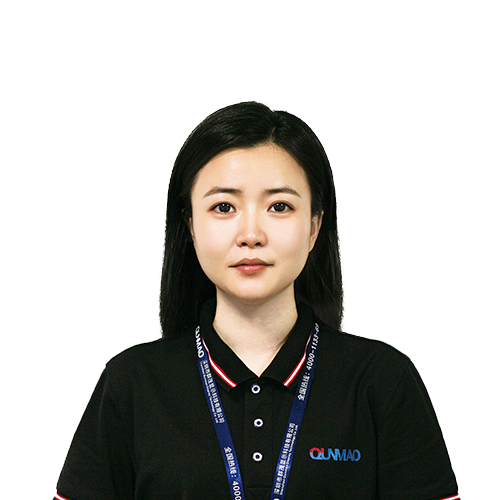
ซีอีโอ | ผู้เชี่ยวชาญด้านโซลูชันการแสดงผลแบบโต้ตอบและการทำงานร่วมกัน
ฉันเป็นผู้ก่อตั้ง qtenboard นำความเชี่ยวชาญด้านการลงมือปฏิบัติมากกว่า17ปีมาสู่อุตสาหกรรมการแสดงผลแบบสัมผัสจากมุมมองการจัดการทั่วโลกที่ได้รับจากการศึกษา EMBA ของฉันที่มหาวิทยาลัยเซินเจิ้นฉันนำทีมของฉันในการเพิ่มประสิทธิภาพทุกขั้นตอนของการดำเนินงานของเรา-จากความละเอียดของผลิตภัณฑ์ที่มีประสิทธิภาพสูงการจัดการห่วงโซ่อุปทาน-มั่นใจความสามารถในการผลิตของเรายังคงอยู่ในระดับแนวหน้าของอุตสาหกรรม
ในฐานะผู้นำของ qtenboard ฉันเชี่ยวชาญในการให้บริการโซลูชั่น oem/odm ที่ปรับแต่งสำหรับกระดานไวท์บอร์ดแบบโต้ตอบผนังวิดีโอ LCD ป้ายดิจิตอลและเทอร์มินัลสัมผัสระดับอุตสาหกรรมสนับสนุนโดย330,000ตารางเมตรสวนอุตสาหกรรมที่ทันสมัยของเราในเซินเจิ้น, เรารักษาเต็ม Lifecycle ควบคุมการออกแบบอุตสาหกรรม, การผลิตที่มีความแม่นยำ, และการทดสอบประสิทธิภาพที่เข้มงวด.
ด้วยประสบการณ์โครงการเกือบสองทศวรรษโซลูชันการแสดงผลของ qtenboard จึงถูกนำไปใช้ในกว่า120ประเทศและภูมิภาคได้รับความไว้วางใจจากลูกค้าระดับองค์กรมากกว่า15,000รายทั่วโลกหากคุณกำลังมองหาพันธมิตรที่ตอบสนองต่อการผลิตที่ลึกซึ้งสำหรับโครงการแสดงผลแบบสัมผัสที่กำหนดเองของคุณทีมของฉันและฉันพร้อมที่จะสนับสนุนวิสัยทัศน์ของคุณด้วยความเป็นเลิศระดับมืออาชีพ
 th
th
 EN
EN  pt
pt  spa
spa  vie
vie  aze
aze  bel
bel  est
est  lav
lav  ukr
ukr  ru
ru  arm
arm