Pasaules pašapkalpošanās kiosku tirgus 2024. gadā tika novērtēts 39,4 miljardu ASV dolāru apmērā, un tiek prognozēts, ka līdz 2031. gadam tas sasniegs 82,1 miljardu ASV dolāru, augot ar gada vidējo pieauguma tempu (CAGR) 11,1%. Uzņēmumu starpuzņēmumu (B2B) pircējiem – mazumtirdzniecības tīkliem, ātrās apkalpošanas restorānu operatoriem, sistēmu integratoriem un oriģinālā aprīkojuma ražotāju zīmoliem – jautājums vairs nav par to, vai ieviest maksājumu automātus, bet gan par to, kur tos iegādāties. A pielāgotu maksājumu kiosku ražotājs Ķīnā ir pieejama piegādes ķēžu dziļuma, inženiertehniskās elastības un ražošanas apjoma kombinācija, ko citviet ir grūti atkārtot. Šajā rakstā tiek apskatītas konkrētās priekšrocības, kas rodas, iegādājoties no Ķīnas kiosku rūpnīca, izmantojot Qtenboard kā atskaites punktu tam, kas ir nobriedis OEM maksājumu termināļu piegādātājs var piegādāt.
Iepirkumu komandas, kas izvērtē maksājumu kiosku piegādātājus, parasti ņem vērā trīs kategorijas. Katram no tiem ir savas kompromisa izvēles, kas tieši ietekmē projekta termiņus, vienības ekonomiku un ilgtermiņa ekspluatācijas ērtumu.
| Iepirkuma iespēja | Izmaksu struktūra | Pielāgošanas dziļums | Piegādes ķēdes pilnīgums | Izpildes laika risks |
|---|---|---|---|---|
| Vietējais/reģionālais piegādātājs | Augstas darbaspēka un apriņķošanas izmaksas | Ierobežots tikai kataloga modifikācijām | Atkarīgs no importētām detaļām | Zems loģistikas risks, augsts komponentu risks |
| Dienvidaustrumāzijas rūpnīca | Mērenas darbaspēka izmaksas | Pamata aparatūras izmaiņas | Daļēji-galvenie moduļi joprojām tiek importēti | Mēreni; ietilpības ierobežojumi sezonas augstākajos periodos |
| Ķīnas OEM ražotājs | Konkurētspējīgs lielos apmēros | Pilns OEM/ODM pakalpojums, tostarp programmatūra | Pilns pakalpojumu klāsts uz vietas – no lokšņu metāla apstrādes līdz montāžai | Zems; lielas rūpnīcas uztur materiālu drošības rezerves |
Ķīna joprojām ir pasaules pašapkalpošanās kiosku ražošanas epicentrs. Integrētā piegādes ķēde, kas aptver Šeņdžeņu, Guandžou un apkārtējās teritorijas, ļauj ražotājiem efektīvi piedāvāt gan standarta, gan augsti pielāgotus risinājumus. Uzņēmumu starpuzņēmumu (B2B) pircējiem tas nozīmē ātrāku izpildes laiku, zemākas detaļu izmaksas un operatīvāku reakciju uz projektēšanas izmaiņām — priekšrocības, kas ir būtiskas, uzsākot laika ziņā sensitīvus projektus. Lai iegūtu pilnīgu pārskatu par maksājumu kiosku iepirkšanu, tostarp PCI atbilstību un izvietošanas struktūrām, skatiet Maksājumu kiosku galīgais ceļvedis 2026.
Termins “pielāgošana” kiosku nozarē tiek lietots visai plaši. Patiesapielāgotu maksājumu kiosku ražotājs vajadzētu piedāvāt pielāgošanas iespējas gan aparatūrai, gan programmatūrai un zīmolam – nevis vienkārši uzlīmi ar logotipu uz standarta korpusa.
Qtenboard & #039;siekštelpu pašapkalpošanās maksājumu kioska platforma demonstrē šo pielāgošanas dziļumu praksē — integrējot svītrkodu un QR koda skenēšanu, skārienekrāna interaktivitāti un papildu maksājumu perifērijas ierīces vienā konfigurējamā terminālī mazumtirdzniecības, restorānu un biļešu izsniegšanas lietojumprogrammām.
B2B pircējiem, kas veic lielapjoma pasūtījumus, piegādātāja ražošanas jauda ir risku pārvaldības rādītājs. Vai viņi spēj veikt 500 vienību ieviešanu, nekavējot citus klientus? Vai viņiem ir krājumi kritiski svarīgu komponentu, vai arī viena aizkavēta piegāde no apakšpiegādātāja apturēs jūsu projektu?
Qtenboard apsaimnieko divas liela mēroga ražošanas bāzes ar pilnībā kontrolētiem ražošanas procesiem. Sākot no lokšņu metāla izstrādājumu ražošanas un plastmasas liešanas līdz galaproduktu montāžai, visas kritiski svarīgās procesu daļas tiek veiktas uzņēmumā. Šī vertikālā integrācija nozīmē, ka pasūtījumi nav atkarīgi no apakšuzņēmēju kapacitātes vai kvalitātes – bieži sastopama problēma sadrumstalotās piegādes ķēdēs.
Galvenās ražošanas priekšrocības B2B pircējiem ietver:
Sistēmu integrētājiem, kas novērtē ražotņu jaudu, praktiskais pārbaudes saraksts un apgādes struktūra ir detalizēti izklāstīti šeit. rūpnīcas ziņu sadaļa.
Payment kiosks are not generic hardware. They process sensitive financial data and operate in regulated environments. A credible OEM maksājumu termināļu piegādātājs must hold both product certifications and system-level compliance documentation.
Beyond certificates, a Ķīnas kiosku rūpnīca serving global markets must adapt to local requirements: voltage and plug standards, language interfaces, payment gateway protocols, and data encryption regulations. These are configuration-level decisions that should be confirmed at the specification stage, not after shipment.
Delivery delays are one of the most cited pain points in cross-border kiosk procurement. A structured production workflow directly compresses the timeline from order confirmation to shipment.
For buyers requiring faster turnaround, existing safety stock of core components and dedicated pilot lines can accelerate the front end of the timeline. The key is early engagement — sharing target deployment dates and customization requirements during the quotation phase allows the factory to allocate capacity accordingly.
"Exporting to 100+ countries" is a claim that requires evidence. Qtenboard's global payment kiosk supply record spans Europe, North America, the Middle East, Asia-Pacific, and Africa, with documented deployments across retail, banking, transportation, healthcare, and government sectors.
In 2024, Qtenboard collaborated with Barclays Bank UK to deploy over 200 customized digital bank kiosks across major cities. Each terminal featured biometric verification, a localized payment interface, and a secure Android-based operating system. The project improved branch efficiency by 40% and reduced average customer wait times by half.
The BMW Experience Center in Munich installed Qtenboard self-service parking kiosks. Visitors use the touchscreen to obtain parking tickets and complete payment independently, reducing daily administrative workload for staff by 30%.
A recent deployment at a Dubai airport used Qtenboard self-service kiosks to streamline check-in and payment processes. The kiosks were customized with local payment gateways and security certifications to meet regional compliance requirements, improving passenger flow through the terminal.
A fast food chain in New York deployed 156 units of Qtenboard self-ordering and payment terminals across multiple locations. The deployment supported the chain's transition to contactless ordering and reduced front-counter congestion during peak hours. Project completion: August 2026.
A supermarket chain in Toronto installed 72 units of Qtenboard self-service checkout kiosks for streamlined shopping. The terminals integrated barcode scanning, card and NFC payment, and receipt printing into a compact floor-standing form factor. Project completion: March 2026.
A railway station project in Tokyo deployed 130 units of Qtenboard smart ticketing and queue management kiosks. The system combined self-service ticket purchase with intelligent queue calling, improving passenger throughput during peak commuter hours. Project completion: December 2025.
These cases share a common pattern: the kiosks were not shipped as unmodified catalog products. Each deployment required configuration changes — biometric modules for banking, localized payment gateways for the UAE, high-throughput ticketing logic for Tokyo — that a competent pielāgotu maksājumu kiosku ražotājs must be able to execute at production scale.
Factory-direct sourcing eliminates the margin layers of trading companies, but it also means the buyer relies directly on the manufacturer's quality systems. A structured QC process and a responsive after-sales team are what separate a reliable OEM maksājumu termināļu piegādātājs from a transactional vendor.
For buyers requiring IP protection, NDA execution, mold ownership documentation, and factory audit support (including live video tours and third-party inspection coordination) are standard parts of the engagement process. A detailed sourcing guide for system integrators covers these procurement safeguards in depth: Kiosk Sourcing Framework.
Izvēloties a pielāgotu maksājumu kiosku ražotājs is a multi-variable decision. The following table summarizes how Qtenboard compares across the dimensions that matter most to B2B procurement teams.
| Dimensija | Typical China Factory | Qtenboard |
|---|---|---|
| Pielāgošanas dziļums | Hardware modifications only | Full OEM/ODM: hardware, software, branding, payment module integration |
| Production Capacity | Variable; dependent on subcontractors | 330,000㎡ in-house; 8 automated lines; 200+ units/day; material safety stock |
| Sertifikāti | CE/FCC basic; ISO optional | CE, FCC, RoHS, ISO 9001; PCI DSS-ready; regional certifications on request |
| Lead Time Reliability | Often extended by component shortages | Structured workflow; dedicated pilot lines; bulk inventory of critical parts |
| Global service | Limited English support; no spare parts program | 24/7 multilingual support; spare parts supply; remote CMS; documented deployments in 100+ countries |
This comparison is not theoretical. The Barclays UK rollout, the BMW Munich installation, the Dubai airport deployment, and the Tokyo railway ticketing project each required a manufacturer capable of translating a specification into a production-ready kiosk — on schedule, with certification documentation, and with post-deployment support. That is the definition of a mature OEM maksājumu termināļu piegādātājs.
China's payment kiosk manufacturing ecosystem offers B2B buyers a combination that is difficult to match: competitive unit economics, deep customization capability, complete supply chain control, and a mature export infrastructure. But not every Ķīnas kiosku rūpnīca operates at the same level. The difference lies in production scale, certification depth, engineering resources, and the ability to support global deployments after the shipment leaves the dock.
Qtenboard has been manufacturing commercial self-service terminals since 2005, with 330,000㎡ of production space in Shenzhen and Guangzhou, 1,000+ employees, and documented deployments in over 100 countries. The company functions as a full-scope pielāgotu maksājumu kiosku ražotājs — from industrial design and hardware engineering to software integration and after-sales support.
Ready to discuss your payment kiosk project?
Request a Quotation & SampleWhether you are a system integrator sourcing terminals for a multi-site rollout, a retail chain evaluating self-checkout, or an OEM brand developing a white-label payment kiosk, the starting point is the same: define your specification, verify the factory's capabilities against your requirements, and request a sample or pilot production run. The kiosk buyer's resource center provides additional guidance on procurement planning and vendor evaluation.
MOQ depends on the level of customization. For standard configurations with minor branding changes, Qtenboard can support trial orders as low as 10–50 units. For fully custom enclosures or new hardware designs, the MOQ typically starts at 100 units to justify tooling and engineering investment. The exact MOQ is confirmed at the quotation stage based on your specification.
For a standard configuration, mass production takes approximately 15–25 business days after design approval. Custom projects with new enclosures or complex payment module integration may require 25–40 business days. Prototype and sample production typically takes 7–15 business days. A detailed project timeline is provided with every quotation.
Yes. As a global payment kiosk supply partner, Qtenboard adapts voltage, plug standards, language interfaces, payment gateway protocols, and security certifications to meet local requirements. Deployments in the United Kingdom, Germany, the UAE, the United States, Canada, and Japan each required country-specific configuration, and those adaptations are part of the standard OEM/ODM process.
Qtenboard payment kiosks carry CE, FCC, and RoHS product certifications, along with ISO 9001 system certification. For payment-related deployments, the hardware is designed to support PCI DSS-ready configurations. Additional regional certifications such as UKCA, RCM, PSE, or KC can be obtained on request for specific market entries.
Yes. Qtenboard offers a minimum 1–3 year warranty, with extended coverage available for bulk orders. A structured spare parts program supports ongoing fleet maintenance, and 24/7 multilingual remote technical support is available. For major markets, on-site support can be arranged through local distributors or third-party service partners.
Yes. Qtenboard's engineering team supports SDK integration, localized payment interfaces, tax-system compliance, and remote CMS deployment. Whether your project requires EMV, NFC, QR, biometric verification, or a custom payment application, the software integration is handled during the customization phase — not after shipment.
The process begins with a specification review. Share your target market, required payment methods, deployment environment, and estimated order volume. Qtenboard will respond with a quotation, recommended configuration, and estimated lead time. From there, you can request a sample, schedule a factory video tour, or proceed to prototype development.
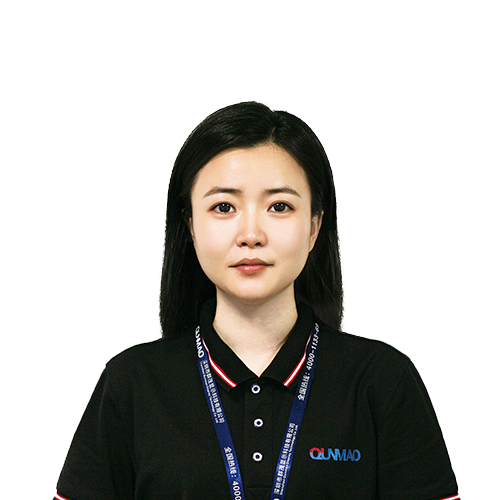
Ceo | interaktīva displeja un sadarbības risinājumu eksperts
Esmu Qtenboard dibinātājs, un man ir vairāk nekā 17 gadu praktiskas pieredzes skārienjūtīgo ekrānu nozarē. Pamatojoties uz globālās vadības perspektīvu, kas iegūta, izmantojot emba studijas šengenas universitātē, es vadu savu komandu, optimizējot katru darbības posmu-no produktu definīcijas līdz augstas efektivitātes piegādes ķēdes pārvaldībai-nodrošinot, ka mūsu ražošanas spējas paliek nozares priekšgalā.
Kā qtenboard līderis, es specializējos, lai nodrošinātu pielāgotus oem/odm risinājumus interaktīvajām tāfelēm, lcd video sienām, ciparu apzīmēm un rūpnieciskās kvalitātes pieskāriena termināļiem. Atbalstīts mūsu 330,000 m² mūsdienu rūpniecības parks shenzhen, mēs uzturēt pilnu dzīves cikla kontroli pār rūpniecisko dizainu, precizitāti ražošanu un stingru veiktspējas testēšanu.
Ar gandrīz divus gadu desmitus ilgu projekta pieredzi, qtenboard displeja risinājumi tagad tiek izvietoti vairāk nekā 120 valstīs un reģionos, nopelnījis vairāk nekā 15,000 uzņēmumu klientu uzticību visā pasaulē. Ja jūs meklējat atsaucīgu partneri ar dziļu ražošanas pamatu jūsu pielāgotiem touch displeja projektiem, mans komanda un es esam gatavi atbalstīt jūsu vīziju ar profesionālu izcilību.

 lav
lav
 EN
EN  pt
pt  spa
spa  th
th  vie
vie  aze
aze  bel
bel  est
est  ukr
ukr  ru
ru