การจัดการป้ายดิจิทัลกลางแจ้ง
Managing ป้ายดิจิตอลกลางแจ้ง isn't a hardware problem. It's a fleet-of-screens problem, and most CMS platforms weren't built for it.
หน้าจอกลางแจ้งเดียวเป็นเรื่องง่ายห้าสิบหน้าจอข้ามเมืองนั่งอยู่หลังกระจกหันหน้าไปทางดวงอาทิตย์บนการเชื่อมโยง4G ที่ลดลงทุกครั้งที่ฝนตกเป็นงานที่แตกต่างกันทั้งหมดนี่คือสิ่งที่ผิดพลาดจริงเมื่อแบรนด์ผู้ประกอบการขนส่งและเครือข่ายสื่อกลางแจ้งขนาดกองเรือแสดงกลางแจ้งและวิธีการ qtenboard CMS ถูกสร้างขึ้นเพื่อจัดการกับมัน, รวมถึงตัวเลือกที่จะเรียกใช้ภายใต้ชื่อของคุณเอง
01ทำไม fleets กลางแจ้งทำลายระบบการจัดการที่ทำงานได้ดีในบ้าน
แพลตฟอร์มป้ายดิจิตอล CMS ส่วนใหญ่ได้รับการออกแบบรอบสมมติฐานในร่ม: อินเทอร์เน็ตแบบมีสายที่เสถียร, ไฟควบคุม, ช่างเทคนิคห่างออกไปห้านาทีหากมีสิ่งผิดปกติการใช้งานกลางแจ้งทำลายสมมติฐานเหล่านั้นทุกครั้งและเลเยอร์การจัดการต้องชดเชยทั้งสามไม่ใช่แค่ฮาร์ดแวร์ที่แสดงเท่านั้น
ผลที่ได้: CMS ที่ทำงานได้ดีสำหรับหน้าจอในร่มของห่วงโซ่ขายปลีกยังคงล้มเหลวในการเปิดตัวกลางแจ้งไม่ใช่เพราะซอฟต์แวร์ไม่ดีแต่เนื่องจากไม่เคยถูกขอให้จัดการกับการเชื่อมต่อที่ไม่ต่อเนื่องตรรกะความสว่างด้านสิ่งแวดล้อมหรือการกู้คืนข้อผิดพลาดแบบไม่ต้องใส่ข้อมูลเป็นคุณสมบัติชั้นหนึ่ง
02สิ่งที่ "การจัดการระยะไกล" จริงต้องครอบคลุมกลางแจ้ง
ความสว่างที่กำหนดไว้ไม่ใช่ความสว่างคงที่
หน้าจอที่ล็อคไว้ที่ค่าความสว่างหนึ่งจะไม่สามารถอ่านได้ในตอนเที่ยงหรือรำคาญในเวลาเที่ยงคืนการจัดการกลางแจ้งต้องการเส้นโค้งความสว่างที่เชื่อมโยงกับแสงโดยรอบปรับได้ตามตำแหน่งและฤดูกาลไม่ใช่การตั้งค่าแบบคงที่เพียงครั้งเดียวที่ผลักดันในการติดตั้งและลืม
เล่นออฟไลน์ที่ไม่เพียงแสดงหน้าจอสีดำ
เมื่อลิงก์4G ลดลงหน้าจอไม่ควรมืดหรือหยุดทำงานบนไอคอนการโหลดเนื้อหาจะต้องแคชในประเทศและให้เล่นในตารางเวลาแล้วเงียบ resync เล่นบันทึกและหลักฐานของการเล่นข้อมูลเมื่อการเชื่อมต่อกลับคุณลักษณะเดียวนี้มักจะเป็นรายการบรรทัดที่แยก CMS ที่สร้างขึ้นสำหรับการใช้งานกลางแจ้งจากหนึ่งที่ดัดแปลงสำหรับมันหลังจากที่ความเป็นจริง
ตรวจจับความผิดพลาดก่อนที่ลูกค้าจะร้องเรียน
หน้าจอที่มืดเป็นเวลาหกชั่วโมงในการหยุดขนส่งควรแจ้งเตือนเมื่อออฟไลน์ไม่ได้รับการค้นพบเมื่อผู้ซื้อสื่อถามว่าทำไมการแสดงผลแคมเปญของพวกเขาดูต่ำการตรวจสอบการเต้นของหัวใจด้วยเกณฑ์ออฟไลน์ที่กำหนดไว้จับคู่กับอีเมลอัตโนมัติหรือการแจ้งเตือนเว็บเบ็ดคือสิ่งที่เปลี่ยนการจัดการป้ายจากปฏิกิริยาเพื่อป้องกัน
การดำเนินงานแบทช์ทั่วโซนไม่ใช่หน้าจอโดยหน้าจอ
การอัปเดตหน้าจอทีละจอไม่สเกลผ่านเว็บไซต์จำนวนหนึ่งการจัดกลุ่มโดยเมืองเส้นทางหรือบัญชีลูกค้าจากนั้นผลักดันเนื้อหา reboots หรือการอัปเดตเฟิร์มแวร์ไปยังกลุ่มทั้งหมดในการดำเนินการเดียวคือสิ่งที่ทำให้เครือข่าย200หน้าจอสามารถจัดการได้โดยผู้ประกอบการหนึ่งแทนห้า
ทำงานทั้งหมดข้างต้นเป็นมาตรฐาน: การจัดตารางเวลาความสว่างโดยรอบ, แคชเนื้อหาท้องถิ่นสำหรับการเล่นออฟไลน์, การแจ้งเตือนความผิดพลาดตามการเต้นของหัวใจ, และการควบคุมแบทช์ระดับกลุ่มในโซนไม่จำกัด-เข้าถึงได้จาก M cms.qtenboard.com หรือนำไปใช้กับโครงสร้างพื้นฐานที่คุณควบคุม
03Cloud CMS vs. Self-เป็นเจ้าภาพ: การตัดสินใจนี้มักจะเกี่ยวกับค่าใช้จ่าย
ผู้ซื้อมักจะกรอบนี้เป็นคำถามงบประมาณในทางปฏิบัติปัจจัยการตัดสินใจเกือบจะมักจะต้านทานข้อมูลและนโยบายเครือข่ายโดยเฉพาะอย่างยิ่งสำหรับรัฐบาลการขนส่งและโครงการทางการเงินภาคที่เนื้อหาและข้อมูลตัวแทนจำหน่ายสามารถ & #039; T ออกจากประเทศหรือไม่สามารถออกจากเครือข่ายของลูกค้าเองได้เลย
Qtenboard รองรับทั้งสองเส้นทางจาก CMS codebase เดียวกันดังนั้นการสลับระหว่าง Cloud และเซิร์ฟเวอร์ท้องถิ่นของลูกค้าในภายหลังไม่ T หมายถึงการสร้างห้องสมุดเนื้อหาหรือผู้ประกอบการ retraining ตั้งแต่เริ่มต้น
04ส่วนซัพพลายเออร์ป้ายส่วนใหญ่ไม่เสนอ: การขายต่อ CMS เอง
ซัพพลายเออร์ฮาร์ดแวร์ส่วนใหญ่จะถือว่า CMS เป็นชุดที่ประกอบเข้ากับหน้าจอซึ่งเป็นสิ่งที่คุณได้รับไม่ใช่สิ่งที่คุณขายที่ทำให้สายรายได้บนโต๊ะสำหรับผู้จัดจำหน่ายและผู้รวมระบบที่มีความสัมพันธ์กับลูกค้าและลูกเรือติดตั้งอยู่แล้วแต่ไม่มีผลิตภัณฑ์ซอฟต์แวร์ของตัวเอง
ป้ายสีขาวภายใต้แบรนด์ของคุณเอง
สามารถปรับใช้ qtenboard ภายใต้ชื่อและโดเมนของบริษัทของคุณเองโดยมีโลโก้ของคุณบนหน้าจอการเข้าสู่ระบบและรายงานของลูกค้าลูกค้าของคุณเห็นแพลตฟอร์มของคุณโครงสร้างพื้นฐานและอัปเดตไปป์ไลน์ที่อยู่เบื้องหลังเป็นของเรา
สายการสมัครสมาชิกลูกค้าของคุณคาดว่าจะชำระเงินแล้ว
ลูกค้าที่ใช้เครือข่ายหน้าจออยู่แล้วงบประมาณสำหรับซอฟต์แวร์การตรวจสอบและการสนับสนุนเป็นค่าใช้จ่ายอย่างต่อเนื่องแยกออกจากการซื้อฮาร์ดแวร์ครั้งเดียวหากการสมัครสมาชิกนั้นไม่ได้มาจากคุณแสดงว่า S ไปกับใครก็ตามที่เสนอมัน-มักจะเป็นผู้ขายซอฟต์แวร์บริสุทธิ์ที่ไม่มีความสัมพันธ์ฮาร์ดแวร์กับบัญชีเลยการขาย CMS ควบคู่ไปกับฮาร์ดแวร์ทำให้รายได้ที่เกิดขึ้นซ้ำกับพันธมิตรที่เป็นเจ้าของลูกค้าอยู่แล้ว
การสร้าง CMS ในพื้นที่สำหรับบัญชีของรัฐบาลและองค์กร
สำหรับบัญชีที่ต้องใช้ระบบบนสถานที่ตั้งทีม qtenboard สามารถสนับสนุนการสร้างข้อมูลทางเทคนิคจาก CMS ท้องถิ่นบนเซิร์ฟเวอร์ของลูกค้าของตัวเองดังนั้นผู้จัดจำหน่ายจึงสามารถปิดโครงการที่คู่แข่งกลุ่มเมฆเท่านั้นที่สามารถเสนอราคาได้
ผู้จัดจำหน่ายขายหน้าจอโดยไม่ต้องสายซอฟต์แวร์กำลังแข่งขันกันบนขอบฮาร์ดแวร์เพียงอย่างเดียวซึ่งเป็นความขอบที่บางที่สุดในหมวดหมู่นี้ตัวแทนจำหน่ายขายหน้าจอบวกการสมัครสมาชิก CMS แบรนด์จะแข่งขันกันเกี่ยวกับความสัมพันธ์ที่เกิดขึ้น-ที่แตกต่างกันธุรกิจที่มีค่าแตกต่างจากฐานการติดตั้งเดียวกัน
05การเปรียบเทียบข้อมูลจำเพาะ: สิ่งที่ต้องตรวจสอบก่อนล็อคในแพลตฟอร์ม CMS
| ความต้องการของลูกค้า | ทำไมพลาดไป | สิ่งที่ต้องยืนยันกับผู้ขาย |
|---|---|---|
| ความยืดหยุ่นแบบออฟไลน์ | สภาพแวดล้อมของการสาธิตมี Wi-Fi ที่เสถียรเสมอดังนั้นสิ่งนี้ไม่เคยได้รับการทดสอบก่อนซื้อ | ขอระยะเวลาแคชท้องถิ่นและจะเกิดอะไรขึ้นกับตารางเวลาหลังจาก24, 48และ72ชั่วโมงออฟไลน์ |
| แจ้งเตือนเวลาแฝง | "การตรวจสอบระยะไกล" มักจะเป็นเพียงหน้าสถานะไม่มีใครดู | ยืนยันเกณฑ์การตรวจจับออฟไลน์และการแจ้งเตือนผลักดันไปยังอีเมล SMS หรือ webhook โดยอัตโนมัติ |
| การต่อต้านข้อมูล | ผู้ขายเพียงคลาวด์ไม่ค่อยพูดถึงสิ่งนี้เว้นแต่จะถามโดยตรง | ยืนยันว่ามีตัวเลือกการปรับใช้ด้วยตัวเองหรือในประเทศและค่าใช้จ่ายในการสลับในภายหลัง |
| แบรนด์และสิทธิในการขายต่อ | ผู้ขายฮาร์ดแวร์ส่วนใหญ่อย่าเสนอสิ่งนี้ดังนั้นผู้ซื้อจึงไม่คิดว่าจะถาม | ยืนยันว่าแพลตฟอร์มสามารถติดฉลากสีขาวและขายต่อเป็นการสมัครสมาชิกภายใต้แบรนด์ของคุณเองได้หรือไม่ |
| การดำเนินงานชุด | ดูดีในนักบินห้าหน้าจอแบ่งลงที่ระดับกองเรือ | ยืนยันการจัดกลุ่มตรรกะและไม่ว่าเนื้อหารีบูตและเฟิร์มแวร์ผลักดันสามารถกำหนดเป้าหมายกลุ่มในหนึ่งการกระทำ |
06รายการตรวจสอบการลงทะเบียนล่วงหน้า
ส่งมอบสิ่งนี้ให้กับใครก็ตามที่เป็นเจ้าของกองเรือก่อนที่หน้าจอกลางแจ้งชุดแรกจะมีชีวิตอยู่
07คำถามที่คุ้มค่าที่จะวาง qtenboard โดยตรง
คำถามเราจัดการหน้าจอกลางแจ้ง40หน้าจอบนการเชื่อมต่อ4G ที่ไม่น่าเชื่อถือ-qtenboard สามารถยืนยันระยะเวลาแคชท้องถิ่นและสิ่งที่เกิดขึ้นกับเนื้อหาที่กำหนดไว้เมื่อหน้าจอออฟไลน์มานานกว่า48ชั่วโมง?
ส่งการนับหน้าจอของคุณและเงื่อนไขการเชื่อมต่อทั่วไปและเราจะเดินคุณผ่านพฤติกรรมแคชออฟไลน์และเรียกใช้สถานการณ์การทดสอบกับโปรไฟล์เครือข่ายที่แท้จริงของคุณ
คำถามการซื้อการขนส่งของรัฐบาลของเราต้องการข้อมูลทั้งหมดและข้อมูลจำนวนตัวแทนจำหน่ายเพื่ออยู่บนเซิร์ฟเวอร์ภายในประเทศ-qtenboard สามารถรองรับการปรับใช้โฮสต์ตัวเองสำหรับโครงการนี้ได้หรือไม่?
แบ่งปันข้อและข้อจำกัดด้านโครงสร้างพื้นฐานของข้อมูลที่อ่อนโยนของคุณและเราจะยืนยันขอบเขตการใช้งานในท้องถิ่นและการสนับสนุนทางเทคนิคที่จำเป็นในด้านข้างของเรา
คำถามเราเป็นตัวแทนจำหน่ายและต้องการขาย CMS ให้กับลูกค้าของเราภายใต้แบรนด์ของเราเอง-CAN qtenboard ตั้งค่าตัวอย่างฉลากสีขาวพร้อมโลโก้และโดเมนของเรา?
บอกขนาดฐานลูกค้าของคุณและกำหนดเวลาการเปิดตัวเป้าหมายและเราจะร่างขั้นตอนการตั้งค่าฉลากสีขาวและวิธีการสมัครสมาชิกทำงานในตอนท้ายของคุณ
คำถามQtenboard สามารถยืนยันได้ว่าการแจ้งเตือนหน้าจอออฟไลน์ไปถึงทีมปฏิบัติการของเราได้เร็วแค่ไหนและสามารถผลักดันระบบการออกตั๋วที่มีอยู่ของเราแทนอีเมลเพียงอย่างเดียวได้หรือไม่?
แจ้งให้เราทราบว่าคุณใช้ระบบการออกตั๋วหรือตรวจสอบใดและเราจะยืนยันความเข้ากันได้ของเว็บเบ็ดและเวลาแฝงการแจ้งเตือนทั่วไปสำหรับการตั้งค่าของคุณ
คำถามเราเสนอราคาอีกครั้งบนเครือข่ายกลางแจ้ง200หน้าจอในหลายเมือง-qtenboard สามารถยืนยันการจัดกลุ่มและความสามารถในการอัปเดตแบทช์ในระดับนั้นก่อนที่เราจะสรุปข้อเสนอทางเทคนิคของเรา?
ส่งขอบเขตโครงการและการสลายตัวของเมืองและเราจะยืนยันการจัดกลุ่มตรรกะขีดจำกัดการดำเนินงานชุดและให้สถาปัตยกรรมอ้างอิงสำหรับข้อเสนอของคุณ
ทำงานหรือเสนอราคาบนเครือข่ายป้ายดิจิตอลกลางแจ้ง?
Qtenboard ครอบคลุมการจัดตารางเวลาความสว่างโดยรอบความยืดหยุ่นในการเล่นแบบออฟไลน์และการแจ้งเตือนข้อผิดพลาดเป็นมาตรฐานด้วยตัวเลือกในการปรับใช้บนเซิร์ฟเวอร์ของคุณเองหรือขายต่อภายใต้แบรนด์ของคุณเองในฐานะสายรายได้ที่เกิดซ้ำ
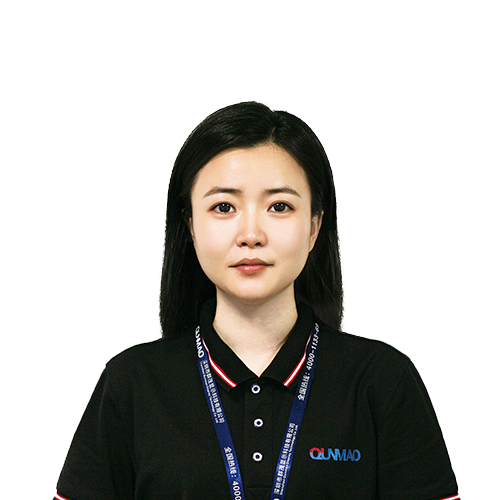
ซีอีโอ | ผู้เชี่ยวชาญด้านโซลูชันการแสดงผลแบบโต้ตอบและการทำงานร่วมกัน
ฉันเป็นผู้ก่อตั้ง qtenboard นำความเชี่ยวชาญด้านการลงมือปฏิบัติมากกว่า17ปีมาสู่อุตสาหกรรมการแสดงผลแบบสัมผัสจากมุมมองการจัดการทั่วโลกที่ได้รับจากการศึกษา EMBA ของฉันที่มหาวิทยาลัยเซินเจิ้นฉันนำทีมของฉันในการเพิ่มประสิทธิภาพทุกขั้นตอนของการดำเนินงานของเรา-จากความละเอียดของผลิตภัณฑ์ที่มีประสิทธิภาพสูงการจัดการห่วงโซ่อุปทาน-มั่นใจความสามารถในการผลิตของเรายังคงอยู่ในระดับแนวหน้าของอุตสาหกรรม
ในฐานะผู้นำของ qtenboard ฉันเชี่ยวชาญในการให้บริการโซลูชั่น oem/odm ที่ปรับแต่งสำหรับกระดานไวท์บอร์ดแบบโต้ตอบผนังวิดีโอ LCD ป้ายดิจิตอลและเทอร์มินัลสัมผัสระดับอุตสาหกรรมสนับสนุนโดย330,000ตารางเมตรสวนอุตสาหกรรมที่ทันสมัยของเราในเซินเจิ้น, เรารักษาเต็ม Lifecycle ควบคุมการออกแบบอุตสาหกรรม, การผลิตที่มีความแม่นยำ, และการทดสอบประสิทธิภาพที่เข้มงวด.
ด้วยประสบการณ์โครงการเกือบสองทศวรรษโซลูชันการแสดงผลของ qtenboard จึงถูกนำไปใช้ในกว่า120ประเทศและภูมิภาคได้รับความไว้วางใจจากลูกค้าระดับองค์กรมากกว่า15,000รายทั่วโลกหากคุณกำลังมองหาพันธมิตรที่ตอบสนองต่อการผลิตที่ลึกซึ้งสำหรับโครงการแสดงผลแบบสัมผัสที่กำหนดเองของคุณทีมของฉันและฉันพร้อมที่จะสนับสนุนวิสัยทัศน์ของคุณด้วยความเป็นเลิศระดับมืออาชีพ

 th
th
 EN
EN  pt
pt  spa
spa  vie
vie  aze
aze  bel
bel  est
est  lav
lav  ukr
ukr  ru
ru