Capacidad de producción de Qtenboard y entrega-200 + unidades/día, plazo de ejecución de los <14 días, tarifa del paso del 99.8%
2026-08-24
330,000M² de clúster de fabricación
200+Unidades/salida del día
<14Días de plomo estándar
99.8%Tasa de paso de lote de hardware
Respuesta rápida
Qtenboard fabrica paneles planos interactivos (IFPD) a más de 200 unidades por día en tres sitios, con un tiempo de entrega estándar inferior a 14 días desde PO y una tasa de aprobación de lotes del 99.8%. Para gerentes de compras, integradores de sistemas y licitadores de proyectos que planean pedidos de gran volumen (500 unidades o más), esta página documenta la capacidad de la fábrica, los controles de calidad y los sistemas de la cadena de suministro que determinan si cada unidad llega a tiempo y funciona de manera idéntica.
La huella de la fábrica totaliza 840.000 m² en tres sitios, con el clúster primario de Shénzhen-Guangzhou que cubre 330.000 m² y 16 edificios de producción y oficinas especialmente diseñados. La producción puede rampa a 300 unidades por día dentro de 2-3 semanas Mediante ajustes de cambio y reconfiguración de línea.
Tesis de núcleo:Para los compradores a granel IFPD, la pregunta no es "¿funciona el producto?"-es "¿puede entregar 500 unidades por Q3, y cada unidad funcionará de manera idéntica?" Esta página responde que con datos de fábrica.
División de fabricación:3 sitios-Shenzhen (de extremo a extremo: SMT, fabricación estructural, vinculación táctil, firmware, envejecimiento, control de calidad), Guangzhou (ensamblaje automatizado, moldeo por inyección, estampado CNC) y un tercer sitio para I + D, carreras piloto y centro de muestras.
Electrónica capacidad: 12 líneas automatizadas de SMT que montan 120.000 componentes por hora, cubriendo los mainboards del chipset 9679 / 3576 / V100 / Genio 520, con SPI AOI en cada PWB y rastreabilidad completa del MES.
QC de la asamblea: 8 líneas de ensamblaje automatizadas que ejecutan IFPD de 55 ″-110 ″ a 6-8 minutos takt time; cada unidad se somete a envejecimiento a alta temperatura de 48 horas, luego prueba final de AI en 20 parámetros.
Resiliencia de la cadena de suministro: 3-4 proveedores de paneles calificados, 2-3 socios de módulos táctiles, chipsets SoC de doble fuente, 4-6 semanas de stock de seguridad en componentes críticos, más seguimiento digital ERP MES WMS.
Caso verificado: 120 unidades de 86 “IFPD entregadas a un ministerio de educación del sudeste asiático dentro de las 4 semanas de PO, con una tasa de aprobación de lotes del 99.8% y una calidad de construcción consistente en todas las unidades.
Para gerentes de compras, integradores de sistemas y licitadores de proyectos,La pregunta nunca es simplemente “¿funciona el producto?”"¿Puede entregar 500 unidades para el tercer trimestre, y cada unidad funcionará de manera idéntica?"Este artículo responde a esa pregunta con datos de fábrica, estudios de casos de proyectos reales y una mirada transparente a cómo Qtenboard garantiza un suministro estable, a tiempo y de gran volumen de paneles planos interactivos (IFPD), pizarras interactivas y señalización digital.
Descripción 2. Factory: Tres sitios, división funcional clara
2,1 Mapa del sitio y función de cada fábrica
Qtenboard opera desde Tres sitios de fabricaciónQue abarcan un combinado840.000 m², Con el racimo industrial primario de Shenzhen Guangzhou que cubre330.000 m² a través de
16 edificios de producción y oficinas especialmente diseñados. La división funcional está diseñada para la velocidad, la calidad y la dispersión de riesgos:
Eje primario de Shenzhen-Capacidad interna de extremo a extremo: ensamblaje de PCB (SMT), fabricación estructural, unión de paneles táctiles, carga de firmware, pruebas de envejecimiento e inspección de calidad final.
Instalación de Guangzhou-Complementa a Shenzhen con ensamblaje automatizado adicional, moldeo por inyección y líneas de estampado de precisión CNC.
Tercer sitio-R & D dedicado, carreras piloto, personalización de lotes pequeños y centro de muestras.
Esta estructura permite Qtenboard a Procesar pedidos de gran volumen, pantallas de gran formato (55 ″-110 ″) y proyectos personalizados simultáneamente
Sin comprometer el rendimiento o la calidad.
2,2 Números de capacidad de alto nivel
Salida diaria: 200 high-end large-format screens
Capacidad anual:Más de 500.000 unidades en líneas de productos de 5 ″-110 ″
Formatos primarios:55 ″, 65 ″, 75 ″, 86 ″, 98 ″ IFPD y serie interactiva del whiteboard
Escalabilidad: La fábrica existente y la fuerza laboral pueden
300 unidades/díaDentro de 2-3 semanas a través de ajustes de turno y reconfiguración de la línea
3. taller de SMT: capacidad de fabricación de la electrónica de la base
3,1 Recuento de línea y equipo
Qtenboard opera Líneas completamente automatizadas de SMTEse monte sobre120.000 componentes por horaCon precisión de nivel micrométrica. El taller SMT incluye:
12 líneas automatizadas SMTCovering high-speed y multifunción configuraciones
Equipo superior de la colocación para los mainboards incluyendo 9679, 3576, V100 y Genio 520 Chipsets
In-line SPI, AOI y reflujoCon perfiles de temperatura controlada
Este equipo asegura Calidad de soldadura consistenteY elimina la variabilidad que afecta a las líneas manuales o semiautomáticas.
3,2 Capacidad y utilización de SMT
Salida diaria de la placa base:Cada línea de alta velocidad produce suficientes PCB para soportar 200 unidades terminadas
Utilización:70-80% normal; pico puede ser empujado por encima del 90% para grandes ofertas
Tiempo de cambio:Promedio de 45-60 minutos entre diferentes modelos de placa base; lotes de planificación de producción SKUs similares para minimizar el tiempo de inactividad
3,3 Control de calidad en SMT
AOI SPIOn every PCB, plus first-article inspection and in-process random checks
DPPM(Piezas defectuosas por millón) mantenidas por debajo del promedio de la industria; seguimiento de mejora continua
Trazabilidad completa:Cada placa base está vinculada a la línea, el desplazamiento y el lote de material a través de MES
Líneas de montaje: desde componentes hasta IFPD terminadas
4,1 Configuración y diseño de línea
El área de ensamblaje comprende 8 líneas de producción totalmente automatizadasCubriendo SMT, moldeo por inyección, estampado, ensamblaje y pruebas de AI. Las líneas están segregadas por tamaño:
55 "-75" líneas -Configuración estándar de alto volumen
86 "-98" líneas -Formato grande con manejo reforzado
Disposición en forma de UCon accesorios de flujo de una sola pieza y a prueba de errores minimiza el manejo y reduce los defectos de ensamblaje.
4,2 Tiempo de Takt y salida diaria
Tomar hora:Aproximadamente 6-8 minutos por unidad (dependiendo del tamaño y la configuración)
Capacidad diaria de una sola línea:25-35 unidades por turno de 10 horas
Rendimiento total de la asamblea:200 unidades/día en todas las líneas
Capacidad de la rampa:El segundo y tercer turno pueden aumentar la producción en un 50-70% en 48 horas.
4,3 Flexibilidad para pedidos estándar y personalizados
Qtenboard mantiene un Área de personalización OEM dedicada
Separado del flujo de ensamblaje principal:
Modelos estándar-BOM fijo, cambio rápido, ideal para el volumen
Proyectos personalizados-Logotipo de serigrafía/grabado láser, colores de marco personalizados, diseño de puerto, precarga de software, marca UI
Tiempo de plomo de muestra personalizado: Tan rápido como
72 horas Con MOQ = 1
5. envejecimiento y pruebas: garantizar la fiabilidad antes del envío
5,1 Proceso de prueba de envejecimiento
Cada pantalla se somete a una 48-hour high-temperature aging testEn habitaciones dedicadas de envejecimiento. Las unidades funcionan continuamente en un ambiente calentado para simular meses de uso en el mundo real.
5,2 Capacidad de envejecimiento
Capacidad simultánea:500 unidades en múltiples racks y cámaras de envejecimiento
Estrategia de lote:Órdenes se realizan por etapas por tamaño y fecha de envío para optimizar el rendimiento
Fallas en el manejo:Cualquier unidad que falla el envejecimiento se aísla, se analiza y se reelabora o se deshace con la documentación completa
5,3 Pruebas Funcionales Finales
100% de las unidadesPasar a través de líneas de prueba de AI que comprueban automáticamente20 parámetrosIncluyendo brillo, exactitud del color, sensibilidad del tacto, audio, red, y compatibilidad del interfaz.
Cada dispositivo recibe una SN únicoE informe de prueba almacenado en MES
Las pruebas automatizadas cubren Uniformidad de la pantalla, linealidad táctil, puertos HDMI/Type‑C/USB, WiFi/BT y ranura OPS
Tiempos de plomo de la orden 6. Typical: De PO al envío
6,1 Pedidos de IFPD/Pizarra interactiva estándar
Tiempo de plomo estándar:<14 días
De PO y depósito
Órdenes de la muestra: 3-5 días laborables
El tiempo de entrega depende de la cantidad, la mezcla de tamaño, la carga actual y el método de envío
6,2 Proyectos personalizados: logotipo, vivienda, precarga de software
Aprobación de la muestra:1-2 semanas (incluyendo revisión de ingeniería y ejecución piloto)
Prima de la producción en masa:3-7 días frente a los modelos estándar, dependiendo de la complejidad
Línea de tiempo típica:> => → P → p>
6,3 Órdenes apresuradas y entrega basada en proyectos
Qtenboard reserves "fast-track" production capacity for rigent tenders and extradition deadlines. En un caso real-mundo, 120 units de 86-inch displays suplied a una gestión de la educación asiática de la parte alta, con 4 partes dentro.
7. pico de capacidad y expansión Track Record
7,1 Casos históricos de producción máxima
📦Caso: 120 ‑unit 86 ″ Proyecto de Educación-Malasia
Desafío:Entregue 120 unidades de pizarras interactivas Android T982 de 86 "a una red K-12 de campus múltiple dentro de una ventana de licitación ajustada.
Solución:Qtenboard activa second-shift assembly, priorited the 86 "line, y fast-tracked con parallel chambers. El OEM customization (logotipo, pre-loader) fue en la zona de customization dedicated.
Resultado: Todas las 120 unidades enviadas a tiempo con un
99.8% de rendimiento de primer paso. Posteriormente, el cliente reordenó los campus adicionales.
7,2 Capacidad de expansión
Espacio de piso:El campus de 330.000 m² tiene espacio para 4-6 líneas de montaje adicionales
Nueva línea despliegue:Típicamente 8-12 semanas de la decisión a la producción-listo
Prueba futura:La planificación de la capacidad representa los picos de la demanda educativa, empresarial y minorista
8. Resiliencia de la cadena de suministro: stock multifuente y de seguridad
Chipsets de placa base:Fuente dual para SoC clave (T982, V100, 9679, RK3588)
Contratos a largo plazoAplicar bloqueo de BOM, eliminar swaps de componentes silenciosos
8,2 Estrategia de stock de seguridad
Componentes críticos:4-6 semanas de stock de amortiguación mantenidas contra los programas de producción
Pasivos estándar:8-12 semanas de inventario de seguridad para aislar contra los picos de precios
Almacenamiento inteligenteCon el seguimiento de IoT garantiza la visibilidad en tiempo real
8,3 Gestión del riesgo de suministro
Revisiones trimestrales de la capacidad del proveedor y la salud financiera
Cambio de proveedor alternativo: 2-4 semanas
Comunicación proactiva con el cliente cuando se anticipan las restricciones de suministro
9. Sistemas digitales para la planificación de la capacidad y seguimiento de pedidos
9,1 Descripción general de ERP / MES / WMS
ERP: Gestión de pedidos, adquisiciones, finanzas
MES:Ejecución de producción en tiempo real, datos de calidad, trazabilidad
WMS: Inventario y seguimiento de materiales
9,2 Supervisión de la capacidad en tiempo real
Los sensores y el software monitorean cada etapa de ensamblaje en tiempo real, identificando cuellos de botella inmediatamente. Los programas de producción se ajustan dinámicamente cuando una línea experimenta tiempo de inactividad.
10. Estudio de caso: Entrega a gran escala bajo presión
🏫Ministerio de Educación del Sudeste Asiático-120 Unidades de 86 ″ IFPD
Antecedentes:El departamento de educación de Tailandia necesitaba equipar 120 aulas en 15 escuelas con paneles planos interactivos. El proyecto se licitó con unFecha límite de instalación fijaQue dejó sólo 5 semanas de PO al envío del puerto.
Desafío:Custom branding (logo en pantalla y bezel), software de assessment regionalizado, y un mix de powl and mobile-stand-and configurations.
Solución:
La línea OEM dedicada manejó la marca y la precarga de software sin interrumpir la producción estándar
La capacidad de envejecimiento se duplicó utilizando cámaras paralelas
El embalaje SKD (semi-knocked-down) redujo el volumen de carga y simplificó la manipulación local
Resultado: Todas las 120 unidades enviadas dentro
4 semanas Con un 99.8% tasa de aprobación de lotes. Los comentarios del cliente destacaron "calidad de construcción consistente en cada unidad" y "seguimiento transparente desde la producción hasta la entrega".
11. Preguntas frecuentes
¿Cuál es la capacidad de producción diaria de Qtenboard & #039;s para paneles planos interactivos?
Qtenboard produce 200 unidades por día A través de sus instalaciones de Shenzhen y Guangzhou. Esto se puede escalar a 300 unidades/día con turnos adicionales.
¿Cuánto tiempo se necesita para entregar una orden estándar IFPD?
El tiempo de plomo estándar es <14 días De PO y depósito. Las órdenes de la muestra pueden enviar adentro 3-5 días laborables.
¿Qtenboard admite OEM/ODM y marca personalizada?
Sí. Qtenboard ofrece OEM/ODM llenoIncluyendo el logotipo de arranque personalizado, la interfaz de usuario, el color del marco, la precarga de software y el embalaje [referencia: 41]. Una línea de OEM dedicado garantiza pedidos personalizados don & #039;t producción estándar de retardo.
¿A qué pruebas de calidad se somete cada unidad?
Cada unidad pasa por Incoming component inspection, SMT AOI, in-process QC, 48-hour high-temperature aging, and AI final testing Cubriendo 20 parámetros.
¿Cómo gestiona Qtenboard los riesgos de la cadena de suministro?
Los componentes clave (paneles, táctiles, chipsets) tienen 2-4 proveedores calificados, con 4-6 semanas de stock de seguridad Para artículos críticos [referencia: 45]. Los contratos a largo plazo imponen el bloqueo de BOM.
¿Ofrecen opciones de envío de SKD/CKD?
Sí. Qtenboard apoya CBU, SKD (semi-knocked-down), y CKD (completo knocked-down) Modelos de envío para reducir tarifas de importación locales y permitir la asamblea local.
📄¿Listo para hablar de tu proyecto?
Programar una visita a la fábrica
Con nuestro equipo de ventas.
Envíe los requisitos de su proyecto (cantidad, tamaño, personalización) y reciba una evaluación de capacidad y entrega personalizada en un plazo de 24 horas.
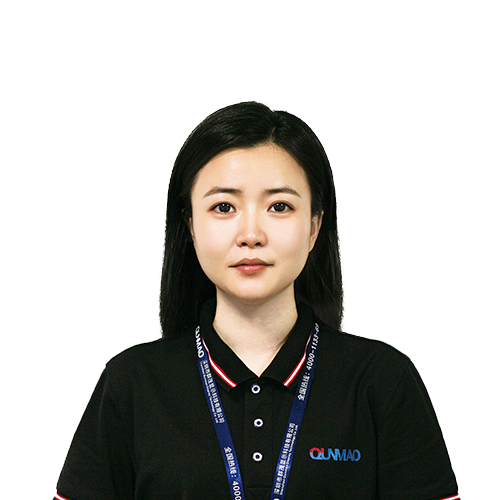
Queenie Wang
CEO | Experto en soluciones interactivas de visualización y colaboración
Soy el fundador de Qtenboard y aporto más de 17 años de experiencia práctica a la industria de las pantallas táctiles. Basándome en la perspectiva de gestión global obtenida a través de mis estudios de EMBA en la Universidad de ShenZhen, dirijo a mi equipo en la optimización de cada etapa de nuestras operaciones, desde la definición del producto hasta la gestión de la cadena de suministro de alta eficiencia, asegurando que nuestras capacidades de fabricación permanezcan a la vanguardia de la industria.
Como el líder de Qtenboard, me especializo en el abastecimiento de las soluciones adaptadas de OEM/ODM para los whiteboards interactivos, las paredes video del LCD, la señalización digital, y los terminales del tacto del industrial-grado. Con el respaldo de nuestro moderno parque industrial de 330.000 m² en Shenzhen, mantenemos el control del ciclo de vida completo sobre el diseño industrial, la fabricación de precisión y las rigurosas pruebas de rendimiento.
Con casi dos décadas de experiencia en proyectos, las soluciones de visualización de Qtenboard ahora se implementan en más de 120 países y regiones, y se ganaron la confianza de más de 15.000 clientes empresariales en todo el mundo. Si está buscando un socio receptivo con una base de fabricación profunda para sus proyectos personalizados de pantallas táctiles, mi equipo y yo estamos listos para respaldar su visión con excelencia profesional.

 spa
spa
 EN
EN  pt
pt  th
th  vie
vie  aze
aze  bel
bel  est
est  lav
lav  ukr
ukr  ru
ru