Q AI es Qtenboard & #039;s marco AI a nivel de sistema para pizarras interactivas-integrado en la pantalla & #039;s hardware y firmware, no se añade como una capa de software de terceros o servicio sólo en la nube.Ofrece cuatro capacidades integradas de IA: voz a texto (con diferenciación de hablantes y bibliotecas de jerga de la industria), generación automatizada de minutos de reuniones, preguntas y respuestas contextuales sobre el contenido en pantalla y un asistente inteligente nativo controlado por voz. El procesamiento de Core AI se ejecuta primero en el hardware local de la pantalla, con copia de seguridad opcional en la nube para tareas grandes, por lo que la mayoría de las funciones funcionan sin una conexión a Internet constante.
Este artículo está escrito para Equipos de adquisición empresarial, responsables de la toma de decisiones de TI en la escuela e integradores de sistemas AVEvaluar reclamos de AI en pantallas interactivas. Explica por qué la mayoría de las afirmaciones de "AI Interactive Whiteboard" en la industria son etiquetas de marketing en lugar de integración real del sistema, y cómo el marco de Q AI & #039; está estructurado alrededor de la pantalla en lugar de atornillarse a ella.
Durante los últimos cinco años, has visto a todas las marcas en la industria de las pantallas interactivas lanzar el término "impulsado por la IA" como si fuera una pegatina que pueden colocar en una pantalla normal y llamarla nueva. Entre en cualquier feria de tecnología, hojee cualquier folleto de producto o desplácese por el sitio web de cualquier marca, y verá "AI" estampado en todas partes, pero pregunte al representante de ventas Lo que la IA realmente hace, Y obtendrás las mismas respuestas vagas: “tiene control de voz”, “tiene una cámara” o “funciona con software de IA”. Ninguna de estas es una integración real de IA. Son solo características de curita, agregadas sobre hardware y software antiguos, con cero pensamiento real sobre cómo la IA puede facilitar el trabajo y el aprendizaje de las personas.
Aquí es donde Qtenboard cambia el juego, y lo hemos estado cambiando desde el primer día, porque Qtenboard es la primera marca del mundo en integrar la inteligencia artificial en pantallas interactivas todo en uno.. No nos subimos al carro de la IA cuando se convirtió en una tendencia de marketing; vimos el potencial de la IA para pantallas interactivas años antes de que la industria se hiciera popular. gracias a nuestra intuición afilada del mercado y a un equipo técnico interno de I + D de clase mundial que vive y respira la innovación de la pantalla y la IA. No solo agregamos características de AI, construimos unMarco de AI a nivel de sistema Para nuestras pantallas, una que se cuece en cada componente, cada función y cada producto en nuestra serie Interactive Whiteboard. Llamamos a este marco Q AI, Y no es un conjunto de características de una sola vez: es un sistema vivo y en evolución que hemos estado refinando sin parar desde su lanzamiento, con un Actualización importante hito que viene en 2026 Que llevará la interacción de visualización impulsada por la IA a un nivel de madurez completamente nuevo.
Q AI está diseñado para personas reales, en espacios reales (salas de reuniones, aulas, centros de capacitación, centros de colaboración) y ofrece un valor tangible y cotidiano con funciones básicas que importan: voz a texto, generación de minutos de reuniones inteligentes, preguntas y respuestas contextuales y un asistente inteligente totalmente integrado. Sin pelusa, sin reclamos vacíos, solo AI que funcionapara ti. Este artículo no se trata solo de lo que Q AI es; se trata de cómo Qtenboard creó la categoría de pantalla AI Interactive Whiteboard en primer lugar, y por qué nuestro enfoque de AI es el único que realmente está a la altura del bombo, mientras que todos los demás todavía están jugando a ponerse al día.
Para comprender por qué la integración de AI de Qtenboard es un cambio de juego, primero debe comprender por qué el resto de las afirmaciones de AI de la industria no funcionan. La verdad es que la mayoría de las marcas no se propusieron construir pantallas inteligentes: se propusieron Mercado Pantallas inteligentes, y eso es una gran diferencia. Aquí están los tres trucos más grandes que la industria usa para hacer pasar las pantallas regulares como “impulsadas por IA”, trucos que nunca hemos usado, porque creemos que la innovación real no necesita humo y espejos:
Primero, Las marcas etiquetan el hardware básico como AI. Lo has visto: una pantalla con una cámara incorporada se llama "visión AI", una pantalla con un micrófono es "control de voz AI". Esto es solo un rebranding de hardware estándar: no hay un procesamiento real de IA, no hay comprensión, no hay contexto. Es como llamar a una tostadora “AI cooking” solo porque tiene un temporizador. Es un truco de marketing barato, y deja a los clientes decepcionados cuando se dan cuenta de que la “IA” no hace nada más que las características básicas que ya esperaban.
En segundo lugar, La mayoría de las funciones de pantalla "AI" se basan en software de terceros o dispositivos externos. Muchas marcas dirán que su pantalla está habilitada para IA, pero la realidad es que la IA vive en una plataforma en la nube separada, una PC conectada o una aplicación de terceros, no en la pantalla en sí. Si desconecta la pantalla de Internet o del dispositivo externo, la “IA” desaparece. Esto no es integración de AI; es AI acceso. Significa que la pantalla no es inteligente por sí sola y crea interminables dolores de cabeza: retraso, problemas de compatibilidad, tiempo de configuración adicional e incluso riesgos de seguridad de datos cuando envía datos confidenciales de reuniones o clases a un servidor externo.
Tercero, La industria trata a la IA como una característica única, no como una lógica operativa central.. Para la mayoría de las marcas, AI es una idea de último momento, algo que agregan a un diseño de pantalla preexistente para marcar una casilla. No diseñan la pantalla alrededor de AI, por lo que las características de AI no funcionan entre sí. Su "voz a texto AI" no se sincroniza con su aplicación de "notas de reunión", su "cámara AI" no se ajusta a quién está hablando y su "asistente inteligente" no puede responder preguntas sobre el contenido en la pantalla. Es una colección de herramientas desconectadas, no un solo sistema inteligente, y hace que la pantalla sea más difícil de usar, no más fácil.
¿El resultado? Un mercado lleno de “AI Interactive Whiteboard” que en realidad no usan AI de ninguna manera significativa. Los clientes terminan pagando más por una etiqueta, no por un producto mejor, y ese es el problema que Qtenboard se dispuso a resolver cuando decidimos construir la primera pizarra interactiva verdaderamente integrada en IA del mundo. No preguntamos "¿cómo podemos agregar AI a nuestras pantallas?" Preguntamos "¿cómo puede AI hacer que nuestras pantallas sean la herramienta más útil en la sala?"-y la respuesta fue Q AI.
Ser el primero en hacer algo en tecnología no se trata de suerte, se trata de dos cosas: Ver el futuro antes que todos los demás, y tener el poder técnico para construirlo. Eso es exactamente lo que Qtenboard hizo con AI Interactive Whiteboard, y es por eso que seguimos siendo el líder de la industria hoy en día, incluso cuando otros intentan copiar nuestro enfoque.
Nuestra arma secreta comienza con La intuición del mercado que está arraigada en la industria de la pantalla. A diferencia de las marcas que tratan las pantallas como un negocio secundario o productos de marca blanca de otras fábricas, Qtenboard es una Marca construida en fábricaCon décadas de experiencia diseñando y fabricando pantallas interactivas. No solo vendemos pantallas, trabajamos con ellos, hablamos con los clientes que las usan todos los días y vemos los puntos de dolor que enfrentan de primera mano: tomar notas sin fin en las reuniones que te hace perder la conversación, las barreras del idioma en los equipos globales, lenta Q & A en las aulas que mata el compromiso, Y software que toma más tiempo para configurar de lo que vale la pena. Sabíamos que la IA podía resolver todos estos problemas, y sabíamos que la industria no lo iba a hacer bien, porque no estaban escuchando a los clientes y no estaban invirtiendo en la I + D adecuada.
La segunda pieza del rompecabezas es nuestra Equipo técnico interno de I + D: sin externalización, sin atajos de terceros. Construimos un equipo de ingenieros, especialistas en IA y diseñadores de experiencia de usuario que trabajan codo a codo, no en departamentos separados. Nuestros ingenieros de pantalla diseñan hardware que está diseñado para el procesamiento de AI (chips más rápidos, mejores micrófonos y cámaras, almacenamiento local para datos de AI), nuestros especialistas de AI crean algoritmos que se adaptan para la interacción de la pantalla (no AI genérico sacado de la nube), Y nuestros diseñadores de UX se aseguran de que la IA sea fácil de usar, sin necesidad de experiencia técnica. Este equipo multifuncional es la razón por la que podríamos construir un marco de IA a nivel de sistema, no solo una colección de características: todos estaban trabajando hacia el mismo objetivo, y cada parte de la pantalla estaba diseñada para trabajar con AI, no contra ella.
Lanzamos nuestra primera pizarra interactiva integrada con IA años antes de que cualquier otra marca anunciara un proyecto de IA, y no nos detuvimos allí. Desmantelamos Q AI en todo Toda nuestra serie de productos, No solo un único modelo “insignia” para grandes presupuestos. Creemos que la IA debería ser accesible para todos, desde pequeñas empresas hasta grandes escuelas, y nuestro modelo construido en fábrica nos permite mantener nuestros precios justos mientras brindamos características de IA líderes en la industria. Y nunca detuvimos la I + D: nuestro equipo recopila comentarios del mundo real de cada cliente de Qtenboard, todos los días, y utiliza esos comentarios para refinar Q AI: arreglar pequeños problemas, agregar nuevas funciones y construir hacia la actualización principal de 2026 que establecerá un nuevo estándar para las pantallas de AI.
Ser el primero no es solo un título para nosotros, es una responsabilidad. Significa que tenemos que seguir innovando, seguir escuchando a nuestros clientes y seguir poniendo el listón más alto, mientras que todos los demás todavía están tratando de descubrir qué es la verdadera integración de IA.
Q AI no es una característica única, un complemento de software o una herramienta basada en la nube: es un Marco de IA totalmente integrado y de cuatro dimensiones Que se cuece en cada pizarra interactiva de Qtenboard. Está diseñado para funcionar sin problemas en cada parte de su interacción diaria con la pantalla, y ofrece las cuatro funciones principales de IA que nuestros clientes nos dijeron que más necesitan: Voz a texto, generación de minutos de reuniones inteligentes, preguntas y respuestas contextuales y un asistente inteligente nativo. Cada parte de Q AI funciona con las demás, por lo que no hay retraso, no hay problemas de compatibilidad y no hay configuración adicional, solo AI que está lista para usar en el momento en que encienda la pantalla. Y debido a que es un marco a nivel de sistema, Q AI se ejecuta primero en el hardware local de la pantalla (con respaldo seguro en la nube para tareas más grandes), por lo tanto, no necesita una conexión constante a Internet para usar sus características más importantes, una gran ventaja sobre las pantallas “AI” solo en la nube de la industria.
Vamos a desglosar lo que hace Q AI y cómo convierte una pantalla normal en un colaborador inteligente, con ejemplos del mundo real de cómo la usan nuestros clientes todos los días:
Cada pantalla con un micrófono puede hacer una entrada de voz básica, pero la inteligencia del habla de Q AI es diferente, porque no solo oír Usted, el Entiende tú. Construimos pantallas Qtenboard con matrices de micrófonos de alta fidelidad con cancelación de ruido que captan audio claro incluso en habitaciones ocupadas (piense en una sala de reuniones con 10 personas hablando o en un aula con estudiantes haciendo preguntas), y nuestros algoritmos internos de IA procesan ese audio en tiempo real con tres características clave: Supresión de ruido, diferenciación de altavoces y voz precisa a texto.
La función de voz a texto admite más de 40 idiomas y dialectos, y no es solo una transcripción palabra por palabra: corrige la gramática, corrige los errores tipográficos e incluso reconoce la jerga específica de la industria (tenemos bibliotecas preconstruidas para negocios, educación, fabricación y atención médica, con la capacidad de agregar jerga personalizada para su equipo). La característica de diferenciación del orador etiqueta cada línea de texto con el nombre del orador (puede establecer nombres al comienzo de una reunión o clase), para que siempre sepa quién dijo qué. Y todo sucede en tiempo real, en la propia pantalla, sin esperar el procesamiento en la nube, sin retrasos, sin pérdida de audio.
Caso de uso del mundo realUn equipo de fabricación multinacional en Alemania utiliza pantallas Qtenboard para reuniones globales semanales con equipos en China, Estados Unidos y Brasil. Antes de Q AI, tenían que contratar traductores para cada reunión y tomadores de notas que luchaban por mantenerse al día con la conversación rápida. Ahora, el habla a texto de Q AI transcribe las palabras de cada hablante en su idioma nativo y traduce instantáneamente el texto al inglés (el idioma común del equipo) en la pantalla. Sin traductores, sin notas perdidas, y todos permanecen en la misma página, incluso cuando hablan diferentes idiomas.
Si alguna vez se ha sentado en una reunión y ha pasado todo el tiempo escribiendo notas en lugar de participar, sabe lo frustrante que es, y si alguna vez ha tenido que escribir minutos de reunión después de una llamada, sabe lo lento que es. La inteligencia de reuniones de Q AI resuelve esto con Generación inteligente, automatizada del minuto de la reunión -Una característica que se construye directamente en la parte superior de nuestra inteligencia de voz, y es la característica Q AI más popular entre nuestros clientes de negocios.
Así es como funciona: una vez que comienza una reunión en la pantalla de Qtenboard, Q AI comienza automáticamente a grabar la conversación (con el consentimiento de su equipo) y transcribirla con las etiquetas de los oradores. Cuando termina la reunión, Q AI no solo le da una larga lista de texto transcrito: Lo organiza En minutos de reunión claros y aplicables en un solo clic. Se identifica Puntos clave de discusión, destaca decisiones importantes y enumera los elementos de acción con el nombre de la persona responsable y una fecha de vencimiento sugerida (Puede editar o agregar a estos en segundos). Luego puede guardar los minutos en la pantalla, compartirlos por correo electrónico o la aplicación de colaboración de su equipo (Microsoft Teams, Google Workspace) o exportarlos como PDF, todo sin salir de la interfaz de la pantalla.
Y no es solo para reuniones formales: Q AI puede generar notas rápidas para sesiones de lluvia de ideas, registros de equipos o incluso llamadas individuales. Ahorra horas a nuestros clientes cada semana, tiempo que pueden dedicar al trabajo real, no a la toma de notas.
Caso de uso del mundo realUna pequeña agencia de marketing en el Reino Unido utiliza las pantallas de Qtenboard para las reuniones con los clientes y las tormentas de ideas internas. Antes de Q AI, un miembro del equipo tenía que tomar notas para cada reunión, y tardaba entre 30 y 60 minutos en escribir minutos formales después de cada llamada del cliente. Ahora, Q AI genera los minutos con un solo clic, y el equipo solo edita algunos detalles antes de enviarlos al cliente. Estiman que Q AI les ahorra 10 horas a la semana, tiempo que ahora dedican a crear contenido de marketing y trabajar con los clientes.
El mayor problema con la mayoría de los “asistentes inteligentes de IA” en las pantallas es que son genéricos: pueden responder preguntas básicas como “¿qué tiempo hace?” Contenido en la pantalla. Q AI es diferente: nuestro Asistente inteligente nativo Y Q & A contextual Están diseñados para comprender el contenido que está mostrando, ya sea una presentación, una hoja de cálculo, un video o una transcripción de una reunión, y responder preguntas al respecto en tiempo real.
Así es como funciona: si presenta un mazo de ventas en la pantalla de Qtenboard y un miembro del equipo pregunta "¿cuál es el objetivo de ventas para el tercer trimestre?", el asistente inteligente Q AI escanea la cubierta, encuentra el objetivo Q3 y responde la pregunta en voz alta (y la muestra en la pantalla) -No es necesario pausar la presentación y buscarla. Si un estudiante en un aula está mirando una hoja de cálculo de matemáticas en la pantalla y pregunta "¿cómo puedo resolver esta ecuación?", El asistente inteligente los guía a través de los pasos, con ejemplos en la pantalla. También puede usar el asistente inteligente para controlar la pantalla con comandos de voz ("siguiente diapositiva", "acercar este gráfico", "guardar este documento"), para que no tenga que tocar la pantalla o un control remoto mientras presenta o enseña.
La función de preguntas y respuestas es totalmente personalizable: puede agregar su propia base de conocimientos de la empresa o escuela al asistente inteligente, para que pueda responder preguntas específicas sobre sus productos, políticas o plan de estudios. Y todo sucede en la propia pantalla, sin necesidad de conectarse a un asistente de IA externo o una plataforma en la nube.
Caso de uso del mundo realUna escuela secundaria en Australia usa pantallas de Qtenboard en sus aulas de ciencias. Los profesores muestran diapositivas de lecciones, instrucciones de laboratorio y videoclips en la pantalla, y los estudiantes usan la función Q AI Q & A para hacer preguntas en tiempo real, incluso si son demasiado tediosos para levantar la mano. El asistente inteligente Q AI responde preguntas de ciencias básicas (por ejemplo, "¿cuál es el punto de ebullición del agua?") y guía a los estudiantes a través de los pasos de laboratorio, mientras que el maestro se enfoca en ayudar a los estudiantes con problemas más complejos. La escuela informa un aumento del 40% en el compromiso de los estudiantes desde que comenzaron a usar las pantallas de Qtenboard, todo porque Q AI hace que sea fácil para los estudiantes hacer preguntas y obtener respuestas rápidamente.
La parte más importante de Q AI es que no está congelada en el tiempo, es una Sistema vivo, en evolución Mejora con cada actualización. A diferencia de las pantallas “AI” de la industria, que obtienen uno o dos parches de software al año (si es así), Qtenboard ofrece actualizaciones regulares por aire (OTA) para Q AI, sin necesidad de reemplazo de hardware. Estas actualizaciones solucionan pequeños errores, mejoran las características existentes (por ejemplo, mejor precisión de voz a texto, más idiomas) y agregan nuevas características pequeñas basadas en los comentarios de los clientes.
Y todo esto lleva a la 2026 actualización importante Q AI -Nuestra mayor actualización hasta ahora, que llevará a Q AI al siguiente nivel. No estamos compartiendo todos los detalles todavía, pero podemos decir que la actualización 2026 incluirá: Comprensión semántica más profunda (para que Q AI pueda captar el tono y el contexto en las conversaciones), Plantillas personalizables de minutos de reunión (adaptadas a su industria o equipo), Un asistente inteligente aún más inteligente que puede predecir sus necesidades (por ejemplo, preparar una agenda de reuniones basada en sus reuniones anteriores), Y Sincronización AI entre dispositivos (por lo que Q AI en su pantalla Qtenboard funciona con sus otros dispositivos Qtenboard). Lo mejor de todo es que cada pantalla Qtenboard actualmente en el mercado podrá recibir la actualización 2026, sin necesidad de comprar una nueva pantalla para obtener las últimas funciones de IA. Esa es nuestra promesa a nuestros clientes: cuando compra una pantalla Qtenboard, no solo está comprando un producto, está comprando una inversión a largo plazo en innovación de IA.
Es fácil decir que Q AI es mejor que las pantallas “AI” de la industria, pero los números y las características hablan por sí mismos. La siguiente tabla desglosa las diferencias clave entre Q AI (el primer marco de IA a nivel de sistema del mundo para la pizarra interactiva) y las afirmaciones de "pseudo-AI" que verá de todas las demás marcas. Esto no es una comparación de características pequeñas, es una comparación de Filosofía central: Qtenboard construye AI Para el usuario, Mientras que el resto de la industria construye AI Para el folleto de marketing.
| Aspecto | Reclamaciones de pseudo-AI de la industria | Marco de Qtenboard Q AI |
|---|---|---|
| Integración AI | Nivel de superficie: AI es un complemento separado (software de terceros/herramienta en la nube) sin integración del sistema | Nivel del sistema: la IA se incorpora a cada parte de la pantalla (hardware, software, UX), diseñada para la pantalla, no rediseñada |
| Funciones principales de AI | Limitado: Entrada de voz básica o voz genérica a texto (sin diferenciación de hablantes, sin soporte de jerga) | Suite completa: voz a texto, generación de minutos de reunión inteligente, preguntas y respuestas contextuales, asistente inteligente nativo, todos trabajando juntos |
| Potencia de procesamiento | Solo en la nube: sin procesamiento local de IA: requiere Internet constante, rendimiento lento, riesgos de seguridad de datos | Nube local híbrida: AI se ejecuta primero en la pantalla (no se necesita Internet para las funciones clave): nube para tareas grandes, rendimiento rápido, almacenamiento de datos local seguro |
| Diseño de hardware | La IA es una ocurrencia tardía: micrófonos/cámaras básicas, sin chips optimizados para la IA | AI es la base: matrices de micrófonos con cancelación de ruido, cámaras inteligentes de alta velocidad, chips de procesamiento optimizados para AI, construidos para la interacción de AI |
| Actualización & Evolución | Actualizaciones raras y mínimas: parches de software ocasionales (sin mejoras en la función de AI): el hardware se vuelve obsoleto rápidamente | Actualizaciones continuas y gratuitas: las actualizaciones regulares de OTA para AI presentan la actualización del hito principal de 2026: todos los dispositivos obtienen la última IA, no se necesita hardware nuevo |
| Sincronización de funciones cruzadas | Desconectado: las características de AI no funcionan entre sí (voz a texto no se sincroniza con las notas de la reunión) | Sincronización perfecta: todas las funciones de AI funcionan juntas (voz a texto se alimenta en minutos de reuniones, Q & A usa contenido de visualización para respuestas) |
| Accesibilidad | Exclusivo: AI solo en modelos emblemáticos de alta gama (caro, fuera del alcance de pequeñas empresas/escuelas) | Inclusivo: AI en todo el Serie entera del producto Precios justos para todos los clientes, sin trucos emblemáticos |
| Mercado de primer móvil | Imitador: se agregó AI después del lanzamiento de Qtenboard: sin I + D original, solo imitando las características básicas | Pioneer: La primera pizarra interactiva integrada en IA del mundo: I + D interna original, la marca que definió la categoría de pantallas de IA |
| Experiencia de usuario | Clunky: Curva de aprendizaje empinada, configuración adicional para características de AI, se requiere experiencia técnica | Intuitivo: sin configuración, sin curva de aprendizaje: la IA está lista para usar, diseñada para usuarios no técnicos (maestros, gerentes, miembros del equipo) |
Esta comparación deja una cosa clara: las pantallas "AI" de la industria son solo pantallas regulares con una etiqueta de marketing, mientras que las pantallas Qtenboard son las pantallas más comunes. original AI Interactive Whiteboard-construido desde cero para la interacción real de AI. No hay comparación, y nunca la habrá, porque no solo construimos AI en nuestras pantallas, sino que construimos nuestras pantallas alrededor de AI.
Nunca hemos sido el tipo de marca que descansa en nuestros laureles, y nuestra actualización principal Q AI 2026 es una prueba de ello. Durante los últimos años, nuestro equipo de I + D ha estado recopilando comentarios de todos los clientes de Qtenboard, probando nuevos algoritmos de IA y diseñando nuevas características que harán que Q AI sea aún más inteligente, aún más intuitivo y aún más valioso para el uso en el mundo real. La actualización de 2026 no es solo un "gran parche", es unEvolución completa de Q AIY establecerá un nuevo estándar para las pantallas interactivas que la industria no podrá igualar durante años.
Mientras mantenemos algunas de las características de la actualización 2026 en secreto hasta el lanzamiento, nos complace compartir las áreas clave en las que nos estamos enfocando, todo basado en lo que nuestros clientes nos dijeron que más quieren:
¿Y la mejor parte? Cada pantalla Qtenboard actualmente disponible en el mercado podrá recibir de forma gratuita la actualización Q AI de 2026., mediante descarga inalámbrica. No necesitará comprar una pantalla nueva, ni pagar una suscripción, ni contar con un equipo técnico para su instalación: basta con un solo clic y su pantalla contará con las funciones de IA más avanzadas del sector. Esa es nuestra promesa a nuestros clientes: no solo desarrollamos las mejores pantallas con IA, sino que nos aseguramos de que siempre dispongan de las mejores, durante toda la vida útil del producto.
Recibimos muchas preguntas sobre Q AI, sobre nuestro estatus como la primera marca mundial de pizarras interactivas con IA y sobre la actualización de 2026; por ello, hemos recopilado las consultas más frecuentes y les ofrecemos respuestas claras y directas. Sin tecnicismos, sin palabras vagas de marketing: solo los hechos.
Sí. La IA está integrada en toda nuestra serie de productos de pizarras interactivas, desde nuestros modelos de nivel básico para pequeñas empresas y aulas hasta nuestros modelos de gama alta para grandes corporaciones y universidades. Creemos que la IA debería ser accesible para todos, por lo que en Qtenboard no existe una IA exclusiva para modelos de gama alta.
No. Q IA utiliza un modelo híbrido de procesamiento local en la nube, por lo que todas nuestras funciones centrales de IA (conversión de voz a texto, generación de actas de reunión, preguntas y respuestas contextuales, asistente inteligente) se ejecutan primero en el hardware local del dispositivo. Solo necesitas una conexión a internet para utilizar funciones basadas en la nube, como la traducción multilingüe de idiomas poco comunes, la sincronización entre dispositivos o la descarga de la actualización de 2026; e incluso si la conexión a internet se interrumpe, tus funciones de IA de Q seguirán funcionando.
Lanzamos nuestro primer pizarrón interactivo integrado con IA a nivel de sistema en 2024, años antes de que cualquier otra marca anunciara un proyecto de integración real de la IA (la mayoría de las marcas apenas comenzaron a añadir etiquetas de “IA” a sus pantallas en 2026). Disponemos de toda la documentación de patentes relativa a nuestra plataforma Q AI, y hemos sido reconocidos por asociaciones sectoriales (por ejemplo, la Asociación Global de Pantallas Interactivas) por ser pioneros en la categoría de pizarras interactivas con inteligencia artificial. Nuestros registros de I+D y de producción, desarrollados en fábrica, también confirman que fuimos los primeros en fabricar en serie pantallas con integración de inteligencia artificial para el mercado global.
Sí. La actualización de IA Q 2026 será una descarga gratuita por aire para todos los pizarrones interactivos Qtenboard disponibles actualmente en el mercado. Nunca cobramos a nuestros clientes por actualizaciones de software ni de IA; eso forma parte de nuestra promesa de ofrecer valor a largo plazo con cada producto Qtenboard.
Sí. Q IA ya cuenta con bibliotecas predefinidas para los sectores empresarial, educativo, manufacturero y sanitario, y actualmente puedes agregar al sistema jerga personalizada, plantillas para actas de reunión y preferencias del asistente inteligente. La actualización de 2026 ampliará aún más esta personalización, con perfiles de IA para equipos, departamentos o aulas específicos.
Q La IA está construida con Seguridad de datos de nivel empresarialen su esencia. Todos los datos de sus reuniones, clases y sesiones de preguntas y respuestas se almacenan primero en el hardware local del dispositivo, y cualquier almacenamiento en la nube está cifrado con cifrado de extremo a extremo. Usted controla todos sus datos: puede eliminarlos en cualquier momento, exportarlos a sus propios servidores o desactivar por completo el almacenamiento en la nube. Nunca compartimos ni vendemos sus datos a terceros; eso es algo inaceptable para nosotros.
No. Q la IA está diseñada para usuarios no técnicos -profesores, directivos, miembros del equipo, estudiantes. No hay configuración, no hay curva de aprendizaje y tampoco ajustes complicados. Todas las funciones de Q IA se activan con un solo clic o por voz, y la interfaz de la pantalla es intuitiva y fácil de usar. Si puedes usar una pantalla interactiva convencional, también puedes usar Q AI; así de sencillo.
Durante años, la industria de las pantallas interactivas ha hablado sobre la IA; sin embargo, Qtenboard es la marca que hizoIA. Somos la primera marca del mundo en integrar de manera genuina la inteligencia artificial en la pizarra digital interactiva, no por aspirar a un título de marketing, sino porque buscamos crear un producto mejor para nuestros clientes. Identificamos las dificultades que las personas enfrentaban en salas de reuniones y aulas; aprovechamos nuestra intuición de mercado y nuestro equipo interno de I+D para desarrollar una solución, y creamos Q AI: un marco de inteligencia artificial a nivel de sistema que aporta un valor concreto y cotidiano mediante transcripción de voz a texto, toma de notas de reuniones inteligente, preguntas y respuestas contextuales, y un asistente inteligente nativo.
La IA no es una palabra de moda, una pegatina ni una característica secundaria: es el núcleo de cada pantalla Qtenboard. Está diseñado para personas reales, en espacios reales, y su objetivo es facilitar el trabajo y el aprendizaje, no complicarlos. Es un sistema vivo y en constante evolución que mejora con cada actualización, y la gran actualización de 2026 lo llevará a un nivel completamente nuevo de inteligencia, todo ello de forma gratuita para todos los clientes actuales de Qtenboard.
Ser los primeros en desarrollar la pizarra interactiva con IA es un honor, pero también una responsabilidad. Significa que debemos seguir escuchando a nuestros clientes, seguir invirtiendo en I+D e innovar sin cesar, mientras el resto del sector aún trata de ponerse al día con el estándar que establecimos hace años. Significa que debemos seguir desarrollando pantallas que no solo sean inteligentes, sino tambiénútil -porque, al fin y al cabo, la IA no se trata de la tecnología. Se trata de cómo la tecnología mejora la vida de las personas.
Qtenboard no solo inventó la pizarra interactiva con IA: estamos construyendo el futuro de este producto. Y el futuro de la pizarra digital interactiva es nativo de la IA: construido en torno a la IA, diseñado para la IA y hecho para las personas que la utilizan a diario. Ese futuro comienza con Qtenboard y comienza con Q AI.
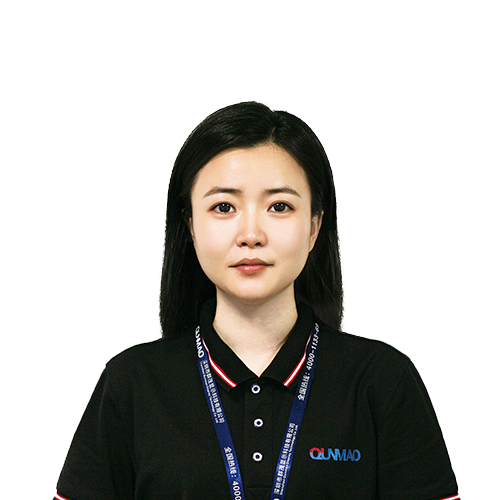
CEO | Experto en soluciones interactivas de visualización y colaboración
Soy el fundador de Qtenboard y aporto más de 17 años de experiencia práctica a la industria de las pantallas táctiles. Basándome en la perspectiva de gestión global obtenida a través de mis estudios de EMBA en la Universidad de ShenZhen, dirijo a mi equipo en la optimización de cada etapa de nuestras operaciones, desde la definición del producto hasta la gestión de la cadena de suministro de alta eficiencia, asegurando que nuestras capacidades de fabricación permanezcan a la vanguardia de la industria.
Como el líder de Qtenboard, me especializo en el abastecimiento de las soluciones adaptadas de OEM/ODM para los whiteboards interactivos, las paredes video del LCD, la señalización digital, y los terminales del tacto del industrial-grado. Con el respaldo de nuestro moderno parque industrial de 330.000 m² en Shenzhen, mantenemos el control del ciclo de vida completo sobre el diseño industrial, la fabricación de precisión y las rigurosas pruebas de rendimiento.
Con casi dos décadas de experiencia en proyectos, las soluciones de visualización de Qtenboard ahora se implementan en más de 120 países y regiones, y se ganaron la confianza de más de 15.000 clientes empresariales en todo el mundo. Si está buscando un socio receptivo con una base de fabricación profunda para sus proyectos personalizados de pantallas táctiles, mi equipo y yo estamos listos para respaldar su visión con excelencia profesional.
 spa
spa
 EN
EN  pt
pt  th
th  vie
vie  aze
aze  bel
bel  est
est  lav
lav  ukr
ukr  ru
ru