Якорь глобального рынка: Глобальный рынок киосков самообслуживания был оценен в $39,4 млрд В 2024 году и, по прогнозам, достигнет $82,1 млрд К 2031 году, рост в среднем 11,1%. POS быстро развивается из простой точки проверки в распределенный, без присмотра, программно-определяемый уровень транзакций-и этот сдвиг переопределяет офлайн-торговлю во всем мире.
Три структурных драйвера: Рост затрат на рабочую силу и нехватка персонала, сильное предпочтение потребителей самообслуживанию с низким коэффициентом трения и полная зрелость инфраструктуры безналичных платежей и цифровой идентификации сходятся, чтобы создать золотое окно для развертывания киоска самообслуживания в 2026 году.
📌Как использовать это руководство по столбам: Эта страница служит вашим Главный концентратор (страница столбов) Для закупок киосков самообслуживания B2B. Каждый раздел ссылается на более глубокие подстатьи (доступные через внутренние ссылки). Перейдите по теме, чтобы быстро найти информацию, наиболее актуальную для вашего решения.
Стандартное определение: А Киоск самообслуживания Представляет собой интерактивное устройство без присмотра, которое объединяет сенсорный дисплей, вычислительный блок и периферийные устройства для оплаты/идентификации. Он заменяет ручное обслуживание цифровыми рабочими потоками для значительного повышения эффективности работы.
| Сценарий применения | Рекомендуемый форм фактор | Размер/диапазон конфигурации | Типичные периферийные устройства |
|---|---|---|---|
| QSR/Заказ быстрого питания | Настольный/настенный | 15,6 "-21,5" сенсорный | Принтер читателя карты блока развертки штрихкода термальный |
| Супермаркет Self-Checkout | Пол-стоя | 21.5" – 27" | Шкала веса квитанции карты сканера |
| Идентификатор правительства/Разрешение | Пол-стоя | 21.5" – 32" | ID считыватель отпечатков пальцев камера документ принтер |
| Самостоятельная регистрация в больнице | Настенный/настольный | 15.6" – 21.5" | QR сканер ID считыватель тепловой |
| Селфи-заезд в отель | Пол-стоя | 21.5" | ID/паспорт сканер номер ключ диспенсер |
Мы рекомендуем PCAP емкостный сенсорный 4 мм закаленное стекло олеофобное покрытие(Критически важно для сценариев F & B, чтобы противостоять смазке), обеспечивая как чувствительность к касанию, так и длительный срок службы.
Высокая стоимость-производительность, богатая экосистема, идеально подходит для легких приложений (заказ, регистрация, запрос). Удаленное управление удобно; однако следите за ограничениями Google Play и проблемами фрагментации на зарубежных рынках.
Превосходная стабильность, комплексная поддержка приложений (интеграция с государственными/финансовыми/ERP) и надежные инструменты управления предприятием. Более высокая стоимость и более высокие требования к оборудованию.
TCO = Цена за единицу Стоимость доставки/таможенной сертификации Установка Лицензирование программного обеспечения (обычно 30-120 долл. США/единица/месяц) Ежегодное обслуживание Запасные части Потери времени простоя
Основной принцип: Самый дешевый вариант авансным почти всегда является самым дорогим в долгосрочной перспективе. Сравнивая недорогое решение с решением высокого уровня надежности среднего уровня и с премиальным брендом, разница в совокупной стоимости владения может варьироваться от От 30% до 50%.
Фон: Ведущий ближневосточный ритейлер с 80 гипермаркетами. Болевая точка: Длинные очереди на оформление заказа, высокие затраты на рабочую силу и желание улучшить качество обслуживания клиентов. Решение: Ктенбоард поставлял пол-стоящие киоски само-кассы 27 дюймов с интегрированной сканированием, оплатой карты, датчиками веса, и камерами анти -- потери АИ. Масштаб: Первоначально 200 единиц, плюс 350 на втором этапе. Результат: Эффективность оформления заказа улучшилась на 40%, затраты на рабочую силу снизились на 35%, а показатели удовлетворенности клиентов значительно выросли.
Фон: Иммиграционный департамент в стране Юго-Восточной Азии. Болевая точка: Переполненные окна для паспортов и виз, низкая эффективность. Решение: 32-дюймовые напольные киоски самообслуживания с считыванием удостоверений личности, захватом отпечатков пальцев, HD-камерой, печатью паспортов и многоязычной ОС. Масштаб: 150 единиц. Результат: Среднее время очереди сократилось с 2 часов до 20 минут; цели цифровой трансформации были ускорены.
Фон: Хорошо известный бренд QSR, работающий в 12 европейских странах. Болевая точка: Пик-час давление заказа и трудности увеличения средней стоимости билета. Решение: 15,6-дюймовые настенные киоски для самостоятельного заказа, поддерживающие несколько языков, платежи EMV и рекомендации по динамическому перепродаже. Масштаб: 500 единиц. Результат: Средняя стоимость билетов увеличилась на 22%, эффективность заказов повысилась на 60%, а цифровой имидж бренда значительно улучшился.
Фон: Сеть отелей среднего уровня в Северной Америке. Болевая точка: Приезд на стойку регистрации был громоздким и по ночам недоукомплектованным персоналом. Решение: 21,5-дюймовые напольные киоски для самостоятельной регистрации с сканированием паспортов, выдачей ключей от комнаты, платежными терминалами и функциями доступности, совместимыми с ADA. Масштаб: 120 единиц. Результат: Время регистрации сократилось с 6 минут до 1,5 минут, причем более 70% гостей выбирают самостоятельную регистрацию, освобождая персонал стойки регистрации для более ценных задач.
330,000㎡ Современный производственный кампус, потому что доставка ультра-больших объемов.
20 летОпыта НИОКР и производства в киосках самообслуживания.
Экспортируется в 100 стран С глубоким опытом адаптации соответствия.
R & D-Дизайн-Производство-Настройка-Сертификация-Экспорт-После-продажи, полное обслуживание по замкнутой цепи.
ISO 9001 и другие международные сертификаты управления качеством, обеспечивающие строгий контроль качества.
Преимущества партнерства Qtenboard: Надежная доставка · Высокая стоимость-производительность · Сильная настройка · Полная поддержка соответствия · Низкая совокупная стоимость владения.
Ищите проверенный опыт (20 лет), крупномасштабные производственные мощности (330 000 ㎡), мировые экспортные рекорды (100 стран), полную поддержку соответствия (CE/FCC/UL) и сквозные возможности OEM/ODM. Qtenboard соответствует всем этим критериям И обеспечивает прозрачный анализ совокупной стоимости владения для принятия решения.
Для стандартных продуктов, мы поддерживаем небольшие пробные заказы 10-50 блоков. Для проектов ОДМ изготовленных на заказ, типичное МОК выстраивает в ряд от 100 до 500 блоков, в зависимости от сложности изготовления на заказ и материального поиска.
Разработка образца обычно занимает 4-8 недель, После 3-6 недель для массового производства. Сроки варьируются в зависимости от сложности проектирования, требований сертификации и доступности компонентов.
Да. Мы предоставляем полную сертификационную поддержку, включая CE, FCC, RoHS, UL, WEEE, И региональные сертификаты (SASO, INMETRO и т. д.). Мы также осуществляем отладку предварительного соответствия, чтобы значительно сократить ваши риски времени выхода на рынок.
Абсолютно. Мы имеем большой опыт работы в розничной торговле, F & B, правительстве, здравоохранении, гостиничном бизнесе, транспорте и промышленности. Мы адаптируем оборудование, программное обеспечение, периферийные устройства и рабочие процессы к вашим точным требованиям.
Стандартное время выполнения заказа составляет 15–25 дней Для не-подгонянных продуктов. Для подгонянных заказов, время выполнения обговаривается на основании случая к случаю согласно количеству и сложности заказа.
Да, мы настоятельно рекомендуем начать с небольшой пробной партии (10-50 единиц) для проверки производительности, отзывчивости пользовательского интерфейса и точности транзакций, прежде чем приступать к крупномасштабному производству.
TCO включает в себя аппаратную доставку/таможенную сертификацию установки программного обеспечения лицензирования ($30-120/единица/месяц) техническое обслуживание запасных частей потери времени простоя. Мы предоставляем подробную Калькулятор ТШО Чтобы помочь вам объективно сравнить разные варианты.
Android идеально подходит для легких приложений, таких как заказ и регистрация, с более низкой стоимостью. Windows лучше подходит для сложных рабочих процессов, правительственной/финансовой интеграции и безопасности на уровне предприятия. Мы & #039; поможем вам выбрать исходя из вашего конкретного случая использования и существующей ИТ-инфраструктуры.
Да. Мы предоставляем удаленную отладку, обновления системы OTA, многоязычную техническую документацию и специальную группу поддержки для клиентов с оптовыми закаками. Запасные части также запасены для быстрой замены для того чтобы уменьшить время простоя.
Пять золотых размеров на выбор: Соответствие · Приспособляемостьь · Качество · Доставка · После-продажи-эти 5 штендеры проекта успешного киоска самообслуживания международного. Qtenboard предоставляет проверенные возможности во всех пяти измерениях, подкрепленные 20-летним мировым опытом.
Получите бесплатный индивидуальный план отбора, оценку совокупной стоимости владения, поддержку тестирования образцов и полную документацию по соответствию требованиям. Мы поддерживаем глобальные партнерства на всех уровнях.
📧Info@qtenboard.com | 24/7 онлайн консультация
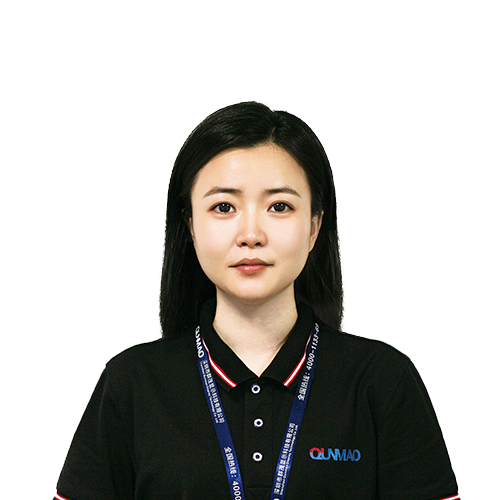
CEO | Интерактивный дисплей & Сотрудничество Решение Эксперт
Я являюсь основателем Qtenboard, привнеся более 17 лет практического опыта в индустрию сенсорных дисплеев. Опираясь на перспективы глобального управления, полученные в ходе моих исследований EMBA в Университете Шэньчжэня, я возглавляю свою команду по оптимизации каждого этапа нашей деятельности-от определения продукта до высокоэффективного управления цепочками поставок-гарантируя, что наши производственные возможности остаются на переднем крае отрасли.
Как руководитель Qtenboard, я специализируюсь на предоставлении адаптированных OEM/ODM-решений для интерактивных досок, ЖК-видеостен, цифровых вывесок и сенсорных терминалов промышленного уровня. Опираясь на наш современный промышленный парк площадью 330 000 м² в Шэньчжэне, мы поддерживаем полный контроль жизненного цикла промышленного дизайна, точного производства и тщательного тестирования производительности.
Обладая почти двадцатилетним опытом работы в проектах, решения Qtenboard в настоящее время развернуты в более чем 120 странах и регионах, заслужив доверие более 15 000 корпоративных клиентов по всему миру. Если вы ищете отзывчивого партнера с глубоким учредлением производства для ваших подгонянных проектов дисплея касания, то моя команда и я готовы поддержать ваше зрение с профессиональным передовым опытом.

 ru
ru
 EN
EN  pt
pt  spa
spa  th
th  vie
vie  aze
aze  bel
bel  est
est  lav
lav  ukr
ukr