Apkalpošanas zāļu operatori saskaras ar vienādām problēmām: pīķa stundās veidojas lieli pūļi, manuālā biļešu izsniegšana ir lēna, pastāv valodas barjeras ar ārvalstu apmeklētājiem, un rindu sistēmas nespēj sazināties ar valsts platformām vai CRM rīkiem. A Rinda zvanot kiosks ar iepriekš instalētu intelektuāla rindu pārvaldības programmatūra atrisina visus četrus vienlaikus, jo programmatūra tiek piegādāta iebūvēta aparatūrā un pirms piegādes tā tiek optimizēta tai.
Šis ceļvedis izklāsta četras galvenās programmatūras funkcijas, kas darbojas 21,5 collu un 24 collu LCD biļešu automātos, pēc tam skaidro rindu kiosku programmatūras pielāgošana pieejamās iespējas dažādām valstīm, valodām un valsts iestāžu darbplūsmām. Tas ietver arī reālus izvietojumus, piegādes termiņus un to, ko integrētājiem un lielapjoma pircējiem vajadzētu apstiprināt pirms pasūtījuma noformēšanas.
Rindu izsaukšanas kiosku projekts ir veidots no piecām aparatūras lomām, un programmatūra darbojas katrā no tām. Katrs vienība tiek samontēta, iepriekš ielādēta un pārbaudīta kopā pirms nosūtīšanas, tāpēc darbs uz vietas aprobežojas ar uzstādīšanu un tīkla konfigurēšanu.
Mūsu rindas izsaukšanas kiosku produktu līnija izmanto LCD paneļus 21,5 collu un 24 collu izmēros. LCD nodrošina plašākus skata leņķus, precīzākas krāsas un ilgāku kalpošanas laiku nekā LED tehnoloģijā balstītās lētās ierīces, kas ir īpaši svarīgi apkalpošanas zālēs, kuras darbojas 12 vai vairāk stundas dienā. Ja paneļa tips un korpusa izmērs ietekmē jūsu projektu, šis kioska displeja un aparatūras konfigurācijas rokasgrāmata aptver vispārējās iespējas.
Izvietošana var notikt lokālajā serverī, lokālajā tīklā vai mākoņpakalpojumā. Kad tīkls tiek zaudēts, rinda turpina darboties lokāli un automātiski sinhronizējas, tiklīdz savienojums atjaunojas. Pirmreizējiem pircējiem šis Kiosku izvēršanas plānošanas rokasgrāmata tiek izklāstītas tīkla, enerģijas un uzstādīšanas prasības.
Katru no tālāk norādītajām pamatfunkcijām apraksta četrās daļās: kas tā dara, kādu problēmu tā risina, kādu vērtību tā sniedz un uz kāda aparatūras tā darbojas.
What it does:
Problem solved: without clear rules, counters back up, vulnerable visitors wait too long, and staff edit queues by hand.
Value delivered: predictable waiting times, better staffing plans, and fewer complaints at the front desk.
Hardware involved: configured on the ticketing kiosk, displayed on the calling screen, managed from the counter terminal. The underlying workflow logic is explained further in this service hall queuing workflow reference.
What it does:
Problem solved: managers cannot see where bottlenecks form or which counters underperform.
Value delivered: data-driven scheduling, objective counter performance review, and evidence for service-level compliance.
Hardware involved: data is collected from the ticketing kiosk and counter terminals, then stored on the back-office server or cloud instance.
What it does:
Problem solved: service halls serving immigrants, tourists, or international patients need one interface that speaks several languages.
Value delivered: fewer translation errors, shorter service times, and a stronger public image.
Hardware involved: ticketing touchscreen, calling display, and voice module.
What it does:
Problem solved: duplicate data entry, isolated systems, and mismatched records between appointments and on-site queues.
Value delivered: a single source of truth, less staff administration, and faster service delivery.
Hardware involved: ID card reader, barcode scanner, ticket printer, and rating pad, all linked through the kiosk controller.
Customization is where a hardware-first supplier differs from a generic software vendor. Every change is validated against the actual kiosk model, panel size, and peripheral set before it leaves the factory.
| Kategorija | Typical content | Delivery mode | Reference lead time |
|---|---|---|---|
| Standard features | Base ticketing, calling, reports, built-in language packs | Pre-installed, ready to use | 3–7 days |
| Customizable options | Queue rules, report templates, permissions, UI, glossary, interfaces | Configured per project | 1–3 weeks |
| Project development | Government platform integration, special hardware adaptation, OEM/white-label | Scoped and quoted per project | 3–8 weeks |
If you are still comparing suppliers and form factors, this complete kiosk selection and buying guide covers the questions most procurement teams ask before committing to a vendor.
| Scenārijs | Common pain point | Key functions | Recommended hardware |
|---|---|---|---|
| Government service halls | High traffic, multiple languages, appointment mismatch | Business queue configuration, government API integration, reports | 21.5-inch or 24-inch ticketing kiosk + calling display |
| Banks & financial institutions | VIP priority, CRM disconnection | Priority queues, CRM API integration, counter reports | 24-inch ticketing kiosk + counter terminal |
| Hospitals, transport & public service centers | Crowd separation, voice announcements | Multi-language support, voice TTS, priority rules | Ticketing kiosk + calling display + rating pad |
| Retail & commercial service halls | Reporting gaps, membership handling | Statistics and reports, CRM integration | 21.5-inch ticketing kiosk + rating pad |
Izaicinājums: 14 branches ran separate manual queues with no shared reporting and no CRM link.
Risinājums: 24-inch LCD ticketing kiosks with counter terminals, English, Tagalog, and Chinese language packs, and two-way CRM integration.
Rezultāts: average waiting time dropped by roughly one third within the first quarter, and branch managers received weekly performance reports automatically.
Izaicinājums: passport and driving licence counters shared one queue, causing long waits and frequent disputes.
Risinājums: six 21.5-inch ticketing kiosks with appointment check-in, separate service queues, and two-way synchronization with the national appointment platform.
Rezultāts: peak-hour congestion was cut substantially, and appointment records matched on-site tickets without manual reconciliation.
Izaicinājums: international patients could not read the Arabic-only interface, and voice calls were unclear in busy outpatient areas.
Risinājums: 24-inch ticketing kiosks with right-to-left Arabic rendering, English and Arabic language packs, and integrated voice announcements.
Rezultāts: multilingual visitors checked in without staff assistance, and outpatient counters processed patients faster during morning peaks.
Izaicinājums: identity verification and ticketing were separate steps, and staff re-entered the same taxpayer data twice.
Risinājums: 21.5-inch ticketing kiosks with ID card readers, Spanish language interface, and a custom API to the tax authority's internal platform.
Rezultāts: duplicate data entry was eliminated, and counter staff handled more cases per shift without additional headcount.
Yes. Built-in language packs cover English, Spanish, French, Arabic, Russian, and others, and custom glossary entries can reflect your department-specific terms. Workflow rules, counter permissions, and government platform connections are configured during the customization phase.
Yes. The system runs on a local server, a local area network, or the cloud. When connectivity drops, queue operations continue locally and synchronize automatically once the connection is restored.
Yes. Open APIs support two-way synchronization, and custom interfaces can be developed for appointment platforms, CRM systems, ID card readers, and notification gateways.
Data handling follows GDPR-aligned practices, including access control, encrypted storage, and configurable retention rules. Local deployment keeps all data inside your own infrastructure if required.
MOQ depends on the kiosk model and panel size. Samples are typically available within 7–15 days. Software customization runs from 1–3 weeks for configured options and 3–8 weeks for full project development.
Yes. OEM and white-label programs are available for integrators, along with SDK access, API documentation, and dedicated technical support during deployment.
A queue calling kiosk project succeeds when the hardware, the software, and the integration work are delivered as one package. With 21.5-inch and 24-inch LCD ticketing kiosks, pre-installed intelligent queuing software, and rindu kiosku programmatūras pielāgošana covering functions, UI, interfaces, and hardware adaptation, service halls in any country can run a stable, multilingual, and connected queue from day one.
Whether you are a government contractor, a system integrator, or a bulk buyer, the fastest path forward is to share your service list, language requirements, and system connections. We will respond with a hardware-and-software proposal matched to your project.
Ready to scope your queue kiosk project? Send us your service hall workflow, target languages, and system list. We will reply with a hardware and software customization proposal within two business days.
Sazinieties ar mums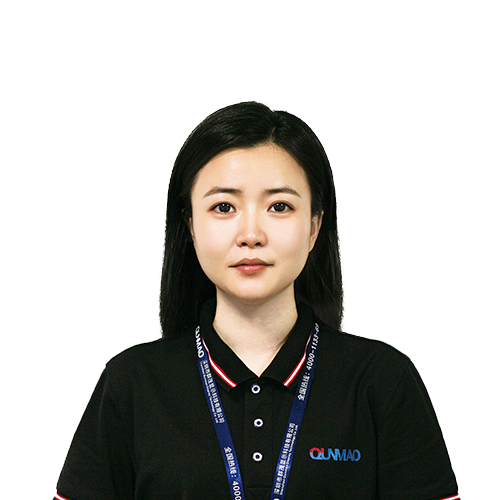
Ceo | interaktīva displeja un sadarbības risinājumu eksperts
Esmu Qtenboard dibinātājs, un man ir vairāk nekā 17 gadu praktiskas pieredzes skārienjūtīgo ekrānu nozarē. Pamatojoties uz globālās vadības perspektīvu, kas iegūta, izmantojot emba studijas šengenas universitātē, es vadu savu komandu, optimizējot katru darbības posmu-no produktu definīcijas līdz augstas efektivitātes piegādes ķēdes pārvaldībai-nodrošinot, ka mūsu ražošanas spējas paliek nozares priekšgalā.
Kā qtenboard līderis, es specializējos, lai nodrošinātu pielāgotus oem/odm risinājumus interaktīvajām tāfelēm, lcd video sienām, ciparu apzīmēm un rūpnieciskās kvalitātes pieskāriena termināļiem. Atbalstīts mūsu 330,000 m² mūsdienu rūpniecības parks shenzhen, mēs uzturēt pilnu dzīves cikla kontroli pār rūpniecisko dizainu, precizitāti ražošanu un stingru veiktspējas testēšanu.
Ar gandrīz divus gadu desmitus ilgu projekta pieredzi, qtenboard displeja risinājumi tagad tiek izvietoti vairāk nekā 120 valstīs un reģionos, nopelnījis vairāk nekā 15,000 uzņēmumu klientu uzticību visā pasaulē. Ja jūs meklējat atsaucīgu partneri ar dziļu ražošanas pamatu jūsu pielāgotiem touch displeja projektiem, mans komanda un es esam gatavi atbalstīt jūsu vīziju ar profesionālu izcilību.

 lav
lav
 EN
EN  pt
pt  spa
spa  th
th  vie
vie  aze
aze  bel
bel  est
est  ukr
ukr  ru
ru