Risinājums-sniedzējs tehniskais īss. Rakstīts av sistēmu integratoriem, uzņēmumu it lēmumu pieņēmējiem un izglītības/publiskā sektora iepirkumu komandām, kas izvērtē displeja infrastruktūru, nevis gala patērētājiem.
Lielākā daļa iepirkumu komandas raksta "touch screen tv" par pirkuma pasūtījumu, jo tas & #039;s pazīstams, lēti-to-pamatot līniju posteni. Reālā izmaksas par šo lēmumu doesn & #039;t parādās pie kases-tas parādās astoņpadsmit mēnešus vēlāk, remonts biļetes, aizturējušās sanāksmēs, un ierīces flote neviens nevar pārvaldīt attālināti. Šis īss iet cauri skaitļiem, pircēja specifiskām prasībām, un jautājumiem iepirkumu komandas uzdot pirms parakstīšanas.
Šis tehniskais pārskats ir paredzēts audiovizuālo sistēmu integratoriem, uzņēmumu IT komandām un izglītības vai publiskā sektora iepirkumu vadītājiem, kuri vērtē komerciālo displeju infrastruktūru. Tas aptver patieso patērētāju pieskāriena televizoru 5 gadu tco biznesa vidē, inženierijas dalījumu (paneļu klase, darba cikls, termiskais dizains, os ekosistēma, konferenču sertifikācija) starp patērētāju televizoriem un industriālajām interaktīvajām displejiem, četrslāņu spēju modelis, pircēja īpašas iepirkuma priekšrocības izglītības, uzņēmumu un integratoru segmentiem, divi pārbaudīti lauka ieviešanas gadījumu izpētes piemēri no Mozambikas un Vjetnamas, trīs piegādātāju riski, kas B2B pircējiem jārisina pirms parakstīšanās, un septiņas bieži uzdotu jautājumu atbildes par garantiju, DMS pārvaldību un pielāgošanu.
Patērētāju segmenta skārienjūtīgais televizors izceļas tikai ar savu vienības cenu – tā kopējās īpašumtiesību izmaksas piecu gadu laikā uzņēmuma vidē parasti ir 2–3 reizes augstākas nekā industriālajam interaktīvajam displejam, ko veicina ierīču nomaiņas cikli, IT darbaspēka izmaksas un dīkstāves laiks.
Pirms salīdzināt funkciju lapas, iepirkumiem ir nepieciešama izmaksu gadījumā-jo zemāka vienības cena ir vienīgais arguments patērētāju touch tv faktiski uzvar.
Patērētāju tv paneļi ir veidoti aptuveni 4-8 stundas ikdienas apskatei ar atdzesēšanas laiku, kas iebūvēts termiskajā dizainā starp sesijām. Sanāksmju telpas, klases un mācību centri, kas regulāri darbojas, parāda 8-12 stundas dienā, piecas līdz sešas dienas nedēļā-tuvāk, lai divkāršotu slodzi, kuram bija paredzēts panelis. Saskaņā ar šo neatbilstību, modelis ziņots komerciālo displeju inženierijas rokasgrāmatas ir konsekventa: backlight un touch-kontrolieris komponenti nospiestas pagātnē to nominālo darba ciklu liecina izmērāmi īsāku izmantojamu mūžu, ar degradēto spilgtumu vai pieskāriena atbilde parasti uzklājas iekšpusē 1,5-2 gadi Nepārtrauktas biznesa izmantošanas, salīdzinot ar a 16/7 vai 24/7-rated commercial panel, Būvēts ar aktīvu siltuma vadību, parasti turēt stabilu veiktspēju pāri 5 gadu (vai ilgāks) izvietošanas logs. Tas ir tipisks nozares diapazons, nevis garantijas par kādu vienību-bet tie ir pamats, uz kura komerciālās displeja nodokļu cikla reitingi ir vispirms.
| Izmaksu līnijas posteņa (5 gadu horizonts) | Patērētāju touch tv | Industriālais interaktīvais displejs |
|---|---|---|
| Vienības pirkšanas cena | Apakšējā priekšā | Augstāks priekšējā (komerciālais panelis, pastiprināta šasija, dubultā os) |
| Paredzamais aizvietošanas cikls | 1,5-2 gadi zem 8-12h/dienā lietošana | 5 years under 16/7 rated use |
| Vienības, kas nepieciešamas, lai segtu 5 gadus | 2-3 vienības (ar nomaiņu piedziņu) | 1 vienība |
| Ikgadējā it darba vietā | Par vienību manuālas apmeklējumi; nav attālinātas flotes skats | Attālā diagnostika un konfigurācija, izmantojot dms |
| Downtime izmaksas par neveiksmi | Istaba/klase neizmantojams, līdz nomainīts vai remontēts | Zemāka neveiksmes frekvence; uz vietas garantijas pārklājuma standarts flotēm |
| Garantijas struktūra | Standarta patērētāju noteikumi, īsāks uz vietas pārklājums | Komerciālās garantijas noteikumi izmērs multi-vienības flotes |
Modelis ilustrē izmaksu kategorijas un virziena ietekmi, pamatojoties uz publicētajiem muitas cikla un garantijas modeļiem komerciālai pret patērētāju displeja aparatūrai. Faktiskie skaitļi atšķiras atkarībā no reģiona, flotes lieluma un lietošanas modeļa-pieprasīt pilnu tco kalkulatoru (skatiet lejuplādējumus zemāk), lai modelētu savu izvietojumu.
Kompozīta modelis redzams pie zem norādītiem izvietojumiem: skolas vai mācību centrs instalē patērētāju touch televizorus, lai ietaupītu sākotnējo ierīces budžetu. Pirmajā akadēmiskajā gadā daļa vienību parāda apgaismojuma aptumšošanu vai pieskārienu dreifu ikdienas klases stundās. Katrs neveiksmes noņem mācību vai sapulču telpu no grafika, līdz tiek iegūts un pārinstalēts nomaiņa panelis-izmaksas, kas parādās kā zaudētās mācību vai rezervēšanas stundas, ne kā līniju posteni ikvienam budžeta.
Tas ir aprēķins iepirkums jāveic pirms salīdzinot uzlīmju cenu vien: (Izmaksas par vienu rezerves vienības pārinstalācijas darbaspēka zaudēja istabu stundas atkritumu laikā) × skaits vienības paredzams, ka neizdosies pirms otrajiem gadiem -Tad salīdzināt šo summu ar cenu prēmiju 16/7-rated rūpniecības paneļa no pirmās dienas.
Atšķirība starp patērētāju skārienekrāna televizoru un industriālo viedo interaktīvo ekrānu izpaužas četros strukturālos faktoros — paneļa klase, rāmja konstrukcija, operētājsistēma un konferenču sistēmas sertifikācija — nevis zīmola līmenī vai cenu kategorijā.
Kad izmaksu pamatojums ir skaidrs, inženiertehniskās atšķirības izskaidro, kāpēc tas ir pamatots.
| Specifikācija | Patērētāju touch tv | Industriālais interaktīvais displejs |
|---|---|---|
| Paneļa klase | Mājas-izklaides tv panelis | Komerciālās klases panelis tuned par ilgstošu statisko saturu |
| Šasija | Plastmasas korpuss, zema strukturālā stingrība | Pastiprināts metāla rāmis nominālā atkārtotu touch impact |
| Orientācija | Ainava-tikai, fiksēta mount | Portrets un ainava uz vienas šasijas |
| Iekļūšanas aizsardzība | Nav novērtēta par putekļu/trieciena iedarbību | Putekļiem noslēgts pieskāriena slānis, anti-sadursmes malas dizains |
| Displeja komforta | Fiksēta krāsu temperatūra | Regulējams zema-zila-gaismas režīmi; Silts gaismas interaktīvs plakanais panelis Iespēja tuvu apskatei |
Rūpniecības paneļi ir novērtēti 16/7 vai 24/7 nepārtraukta darbība, Ar aktīvu termisko vadību un anti-attēlu saglabāšanas algoritmu displejiem, kuros ir statiska plaknes audekls ilgstošiem posmiem-tiešais inženierijas atbilde uz iepriekš aprakstīto kļūmes modeli.
Patērētājs android tv darbojas slēgta os bez flotes pārvaldības āķi un nav ceļa, lai to push konfigurāciju vai vilkt diagnostiku pāri floti telpas. Industriālais Smart interaktīvā ekrāna Ir veidots pretējā veidā: android un windows dubultsistēmu arhitektūra (parasti, izmantojot ops slotu moduli), atvērta api/sdk piekļuve, un atbalsts dms (ierīču pārvaldības sistēma) uzņemšanu, tātad displejs kļūst par pārvaldītu mezglu esošajā it kaudī, nevis par izolētu ierīci.
Pareizais iepirkuma jautājums ir tas, vai displejs var atvērt tālummaiņu vai komandas-tas, vai tas ir tālummaiņu telpas-sertificēta veiktspēja ar ilgstošu slodzi, integrējas kā īsta microsoft teams telpu galapunktu, un saglabā kameras/mikrofona pārošanu un bezvadu koplietošanas protokolus stabilu visā pilnā daudzstundu sesijā ar cilvēkiem, kas pievienojas un atstāj telpu & #039;s tīkls.
Novērtējiet viedo displeju risinājumu piegādātāju, balstoties uz četriem pamatīpašību līmeņiem, nevis funkciju sarakstu: sadarbība, stabilitāte, integrācija un pārvaldāmība.
Multi-touch, palmu noraidīšanas anotācijas arhitektūra, kas ļauj vairākiem dalībniekiem rakstīt, rediģēt, un pārvietot objektus uz vienas audekla vienlaicīgi.
Siltuma, konstrukcijas, un firmware dizains aiz ilgstoša darba cikla darbība: aktīva dzesēšana, pastiprināta šasija, anti-burn-in loģika.
Divu sistēmu arhitektūra, atvērta api/sdk piekļuve un sertificēta konferenču saderība, kas pievieno esošo av un it kaudzi.
Dms reģistrācija, attālināta diagnostika un centralizēta konfigurācija push, kas ļauj vienam it komandai darboties floti bez kravas automašīnas rullīša katrā vienībā.
Izglītības iestāžu pircēji, uzņēmumu IT komandas un sistēmu integratori vienu un to pašu aparatūras kategoriju izvērtē atbilstoši dažādām prasībām – šajā sadaļā ir uzskaitīts, kas ir svarīgs katram no šiem segmentiem.
Divi zemāk sniegtie gadījumu pētījumi ilustrē, kā industriālie interaktīvie displeji risina konkrētus izvietošanas ierobežojumus skarbu apstākļu izglītības un daudzu universitātes kampusu hibrīdās mācīšanas scenārijos — viens no Mozambikas un otrs no Vjetnamas.
Kompozītu gadījumu pētījumi, strukturēti no tipiskiem ievietošanas modeļiem šajās projektu kategorijās; anonimizēti saskaņā ar klienta konfidencialitāti. Klientu paziņojumi zemāk ir reprezentatīvi atgriezeniskās saites tēmas, ko informē integratori par salīdzināmiem projektiem, nevis burtiski citāti no nosaukta indivīda.
Provinces valdības pārvaldīta profesionālās apmācības institūts mozambikā nodrošina tehnisko apmācību vietējo jauniešu un in-service skolotājiem, kas aptver elektrotehnikas, auto remonts, lauksaimniecības un mežsaimniecības praktiskos kursus. Campus sastāv no vairākām mācību ēkām ar visu gadu ikdienas sesijas.
Ierobežots ar vietējo infrastruktūru, lielākajai daļai klasēs nav pilna dienas gaisa kondicionēšana, radot vidi ar augstu temperatūru un smago putekļu karstā gadalaikos. Ikdienas mācību sesijas ilgst 10-12 stundas, kas darbojas sešas dienas nedēļā.
Campus iepriekš balstījās uz tradicionālajām projektoriem pārī ar pamata whiteboards. Tikai divi diennakts it darbinieki pārvalda aprīkojumu desmitiem klasēs, pavadot pārmērīgu laiku ceļojot starp ēkām rutīnas pārbaudes un avārijas remontu.
1. projektors lampas cieta paātrinātu nodilumu smagos vietējos apstākļos, prasa bulk nomaiņa ik pēc 3 mēnešiem un radīt atkārtotas administratīvās un iepirkumu izmaksas.
2. augsta siltuma un putekļu stipri sabojāja projekcijas spilgtumu. Pēcpusdienas saules spīdums padarīja uz ekrāna mācību materiālus nelasāmi praktiskiem apmācībām, kas traucē praktiskos praktiskos apmācību.
3. tālvadības ierīces uzraudzības platforma nebija pieejama. Traucējumi, piemēram, melnie ekrāni, sistēmas sasaldējumi un patoloģiska gaidīšanas režīma enerģijas patēriņu varēja diagnosticēt tikai uz vietas tas apmeklējumi, ar nulles iepriekš kļūdas brīdinājumus.
4. parastās tāfeles atbalstīja tikai fizisko rokrakstu bez digitālās saglabāšanas vai satura sinhronizācijas. Soli pa solim apmācības piezīmes nevar dalīt digitāli pēc klases pārskatīšanai vai attālinātā papildu mācīšanās.
1. aparatūra būvēta, lai izturētu skarbus vietējos apstākļus: pilnībā aizzīmogotas putekļu necaurlaidīgas pieskares slāņi, pastiprināta metāla šasija ar augstas temperatūras toleranci, kas atbalsta 12 stundas nepārtrauktu diennakts darbību.
2. all-in-one integrēta mācību funkcionalitāte, ieskaitot digitālo anotāciju, failu glabāšanas un bezvadu liešana, lai pilnībā aizstātu atsevišķu projektora-whiteboard iestatījumu.
3. centralizēta dms tālvadības sistēma vienotai ierīces tiešsaistes stāvokļa, iekšējās temperatūras un kļūdu brīdinājumu reālā laika uzraudzībai visās campus vienībās, kā arī attālinātiem firmware atjauninājumiem un mācību materiālu izplatīšanai.
4. komerciālā ilgtermiņa garantija, kas pielāgota augsta temperatūras, putekļaina darbības vidē, lai samazinātu ilgtermiņa pēcpārdošanas nomaiņas izdevumus.
1. hardware: pilnībā aizzīmogoti putekļu necaurlaidīgie infrasarkanie skārienekrāni ar pastiprinātiem auksti velmētiem metāla rāmjiem un veltītiem aktīvajiem dzesēšanas kanāliem, kas ir ideāli piemēroti nekondicionētām karstām klasēm. Daudzpunktu rakstīšana un palmu noraidīšana atbalsta vienlaicīgu anotāciju vairākiem praktiskajām darbnīcām.
2. management: visi paneļi, kas savienoti ar campus ekskluzīvu cloud dms backend. Tā administratori uzrauga iekārtas darbības laiku, iekšējo temperatūru un tiešsaistes statusu no vienas biroja, attālināti push mācību kursu un bloķēt neautorizētās trešo pušu lietojumprogrammas vienveidīgi.
3. ieviešanas fāzes: pilna campus nomaiņa ieviesta 3 fāzes laikā brīvdienu un nedēļas nogalē pārtraukumu, lai izvairītos no traucējumiem plānotās apmācības. Rezerves vienības tika iepriekš uzglabātas katrā ēkā, lai veiktu tūlītēju avārijas maiņas.
32 apmācību telpas visā kampusā tika pabeigtas trīs brīvdienu posmos. Aprīkojums tika izgatavots un 45 dienas pirms termiņa nosūtīts uz vietējām ostām muitas noformēšanai un piegādei, vienlaikus nodrošinot praktisku DMS darbības apmācību universitātes IT komandai.
Vadošā privātā izglītības grupa darbojas četras pilsētiņās visā hanoja un hošimina, piedāvājot bakalaura un profesionālo grādu programmas. Universitāte ieviesa hibrīda mācību kā pamata akadēmisko standartu: lielās lekciju zāles ietilpst simtiem personu studentiem, bet tiešraides sesijas attālinātiem nepilna laika skolēniem un starptautiskās apmaiņas studentiem pievienojas praktiski.
Pirms uzlabošanas, klasēs bija aprīkots ar atdalītu kombināciju patērētāju viedtelevizoru un novecojušiem projektoriem bez vienotas vadības sistēmas, kas noved pie pastāvīga nestabilitāte laikā tālvadības lekcijas un konsekventu sūdzību no skolotājiem.
1. patērētāju klases televizoriem un projektoriem neizdevās uzturēt stabilas 2-3 stundu zoom telpu sesijas, bieži cieš rāmja sasaldēm, mikrofona atvienošanās un liešanas atkritumi, kas izraisīja attālināto studentu izlaist kritisko lekciju saturu.
2. dzimtā ekrāna anotācijas rīki nebija pieejami. Instruktori bija spiesti anotēt slaidus uz personīgiem klēpjdatoriem, nevis uz galveno displeju, ar dzīvu rokrakstu neredzams attālinātiem dalībniekiem.
3. izkliedēta iekārta trūka centralizētu pārraudzību. It komandas četros pilsētiņās nevarēja vienmērīgi pārbaudīt ierīces jaudas stāvokli, firmware versijas vai kļūdu žurnālus, prasot manuālas apmeklējumus uz vietas katram sistēmas atjauninājumam.
4. specializētā kursu darbs balstījās uz windows tikai profesionālo mācību programmatūru, ko patērētāju android televizori nevarēja atbalstīt, piespiežot netīrs papildu klēpjdatoru elektroinstalācijas katrā lekciju telpā.
1. zoom telpas sertificētas komerciālās interaktīvās paneļi, kas izstrādāti stabilām daudzstundu virtuālajiem sesijām ar bezšuvju integrāciju campus ptz kameras un mikrofona masīviem.
2. dual-system arhitektūra: viegls native android os tūlītējai digitālajai anotācijai, apvienota ar maināmiem ops windows moduļiem, lai palaistu disciplīnai specifisku akadēmisko programmatūru.
3. cross-campus dms centralizēta vadība, lai ļautu vienotu backend uzraudzību visiem hanoi un ho chi minh city ierīcēm, atbalstot attālo firmware ieviešanu un reālā laika aparatūras diagnostiku.
4. pagarināta komerciālā garantija, kas paredzēta ikdienas 8-10 stundas smago universitāšu lietošanai, lai samazinātu lielas pēcpārdošanas izmaksas vairākos pilsētiņās.
1. dual-system saderība: hot-swappable ops windows moduļi darbojas specializētu dizainu, statistiku un inženierzinātņu mācību programmatūru. Iebūvētais android slānis nodrošina reālā laika daudzkrāsu anotāciju, formas zīmējumu un slaidu taupīšanu, kas sinhronizēts tiešraidē, lai palielinātu attālinātos dalībniekus.
2. konferenču optimizācija: pilnībā zoom telpas sertificēta aparatūra ar spēcīgu uzņēmuma bezvadu liešanas, dzimtenē kopā ar esošo lekciju zāles kameru un mikrofona aparatūru sinhronizētu audio-video un tiešraides digitālo whiteboard koplietošanai.
3. Centrālizēta kontrole visā universitātes teritorijā: visas ierīces ir pievienotas grupas vienotajai mākoņa DMS platformai, ko izmanto IT darbinieki Hanojā un Hošiminā. Komandas var attālināti vienlaikus atjaunināt programmaparatūru, ierobežot piekļuvi neizglītojošām lietotnēm un eksportēt pilnus iekārtu darbības pārskatus, nenodrošinot starppilsētu braucienus.
4. stage instalācija: būvniecība plānota tikai starp akadēmiskajiem semestriem, ar 10-15 lekciju zālēm uzlabotas katrā posmā, lai izvairītos no traucējumiem aktīvo mācību termiņus.
68 lielas lekciju zāles četros hanoja un hošimina pilsētas pilsētiņās, kas pabeigti četros brīvdienu uzstādīšanas posmos. Aprīkojums, kas nosūtīts sadaļās partijās uz vietējām vjetnamiešu noliktavām, apvienots ar pilnu dms platformas apmācību av komandām abās pilsētas pilsētiņās.
Par konkursu un iepirkumu dokumentāciju, pieprasījums qtenboard & #039;s pašreizējā atbilstības pakete tieši-komerciālā displeja ieviešanas parasti prasa apstiprinājumu par elektrisko drošību, emc, un rohs atbilstība kopā ar jebkuru reģionam specifisku importa sertifikāciju un konferenču platformas sertifikācijas statusu (e.g. palielināt telpas), ja ir piemērojams. Sertifikātu numuri un apjoms atšķiras atkarībā no modeļa un galamērķa tirgus, tāpēc integratoriem jāapstiprina pašreizējā dokumentācija konkrētajam sku un valsts projektā.
Iepirkumu komandas, kas izvērtē jaunu piegādātāju, pirms liela pasūtījuma uzdod trīs jautājumus: piegāžu nepārtrauktība, pēcpārdošanas atbalsta klāsts tirgū un pielāgošanas elastība, un šo jautājumu risināšana jau iepriekš ir daļa no tehniskās novērtēšanas, nevis kaut kas, par ko domā tikai vēlāk.
Beramkravu pasūtījumi būtu jāplāno pret apstiprinātiem ražošanas spēļu automāti un jūras kravu grafikiem, nevis mazumtirdzniecības stila izpildi pēc pieprasījuma. Vairāku vietņu noregulējumiem, pieprasīt piegādes grafiku sadalīti fāzēs, kas atbilst jūsu uzstādīšanas kalendārs (e.g. g., starp akadēmiskajiem termiņiem vai fiskālajiem kvartāliem), nevis vienotu visu vienreizējo sūtījumu datumu.
Jautājiet jebkuram piegādātājam tieši par to vietējo vai reģionālo pakalpojumu tīkla pārklājumu, standarta detaļu nomaiņas laiku, un konkrētie noteikumi uz vietas vs carry-in garantijas pārklājumu pirms parakstīšanas-šie noteikumi būtu dokumentēti katrā reģionā, nepieņemts, ka atbilst ražotājam & #039;s mājas tirgus politika.
Apstipriniet pieejamos paneļa izmērus, divu sistēmu operētājsistēmas konfigurācijas opcijas, un vai reģionam konkrētā mācību vai konferenču programmatūra var būt iepriekš uzstādīta rūpnīcā vai iestudēta integrācijas laikā-tas nosaka, cik daudz konfigurācijas darbs ietilpst integratoram pēc piegādes, salīdzinot ar to, kas tiek apstrādāts augšā.
Skārienjūtīgs televizors sākotnēji ir izklaides ekrāns ar pievienotu skārienjūtības funkciju; interaktīvā tāfele (rūpnieciskas kvalitātes interaktīvs plakans panelis) ir izstrādāta, sākot no paneļa kontroliera līdz daudzskārienu sadarbībai un nepārtrauktai ikdienas darbībai, Un uzņēmuma sistēmas integrācija-ieskaitot dms pārvaldību un sertificētu konferenču veiktspēju, ko patērētāju tv mikroshēmojums nekad nav paredzēts, lai atbalstītu.
Patērētāju televizori ir paredzēti apmēram 4-8 stundas ikdienas lietošanai ar atdzesēšanas periodu; iespiestas 8-12 stundu dienas sapulču telpā vai klases apkalpošanā, degradētā spilgtums vai pieskāriena atbilde parasti parādās 1,5-2 gadu laikā. Paneļi, kas tiek vērtēti par 16/7 vai 24/7 nepārtrauktu darbību, ir būvēti ar aktīvu siltuma vadību, īpaši, lai uzturētu ilgāku darba ciklu, parasti turēt stabilu veiktspēju 5 gadu vai vairāk.
Saderība ir atkarīga no sertifikācijas, ne tikai lietotņu pieejamību. Displejs, kas darbojas ar zoom rooms-sertificēta konfigurācija vai integrēts kā dzimtā komandas rooms endpoint ir apstiprināts stabilu veiktspēju ar kameras un mikrofona perifērijas ierīces pilnu sapulču sesijām-būtiski atšķirīgs joslu nekā vienkārši spēj atvērt lietotni.
Acu komforta ifpd parasti ietver regulējamus zila gaismas displeja režīmus, un, dažās produktu līnijās, silta gaismas interaktīvā plakanā paneļa opcija, kas nobīda krāsu temperatūru, lai pagarinātu tuvu skatīšanu-kas ir piemērots klasēm un mācību telpām, kur skolēni saskaras ar paneli stundām vienlaicīgi.
Jā, ja platforma atbalsta dms (device management system) uzņemšanu. Tas ļauj vienai it komandai push firmware atjauninājumus, ierobežot lietojumprogrammas instalācijas, un uzraudzīt ierīces veselību visā flotes telpas attālināti, nevis prasa uz vietas apmeklējumu katrā vienībā.
Četru vai vairāku vienību izvietošanai apstipriniet komerciālo nodokļu cikla reitingu (16/7 vai 24/7), uz vietas nodrošināto garantiju segumu, kas izmēra flotes mērogā, un dokumentēto konferenču sertifikāciju, tā kā patērētāju kvalitātes garantijas nosacījumi parasti ir īsāki un don & #039;t veido nepārtrauktu komerciālo izmantošanu.
Izmēra, dual-system os konfigurācija, un iepriekš uzstādīšana reģionam konkrētā mācību vai konferenču programmatūra parasti ir pieejama projekta pasūtījumiem-apstipriniet precīzas iespējas ar risinājumu inženieri pret jūsu projekta specifikāciju, pirms pabeigt cenu.
Neatkarīgi no tā, kas sēž-campus iepirkumu, enterprise it, vai sistēmu integrācija-nākamais solis ir saruna par jūsu konkrēto specifikāciju, nevis vispārēju citātu.
Pieejamas detalizētas specifikācijas acu aizsardzības paneļiem ar samazinātu zilās gaismas līmeni, centralizēta DMS autoparka pārvaldība partiju veidā un ekskluzīvas vairumtirdzniecības cenas ikgadējām akadēmisko kampusu ieviešanas programmām.
Apskatīt izglītības specifikācijas →Lejupielādēt mūsu pilnu oficiālo produktu katalogu, lai salīdzinātu konferenču sertifikācijas standartus, daudzistabu attālo dms vadības risinājumus un uzņēmuma klases displeja parametrus.
Lejupielādēt produktu katalogu (PDF)Konsultējieties ar mūsu specializēto risinājumu inženieri ražošanas izpildes laikiem, "turnkey" komplektiem projektu paketes, globālo pēcpārdošanas servisu un ekskluzīvu kanālu partneru atbalstu.
Runāt ar risinājumu inženieri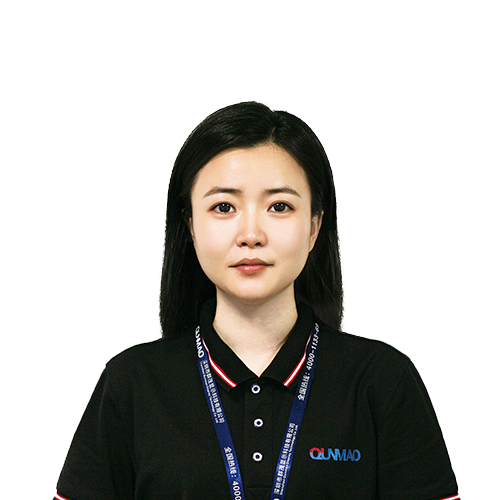
Ceo | interaktīva displeja un sadarbības risinājumu eksperts
Esmu Qtenboard dibinātājs, un man ir vairāk nekā 17 gadu praktiskas pieredzes skārienjūtīgo ekrānu nozarē. Pamatojoties uz globālās vadības perspektīvu, kas iegūta, izmantojot emba studijas šengenas universitātē, es vadu savu komandu, optimizējot katru darbības posmu-no produktu definīcijas līdz augstas efektivitātes piegādes ķēdes pārvaldībai-nodrošinot, ka mūsu ražošanas spējas paliek nozares priekšgalā.
Kā qtenboard līderis, es specializējos, lai nodrošinātu pielāgotus oem/odm risinājumus interaktīvajām tāfelēm, lcd video sienām, ciparu apzīmēm un rūpnieciskās kvalitātes pieskāriena termināļiem. Atbalstīts mūsu 330,000 m² mūsdienu rūpniecības parks shenzhen, mēs uzturēt pilnu dzīves cikla kontroli pār rūpniecisko dizainu, precizitāti ražošanu un stingru veiktspējas testēšanu.
Ar gandrīz divus gadu desmitus ilgu projekta pieredzi, qtenboard displeja risinājumi tagad tiek izvietoti vairāk nekā 120 valstīs un reģionos, nopelnījis vairāk nekā 15,000 uzņēmumu klientu uzticību visā pasaulē. Ja jūs meklējat atsaucīgu partneri ar dziļu ražošanas pamatu jūsu pielāgotiem touch displeja projektiem, mans komanda un es esam gatavi atbalstīt jūsu vīziju ar profesionālu izcilību.

 lav
lav
 EN
EN  pt
pt  spa
spa  th
th  vie
vie  aze
aze  bel
bel  est
est  ukr
ukr  ru
ru