Lennujaama käitajate, raudtee- ja bussiterminali juhtide, turismiasutuste, külastajate-keskuste meeskondade, sihtkoha haldamise organisatsioonide jaoks; avaliku sektori hangete osakonnad, AV konsultandid ja transpordisüsteemi integraatorid; LCD videoseina ei tohiks hinnata iseseisva reklaami kuvarina.
Transpordi- ja turismikeskkonnas on kuvasüsteem osa avaliku teabe infrastruktuurist. See võib vaja juhtida reisijaid läbi terminali, edastada teenuse muutusi, näidata mitmekeelset teavet külastajatele, edendada sihtkohta, avaldada ilmastiku- või rahvahulga uuendusi ja anda lubatud hädaolukordade side. Süsteem peab töötama tavapäraste lennutegevuste ajal, liikumisperioodidel ja teenindushäirete ajal.
Käesolev juhend on ette nähtud rahvusvaheliste B2B projektide jaoks, mis hõlmavad lennujaamad, raudteejaamad, bussiterminalid, praamiterminalid, külastajate keskused, turismi rajatised, maalilised sihtkohad, kultuuriplatsid, sihtkohtade näituskeskused, ja segatranspordi- ja turismisüsteemide keskused. See on struktuur ümber küsimusi, mida hankijad, integraatorid ja rajatised operaatorid peavad vastama enne RFQ ettevalmistamist, süsteemi arhitektuuri määratlemine või kuva konfiguratsiooni valimine.
Kes on Qtenboard selles kontekstis? Qtenboard on lähtevabrik, mis on spetsialiseerunud LCD video seina lahendustele - katab disain, tootmine, süsteemi integratsioon, ja pikaajaline toetus. Üle 20 aasta kogemus professionaalse kuva tehnoloogia ja 330000m s iseomandis tootmisbaas, Qtenboard pakub täielikku LCD video seina süsteemi, mitte ainult paneelid. Transpordi- ja turismiprojektide puhul tähendab see üht vastutustundlikku partnerit, mitte mitme vastutustundliku vastutuse asemel.
Reisija saabub lennujaama, rongijaama, bussiterminali, külastajakeskus, või maaliline atraktsioon on sageli piiratud aega otsuse tegemiseks. Nad peavad teadma, kuhu minna, kas teenus on muutunud, milline platvorm või värava kehtib, kust leida piletikontor, kuidas jõuda ülekandepunkti, millised ilmastikutingimused võivad külastust mõjutada või kust saada abi.
Staatilised plakatid ja tavalised signaalid on jätkuvalt kasulikud püsiva teabe saamiseks, kuid need ei ole mõeldud dünaamilisteks tingimusteks. Trükitud ajakava ei reageeri platvormi muutumisele. Fikseeritud kaart ei saa ajutiselt suunata inimesi ümber suletud marsruudi. Paberi ohutusteatist ei saa avariiolukorras esikohale määrata. Individuaalne ekraan, mis kasutab kohalikku USB taasesitust, ei saa pakkuda kontrollitud kirjastust üle terminali, jaama, külastaja keskuse, ja avalik ooteala.
Hankeotsus ei käsitle seega üksnes suurema kuvapinna loomist. See on keskkonna loomine, kus heakskiidetud informatsiooni saab avaldada õigele publikule, õigel ekraanil, õiges keeles, õigel ajal.
LCD videoseinad on kõige tõhusamad, kui nende roll määratleb töövööndis. Suur peasaali kuvar võib olla vaja esitada kombinatsioon reisijate teabest, sihtkoha sisu ja teenuse sõnumitest. Transpordikoridor vajab lühikest suunamist. Külastajakeskus võib vajada kaarte, pileti juhendamist, ilma uuendusi ja kohalikku atraktsiooni infot. Turismi näitusesaal võib keskenduda sihtkohtade jutustamisele ja vastuvõtu sisule.
| Asukoht | Peamine tegevusülesanne: | Sisu prioriteet | Süsteemi nõue |
|---|---|---|---|
| Lennujaama terminali sissepääs | Abi reisijatel mõista | Lennuteave, registreerimisjuhend, terminali suunas, reisijate teated, ohutusteated | Tsoonil põhinev CMS, mitmekeelsed vormid, prioriteetsed sõnumid, integratsiooni läbivaatamine heakskiidetud lenuandmete jaoks |
| Raudtee- või bussijaama kohta | Toetusväljumised, saabumised, platvormid, transpordid | Ajaplaanid, platvormi või lahtri info, viivitused, üleviimise marsruudid, väljumise suund, avalikud teated | Reaalajas andmete töövoog, selge sisu hierarhia, ekraani rühmitus, hädaolukordade tühistamise protsess |
| Laevaterminali või sadamate ootepiirkond | Reisijate juhtimine, järjekordade, ohutusprotseduuride ja marsruudi uuenduste kaudu. | Väljumisinfo, pardalemineku juhendamine, ilm, ohutussõnumid, marsruudi muutmine | Pikad töötundid, loetavad mallid, heakskiidetud andmeallikas, hooldusjuurdepääsu planeerimine |
| Külastuskeskuse sissepääs | Enne visiidi alustamist kohalikke ja rahvusvahelisi külastajaid | Kaardid, lahtiolekuajad, piletid, ilm, marsruudi nõustamine, ohutusnõustamine, sündmused | Mitmekeelne sisu, ikoonipõhine viieotsing, planeeritud uuendused, kohaliku tegevuse teave |
| Scenic ala oodanud tsoon | Juhtida järjekordade, marsruutide kättesaadavust, ilmastikuhoiatusi, külastajate voogu ja ajutise sulgemine | Järjekorra staatus, marsruudiinfo, ilm, ohutusteated, tegevuskava, teenuse uuendused | Kaugkirjastamine, tsoonipõhised uuendamised, hädaolukordad, keskkonnahindamine |
| Sihtkoha näitus keskus | Turismi ressursside, kultuuri, ürituste, investeerimisvõimaluste ja ametlike külastajate sisu | Sihtkoha filmid, kaardid, kultuurilood, ürituste ajakavad, avaliku teabe | Suure vorminguga visualiseerimine, mitmeallika sisend, esitlusrežiim, struktureeritud sisu haldamine |
Sama kuva tehnoloogia saab toetada erinevaid funktsioone, kuid iga sisu tüübi ei tohiks käsitleda samal viisil. Lahkumissõnum, turismikampaania, ohutushoiatus, ja kommertsreklaam ei tohiks konkureerida samal ekraanil. Süsteem peab määratlema sisu hierarhia ja tegevusprioriteedi.
Järeldus esiteks: LCD video seinad võivad pakkuda suure, koordineeritud kuvapinna siseruumide terminalide, külastajate keskuste, oote-, transpordi-, ja sihtkoha näitusruumid. Siiski, LCD paneelid on füüsilised tasad. Koos tuleb kavandada paneeli kujundus, vaatamiskaugus, sisu paigutamine ja infotihedus.
See on oluline, sest transpordi- ja turismialadel on väga erinevad vaatamistingimused. Reisija, kes seisab eskalaatori lähedal, võib ekraani vaadata vaid mõned sekundid. Reisijal, kes on ootepiirkonnas, võib olla rohkem aega lugeda ajakava või ohutussõnumit. Näituskeskuses külastaja võib vaadata sihtkoha videot kaugemalt. Sama ekraani disaini ei tohiks kopeerida kõigis nendes asukohtades.
Oluline sisu nagu platvormi numbrid, värava suunad, marsruudinooled, QR-koodid, pileti juhised, avariiväljapääsud, või evakuatsiooni sümboleid ei tohi asetada paneeliühendusele. Väiksemad tekstid ja üksikasjalikud kaardid nõuavad hoolikamat paigutuse planeerimist. Suures konkurentsis, laiem LCD video seina võib sobida suurema visuaalse, struktureeritud reisijate teabe, või mitu infoakna.
Varajase etapi planeerimiseks kasutada LCD video seina suurus kalkulaator Ekraani kogulaiuse ja kõrguse hindamiseks paneeli suuruse, valguse ja rea-ja-veeru konfiguratsiooni alusel. See aitab hankimisrühmadel võrrelda võimalikke paigutusi tegeliku seinaruumiga enne monteerimist, kaablid, kontrollerid, ja juurdepääs hooldusele.
Järeldus esiteks: Ekraani heledus on ainult üks osa nähtavusest. Edukas transpordi või turismi kasutuselevõtmine peab arvestama välisvalgust, peegeldusi, siseruumides ja välistingimusi, näitab töötunde, ventilatsiooni, hoidmiskoha disain, hooldusjuurdepääs ja valitud kuvaritehnoloogia.
Siseterminalid, külastajate keskused ja ooteajad on sageli suured aknad, klaasist sissepääsud, peegeldavad põrandad, valgustus ja muutuvad päevavalgustingimused. Klaasseina vastas asuv kuvar võib vajada teistsugust planeerimist kui varjatud koridoris paigaldatud. Ekraani lähedal paiknev sissepääs võib kogeda tolmu, temperatuuri muutusi, niiskust, või päikesevalgusega kokkupuute, mis nõuab teistsugust keskkonnahindamist.
Ei ole täpne eeldada, et üks LCD konfiguratsioon sobib iga transpordi või turismi asukoha jaoks. LCD siseseinad videoseinad võivad olla sobivad kaitstud avalikes ruumides, kus paneeli eredus, vaatamiskaugus, paigaldusmeetod; tegevuskava ja hooldustingimusi on nõuetekohaselt hinnatud. Välis- ja poolvälised asukohad võivad nõuda kinnisvarakaitse, soojusjuhtimise, keskkonnakaitse ja kuvaritehnoloogia eraldi hindamist.
Hankedokumendid tuleks määratleda tegelik seisund, mitte kasutada ainult üldisi mõisteid, näiteks „kõrge heledus” või „kõigi ilmastikukäitumine”. Tarnijalt tuleks paluda kinnitada valitud mudeli töötingimused, paigaldusnõuded, ventilatsiooni soovitused, hooldusmeetod, garantii ulatus ja kavandatav kasutusprofiil.
Järeldus esiteks: Transpordi või turismi kuvasüsteem peab eristama kavandatud sisu ja tegevusteabe vahel. CMS peaks haldama tavalist sisu, dünaamilisi andmeid, reklaami, külastajate juhendamist; ja erakorralised sõnumid vastavalt määratletud prioriteetsetele eeskirjadele.
Transpordikeskkonnas võib kuval olla vaja näidata lennuinfot, rongi väljumise andmeid, platvormi uuendusi, pardaleminekujuhiseid; ilmastikutingimused, teenusehäired, avalikud teated ja reklaam. Turismikeskkonnas võib ekraanil näha lahtiolekuajad, marsruudiinfo, ilmastiku, pileti juhendamine, ürituse ajakavad, rahvahulga juhtimise sõnumid, kaardid ja sihtkoha sisu. Need andmetüübid võivad pärineda eri osakondadest või süsteemidest.
Risk on eeldades, et iga süsteem saab lihtsalt “automaatselt ühendada.” Integratsioon tuleb määratleda olemasoleva API, andmevormingu, ajakohastamissageduse, võrgupoliitika, turvanõuete abil, andmete omandiõigus ja vastutusmaatriks. Ekraani tarnija, CMS pakkuja, transpordi-andmete pakkuja, AV integraator, IT osakond, ja kõik käitajad võivad olla lõppsüsteemis erinevad rollid.
| Sisu kategooria | Tüüpiline allikas | Prioriteetse tase | Hankenõue |
|---|---|---|---|
| Kavandatud turism või kaubamärgi sisu | Turundus- või turismi kommunikatsioonimeesa | Normaalne | CMS esitusnimekirjad, ajakava, sisu heakskiitmine, aegumiskuupäevad, ekraani rühmitamine |
| Külastajate juhised ja teeotsingud | Teenused, külastajate teenused või varahaldus | Kõrge | Loetavad mallid, mitmekeelsed versioonid, asukohas spetsiifilised ekraani paigutused |
| Reaalajas transpordi või teenuse andmed | FIDS, PIDS, lähetus, piletite, ilmastiku, järjekord või operatsiooniplatvorm | Kõrge | Määratud andmete liides, värskendada sagedust, tagavarakäitumine, andmevastutuse maatriks |
| Teated | Volitatud rajatise või transpordi töötajad | Kõrge | Rollipõhine kirjastamine, heakskiitmise töövood, ekraanivööndid, auditeerimisdokumendid |
| Hädaolukorra teave | Lubatud ohutus-, turvalisus- või hädaolukorra juhtimisrühma | Kriitiline tähtaeg | Ümberlaadimine maatriks, eelnevalt heakskiidetud mallid, volitatud kasutajad, testimise ja taaskasutamise menetlus |
Kuidas Qtenboard selle lahendab: Qtenboard pakub pilvepõhise sisuhaldussüsteemi (CMS), mis võimaldab kaugsisu avaldamist, ekraani rühmitamist, reaalajas plaanimine ja seadmete jälgimine kõikjal maailmas. CMS toetab mitme tsooni jagatud ekraani paigutusi, rollipõhine juurdepääsu kontroll admin autentimise ja taasesituse logi, ja hädaolukordade tõukevõime, mis võimaldab transpordi- ja turismioperaatoritel juhtida sisu erinevates tsoonides, keeltes, ja teabeallikad ühelt platvormilt. Projektide puhul, millel on ranged andmete suveräänsuse nõuded, pakub Qtenboard ka äriruumide CMS kasutuselevõttu.
Järeldus esiteks: Erakorraline kirjastamine ei ole üks tunnus. See on operatiivne töövoo, mis hõlmab volitatud kasutajaid, heakskiidetud malle, prioriteedieeskirjad, ekraani grupid, võrgu vastupidavus, katsemenetlused ja määratletud protsess normaalse sisu taastamiseks.
Lennujaamas, raudteejaamas, bussiterminalises, praamiterminalis või maastikul võib üldsus vajada kiiresti teavet teenuste häirete, ilmastikuriski kohta, marsruudi sulgemine, rahvahulga liikumine, ajutised juurdepääsu piirangud, evakuatsioon või ohutusjuhised. Tavaline reklaam sisu ei tohi nende sõnumitega edasi lükata ega konkureerida.
Süsteem peab siiski takistama lubamatu või ebaõige hädaolukorra sisu avaldamist. Projektis tuleks määratleda, kes suudab avariirežiimi aktiveerida, kas on vajalik teine heakskiit, milliseid ekraane mõjutatakse; millised keeleversioonid on saadaval, kui kaua teated jäävad aktiivseks ja kes kinnitab, et tavaline esitusnimekiri on taastatud.
Kuidas Qtenboard toetab hädaolukordade töövoogude:Qtenboard's CMS platvorm sisaldab hädaolukordade tõukefunktsiooni, rollipõhiseid õigusi admin autentimisega, ja reaalajas seade online / offline staatuse jälgimine. Missiooni kriitiliste transpordi- ja turismikeskkondade puhul Qtenboard' süsteemid on projekteeritud 24/7 katkestamata tööstusliku DID paneelid ja professionaalsed video seina kontrollerid. Iga paneel läbib 48-tunnise pideva vananemise testimine ja värvikalibreerimine, et tagada pikaajaline usaldusväärsus - sest hädaolukordade ühenduse on ainult sama usaldusväärne kui riistvara, mis seda pakub.
Enne hädaolukorda tuleks katsetada kuvavõrku. Heakskiitmisprotsess võib hõlmata hädaolukordade avaldamise harjutust, ekraanirühma sihtkatset, võrgu katkestustesti; kohalik taastumise test ja taastumise test. Need on olulisemad projektinõuded kui üldised lubadused „täiseekraaniga hõlmatud”.
Järeldus esiteks: Rahvusvaheline reisijate ja külastajate teave nõuab rohkem kui tõlgitud tekst. See nõuab sisu-valitsemise mudeli, mis arvestab keelehierarhia, fondi tugi, visuaalseid sümboleid, lugemissuund, kontrasti, pealdistamine, kuva kestus ja üldkasutatavus.
Turismi- või transpordikeskus ei pruugi külastajad mõista kohalikku keelt, nad võivad olla ajasurve all ja neil võib olla erinevad juurdepääsetavuse vajadused. Rändur, kes üritab leida platvormi või turisti, kes püüab leida turvalist jalutuskäiku, ei peaks pikka aega dekodeerima. teksti lõigud. Selge nooled, järjekindlad ikoonid, lühikese sõnastuse, sobiv värvikontrast, ja mitmekeelsed mallid muudavad avaliku teabe mõistmise lihtsamaks.
Mitmekeelne disain on ka tehnilised tagajärjed. Erinevates keeltes kasutatakse erinevaid teksti pikkuseid. Mõned keeled vajavad paremalt vasakule paigutust. Kõik fondid ei toeta iga tähestiku või eripära. Hädaabisõnumid vajavad eelnevalt heakskiidetud tõlke enne intsident, mitte pärast. Seetõttu tuleks keelehaldus hõlmata CMSi töövoogude ja sisu-malli spetsifikaatidesse.
| Avaliku teabe nõue | Projekti riski eiramisel | Soovitatav disain või süsteemi toiming |
|---|---|---|
| Loetav tekst ja hierarhia | Külastajad ei saa suunistest aru enne reisiotsuse langetamist. | Sisu mallide määramine kauguse vaatamise teel, lühikeste sõnumite kasutamine ja tihedate paigutuste vältimine |
| Kontrast ja pimestamine | Teksti muutub raske lugeda eredades saalides, aknade lähedal või peegeldava valgustuse all. | Vaadake tegelikku valgustust, sisu kontrasti, paneeli paigutamist ja ekraani orientatsiooni enne paigaldamine |
| Mitmekeelne paigutus | Tõlked muutuvad rahvast rahvast, vastuoluliseks või sobimatuks saadaoleval kuvaalal | Heakskiidetud malle, toetatud fondide, keeleprioriteedi reeglite ja ülevaadatud tõlked |
| Ikoonid ja visuaalsed juhendid | Külastajad sõltuvad teksti, mida nad ei pruugi aru ajal tundliku liikumise ajal ei mõista. | Tunnustatud ikoonide, noolte, värvikoodete ja lihtsate marsruudi struktuuri kasutamine kirjaliku teabe toetamiseks |
| Pealkirjad ja alternatiivne juurdepääs | Oluline teave sõltub ainult heli- või lühiajalisest visuaalsest sisus | Kasutada vajaduse korral pealdisi ja pakkuda täiendavat juurdepääsu teenindustöötajate, trükitud juhendite või juurdepääsetavate digitaalsete kanalite kaudu. |
Järeldus esiteks: Transpordi- ja turismiprojektide praegune suund ei ole lihtsalt „suuremad ekraanid”. See on üleminek isoleeritud taasesitusseadmetelt ühendatud infovõrkudele, mida reguleerivad sisu eeskirjad, andmeliidesed, seire, ja tegevusprioriteedid.
Varasemates kasutamistes mängisid üksikud ekraanid sageli kohalikku sisu USB salvestist või eraldi meediamängijatest. Selline lähenemisviis võib endiselt toimida lihtsalt staatilisel sidel, kuid on raske hallata, kui alal on mitu terminali, platvormi, külastajatsoonid, keeled ja teabeallikad.
Kaasaegsed projekti spetsifikatsioonid küsivad üha enam, kuidas ekraanid rühmitatakse, kuidas sisu heaks kiidetakse, kuidas reaalajas teavet käsitletakse; kuidas seadme tervist jälgitakse, kuidas hädasõnumid ületavad normaalse sisu ja kuidas süsteemi aja jooksul säilitada. Fookus on nihkumine “kas ekraan mängida video?” „kas käitaja saab reguleerida õiget teavet kogu võrgus tavalistes ja ebanormaalsetes tingimustes?”
Turustajate ja süsteemi integraatorite jaoks loob see võimaluse juhtida projekte süsteemi kujundamise tasandil. Vestlus võib liikuda kaugemale paneeli hinna suunas ekraani paigutamine, CMS arhitektuur, andmete omanik, hädaolukordade töövood, mitmekeelsed mallid, kasutuselevõtu meetod, paigalduse kavandamine, hooldusplaneerimine ja vastuvõtmise testimine.
See on illustreeriv projekti stsenaarium, mitte nimetatud kliendi juhtumiuuring. Piirkondlik transpordi keskus ühendab raudteeveoteenuseid, kaugbusse, kohaliku transiidi ja külastajate teabeala. See rajatis teenindab igapäevaseid reisijaid, piiriüleseid reisijaid, hooajalisi turiste, ja reisijate vahetamine erinevate transpordiliikide vahel.
Olemasolev sait tugineb staatilistele märkidele, eraldi väikestele ekraanidele, käsitsi avaliku aadressidele, ja trükitud külastajate teave. Väljumist, platvormi ja marsruuti käsitlev teave levitatakse eri kohtades. Rahvusvahelistel külastajatel on raske mõista üleviimisteede ja turismi juhendamist. Operatsioonirühm ei saa kergesti avaldada ilmateadet, ajutisi sulgemisi, järjekorra muutusi, või teenuse katkestused kõigis asjaomastes tsoonides. Ei ole olemas ühtset tüübikinnitusprotsessi, sisu prioriteedi mudeli ega dokumenteeritud hädaolukordade kuvade töövoogu.
Projekti meeskond jagab rajatise ekraani gruppideks: sissepääs, pea ooteaal, ülekandekoridor, platvorm lähenemine, külastajate-infotsoon ja väljumine. LCD-videosein hinnatakse põhikogu puhul, kus avaliku teabe saamiseks on vaja suuremat kooskõlastatud kuvapinna; kavandatud sihtkoha sisu ja heakskiidetud teenuse sõnumid.
Kuidas Qtenboard selle lahenduse lubab: Tõelises maailmas paigutamisel, Qtenboard annab täieliku süsteemi - alates tööstusliku taseme LCD paneelid keele võimalusi vahemikus 0,88 mm kuni 3,5 mm, videoseina kontrolleritele ja protsessoritele, paigalduskappidele, millel on ees- või taga hooldusjuurdepääs. Pilvepõhine CMS hallatakse ekraani rühmitust, sisu ajakava ja hädaolukordade üleminekut. Tehased, mis hõlmavad 330000m ühikut ja igapäevase toodanguga üle 200 ühiku, Qtenboard saab toetada igasuguseid projekte - ühest külastaja keskusest mitmepoolse transpordi keskuseni - järjepideva kvaliteediga ja edasi. kohaletoimetamine.
Kavandatakse CMSi arhitektuur, et eraldada tavapärase turismisisu, külastajate juhendamine, reaalajas transporditeave, operatiivteated, ja hädasõnumid. Igal sisu tüübil on määratletud prioriteet. Süsteemi projekteerimine näeb kindlaks, millist teavet tuleb transpordi-andmeplatvormilt, mida sisu haldavad külastajateenused; ja milliseid sõnumeid saab avaldada ainult volitatud lennutegevuse või ohutustöötajate poolt.
Mitmekeelsed mallid on ette nähtud peamiste reisijate juhtimise, teenuste häirete teadete, marsruudi muutuste ja ilmastikute hoiatuste jaoks; ja ohutussõnumid. Mallid kasutavad lühikest teksti, toetatud fonte, ikoone, suunatud nooled ja heakskiidetud tõlked. Hädaolukorra ülevõtmise maatriks määratleb volitatud kasutajad, mõjutatud ekraani grupid, malli valik, sõnumi kestus, ja tavapärase taastumise samme.
Kavandatud tulemus ei ole väide, et kuvasüsteem üksi lahendaks kõik reisijate voolu- või käitamisprobleemid. Projekt loob struktureeritud infokeskkonna. Operatsioonide meeskonnad saavad uuendada sisu tsooni kaupa, kriitilised teated on määratletud prioriteet üle tavalise sisu, mitmekeelne külastajate juhend järgib heakskiidetud malle ning integraatoril on võrgu projekteerimise, liidese planeerimise, paigaldamise dokumenteeritud alus; katsetamine, koolitus ja pikaajaline toetus.
Usaldusväärne ettepanek peaks algama operatiiv- ja kohalike teabega. Üldise ekraani suuruse või lihtsa paneeli koguse taotlus ei piisa avaliku teabe projekti jaoks. Järgmine teave aitab tarnijatel, integraatoritel ja ettevõtjatel määratleda täpsema tehnilise kohaldamisala.
Ekraani laadimise varajaseks hindamiseks kasutada LCD video seina suurus kalkulaator. Selleks et vaadata kaubanduslik LCD video seina võimalusi siseruumides avaliku teabe projekte, külastab Qtenboard LCD video seina lahenduse leht.
Õige suurus sõltub olemasolevatest seina mõõtmetest, vaatamiskaugusest, reisijate liikumisest, välisvalgust, infotihedusest ja paigaldusmeetodist. Peamine konkurentsi ekraan võib nõuda erinevat paigutust ülekandekoridor, ooteaali, piletitsooni või külastaja keskusega. Jaga saidi mõõtmeid, fotosid ja kavandatud sisu täpsemaks konfiguratsiooni ülevaade.
See võib olla võimalik, kui projektis määratletakse heakskiidetud andmeallika, API või andmevorming, ajakohastamissagedus, võrgupoliitika, CMS töövoo, tagakäitumine ja integratsiooni kohustused. Reaalajas esitatud andmete nõuded tuleks kinnitada tehnilise disaini etapis, mitte ainult kuvariist.
Jah, tingimusel, et CMS määratleb sisu kategooriad ja prioriteedieeskirjad. Tavalist turismisisu, reklaami, operatiivteateid, reaalajas esitatud andmeid ja hädaolukordadele tuleks hallata eraldi. Hädaolukordade teated peaksid olema võimalik tühistada väiksema prioriteetse sisu lubatud töövoo kaudu.
Mitmekeelne juhtimine peaks hõlmama heakskiidetud tõlkeid, keeleprioriteedi eeskirju, fonditoetust, malli kujundamist, ikoonipõhist suunist; sisu läbivaatamine ja eelnevalt heakskiidetud hädaseade. Projekt peaks ka arvesse võtma teksti pikkust, lugemissuunda, pealdisi, kontrasti ja alternatiivset juurdepääsu olulisele teabele.
Hädaolukordade kirjastamine saab lisada, kui projekt määratleb volitatud kasutajad, sõnumid, ekraanirühmad, prioriteedieeskirjad, võrgu käitumine, testimisprotseduurid ja esitusnimekirja taastamise sammud. Konkreetsed hädaolukordad töövood tuleks läbi vaadata kohaliku operaatori, ohutusrühma ja asjakohaste kohalike nõuetega.
LCD videoseinaid hinnatakse tavaliselt sise- või kaitstud avalikes ruumides. Välis- ja välisprojektid nõuavad eraldi hindamist keskkonnaga kokkupuutele, valgusele, kinniste kaitsele, soojustingimustele, hooldusjuurdepääs ja kõige sobivam kuva tehnoloogia asukoha jaoks.
Projekti tuge saab planeerida kinnitatud ulatuse ümber, sealhulgas näidise kujundus, paigalduslähenemine, kontrolleri või CMS nõuded, süsteemi dokumentatsioon; integratsioonipiirid, kohaletoimetamise ajakava, abi tellimine ja müügijärgsed ootused. Palun märkige projekti riik, koha liik, kogus, nõutavad keeled, tehniline ulatus ja RFQ või pakkumisnõuded.
| Projekti väljakutsed | Mida Qtenboard annada |
|---|---|
| Mitmed tarnijad, kellel on killustatud vastutavus | Ühekordne lahendus ühest lähtevabrikust - paneelid, kontrollerid, kapid, kaablid ja CMS |
| Erinevate partiide paneelid näitavad värvihälbeid | Süsteemitaseme värvi kalibreerimine, heleduse ühtsus ja 48 tunni vananemise katsed |
| 24/7 töö suure liiklusega avalikes ruumides; | Tööstuslikud DID paneelid, mis on valmistatud pidevaks tööks |
| Keeruline sisu haldamine mitmes tsoonis | Pilvepõhine CMS, millel on ekraani rühmitus, kaugkirjastamine, rollipõhine juurdepääs ja hädaolukordad |
| Rahvusvaheline projektide kasutuselevõtmine ja nõuete täitmine | CE / FCC / RoHS / ISO9001 / ISO14001 sertifitseerimine, 100 kasutusele võetud riigid |
| Kohandamine unikaalsete saitinõueteks | Täielik OEM/ODM kohandamine - ekraani suurused 43"-75", rakendusvõimalused 0mm-3. 5mm, paigalduskonfiguratsioonid ja CMS kasutuselevõtumudelid |
Transpordi- või turismiprojekt peaks alustama reisijate otsustepunktidega, teabeprioriteetidega, kohapealsete tingimustega, keelenõuetega, süsteemi liidestega, hädaolukorra töövoog, ja hooldus planeerimine-mitte paneeli kogus üksi.
Palun valmistage ette: Fotod, seina mõõtmed, vaatamiskaugused, sise- või välitingimused, nõutavad töötundid, esmase sisu liigid, keelenõuded, olemasolevad võimaliku integratsiooni süsteemid, CMS kasutuselevõtu eelistused, hädaolukorra sidenõuded; projekti riik ja sihtkava.
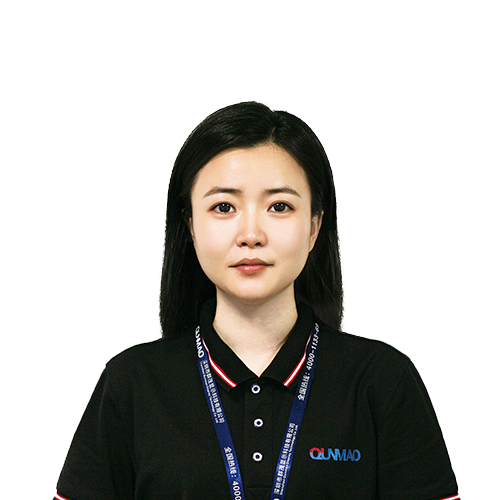
Tegevjuht | Interaktiivne ekraani ja koostöö lahendusekspert
Olen Qtenboardi asutaja, tuues üle 17-aastase praktilise oskusteadmisega puute kuvatööstusesse. Võttes arvesse ülemaailmse juhtimise perspektiivi, mis on saavutatud minu EMBA uuringud ShenZheni ülikoolis, Ma juhin Tootmisvõime jääb tööstuse esirinnas.
Qtenboardi juhina olen spetsialiseerunud kohandatud OEM/ODM-lahenduste pakkumisele interaktiivsetele valgeplaatidele, LCD video seinad, digitaalsed signaalid ja tööstusliku kvaliteediga puuteterminalid. Toetas meie 330.000 m nüüdisaegse tööstuspargi Shenzhenis, säilitame täispuhastuse kontrolli tööstusdisaini, täpsuse tootmise, ja range jõudluse testimine.
Peaaegu kaks aastakümne pikkune projektikogemus kasutatakse Qtenboardi ekraani lahendusi nüüd rohkem kui 120 riigis ja piirkonnas, teenis usaldust üle 15000 ettevõtluskliendi üle maailma. Kui otsite tundlik partner sügava tootmise aluse oma kohandatud touch kuva projekte, Minu meeskonnaga oleme valmis toetama teie nägemust professionaalselt.

 est
est
 EN
EN  pt
pt  spa
spa  th
th  vie
vie  aze
aze  bel
bel  lav
lav  ukr
ukr  ru
ru