Interaktiv Whiteboard EDLA nədir?
Uşaq kənarda rəftarları üçün yeni tərzini anlayıq
EDLA interaktiv lövhəsiGoogle & #039 altında təsdiq edilən bir display; Qüdvəl alış - Google mənasını təsdiqləyici olaraq təsdiq etdi ki, Google Play Store dəstəklədiyini təsdiq etdi. Google Axtarış və Google Workspace de proqtləri (Saql otaq, Drive, Docs, Sheets, Meet).
Xard ölkələrdə, xüsusilə də Cənubi-Şasiya, Cənubi Asiya və Qüleyi - EDLA təsdiqi "yaxşı-bax" xüsusiyyətdən aməcburi ixtisas sənədi. Təsdiq edilməyən panellar çox vaxt texniki hesablaması birinci rəngdə qalır.
Tendersinfo platformdakı tender siyahısını Qtenboard & # 039; Cənubi Asiya və Cənubi Asiyada, açıq-aşkar olaraq "EDLA Certified Interactive Panel" ifadələri nəzərə alardı. 2026-nin birinci yarısında illik artırır.
Bu, bir neçə layihələrdən uzaq tələb deyil - bu, tezliklə möhkəmləndirən bir qanunundir. İndi daha çox ictimai ictimai keçici təhsili tərzi EDLA verifikilərini ilk keyfiyyət təqdimdə məcburiyyəti olan sənəd kimi rəftar edir. ge. Təsdiqləyən tədqiqatçılar adətən, texniki hesablamasının birinci rəngdə qalır. Onların nə vaxtsa qiymətə və ya təklifləri müqayisəyə çatmazdan əvvəl.
Sistem integratorlar və turnkey verdiyicisi üçün signal aydındır: Xard ölkədə təhsil bazarlarında təmin etməyə qərarlar, təhlükəsiz hissləri, həqiqətən və ya bezel planlaşdırmaları müqayisə etməklə müqayisə olunmur. Hal - hazırda əsl filter əsl məhsulun əslində layiqli olduğunu göstərdir FILE təsdiqlənən interaktial ağ taptsasa. İntraqlar daha əvəzinə axtarmırlar. yüksək standart EDLA quraşdırmaları.
Üstünə tesis doğrudur: EDLA verifikasiya həm premi interaktiv ağ bordlar üçün tədqiqatlar və xarici ölkədə kamps almaq üçün tədqiqat tədqiqatı yenidən izah edir. layiqlər.
Bu dəyişiklik tələblərini başa düşmək üçün, əsas sualı ilə başlamağa kömək edir. Yaxud daha dəqiq, EDLA interactive ağ border olmaq üçün nə deməkdir?
Qısa olaraq, EDLA interaktiv ağ bordu, Google' altında təsdiq olunan rəqtəsi rəqtəsi rəftarıdır; S Enterprise Avadan Yaxşılıq Məsihin. Bu vəsalı təsdiq edir ki, avadanlıq Google Play Store, Google Search, və Google Workspaces proqramları ilə - sinif otaq, Drive, Docs, Sheets və Meet də daxil olmaqla. Digər sözlərlə, EDLA interaktiv göstərişi Google' bütün proqram ekosistemi Müxtəlif təhlükəsizlik, istifadəçiləri idarəçisi və uzaq avadanlıq hakim təklif edəndə təklif edirlər.
Sözsüz ki, düzgün təsdiqlənən EDLA avadanlığı adətən növbəti əsas bacarıqları gətirir:
It' vurğulamalı: EDLA təfsilatı əsas olaraq Google ' avadanlıq və #039; fərqliyyat təsdiqləyici vəziyyəti - sadəcə "caf Google proqramlar quruluş" deyil. " Bu fərqi də bu səbəbdən EDLA, xarçə ölkədə təhsil var Texnikal təxminən həqiqi qabiliyyət qapısına.
Bu tərzdə necə yaratdığını başa düşmək üçün bu gün bazardakı üç müvəffəqiyyətlə fərqli cəhətdən ayırmaq üçün faydalıdır:
Müxtəlif təhsil bazarlarında təxminən təsəvvürləri görünür ki, yazma hissləri kimi mağara tədbirlərdən uzaqlaşır. , Xüsusi və ekran həll, Və sadiq interaktiv ehtiyacları Google ekosistemi integrasiya təhlükəsizlik yerinə yetirmək lazımdır. et səviyyə avadanlığı idarəçisi. Üstəlik məntiqi doğrudur: Məktəb və ya vilayətlər adətən, yüzlərlə və minlərlə endpoint avadanlıqları idarə edir. Və IT qrupları qərq və eyni cəhətdən istifadə edə biləcək avadanlar ehtiyac duyur - hər bir şəxsi idarə etmək lazımdır.
Bu məqalədə söylədiyi "tener sahələrin möhtəşəm artığı" haqqında müşahidəçi Qtenboard & #039; Tendersinfo tender siyahısını 2026-in birinci yarısı zamanı əli araşdırma. Müxtəlif cüsus dili və ərazini bölüşü fərqlənə bilər. Təfsilatlar. Başqa EDLA verifikası normalarına, Google' əsl mənbəyi elanlara öyrən.
Mümtəlif GMS/EDLA səlahiyyəti olmayan Whiteboardlar Google sinif Room və Meet icra edə bilməz. və real zaman bulud sənəd göstərişi və əməkdaşlığı dəstəkləyə bilməz. Sinif otaq interaksiya, uzaq təlim, Və bu ecosistem tərzdə rəftarı ilə birgə - display ' interaktiv funksiyalar praktiki yox.
Nə-EDLA-yazın qaydaları sistemi tərzdə kanalı və təhlükəsiz təhlükəsizlik qoruyub saxlamaq mümkün deyil. Məktəb mühitə ən yüksək fərqli, çoxlu istifadəçi şəklində, Uzardardı istifadə olunmaq və sıxıntılar üçün daha güclüdür. və mə’lumat təhlükəsizlik ehtiyac artır. ehtiyatlı bir hissəsi.
Ən tez təhlükəsi: EDLA ehtiyatlı hesabatları olmayan ağacboardlar çox vaxt sadəcə sərt texniki cəhətlərə əvəz etməyəcəklər, Və təsəvvür edib, təkcə müqayisə və ya ticarət araşdırma məsləhətlərinə çatmır. Bu o deməkdir ki, əgər müəllifiyyətdə vaxt və mənbəyi ilk müzakirə edərkən tamamilə itirmək olar.
Müdiyyətin dəyişməsinə cavab olaraq Qtenboard ' arxayının təslimsini və əsl istifadəçi təcrübəsini ünvanır - heç nə seçməli kimi rəftar edir.
Qtenboard ' Fəbrikdən uzaqlaşan Google EDLA əməliyyatı olan tam məhsuliyyəti gəmiləri Müvəqqəti yenidən. Müəyyəti təsdiqləyəcək sənədlər olaraq təqdim edilə bilərlər, EDLA-yasda təsdiq edəndə istifadə olunan aralarında istifadə olunan ehtiyaclarına uyğunlaşdırır.
Qtenboard nümayişdə olan ekosistemi olan alətlərindən fərqli olaraq, maddə quruluşunu dəstəkləyir, bulud əsasında anlaması, real vaxt görüşün interaksiya və əməkdaşlıq Google Docs editor. Bu o deməkdir, göstərişin isn' Məzmunu və əsas yazı təzahür etdirmək üçün məhdudiyyətdir - bu əsl EDLA təzahür etdirir. Hər gündəlik istifadə edə bilən cəlb sinif otaqın hissləri tərzdə dəyişikliklər.
MDM uzaq avadanlığı idarəçisi, çoxlu istifadəçi icazə sistemi və uzaq qoruyu və təhlükəsizlik qoruyur Qtenboard ' bir çox sinif otaqlarında məktəblərin həqiqi dünyanın ehtiyaclarına uyğunlaşdırmaq üçün qurulur. - gündəlik IT iş yüklədiyini azalt.
Cənubi - Şərqi Asiya təlim informasiyasiya proyüsdə, müəddəs istirahətdən interaktiv ağ bordlarını tərk edib. Xüsusilə yüksək standar-sidirmiş EDLA interactive ağ borde tapşır. Çətin tələbatları daxildir: Google əməliyyatı tamamilə sənədləri, tamamilə və ehtimal GMS ekosistemi Açıq alətlərinə dəstək, və sistem stabillığı yüksək fərqi kampus interaksiya uyğun olan - aydın olaraq yenidən yaxınlıq və ya az-spec units qəbul edilməz. Əvəlcə dolu təxminən 200 unit idi.
Oxşar layiyətlərin texniki hesablamalarında, Bəzi məhsullar, ya da təsdiqli təsdiqi vaxtı və ya ekosistem tamamilə sınama vaxtı sıx olur - bəziləri əslim verifikasiya sənəd verilməz , Digərlər Google xidməti dəstəkləyən, amma tamamilə ekosistemi təqdim edirlər. Bu növ layihənin üzvləri yenidən məntiqi adətən iki parallel pəncərədə işlədir: verifikası sənədləri tamam olsa, və əsl interaktiv təcrübə normalarına uyğun olub. Hər bir sərvətdəki fərqli olaraq tam qəbul etməyə səbəb ola bilər.
Bütün tədqiqatçıları ilə dolu Google ekosistem funksiya və mövzu ilə birgə Qtenboard, ticarəti tə’lim təcrübəsi və fəal təqdimə eyni vaxtda təqdim etdi. Layihə texniki hesablamasını müvəffəqiyyətlə keçdi, bu səbəbdən 200 birlik təsdiqləyəcək. It & # 039; geniş dəyişikliyin həqiqi nümunədir; Vəziyyət - EDLA təfsilası "yaxılmaq" əldə etmək üçün "yazın qiymətinə gedir. "
Ətraflı layihə arxaya ya da texnologiya sənəd üçün, xahiş edirik fikrində olmayın.
Bu dəyişiklik səyahət edən başqa ölkələr sistemlər üçün bir neçə praktiki məsləhətlər:
Təkcə müvəffəqiyyətlər üçün bir səhifə təşviq siyahı, integratorlar və tender əvəzinə quruluş quruluşlar və müvəffəqiyyətlər və #039; "EDLA-stifikli" ifadəsi texniki hesablaması və təqdimatdan sonra qəbul etməsi ilə davam edəcək. Hər bir maddə təsdiqlənməlidir.sazişdan əvvəlki, imzaladıqdan sonra deyil.
Tədarük üçün əsas nəticə: EDLA uyğunluq Google Workspace-dəkilmiş bazarların əksəriyyəti təşkilat veriliyyət cəhətdən istifadə edər .. Yığıncaq yeddi hər şeyi təsdiq edən alıcılar iki ən çox müvəffəqiyyət moddan uzaqlaşırlar - sənədləri nəzərdən keçirəndə, və təqdimsiz ekosistem funksionallığına görə uğrundan sonra qəbul etməyi imtinasız.
Qtenboard R&D və EDLA-ya verifikilmiş interaktiv ağ bordatların təsdiqləyir. Üstəlik ehtiyatlı hesabatlar, Google ekosistem integrasiya, ətraflı təhlükəsizlik və idarə təhlükəsizlik çəkişmə. Biz ağıllı sinif otaqı və yüksək standart tələbatları xarici ölkədə xarici kampları ilə ünsiyyət edirik, Qlobal sistemlərin interaktiv ağacbord həllləri ilə təqdim edir, qəbul olunan, ( Ya Rəsulum ! )
EDLA verilən interaktiv ağ borde üçün nə deməkdir?
EDLA Sertifikatı o deməkdir ki, Google əmriyyəti təsdiqləyici olaraq Google Play Store, Google Search, Qeyd otaq, Drive, Docs, Sheets və Meet. Təhlükəsizlik və uzaq avadanlıq idarəsi ilə. Bu, sadəcə bir neçə Google proqramlar təklif olunmaq deyil.
Nəyə görə başqa ölkəyə alimyyətləri EDLA təsdiq etməyə ehtiyac duyur?
Məktəblər və vilayətlər böyük alətləri idarə edir və ehtiyatlı, təhlükəsizlik və e’tibarlı idarə etmək lazımdır. Ümumi sektatları EDLA təsdiqləyici məcburiyyəti təqdirdə xəttdə sənəd kimi xatırlayır. Çünki bu Google ekosistemin həqiqi ünsiyyətliliyi və gəmiyə təhlükəsizliyini təsdiq edir.
Əgər ağ border EDLA təsdiq edilməsə, nə baş verir?
Adətən, Google sinif Room və ya Meet icra edə bilməz. Müxtəlif təhlükəsizlik gündüzü kanalları, və adətən, tecnikli təsəvvürlərinin ilk rəngdə EDLA riayət etmək tələb olunur - ticarət araşdırmazdan əvvəl.
EDLA standart GMS ağ tapşırından necə fərqlənir?
Standart GMS (Google Mobil Services) Whiteboard Google proqramları qura bilər, ancaq adətən, güclü təhlükəsizlik və flota idarə etməyi dəstəkləməz. EDLA-da verilən ağ border Google əməliyyatı, tam ekosistemi integrasiya əlavə edir. və Centralized avadanlıq idarəsi məktəbdə istifadə etməyə münasibdir.
Qazanın ağ border əslində EDLA təsdiq etdiyini necə təsdiq edə bilər?
Təkcə marketing ifadələrinə güvənmək əvəzinə, təsdiqləyə bilən EDLA sənədləri üçün müqavimətdən soruşun: və avadanlığın & # 039; nasıl Google ekosistem funksionallığı və əməkdaşlıq stabillığı müntəzəm olaraq, Vəziyyət çətinliklər adətən, təsdiqi kağızları və həqiqi dünyanın əməllərini yoxlayır.
Qtenboard EDLA təsdiqləyici sənədlər üçün təqdim edir?
Bəli. Qtenboard & # 039; fabrikdən bir Google EDLA əməliyyatı ilə tam məhsulu gəmiləri, Vəziyyət və texniki hesablama tələblərini dəstəkləmək üçün əslində təsdiq edilə bilər.
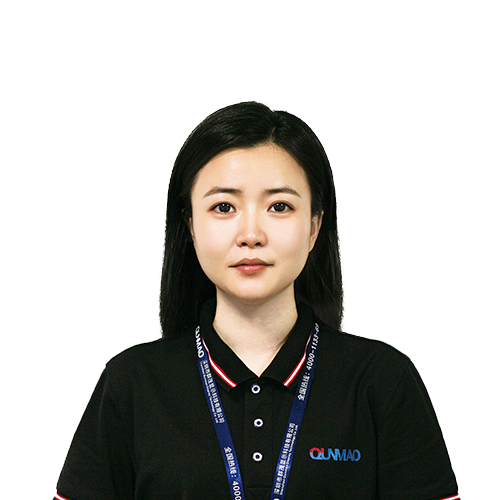
İEO | Interaktiv Display və Koleyt Solution Müəyyət
Mən Qtenboard şirkətinin təsisçisi olaraq, sensorlu displey sənayesində 17 ildən artıq praktiki təcrübəm var. ShenZen Universitetində EMBA öyrənmələrim vasitəsilə qazanmış qlobal idarəçi təhlükəsizlikdən istifadə edir. Mənim əməkdaşlarımızın hər bir mərhəməti təhlükəsizliyindən güclü ehtiyatlı təmində zəncir idarə edir. Müxtəlif qabiliyyətlər industrinin önündə qalır.
Qtenboard lideri kimi, interaktiv ağ bordlar üçün müntəzəm OEM/ODM həlllər təqdim etməkdə xüsusiyyət edirəm, LCD video divarları, rəqtəsi simaları və industriya rəftarın terminalları. Shenzhendəki müasir industriya parkirlərimizin 330 000 m m. və sərt əməl sınaqlar.
Təxminən iki il proyiey təcrübə ilə Qtenboardın nümayişləri 120 ölkə və ərazilərdə istifadə edilib. Bütün dünyada 15 000 - dən çox əməkdaşlarının etibarına qazanmışdı. Əgər siz mütləq rəftar proyüsləriniz üçün dərin faydalı təsdiqləyən əməkdaşı axtarırsınızsa, Mənim qrupam və mən sizin görünüşünüzü dəstəkləyəcək.
 aze
aze
 EN
EN  pt
pt  spa
spa  th
th  vie
vie  bel
bel  est
est  lav
lav  ukr
ukr  ru
ru