คู่มือนี้เขียนขึ้นสำหรับเจ้าหน้าที่จัดซื้อจัดจ้างเขตกรรมการไอทีและผู้มีอำนาจตัดสินใจด้านเทคโนโลยีการศึกษาที่ประเมินคู่ค้าสำหรับการปรับใช้จอแสดงผลแบบโต้ตอบในห้องเรียน200 ครอบคลุมการปรับขนาดตลาดปัจจุบันเพื่อการศึกษา แผงแบนแบบโต้ตอบ, ห้าความกังวลที่แท้จริงที่ไดรฟ์เลือกผู้ขาย, การทดสอบสารลิตมัสห้าส่วน, การทำแผนที่ความสามารถโดยตรงของ qtenboard กับแต่ละเกณฑ์, สามแกนช่วยให้เทคโนโลยี (การรับรอง edla, ความช่วยเหลือด้านการสอน ai แบบมัลติทัช40จุด) กรอบการใช้งานห้าเฟสที่ได้รับการพิสูจน์แล้วพร้อมการจัดส่งตรงเวลา99.2% ความสามารถในการให้บริการเต็มรูปแบบและคำตอบสำหรับคำถามที่พบบ่อยทั่วไปห้าข้อเกี่ยวกับ edla, ไทม์ไลน์การปรับใช้, การรวม AV, การจัดการคลาวด์และการสนับสนุนหลังการใช้งาน
คำตอบสั้นๆ คุณต้องการพันธมิตรที่รวม ฮาร์ดแวร์โต้ตอบที่ได้รับการรับรองจาก edla, การจัดการอุปกรณ์คลาวด์พื้นเมือง, วิธีการปรับใช้ที่พิสูจน์แล้ว, และ การสนับสนุนบนพื้นดินในท้องถิ่น.
Qtenboard เป็นผู้ผลิตจอแสดงผลแบบโต้ตอบความสามารถหลักของ qtenboard คือจอแสดงผลแบบสัมผัส4K แบบโต้ตอบระบบปฏิบัติการ Android ที่ได้รับการรับรองจาก edla และแพลตฟอร์มการจัดการคลาวด์แบบครบวงจรสำหรับการรวม AV เต็มรูปแบบ (เสียง, การสลับวิดีโอ, การจับภาพการบรรยาย, การประชุม) เราร่วมมือกับผู้รวม AV ที่ผ่านการรับรองเพื่อส่งมอบซึ่งหมายความว่าคุณจะได้รับฮาร์ดแวร์แสดงผลที่ดีที่สุดในระดับเดียวกันพร้อมความเข้ากันได้ของระบบนิเวศโดยไม่กระทบต่อคุณภาพ
บันทึกการติดตามของเรา: เราได้จัดส่งโครงการแปลงสภาพเป็นดิจิทัลในห้องเรียนใน50ประเทศโดยมีจอแบนแบบโต้ตอบมากกว่า10,000แผ่นที่ใช้งานในสภาพแวดล้อมทางการศึกษาขนาดใหญ่เราเข้าใจดีว่าการย้ายจากนักบินไปยังการยอมรับในเขตกว้าง
ตลาดจอแบนแบบโต้ตอบทั่วโลกกำลังเติบโตที่9.5% CAGR iFP ถูกฉายไปเกือบสองเท่าระหว่าง2025และ2033ขับเคลื่อนโดยเขตเปลี่ยนห้องเรียนที่ใช้โปรเจคเตอร์กับพื้นเมือง-
ตลาดจอแบนแบบโต้ตอบระดับโลกถูกฉายให้เติบโตจาก $5.67พันล้านใน2025ถึง $6.2พันล้านใน2026ที่ GR 9.5%. โดย2030ตลาดคาดว่าจะถึง $8.51พันล้าน.โดยเฉพาะอย่างยิ่งส่วนการแสดงผลจอแบนแบบโต้ตอบ edtech ถูกคาดการณ์ให้ขยายจาก $13.25พันล้านใน2025ถึง $21.76พันล้านโดย2033.
โรงเรียนและเขตกำลังย้ายออกไปจากโซลูชันที่ใช้โปรเจคเตอร์ไปยังแผงแบนแบบโต้ตอบขนาดใหญ่ที่มีระบบปฏิบัติการ Android พื้นเมืองปพลิเคชันแบบบูรณาการและเครื่องมือการทำงานร่วมกันบนคลาวด์แต่มีผู้ขายจำนวนมากเข้าสู่ตลาด คุณระบุพันธมิตรที่เหมาะสมสำหรับการปรับใช้ห้องเรียนที่200ได้อย่างไร?
ห้าข้อกังวลครองการเลือกผู้ขายสำหรับโครงการห้องเรียน200: มาตรฐานอุปกรณ์ที่ไม่สอดคล้องกันผู้ขายที่สามารถปรับขนาดได้การบำรุงรักษาที่แยกส่วนงบประมาณล้นและความไม่แน่นอนของการรวม AV-แต่ละคนเป็นผู้จัดการการตัดสินใจไม่ใช่ความเจ็บปวดในอุตสาหกรรมที่เป็นนามธรรม
ก่อนที่จะดำน้ำในการคัดเลือกผู้ขายให้รับทราบความกลัวที่แท้จริงที่ทำให้กรรมการและเจ้าหน้าที่จัดซื้อในเขตตื่นในเวลากลางคืน
แบรนด์ที่แตกต่างกันในวิทยาเขตหมายถึงการฝึกอบรมครูที่ไม่สอดคล้องกันประสบการณ์นักเรียนที่แยกส่วนและค่าใช้จ่ายในการสนับสนุนที่สูงขึ้นมาตรฐานการแสดงผลแบบครบวงจรเป็นสิ่งสำคัญสำหรับความสอดคล้องของเขตกว้างและความต่อเนื่องของการสอน
ซัพพลายเออร์จำนวนมาก excel ที่โครงการนักบิน (10-20หน่วย) แต่ขาดห่วงโซ่อุปทานและกล้ามเนื้อการจัดการโครงการเพื่อส่งมอบ200หน่วยพร้อมกันในหลายเว็บไซต์นี้นำไปสู่ความล่าช้านิ้วมือชี้และสัญญาหัก
หากไม่มีแพลตฟอร์มการจัดการคลาวด์แบบรวมศูนย์ทีมจะใช้เวลาหลายชั่วโมงในการแก้ไขปัญหาอุปกรณ์แต่ละชิ้นแทนการมุ่งเน้นไปที่ความคิดริเริ่มเชิงกลยุทธ์การจัดการ200แสดงด้วยตนเองเป็นฝันร้ายลอจิสติกส์
การเลือกผู้ขายที่ไม่ถูกต้องสามารถปรับใช้ล่าช้าได้เป็นเดือนและงบประมาณที่ผ่านมาที่น่าสนใจ-ความเสี่ยงที่ไม่มีเขตสามารถจ่ายได้ค่าใช้จ่ายที่ซ่อนอยู่สำหรับการบูรณาการการการฝึกอบรมและปัญหาความเข้ากันได้ที่ไม่คาดคิดได้อย่างรวดเร็วกัดเซาะการประหยัดเริ่มต้น
การแสดงผลแบบโต้ตอบที่ไม่รวมเข้ากับโครงสร้างพื้นฐาน AV ที่มีอยู่ (ระบบเสียงการจับภาพการบรรยายการประชุมทางวิดีโอ) กลายเป็นเครื่องมือแบบสแตนด์อโลนที่มีราคาแพงมากกว่าสินทรัพย์ระบบนิเวศความเข้ากันได้ที่ไร้รอยต่อไม่สามารถต่อรองได้
ใช้การทดสอบลิตมัสห้าส่วนนี้เพื่อประเมินพันธมิตรที่อาจเกิดขึ้นเกณฑ์มีรากฐานมาจากการจัดส่งโครงการจริงไม่ใช่การเรียกร้องการตลาด
ผู้ขายสามารถส่งข้อกำหนดฮาร์ดแวร์ที่สอดคล้องกันห่วงโซ่อุปทานที่เชื่อถือได้และโลจิสติกส์ที่พิสูจน์แล้วสำหรับคำสั่งซื้อหน่วย100ได้หรือไม่?
จอแสดงผลเล่นได้ดีกับเกียร์ AV ที่มีอยู่ (extron, Crestron ฯลฯ) และอุปกรณ์ต่อพ่วงของบุคคลที่สามหรือสร้าง silos รวมหรือไม่?
การจัดการ200การแสดงเป็นรายบุคคลเป็นไปไม่ได้แพลตฟอร์มคลาวด์แบบครบวงจรสำหรับการตรวจสอบการอัปเดตและการวินิจฉัยจากระยะไกลไม่สามารถต่อรองได้
(นักบิน → คลื่น1 → คลื่น2 → การใช้งานเต็มรูปแบบ) ลดความเสี่ยงช่วยให้การแก้ไขหลักสูตรและสร้างโมเมนตัมภายใน
เมื่อ200การแสดงผลจะมีชีวิตอยู่การสนับสนุนบนพื้นดินมีความสำคัญมากกว่าแผ่นข้อมูลจำเพาะครอบคลุมบริการในท้องถิ่นเงื่อนไขการรับประกันและ slas ตอบสนองมีความสำคัญ
สำหรับทุกความต้องการข้างต้น qtenboard มีคอนกรีต, verifiable คำตอบ-ไม่ได้ Vague สัญญาแมปด้านล่างเป็นตารางความสามารถโดยตรง.
สามเปิดใช้งานเทคโนโลยีกำหนดว่า200การใช้งานในห้องเรียนประสบความสำเร็จหรือแผงลอย: การรับรอง edla (ลบการพึ่งพาเครื่องคอมพิวเตอร์ภายนอก), 40จุด multi-touch กับแฝง sub-8ms (ช่วยให้ครูใช้แผง), และความช่วยเหลือด้านการสอน Ai บนอุปกรณ์ (ลบค่าใช้จ่ายการบริหาร)
ข้อเท็จจริง:Edla (ข้อตกลงใบอนุญาตอุปกรณ์ระดับองค์กร) คือการรับรองอย่างเข้มงวดของ Google สำหรับอุปกรณ์ที่ใช้ Android ทำให้สามารถเข้าถึง Google Play Store พื้นที่ทำงานของ Google ห้องเรียนและ Google Meet ได้อุปกรณ์ที่ได้รับการรับรองจาก edla ได้รับการทดสอบอย่างกว้างขวางเพื่อความน่าเชื่อถือความเข้ากันได้และความปลอดภัยระดับองค์กรผู้นำอุตสาหกรรมรวมถึง ViewSonic, BenQ, Optoma และ BOXLIGHT ได้เปิดตัวจอแสดงผลแบบโต้ตอบที่ได้รับการรับรองจาก edla
ปัญหา:จอแสดงผลที่ไม่ได้รับการรับรองต้องใช้พีซีภายนอกหรือการทำงานที่ซับซ้อนเพื่อเข้าถึงระบบนิเวศของ Google และ039เพิ่มค่าบำรุงรักษาเวลาฝึกครูและช่องโหว่ด้านความปลอดภัยอย่างมาก
มูลค่า: การรับรอง edla หมายถึงครูใช้เครื่องมือ Google ที่คุ้นเคยออกจากกล่องจัดการอุปกรณ์ทั้งหมดผ่านการจัดการองค์กรพื้นที่ทำงานของ Google ไม่มีฮาร์ดแวร์เพิ่มเติมเส้นโค้งการเรียนรู้เป็นศูนย์ความปลอดภัยระดับองค์กร
ข้อเท็จจริง: สนับสนุนการแสดงผลของเรา สัมผัสพร้อมกัน40จุด ด้วยการปฏิเสธปาล์มขั้นสูงเทคโนโลยีแก้วพันธะศูนย์และ Sub-8ms เวลาแฝงในการสัมผัสนี้ขับเคลื่อนโดย OCTA-core CPU และ DDR5หน่วยความจำสถาปัตยกรรม
ปัญหา: ในการปรับใช้ห้องเรียนในปี200หากเวลาแฝงในการสัมผัสสูงหรือผิดพลาดบ่อยครั้งครูจะละทิ้งเทคโนโลยีแบ่งกระแสในห้องเรียน, plummets หมั้นของนักเรียนและการลงทุนจะสูญเสีย
มูลค่า: ทั้งชั้นเรียนสามารถมีส่วนร่วมพร้อมกัน-นักเรียนหลายคนเขียนวาดภาพและจัดการเนื้อหาในเวลาจริงครูรักษาจังหวะธรรมชาติของพวกเขา แรงเสียดทานเป็นศูนย์การมีส่วนร่วมสูงสุด
ข้อเท็จจริง: ผู้นำอุตสาหกรรมกำลังฝัง Ai ลงในจอแสดงผลแบบโต้ตอบ-ซัมซุงมี Ai สรุปและสด Transcript; LG ให้ Ai ขับเคลื่อนคำบรรยายสดและวิดีโอสรุป; BenQ รวมถึงข้อความต่อคำพูดแปลหลายภาษา, และ OCR. รวมแพลตฟอร์มของเรา Ai ออนอุปกรณ์ สำหรับการเพิ่มประสิทธิภาพเนื้อหาแบบเรียลไทม์การสรุปบทเรียนอัตโนมัติและการจดจำไวท์บอร์ดอัจฉริยะ
ปัญหา: ครูใช้เวลาหลายชั่วโมงในการวางแผนภารกิจการบริหารการสร้างแบบทดสอบการจดบันทึกและการแปลวัสดุสำหรับห้องเรียนที่หลากหลายเวลาขโมยนี้จากคำแนะนำจริง
มูลค่า: เครื่องมือ Ai สร้างบทสรุปบทเรียนคำบรรยายที่แปลแบบเรียลไทม์และคำถามตอบคำถามแบบปรับตัวได้โดยอัตโนมัติครูได้รับการปลดปล่อยจากภาระการบริหารเพื่อมุ่งเน้นไปที่สิ่งที่สำคัญที่สุด: การสอนและปฏิสัมพันธ์ของนักเรียน
การประเมินเฟรมเวิร์กไซต์การปรับใช้ห้าเฟสของ qtenboard, Pilot, Phased rollout, การใช้งานเต็มรูปแบบและการสนับสนุนอย่างต่อเนื่อง-ได้รับการดำเนินการใน50 + โครงการหลายเว็บไซต์ในเท็กซัส, แคลิฟอร์เนียสหราชอาณาจักรและสหรัฐอาหรับเอมิเรตส์ที่มีอัตราการจัดส่งตรงเวลา99.2%
ในขณะที่ทุกโครงการมีเอกลักษณ์เฉพาะกรอบมาตรฐานของเราช่วยให้มั่นใจได้ถึงความสอดคล้องความโปร่งใสและความสำเร็จในทุกการใช้งานขนาดใหญ่นี่คือพิมพ์เขียวที่เรากลั่นใน50โครงการหลายเว็บไซต์
สัปดาห์ที่1-4 · ประเมินโครงสร้างพื้นฐาน AV ที่มีอยู่ความพร้อมของเครือข่ายและข้อกำหนดในการรวมระบบส่งรายงานการสำรวจไซต์โดยละเอียด
สัปดาห์ที่5-8 · ปรับใช้จอแสดงผล10-20ทั่วห้องเรียนตัวแทนดำเนินการทดสอบ poc รวบรวมข้อเสนอแนะของครูและปรับการกำหนดค่า
สัปดาห์ที่9-20 · การใช้งานที่เซ50-100หน่วยต่อคลื่นการตรวจสอบอย่างต่อเนื่องการสนับสนุนในสถานที่และความละเอียดปัญหาแบบเรียลไทม์
สัปดาห์ที่21-26 · ห้องเรียนที่เหลือมีชีวิตอยู่โปรแกรมการฝึกอบรมครูที่ครอบคลุมและการประชุมเชิงปฏิบัติการบนมือดำเนินการในสถานที่
การตรวจสอบอย่างต่อเนื่อง · การอัปเดตเฟิร์มแวร์อัตโนมัติโต๊ะช่วยเหลือเฉพาะและบทวิจารณ์ประสิทธิภาพรายไตรมาสเราอยู่กับคุณสำหรับลากยาว
กรอบงานนี้ได้รับการดำเนินการเรียบร้อยแล้วสำหรับเขตโรงเรียนในเท็กซัสแคลิฟอร์เนียสหราชอาณาจักรและ UAE-Scaling จากนักบินไปยังการยอมรับเขตกว้างด้วย จัดส่งตรงเวลา99.2% อัตราค่า
Qtenboard ให้บริการแบบ end-to-end ครอบคลุมทุกขั้นตอนของวงจรชีวิตโครงการตั้งแต่การออกแบบโซลูชันก่อนการขายผ่านการปรับใช้จำนวนมากการฝึกอบรมการบำรุงรักษาความเข้ากันได้ในระยะยาวและการสนับสนุนในสถานที่/ระยะไกล
เราไม่เพียงแค่จัดส่งฮาร์ดแวร์เราให้บริการแบบ end-to-end ที่ครอบคลุมทุกขั้นตอนของวงจรชีวิตโครงการเพื่อให้มั่นใจว่าการลงทุนในห้องเรียนของคุณ200มอบมูลค่าที่ยั่งยืน
ห้าคำถามเกิดขึ้นอย่างสม่ำเสมอจากทีมจัดซื้ออำเภอประเมินการปรับใช้ห้องเรียน200-ตอบด้านล่างด้วยตัวเลขคอนกรีตและ timelines.
Edla (ข้อตกลงใบอนุญาตอุปกรณ์ระดับองค์กร) ช่วยให้มั่นใจได้ว่าการแสดงผลแบบโต้ตอบของคุณรองรับการเล่น Google พื้นที่ทำงานห้องเรียนและการตอบสนองช่วยลดความจำเป็นในการใช้พีซีภายนอกลดความซับซ้อนและให้การรักษาความปลอดภัยระดับองค์กรที่จำเป็นสำหรับการใช้งานในเขตกว้าง
โดยใช้กรอบการทำงาน5เฟสของเราระยะเวลาทั่วไปมีตั้งแต่20ถึง26สัปดาห์ขึ้นอยู่กับความพร้อมของเว็บไซต์และความซับซ้อนในการรวม AV เราจัดลำดับความสำคัญของวิธีการ Phased เพื่อลดการหยุดชะงักและอนุญาตให้ข้อเสนอแนะอย่างต่อเนื่องและการปรับ
ใช่ Extron, CRESTRON, Kramer และ Q-SYS ผ่านทาง RS-232 HDMI-CEC และ tcp/ip เราจัดเตรียมเอกสารประกอบ API แบบเปิดสำหรับการรวมแบบกำหนดเองเพื่อให้มั่นใจว่าสามารถใช้งานร่วมกับโครงสร้างพื้นฐานในปัจจุบันของคุณได้อย่างราบรื่น
ระบบการจัดการอุปกรณ์ของเรา (DMS) ให้การตรวจสอบแบบเรียลไทม์การอัปเดตเฟิร์มแวร์จำนวนมากการวิเคราะห์การใช้งานและการแก้ไขปัญหาระยะไกลจากแดชบอร์ดเดียวปรับมาตราส่วนอุปกรณ์ได้อย่างง่ายดายตั้งแต่10ถึง1,000เครื่องทำให้ทีมมีทัศนวิสัยและการควบคุมที่สมบูรณ์
แน่นอนค่ะ/ครับเราจัดเวิร์กช็อปครูในสถานที่แหล่งข้อมูลการฝึกอบรมดิจิทัลและโปรแกรมฝึกหลังการใช้งานเราให้การสนับสนุนด้านเทคนิคออนไลน์24/7การรับประกัน1-3ปีและบทวิจารณ์ประสิทธิภาพรายไตรมาสเพื่อให้แน่ใจว่าคุณประสบความสำเร็จในระยะยาว
คำตอบคือผู้ขายที่รวม ฮาร์ดแวร์ที่ได้รับการรับรองจาก edla, การจัดการอุปกรณ์บนคลาวด์, ความเข้ากันได้ระบบนิเวศ AV, วิธีการปรับใช้ที่พิสูจน์แล้ว, และ การสนับสนุนบนพื้นดินในท้องถิ่น -ทั้งหมดห่อด้วยวิธีการโปร่งใสหุ้นส่วนขับเคลื่อน
นั่นคือสิ่งที่เราส่งมอบอย่างแท้จริงเราไม่ใช่ซัพพลายเออร์ที่บินโดยคืนหรือผู้รวม AV ทั่วไปเราเป็นผู้ผลิตการแสดงผลแบบโต้ตอบโดยเฉพาะที่มีขนาดเทคโนโลยีและบริการ Backbone เพื่อทำให้โครงการห้องเรียน200ของคุณประสบความสำเร็จ-จากการสำรวจเว็บไซต์แรกไปจนถึงเซสชั่นการฝึกอบรมครูสุดท้าย
ลองพูดคุยเกี่ยวกับความต้องการไทม์ไลน์และงบประมาณเฉพาะของคุณเราจะให้ข้อเสนอที่กำหนดเองและสาธิตสดของแพลตฟอร์มการจัดการเมฆของเรา
ไม่มีข้อผูกพันใดๆเพียงการสนทนากับผู้เชี่ยวชาญด้านการใช้งานของเรา
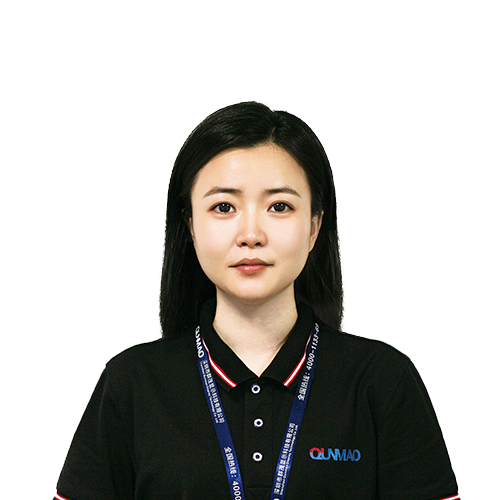
ซีอีโอ | ผู้เชี่ยวชาญด้านโซลูชันการแสดงผลแบบโต้ตอบและการทำงานร่วมกัน
ฉันเป็นผู้ก่อตั้ง qtenboard นำความเชี่ยวชาญด้านการลงมือปฏิบัติมากกว่า17ปีมาสู่อุตสาหกรรมการแสดงผลแบบสัมผัสจากมุมมองการจัดการทั่วโลกที่ได้รับจากการศึกษา EMBA ของฉันที่มหาวิทยาลัยเซินเจิ้นฉันนำทีมของฉันในการเพิ่มประสิทธิภาพทุกขั้นตอนของการดำเนินงานของเรา-จากความละเอียดของผลิตภัณฑ์ที่มีประสิทธิภาพสูงการจัดการห่วงโซ่อุปทาน-มั่นใจความสามารถในการผลิตของเรายังคงอยู่ในระดับแนวหน้าของอุตสาหกรรม
ในฐานะผู้นำของ qtenboard ฉันเชี่ยวชาญในการให้บริการโซลูชั่น oem/odm ที่ปรับแต่งสำหรับกระดานไวท์บอร์ดแบบโต้ตอบผนังวิดีโอ LCD ป้ายดิจิตอลและเทอร์มินัลสัมผัสระดับอุตสาหกรรมสนับสนุนโดย330,000ตารางเมตรสวนอุตสาหกรรมที่ทันสมัยของเราในเซินเจิ้น, เรารักษาเต็ม Lifecycle ควบคุมการออกแบบอุตสาหกรรม, การผลิตที่มีความแม่นยำ, และการทดสอบประสิทธิภาพที่เข้มงวด.
ด้วยประสบการณ์โครงการเกือบสองทศวรรษโซลูชันการแสดงผลของ qtenboard จึงถูกนำไปใช้ในกว่า120ประเทศและภูมิภาคได้รับความไว้วางใจจากลูกค้าระดับองค์กรมากกว่า15,000รายทั่วโลกหากคุณกำลังมองหาพันธมิตรที่ตอบสนองต่อการผลิตที่ลึกซึ้งสำหรับโครงการแสดงผลแบบสัมผัสที่กำหนดเองของคุณทีมของฉันและฉันพร้อมที่จะสนับสนุนวิสัยทัศน์ของคุณด้วยความเป็นเลิศระดับมืออาชีพ

 th
th
 EN
EN  pt
pt  spa
spa  vie
vie  aze
aze  bel
bel  est
est  lav
lav  ukr
ukr  ru
ru