Si está comparando varios proveedores de Interactive Flat Panel, es posible que haya encontrado estos escollos comunes: los proveedores marcan la "última versión de Android" en las citas pero no proporcionan certificados EDLA válidos; los dispositivos dejan de recibir actualizaciones del sistema medio año después de la entrega; el aula y el software de reuniones se cuelgan sin soporte postventa.
Esta guía se basa en datos de despliegue masivo de proyectos globales de Qtenboard. Se salta el largo historial de desarrollo de Android y responde a una pregunta central de adquisiciones: ¿qué versión de Android ofrece 5 años de funcionamiento estable, cumplimiento total de Google y costos de mantenimiento controlables a largo plazo para su proyecto?
Android 14 es el estándar actual de adquisición de grado de producción para paneles planos interactivos certificados por EDLA. Es la única versión de Android que ofrece simultáneamente certificación EDLA completa, compromisos de mantenimiento OTA de 5 años e integración nativa de Google Workspace a escala de volumen, lo que la convierte en la versión de sistema operativo requerida en la mayoría de las especificaciones de licitación gubernamental y educativa en el extranjero.
El androide 16 es No está listo para la adquisición masiva Google no ha abierto completamente la vía de certificación EDLA para pantallas comerciales de Android 16, y la adaptación del controlador del chipset sigue siendo incompleta. Android 11 y 13 siguen estando disponibles como variantes personalizadas para proyectos de renovación heredados, pero no tienen las mismas garantías de cumplimiento o ciclo de vida.
Todas las conclusiones están respaldadas por datos de campo del mundo real de Qtenboard.
La selección de la versión incorrecta de Android es más que un error técnico: infla los presupuestos, retrasa los plazos de entrega y acumulan gastos generales de mantenimiento anual. Dos casos de implementación de terceros en el mundo real muestran fuertes contrastes contra las soluciones estandarizadas de Qtenboard & #039;.
Un distrito escolar en el extranjero compró paneles planos interactivos genéricos anunciados con versiones más recientes de Android. A las dos semanas de la patada de salida del semestre, se produjeron fallas críticas: la sincronización de Google Classroom se rompió por completo, la anotación de escritura a mano sufrió un retraso de toque severo y tres unidades requirieron reparación de fábrica. Se interrumpieron múltiples horas de enseñanza.
Una corporación multinacional suministra paneles sin marca sin el apoyo oficial del fabricante a largo plazo. Las actualizaciones del sistema se suspendió sólo 18 meses después de la instalación. El equipo interno de TI dedicó 300 horas de trabajo adicionales al año al mantenimiento manual de 50 dispositivos de salas de reuniones.
Ambos incidentes se derivan de tres brechas críticas:
Los tres riesgos se eliminan por completo en todos los modelos de Android 14 de Qtenboard.
No hay una versión de Android universalmente superior, solo la que coincida con los requisitos de su proyecto. La siguiente tabla describe Qtenboard & #039;s hoja de ruta de suministro de producto completo:
| Versión Android | Tipo de proyecto Best-Fit | Riesgo clave | Disponibilidad de Qtenboard |
|---|---|---|---|
| Android 11 | Actualizaciones heredadas en el aula, proyectos de compatibilidad de software antiguo | Gradualmente saliendo del soporte del ecosistema principal | Disponible bajo petición personalizada |
| Android 13 | Proyectos de transición que ejecutan sistemas antiguos y nuevos paralelos | Ventana de mantenimiento a medio plazo acortada | Disponible bajo petición personalizada |
| Android 14 | Se construye una nueva escuela o empresa, implementaciones en el extranjero que requieren el cumplimiento de Google | La descalificación de la licitación del gobierno extranjero, el rebasamiento del mantenimiento de TI y los riesgos de interrupción del aula son todos direccionables con la implementación validada de Qtenboard Android 14 EDLA | Producción en masa estándar-modelo recomendado primario |
| Android 16 | Programas piloto técnicos internos en pequeña escala, evaluación prospecera | Conductores inmaduros; camino EDLA no completamente abierto; riesgo de producción de alto volumen | Solo muestras piloto: no se recomienda para adquisiciones masivas |
Tres riesgos concretos vinculados a pérdidas reales del proyecto:
Referencia de la industria: Los programas de adaptación de SDK públicos actuales publicados por Rockchip y MediaTek muestran que los paquetes de controladores Android 16 de grado de producción completos para paneles planos interactivos comerciales no se han extendido ampliamente a los fabricantes de pantallas. El equipo de I + D de Qtenboard rastrea el progreso de la adaptación del chipset continuamente y solo lanzará los IFP comerciales de Android 16 después de la validación completa de extremo a extremo.
Muchos proveedores afirman falsamente la compatibilidad total del servicio de Google mediante el uso de firmware modificado sin licencia, lo que desencadena bloqueos de servicio y fallas de auditoría después de la implementación. En contraste, todos los modelos Qtenboard Android 14 llevan certificados oficiales de Google EDLA rastreables a nivel mundial por número de modelo de dispositivo.
Imagínese esto: una escuela compra paneles genéricos sin credenciales EDLA. Cuando comienza el nuevo semestre, los profesores no pueden acceder a Google Classroom y el proveedor no tiene una certificación válida para resolver el problema. Este escenario nunca ocurre con el hardware Qtenboard.
EDLA-Enterprise Device Licensing Agreement-es el marco de autorización exclusivo de Google para pantallas comerciales de gran formato, separado de GMS centrado en el consumidor.
La licencia de EDLA cubre Google Play, Google Classroom, la suite completa de Google Workspace y el acceso a Chrome Enterprise Management Console. Para obtener la certificación, los fabricantes deben pasar las pruebas de cumplimiento de hardware, las auditorías de seguridad del sistema y los compromisos vinculantes de mantenimiento de varios años. Qtenboard completa la recertificación anual de Google para mantener activas todas las credenciales EDLA del dispositivo.
Distinción crítica: Las aplicaciones de Google cargadas lateralmente no autorizadas conllevan riesgos de suspensión permanente de la cuenta. Todos los servicios de Google en el hardware de Qtenboard se ejecutan en marcos nativos con licencia de Google sin modificaciones de terceros.
Al redactar las especificaciones de adquisición, exijen certificados originales, períodos de validez y números de modelo coincidentes. Qtenboard proporciona documentación completa de EDLA a petición del socio.
Relevante para: responsables de compras escolares, administradores de TI, integradores de educación
Puntos de dolor comunes de la industria de paneles genéricos no validados: versiones de Android portadas del mercado de accesorios con latencia táctil de más de 50ms, credenciales EDLA ausentes, sin actualizaciones OTA automatizadas e incompatibilidad con el software de enseñanza heredado.
Qtenboard & #039;s plataforma de hardware nativa Android 14 resuelve todos los desafíos de manera integral:
Valor cuantificado: una flota de campus de Qtenboard de 100 dispositivos reduce los incidentes de fallas en uno por dispositivo mensualmente, ahorrando aproximadamente 2.400 horas anuales de trabajo de TI; los ahorros en costos de mano de obra superan con creces cualquier brecha de precio inicial menor para el hardware validado.
Nota adicional: Las plataformas Qtenboard Android 14 se han implementado en proyectos comerciales globales masivos, con tasas de falla táctil y de múltiples ventanas por debajo de los puntos de referencia promedio de la industria.
Relevante para: gerentes de adquisiciones empresariales, ingenieros de TI, integradores AV comerciales
Puntos problemáticos frecuentes de los paneles genéricos de "Android nuevo" centrados en marketing: operaciones concurrentes inestables de varias ventanas, acceso no autorizado a Google Workspace y soporte descontinuado del fabricante en un plazo de 18 meses.
La plataforma Android 14 producida en masa de Qtenboard aborda estos problemas a nivel de kernel del sistema:
Valor cuantificado: Una flota de salas de reuniones Qtenboard de 50 dispositivos elimina seis visitas anuales de mantenimiento manual por unidad, ahorrando 300 horas de TI cada año. Este cálculo excluye las pérdidas secundarias de las interrupciones de reuniones y los costos de corrección de cumplimiento.
Dos paneles planos interactivos pueden coincidir con las especificaciones de la hoja de datos pero ofrecen un rendimiento a largo plazo muy diferente. La línea divisoria se encuentra entre fabricantes originales totalmente integrados como Qtenboard y ensambladores de componentes genéricos con flashes de firmware de terceros.
| Dimensión | Fabricante original de Qtenboard | Ensamblador/Revendedor OEM-Consecuencia del mundo real |
|---|---|---|
| Plataforma motherboard | Placa base de calidad comercial propietaria; controladores desarrollados, actualizados y mantenidos internamente por Qtenboard R & D. | Placa base de consumo genérica con firmware portado de terceros. Consecuencia: anotación inexacta del lápiz, frecuentes desconexiones de fundición inalámbrica; la degradación del conductor empeora con el tiempo. |
| Certificación EDLA | Licencia oficial de Google EDLA para todos los modelos de Android 14; cada certificado es rastreable a SKU específicos de Qtenboard. | No hay credenciales formales de EDLA o instalación no autorizada de la aplicación Google. Consecuencia: falla de Google Classroom en el inicio del período; acceso bloqueado al espacio de trabajo empresarial; banderas de auditoría para hardware no aprobado. |
| Mantenimiento OTA | Infraestructura de actualización de nube propiedad de Qtenboard con acuerdos de mantenimiento de ciclo de vida de 5 años por escrito. | No hay una hoja de ruta de actualización garantizada; el soporte generalmente se retira dentro de los 12-24 meses posteriores a la venta. Consecuencia: miles de horas de TI anuales dedicadas al servicio manual de dispositivos; activos sin parches marcados durante las auditorías financieras. |
| Validación del envejecimiento | Ciclo de envejecimiento de carga continuo obligatorio de 8 horas para cada envío previo de unidades Qtenboard. | No hay un protocolo estandarizado de pruebas previas a la entrega. Consecuencia: accidentes frecuentes y pantallas negras dentro de los 3 meses de uso diario completo en el aula o reunión. |
| Soporte técnico | Soporte de ingeniería global dedicado de Qtenboard con flujos de trabajo de escalamiento escalonado. | Soporte dependiente de proveedores de terceros componentes con tiempos de respuesta inconsistentes. Consecuencia: diagnóstico de fallas de varias semanas; disponibilidad incierta de repuestos después del año 2. |
Cada panel plano interactivo de Qtenboard completa ciclos de envejecimiento continuos diarios obligatorios de 8 horas antes del envío, respaldados por servidores en la nube patentados de Qtenboard respaldados por contratos de mantenimiento OTA de 5 años legalmente vinculantes. Los ensambladores genéricos omite los flujos de trabajo de envejecimiento estandarizados y no ofrecen garantías de actualización a largo plazo.
Las unidades sin detección de envejecimiento de fábrica desarrollan fallas de choque y de pantalla negra después de solo 3 meses de aula de día completo u operación de reunión. Los activos que carecen de soporte OTA sostenido obligan a los equipos de TI a realizar actualizaciones manuales in situ para cada dispositivo, y el hardware sin parches desencadena un trabajo de remediación obligatorio y no presupuestado durante las auditorías financieras de los proyectos gubernamentales.
Las pruebas de envejecimiento previas al envío identifican defectos de hardware en la etapa de fábrica, reduciendo las tasas de falla en campo en más del 60%. La OTA remota centralizada elimina todo el trabajo de actualización manual en el sitio; una flota de campus de 100 unidades ahorra más de 600 horas anuales de trabajo de TI, mientras que el hardware Qtenboard totalmente validado por EDLA elimina todos los gastos de rectificación de cumplimiento que de otro modo agregarían 10-20% a los gastos operativos totales de 5 años.
Más allá de las placas base patentadas y la certificación EDLA, el sistema dual de pruebas de envejecimiento previas al envío y la infraestructura de la nube OTA a largo plazo forma la tercera barrera de calidad central de Qtenboard & #039;s que lo separa de los ensambladores genéricos. Este sistema garantiza un rendimiento constante del dispositivo desde el mes 1 hasta el año 5, no solo una breve demostración y ventanas de prueba de aceptación.
La mayoría de los proveedores de ensambles genéricos no pueden proporcionar tres documentos de licitación críticos: verificación de placa base patentada, certificados EDLA rastreables y hojas de ruta formales de mantenimiento OTA de varios años. Cuando los compradores de escuelas y empresas agregan estas cláusulas a las especificaciones de licitación, los proveedores genéricos se enfrentan a dos opciones limitadas: ofrecer hardware Android 14 no certificado o impulsar versiones anteriores de Android con umbrales de cumplimiento más bajos.
Los socios que distribuyen el hardware de Qtenboard obtienen ventajas estructurales de licitación. La certificación EDLA completa, los cronogramas OTA de 5 años confirmados y la documentación de hardware patentada son archivos adjuntos de propuestas estándar, que resuelven las objeciones de adquisición que los competidores no pueden abordar, independientemente del precio unitario. El hardware Qtenboard Android 14 ha completado implementaciones masivas en todo el mundo educativo y empresarial, con estabilidad táctil y tasas de fallas multi-ventana consistentemente por debajo de los puntos de referencia de la industria.
Los ensambladores suelen socavar los precios unitarios iniciales de Qtenboard en un 10 a 15 por ciento. Sin embargo, la mano de obra de mantenimiento acumulada, la corrección de fallas y la sobrecarga de auditoría de cumplimiento durante un ciclo de vida de cinco años borran universalmente este ahorro de costos inicial.
La estandarización en Qtenboard Android 14 como el modelo de producción principal no excluye los proyectos de compatibilidad heredados. Qtenboard suministra hardware validado en múltiples iteraciones de Android, lo que permite a los equipos de adquisiciones consolidar los pedidos de nueva construcción y renovación bajo una única relación de proveedor.
| Tipo de proyecto | Configuración recomendada de Qtenboard | Punto de dolor operacional Esto resuelve |
|---|---|---|
| Nueva escuela o empresa construir-despliegue en el extranjero | Certificación completa de Qtenboard Android 14 EDLA | Elimina las fallas de lanzamiento del servicio de Google; ofrece certificación conforme a la licitación; permite la gestión remota de flotas OTA desde el primer día con cero configuración manual del dispositivo. |
| Renovación del sistema heredado-dependiente de software de enseñanza/reunión obsoleto | Qtenboard Android 11 / Android 13 variantes personalizadas | Evita el reemplazo de software de mitad de proyecto no presupuestado causado por la incompatibilidad del sistema operativo de hardware con los programas con licencia existentes. |
| Sólo evaluación técnica de plataforma piloto-forward | Qtenboard Android 16 muestras de lotes pequeños | Crea entornos de prueba controlados para evaluar el rendimiento del sistema operativo de próxima generación sin exponer a las flotas de producción completas a riesgos de software no validados; los datos piloto guían los ciclos de adquisición futuros con cero interrupciones operativas en vivo. |
Las evaluaciones de las adquisiciones basadas únicamente en el precio unitario subestiman sistemáticamente los gastos a largo plazo. El marco de costo total de propiedad (TCO) de cinco años captura la mano de obra de mantenimiento, el riesgo de cumplimiento y los costos de tiempo de inactividad operacional en todo el ciclo de vida del servicio del dispositivo.
| Categoría de costo | Dispositivo genérico de versión alta no validado | Qtenboard Validated Android 14 Plataforma |
|---|---|---|
| Precio unitario inicial | Aproximadamente un 10-15% más bajo en el punto de compra. | Precios estándar de mercado. La brecha de precios inicial generalmente se recupera completamente dentro de los 18 meses a través de mano de obra de mantenimiento reducida. |
| Horas anuales de mantenimiento de TI | Se requiere un extenso servicio manual in situ para cada unidad sin OTA centralizada. Para una flota escolar de 100 dispositivos, el personal de TI pierde horas completas de infraestructura del campus a visitas recurrentes al aula. | Intervención manual mínima limitada exclusivamente a fallas de hardware físico; todos los parches de rutina implementados a través de OTA de nube unificada sin viajes al sitio. |
| Tasa de fallos de hardware | Inestabilidad elevada de controladores de terceros no coincidentes. Los paneles se congelan a mitad de la lección o se apagan durante los horarios pico de la conferencia, lo que requiere apoyo de emergencia en el sitio. | Reducción de las tasas de falla a través de la validación de envejecimiento de fábrica y la integración nativa del controlador Qtenboard; defectos de hardware identificados y resueltos antes del envío, no a mitad de la implementación. |
| Exposición de cumplimiento de Google | Alto riesgo de suspensión del servicio de Google, descalificación de licitación en proyectos gubernamentales y requisitos formales de remediación marcados durante auditorías corporativas de TI. | Exposición de cumplimiento cero a través de la certificación Qtenboard EDLA completamente rastreable, con documentación lista para auditoría disponible bajo demanda. |
| Continuidad de actualización del sistema | El soporte de parches de seguridad generalmente se suspendió dentro de 12-24 meses, acumulando vulnerabilidades sin resolver para los datos de los estudiantes y los activos de información empresarial regulados. | Compromiso escrito de Qtenboard con la entrega de parches de ciclo de vida completo de 5 años, manteniendo una postura de seguridad del dispositivo consistente durante todos los años de servicio. |
| Trayectoria de costes a cinco años | El gasto total aumenta progresivamente año tras año; los costos acumulados de tiempo de inactividad, mano de obra y cumplimiento revierten el ahorro inicial del precio unitario para el año 2. | Inversión inicial estable con ventajas operativas de composición a lo largo del tiempo; el gasto total de 5 años se reduce en un 10-20% en comparación con las alternativas genéricas no validadas. |
Cálculos de ahorro de mano de obra concretos: una flota escolar de Qtenboard de 100 dispositivos reduce los eventos de falla mensuales por unidad en uno, entregando 2.400 horas de TI ahorradas anualmente. Una flota de salas de reuniones empresariales Qtenboard de 50 unidades elimina seis visitas de servicio manual anuales por dispositivo, lo que ahorra 300 horas de trabajo de TI cada año. Ninguna cifra representa los costos indirectos del tiempo de inactividad de la reunión/aula o el trabajo obligatorio de remediación de auditoría.
Conclusión práctica: seleccionar el hardware Qtenboard Android 14 no es una preferencia por una versión más nueva del sistema operativo: es una inversión cuantificable de mitigación de riesgos que reduce el cumplimiento, el tiempo de inactividad y la sobrecarga de mantenimiento combinados en un 10-20% durante todo el ciclo de vida de los activos de cinco años.
Una lista de verificación de una sola página para los oficiales de adquisiciones, integradores y equipos de licitaciones que evalúan a un proveedor de paneles planos interactivos. Cada artículo debe ser confirmado. Pre-contratoNo después de la firma. Los proveedores que no pueden satisfacer los siete elementos son estructuralmente incapaces de soportar despliegues institucionales más allá de la ventana de entrega inicial.
Línea de fondo para la adquisición: Los tres documentos que con mayor frecuencia determinan el éxito o el fracaso de la licitación (validación de la placa base patentada, certificados EDLA con límite de tiempo que coinciden con los SKU ordenados y una hoja de ruta OTA de 5 años por escrito) son entregables estándar de Qtenboard y están disponibles para compradores calificados pre-contrato. Si un proveedor preseleccionados no puede producir los tres, trate la oferta como no conforme hasta que se demuestre lo contrario.
Para la mayoría de los nuevos proyectos de implementación escolar y empresarial, especialmente aquellos que operan en el extranjero con las dependencias del ecosistema de Google, las pantallas planas interactivas Android 14 certificadas por Qtenboard EDLA brindan protección documentada y verificable contra los tres modos de falla del proyecto más frecuentes: descalificación de licitación en el extranjero debido a la falta de credenciales de cumplimiento, inmanejable Y el repetido tiempo de inactividad en el aula/reunión derivado de hardware genérico no validado. Cuando se comparan con alternativas no certificadas de bajo costo, estas tres categorías de riesgo generan gastos suplementarios ocultos equivalentes a un 10-20% adicional del precio de compra del hardware original durante cinco años.
Para los proyectos vinculados a restricciones de compatibilidad de software heredado, las configuraciones personalizadas validadas de Qtenboard Android 11 y Android 13 siguen siendo viables. El requisito crítico para cualquier variante del sistema operativo seleccionado es la documentación formal y contractualmente vinculante que cubre la validación de hardware, las credenciales oficiales de EDLA y los compromisos de mantenimiento OTA de varios años, todos los entregables estándar de Qtenboard.
Sí. Dentro del sistema validado de Qtenboard & #039;s, Android 14 es totalmente estable para uso comercial diario de larga hora. La plataforma de hardware Android 14 de Qtenboard & #039;s empareja los controladores internos de la placa base con certificación EDLA integrada de fábrica y servidores OTA en la nube patentados, que ofrecen latencia táctil a 20ms o menos, integración nativa de Google Classroom y entrega automática de parches de seguridad sin mantenimiento manual en el sitio.
Sí. Qtenboard admite múltiples versiones de Android para los requisitos específicos del proyecto: las variantes personalizadas de Android 11 y Android 13 están disponibles para renovaciones de aulas heredadas y proyectos de compatibilidad de software más antiguos. Sin embargo, Android 14 es la recomendación predeterminada para las nuevas compilaciones porque lleva la certificación EDLA, soporte OTA de 5 años e integración completa de Google Workspace.
Nota sobre adquisiciones: Si su proyecto combina sitios de nueva construcción y heredados, confirme que ambas variantes del sistema operativo se enviarán desde el mismo proveedor con un canal de soporte unificado; de lo contrario, administrará dos flujos de trabajo de escalado separados para la misma flota de campus.Android 16 todavía se encuentra en las primeras etapas de evaluación para paneles planos interactivos comerciales. Google no ha abierto completamente la vía formal de certificación EDLA para las pantallas comerciales de Android 16, y la adaptación del controlador del chipset sigue siendo incompleta, lo que lleva a la deriva del lápiz y la fundición inalámbrica inestable bajo el despliegue de volumen. Qtenboard restringe Android 16 a las pruebas de laboratorio internas y no lo ofrece para pedidos comerciales a granel.
Señal de fallo: Si un proveedor ofrece paneles de Android 16 para una licitación pública o gubernamental hoy, solicite ver el certificado EDLA que cubre el SKU de Android 16 específico. Si no pueden producirlo, el dispositivo será descalificado en la revisión de la documentación, independientemente de la calidad del hardware.Sí. La plataforma Android 14 de Qtenboard está certificada por EDLA y es compatible oficialmente con los servicios de Google, incluidos Google Play, Google Classroom, la suite completa de Google Workspace y el acceso a Chrome Enterprise Management Console. Todos los servicios de Google se ejecutan en marcos nativos con licencia de Google sin modificaciones ni carga lateral de terceros.
Sí. Android 14 en Qtenboard está diseñado con actualizaciones OTA y mantenimiento a largo plazo en mente. Qtenboard proporciona un compromiso de mantenimiento OTA de 5 años por escrito y contractualmente vinculante que cubre todo el ciclo de vida de los activos institucionales. Los parches de seguridad se entregan a través de la infraestructura de actualización de nube patentada de Qtenboard sin requerir intervención manual en el sitio.
Solicite el certificado EDLA original y verifique el número de modelo exacto y la versión de Android con las unidades que se cotizan. Verifique la certificación en el dispositivo a través de Google Play Store → Configuración → Acerca de → Certificación Play Protect: el estado "El dispositivo está certificado" lo confirma. Verifique el modelo contra la lista pública de dispositivos comerciales certificados de Google. Finalmente, ejecute una prueba en vivo de Google Classroom y Google Meet: un dispositivo genuinamente certificado ejecuta estos de forma nativa sin carga lateral o asistencia externa de PC.
Señal de fallo:Si alguna de las cuatro verificaciones anteriores falla-falta la entrada Play Protect, sin certificado coincidente, el modelo no está en la lista de Google & #039;s, o la demostración requiere APK preinstalado-el dispositivo no está completamente certificado independientemente de lo que afirma la hoja de especificaciones.Se deben requerir tres documentos de todos los proveedores preseleccionados: (1) documentación de validación del modelo de placa base patentada que acredite que la plataforma de hardware del dispositivo no es una placa de consumo genérica con firmware portado; (2) certificados EDLA originales y limitados en el tiempo que coinciden con los SKU ordenados exactos y la versión de Android; y (3) Una hoja de ruta de mantenimiento OTA de 5 años por escrito que cubre la vida útil completa del dispositivo. Los proveedores que no pueden producir los tres documentos son estructuralmente incapaces de soportar implementaciones institucionales más allá de la ventana de entrega inicial.
Las flotas mixtas de Android crean tres riesgos operativos: (1) administración fragmentada de OTA: las unidades heredadas de Android 11 y 13 requieren flujos de trabajo de parches separados y pueden quedar fuera del soporte del proveedor antes; (2) comportamiento inconsistente de Google Workspace: es posible que las versiones anteriores de Android no sean compatibles con todas las funciones actuales de Google Classroom y Meet de forma nativa; y (3) mayor capacitación de TI y sobrecarga de solución de problemas. Qtenboard mitiga estos riesgos al suministrar las variantes validadas de Android 11, 13 y 14 a través de una relación de proveedor único con un canal de soporte unificado.
Descargue nuestra tabla de selección de versiones de Qtenboard para Android o reserve una consulta técnica gratuita para obtener asesoramiento personalizado sobre el sistema operativo y un desglose del TCO de 5 años para su proyecto. Simplemente deje su correo electrónico o comparta los detalles de su proyecto, y le responderemos rápidamente dentro de un día hábil.
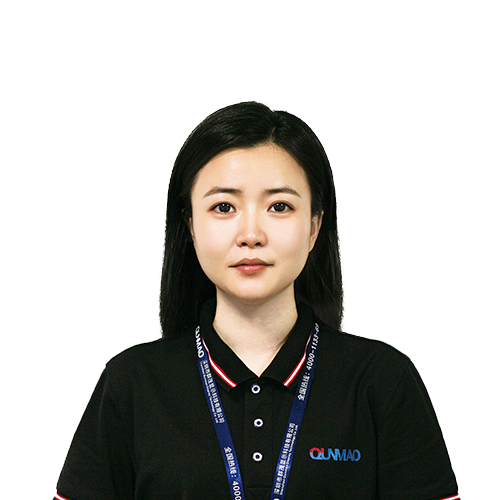
CEO | Experto en soluciones interactivas de visualización y colaboración
Soy el fundador de Qtenboard y aporto más de 17 años de experiencia práctica a la industria de las pantallas táctiles. Basándome en la perspectiva de gestión global obtenida a través de mis estudios de EMBA en la Universidad de ShenZhen, dirijo a mi equipo en la optimización de cada etapa de nuestras operaciones, desde la definición del producto hasta la gestión de la cadena de suministro de alta eficiencia, asegurando que nuestras capacidades de fabricación permanezcan a la vanguardia de la industria.
Como el líder de Qtenboard, me especializo en el abastecimiento de las soluciones adaptadas de OEM/ODM para los whiteboards interactivos, las paredes video del LCD, la señalización digital, y los terminales del tacto del industrial-grado. Con el respaldo de nuestro moderno parque industrial de 330.000 m² en Shenzhen, mantenemos el control del ciclo de vida completo sobre el diseño industrial, la fabricación de precisión y las rigurosas pruebas de rendimiento.
Con casi dos décadas de experiencia en proyectos, las soluciones de visualización de Qtenboard ahora se implementan en más de 120 países y regiones, y se ganaron la confianza de más de 15.000 clientes empresariales en todo el mundo. Si está buscando un socio receptivo con una base de fabricación profunda para sus proyectos personalizados de pantallas táctiles, mi equipo y yo estamos listos para respaldar su visión con excelencia profesional.
 spa
spa
 EN
EN  pt
pt  th
th  vie
vie  aze
aze  bel
bel  est
est  lav
lav  ukr
ukr  ru
ru