Baltās tāfeles OEM ražotāja izvēle nav tikai privāto zīmolu cenu salīdzināšana. Runas ir par to, lai saprastu, ko rūpnīca patiesībā var pielāgot, kā jūsu produkts no idejas nonāk līdz masveida ražošanai un kā jūs aizsargājat savu zīmolu, formveidošanas instrumentus un programmatūru daudzu gadu ilgas partnerattiecības laikā.
Kvalificēts tāfeļu OEM ražotājs vajadzētu darīt vairāk nekā vienkārši uzdrukāt jūsu logotipu uz jau esoša ekrāna. Tai vajadzētu atbalstīt produktu konfigurāciju, displeja un touch tehnoloģiju, programmatūras zīmolu, strukturālo pielāgošanu, kvalitātes testēšanu, sertifikāciju, ražošanu, piegādi un pēcpārdošanas servisu. Šis ceļvedis sniedz ieskatu rūpnīcu veidos, mērķa klientos, pielāgošanas līmeņos, rūpnīcas kapacitātē, ražošanas procesā, izmaksās un kopējās īpašuma izmaksās (TCO), intelektuālajā īpašumā, loģistikā, piegādātāju auditā, kā arī par jautājumiem, kas jāuzdod pirms interaktīvās tāfeles OEM līguma parakstīšanas.
Jūs arī redzēsiet, kur qtenboard, interaktīva plakana paneļa rūpnīca shenzhen ar oem/odm, white-label, strukturālās odm un ckd/skd programmas, ietilpst katrā posmā-lai jūs varētu salīdzināt to ar jebkuru citu digitālo whiteboard oem ražotāju pēc tiem pašiem kritērijiem.
Katrs projekts ir atšķirīgs, taču lielākā daļa OEM pieprasījumu iedalās sešos līmeņos. Šajā tabulā katrs līmenis ir sasaistīts ar tipisku saturu, sākotnējiem ieguldījumiem un pircējiem, kuriem tas vislabāk piemērots.
| Pielāgošanas līmenis | Tipisks saturs | Sākotnējā investīcija | Piemērots | Qtenboard atbalsts |
|---|---|---|---|---|
| Zīmola pielāgošana | Logo, etiķete, iepakojums, rokasgrāmata | Zems | Tirgotāji, privātās zīmolu preces | Sākuma logotips, iepakojums, etiķetes |
| Programmatūras pielāgošana | Lietotāja saskarne, valoda, palaišanas animācija, lietotnes | Zems līdz mērens | Izglītības/korporatīvo risinājumu sniedzēji | Lietotāja saskarne, valoda, iepriekš instalētās lietotnes |
| Aparatūras konfigurācija | Skāriens, operētājsistēma, kamera, audio, porti | Mērena | Integratori, projektu iepirkumi | Android / Windows, skārienjūtīgs, kamera, audio |
| Strukturālā odm | Korpuss, rāmis, montāža, siltuma | Mērens līdz augsts | Īpašas produktu līnijas | Strukturālā odm |
| Privātā veidne | New product structure and appearance | Augsts | Nogatavojušies zīmoli ar apjomu | Privātā pelējuma attīstība |
| CKD / SKD | Demontētās komplekti un vietējā montāža | Projektu pamatā | Regional manufacturers | Ckd/skd eksports un atbalsts |
White label logo iepakojums
Izvēlieties kādu no rūpnīcas kataloga esošajiem modeļiem, pievienojiet savus zīmola elementus un nosūtiet. Zemākais risks, īsākais izpildes laiks.
Lietotāja saskarnes valoda iepriekš ielādētās lietotnes
Pielāgojiet lietotāja saskarni, palaišanas animāciju, fona attēlu, valodu pakotnes un iepriekš instalētās lietotnes, lai produkts justos kā jūsu pašu.
Aparatūras touch kamera/audio porti
Konfigurējiet procesorus, atmiņu, skārienjūtīgās vietas, kameru un mikrofonu komplektus, skaļruņu jaudu un saskarnes plates konkrētam iepirkumam vai izvietojumam.
Strukturāla ODM privātā veidne
Mainiet korpusu, rāmi, montāžas un siltuma dizainu-vai attīstīt pilnīgi jaunu struktūru un izskatu ar privāto pelējumu.
Ckd/skd komplekti
Kuģu demontēti vai daļēji izjaukti komplekti, montēt lokāli, samazināt kuģniecības apjomu un importa nodevu, un izveidot vietējo pakalpojumu tīklu.
Ip, pelējuma īpašums, moq, izpildes laiks, certs
Katrs līmenis prasa rakstisku apstiprinājumu par intelektuālā īpašuma īpašumu, pelējuma īpašumu, moq, piegādes grafiku, sertifikācijas, un pēcpārdošanas noteikumiem.
Whiteboard oem rūpnīca ir ražotājs, kas ražo ciparu dēļus vai interaktīvos plakanos paneļus saskaņā ar klienta zīmolu, produktu specifikāciju un projekta prasībām. Pircējs nodrošina zīmolu, produktu pozicionēšanu, mērķa tirgu, tehniskās specifikācijas, programmatūras prasības, iepakojuma dizains un sertifikācijas vajadzības; rūpnīca uzņemas atbildību par produktu inženieriju, komponentu iepirkumu, montāžu, testēšanu, iepakojums, kuģniecība, un tehniskā un pēcpārdošanas atbalsts.
A customizable digital whiteboard is an interactive display whose hardware, software, appearance, or branding can be modified for a specific project. Typical customization points include brand logo, boot animation, custom UI, language system, pre-installed apps, chassis and frame color, screen size, touch-point count, camera and audio modules, wall-mount structure, and packaging. The broader the factory's in-house engineering, the more of these points you can change without blowing budget or timeline.
Pircēji bieži vien lieto šos sešus terminus savstarpēji aizvietojami, taču katrs no tiem apzīmē atšķirīgu atbildības sadalījumu — un atšķirīgu izmaksu un piegādes termiņu profilu. Izmantojiet šo salīdzinājumu, rakstot savu piedāvājuma pieprasījumu (RFQ).
| Modelis | Pircējs nodrošina | Rūpnīca nodrošina | Labākais par | Qtenboard atbalsts |
|---|---|---|---|---|
| Baltais zīmols | Zīmola un pamata iepakojums | Esošs produkts, minimālas izmaiņas | Ātra ieeja tirgū | Boot logo, packaging |
| Oem | Detalizētas specifikācijas un zīmols | Ražošana atbilstoši jūsu prasībām | Iesakņojušies zīmoli | Pilns OEM |
| Odm | Produkta koncepcija un mērķa tirgus | Produkta platforma, inženierija, ražošana | Zīmoli, kuriem nepieciešama produktu izstrāde | ODM platforma |
| Strukturālā odm | Funkcionālās un strukturālās prasības | Mājokļi, ostas, mehānismi, inženierijas izmaiņas | Special projects | Strukturālā odm |
| Ckd | Vietējās montāžas plāns un produktu prasības | Nokausēti komponenti un tehniskais atbalsts | Vietējie montāžas partneri | CKD export |
| Skd | Reģionālā ražošanas vai importa plāns | Pusgatavi komplekti | Local finishing projects | SKD eksports |
Praktiskā piezīme: ja piegādātājs citē "oem", bet var mainīt tikai logo, tas ir white-label pakalpojums, nevis oem. Apstipriniet, kura pielāgošanas līmenis ir iekļauts, pirms salīdzinot citātus-pretējā gadījumā jūs salīdzināt dažādus produktus, nevis atšķirīgas cenas.
Lielākā daļa OEM pieprasījumu nāk no piecām pircēju grupām, kurai katrai ir nepieciešama atšķirīga pielāgošanas, dokumentācijas un pakalpojumu kombinācija. Nosakiet savējo, pirms vēršaties pie kāda interaktīvo tāfeļu OEM piegādātāja.
Interactive classroom product lines spanning 55–110-inch sizes, education software, classroom apps, school-project certifications, local languages, branded boot screens, and multi-room deployment. Education buyers prioritize certification coverage, software localization, and long-term spare-part availability.
Conference-room whiteboards with 4K displays, wireless screen sharing, Teams/Zoom collaboration, camera-microphone-speaker arrays, enterprise device management, and a premium appearance. Corporate buyers care about audio-video quality, platform integration, and hardware consistency across offices.
Portfeļi dažādos izmēros, integrācijai gatavas saskarnes, OPS un ārējā vadība, saderība ar telpu sistēmām, projekta konfigurācija, tehniskā dokumentācija, partiju piegāde un pēcpārdošanas atbalsts. Integratoriem ir vajadzīga smart whiteboard rūpnīca, kas ārstē tos kā paplašinājumu savu inženieru komanda.
Certifications, data security, unified specifications across sites, long product lifecycles, spare-part availability, phased delivery, and multi-location deployment. Institutional procurement teams evaluate supplier stability and acceptance processes as seriously as unit price.
CKD/SKD export, local assembly, lower shipping volume, reduced import duty or local-content compliance, and a local service and repair network. Local assemblers need a custom digital screen supplier that documents every kit, trains local technicians, and supports customs clearance.
Spēju novērtēšana ir tas posms, kad lielākā daļa pircēju ietaupa vai zaudē naudu. Pirms apspriežat cenu, izvērtējiet digitālās tāfeles OEM ražotāju sešās dimensijās.
Pārbaudiet, vai rūpnīca piedāvā izmērus un produktu kategorijas, kas nepieciešami jūsu attīstības plānam: 55, 65, 75, 86, 98 un 110 collu interaktīvie displeji, interaktīvie galda datori, komerciālie interaktīvie plakanie paneļi, izglītības interaktīvās tāfeles un uzņēmumu sanāksmju displeji. Plašs produktu klāsts ir svarīgs, jo izplatītāji veido pilnīgas produktu līnijas, nodrošina atbalstu gan mazām sanāksmju telpām, gan lielām klases telpām no viena piegādātāja, viennozīmīgi izmanto zīmolu dažādos scenārijos, samazina vairāku piegādātāju pārvaldību un vienkāršo paplašināšanu un nomaiņu. Piemēram, Qtenboard piedāvā 55–110 collu interaktīvos displejus izglītības, uzņēmumu un projektu iepirkumu vajadzībām.
Ask about panel brand and grade, native 4K resolution, brightness, contrast, viewing angle, anti-glare glass, color and display uniformity, panel supply stability, and batch-to-batch consistency. A panel-grade change between shipments is one of the most common hidden cost drivers in OEM projects.
Confirm which touch solutions the factory supports: infrared (IR) touch, projected capacitive (PCAP) touch, optical touch, or custom touch configurations. Then verify touch-point count, response time, palm rejection, simultaneous multi-user writing, finger and stylus recognition, performance on both Android and Windows, touch-glass durability, and how the touch frame is maintained in the field.
Determine the available platforms: Android, Windows, dual system, OPS modules, external PC compatibility, and different CPU/RAM/storage combinations. For enterprise projects, confirm support for device management systems (DMS) and the collaboration apps your customers already use. For education tenders, check whether the platform carries certifications such as Google EDLA, which is increasingly written into school and government specifications.
Verify camera resolution, field of view, auto-framing, microphone array configuration, echo cancellation, noise suppression, speaker power, external device support, and compatibility with major meeting platforms. Video-conferencing performance is now a deciding factor in corporate whiteboard procurement, not a nice-to-have.
The most important question is what the factory controls in-house versus outsources. Look for product engineering, structural design, industrial design, electronic design or configuration capability, software and firmware development, production assembly, injection molding or housing fabrication, quality control, prototype development, and mass production. A factory with its own SMT lines, touch bonding workshops, aging labs, and injection molding can change specifications and fix issues faster than an assembler that depends on third parties. Qtenboard operates its own factory with in-house molding from raw plastic pellets to finished enclosures, and supports hardware, software, appearance, structural, and CKD/SKD customization.
This is the core commercial question in any whiteboard OEM negotiation. Walk through the four customization domains below, then use the six-level summary to decide what your project actually needs.
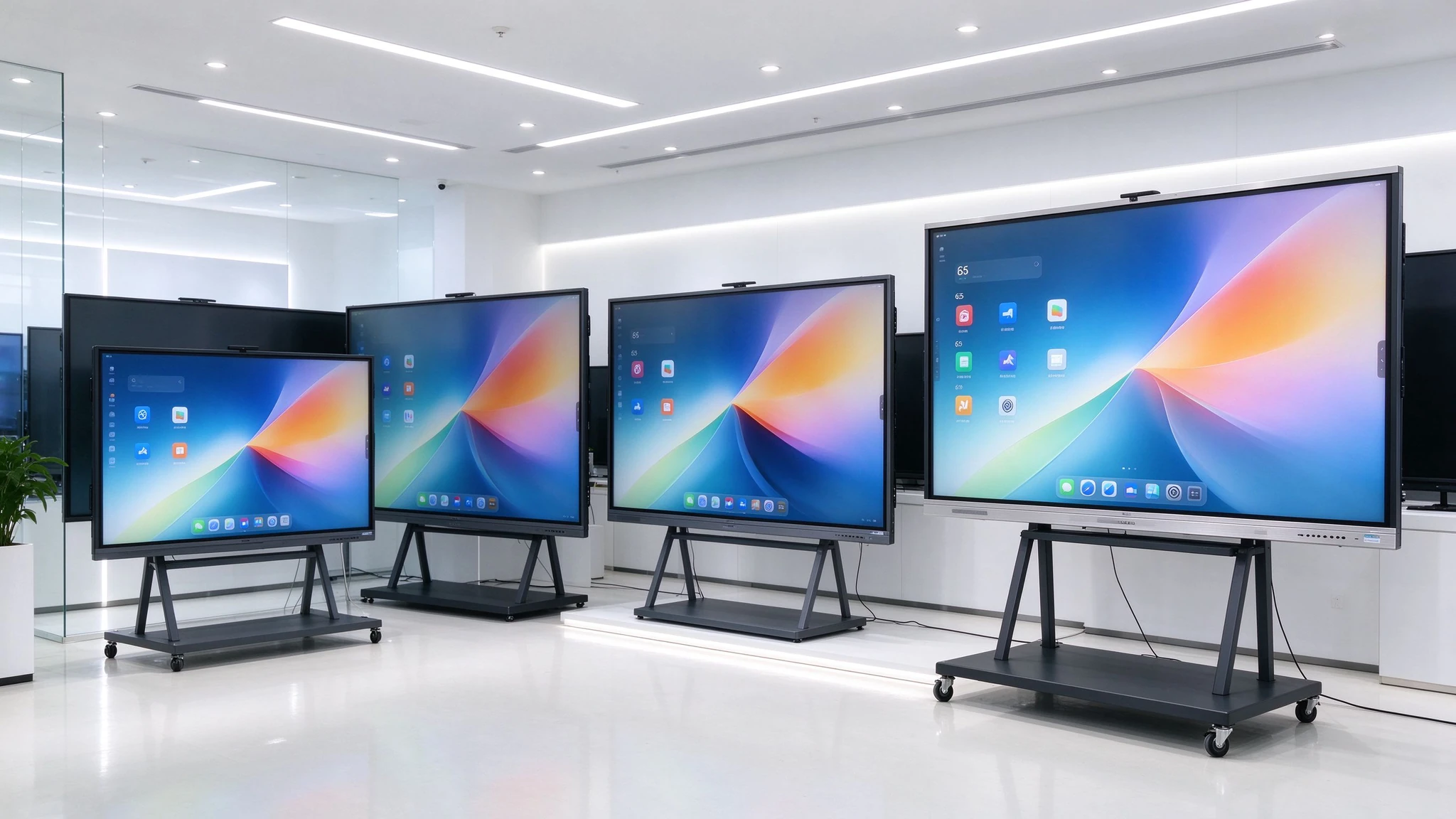
Logo, boot screen, chassis labels, packaging, user manual, quick-install guide, product color, and product naming. This level suits distributors, new brands, small-batch trial sales, and regional agents — the cheapest entry point into OEM and the fastest way to test a market under your own brand.
Boot animation, desktop wallpaper, UI skin, menu language, whiteboard application, screen-sharing application, pre-installed software, enterprise applications, education applications, DMS platform, AI features, accounts, and permissions. Software customization is what makes a private-label digital whiteboard feel genuinely owned. Qtenboard supports UI, logo, packaging, language, wallpaper, boot animation, and pre-installed app customization — including complete regional language packs added at the software layer without hardware changes.
Processor, memory, storage, operating system, touch-point count, camera, microphone, speaker, Wi-Fi, Bluetooth, interface count, OPS slot, power plug, and stand. Hardware configuration matters most for integrators and project procurement, where tender specifications define exact port layouts and computing requirements.
Frame, back cover, color, camera position, port position, wall-mount structure, thermal design, special sizes, private mold, custom stands, and protective design. Structural changes require engineering cycles and, for new appearances, mold development — which is why this level is usually tied to higher MOQs and longer lead times.
| Pielāgošanas līmenis | Tipisks saturs | Sākotnējā investīcija | Piemērots | Qtenboard atbalsts |
|---|---|---|---|---|
| Zīmola pielāgošana | Logo, label, packaging | Zems | Tirgotāji, privātās zīmolu preces | Jā |
| Programmatūras pielāgošana | Lietotāja saskarne, valoda, palaišanas animācija, lietotnes | Zems līdz mērens | Education / enterprise solution providers | Jā |
| Aparatūras konfigurācija | Skāriens, operētājsistēma, kamera, audio, porti | Mērena | Integratori, projektu iepirkumi | Jā |
| Strukturālā odm | Korpuss, rāmis, montāža, siltuma | Mērens līdz augsts | Īpašas produktu līnijas | Jā |
| Privātā veidne | New product structure and appearance | Augsts | Nogatavojušies zīmoli ar apjomu | Jā |
| CKD / SKD | Demontētās komplekti un vietējā montāža | Projektu pamatā | Regional manufacturers | Jā |
Quality claims are easy to make and hard to verify. Ask the interactive whiteboard OEM manufacturer to walk you through the four control gates below — and to show you test reports from each one.
Inspection of incoming parts before assembly: LCD panels, touch modules, glass, mainboards, power supplies, cameras, microphones, speakers, housings, cables, and interface boards. IQC prevents defective components from entering the line — the single most effective way to keep batch failure rates low.
In-line checks during assembly: screen assembly, touch calibration, mainboard installation, power safety, firmware flashing, interfaces, wireless networking, audio-video performance, and appearance of frame and chassis. PQC catches issues while the unit is still on the line.
Full functional testing before packing: 4K display, brightness and uniformity, multi-point touch, writing and erasing, wireless screen sharing, HDMI/USB/LAN/Wi-Fi, camera-microphone-speaker, long-duration aging, and drop-tested packaging. Look for 24-hour aging (burn-in) as standard practice.
Golden-sample approval, mass-production standards, key-component traceability, batch-to-batch consistency, component change notification (PCN), and end-of-life replacement planning. Consistency — not just the first unit — is what protects your brand in the field.
The OEM process follows seven stages. Knowing them in advance lets you control cost, lead time, and risk at each gate instead of discovering surprises after the deposit is paid.
Target market, product use case, target customers, size range, annual quantity, target price, operating system, touch requirements, software requirements, customization level, certification requirements, and delivery region.
Product recommendation, specification sheet, configuration options, MOQ, sample fee, mold fee, development lead time, mass-production price, certification plan, and packaging options.
Display, touch, multi-user collaboration, operating system, wireless screen sharing, software, camera and audio, interfaces, long-duration operation, and packaging.
Appearance, logo, color, hardware, software, boot screen, packaging, user manual, and test standards. The golden sample becomes the fixed reference for every production batch.
Process stability, supply chain readiness, packaging, assembly time, defect rate, on-site installation, and software-hardware consistency before full production.
Production scheduling, key-component inventory, factory capacity, shipment batches, inspection method, payment milestones, and transport plan.
Warranty, spare parts, DOA policy, technical support, firmware updates, repair process, product upgrades, end-of-life notice, and replacement models.
Ask the factory which of these seven stages it documents in writing. A smart whiteboard factory that provides a written golden-sample sign-off and a pilot-production report is telling you how it will behave over the life of the partnership.
There is no meaningful "average price" for a customizable digital whiteboard, because the specification — not the screen size — drives the price. The main variables: screen size, panel grade, touch technology, touch-point count, Android/Windows configuration, camera and audio, software customization, structural design, private-mold development, packaging, certifications, MOQ, and whether you ship finished units or CKD/SKD kits for local assembly.
| Pielāgošana | Cost impact | Lead-time impact |
|---|---|---|
| Logo and label | Zems | Short |
| Iepakojums | Zems līdz mērens | Short to moderate |
| Boot logo and UI | Zems līdz mērens | Mērena |
| Aparatūras konfigurācija | Mērena | Mērena |
| Structural change | Mērens līdz augsts | Longer |
| Privātā veidne | Augsta sākotnējā investīcija | Longest |
| CKD / SKD program | Projektu pamatā | Depends on local assembly plan |
Suitable for market testing, sample procurement, small-batch projects, startup brands, and basic logo-plus-packaging customization. Low MOQs limit customization depth, unit pricing, exclusive software development, and mold investment. Some factories offer entry-level software branding from a single unit — Qtenboard's software-level OEM tier, for example, starts at 1 unit with no mold fee.
Suitable for private molds, exclusive software, hardware development, long-term brand partnerships, and multi-region deployment. Higher volume unlocks better unit cost, deeper customization, more stable supply chains, and a clearer product lifecycle. Always ask for the MOQ per customization level — the MOQ for a logo change and the MOQ for a new mold are rarely the same number.
Mold, certification, and software development fees amortize across batch volume, so a low-MOQ project carries a higher per-unit burden. Low MOQ means higher unit cost but works for market testing; large volume lowers unit cost and suits long-term brand building. The long-term cost gap between private and public molds is significant: a private mold buys exclusive appearance and structure; a public mold avoids tooling investment but limits differentiation. Finally, after-sales, spare parts, and software maintenance are recurring costs — budget them from day one, because they decide whether the product stays profitable in year three.
Specifications that were optional two years ago are becoming mandatory in RFQs and tenders. Build these into your project brief now, so your product does not need a mid-life redesign.
Native EDLA certification is increasingly written into education specifications, replacing "EDLA-ready" claims. Confirm the certification status of the platform you choose — it affects which Google services and apps run on the device.
Corporate buyers are asking for verified compatibility with Microsoft Teams and Zoom rooms, including camera, microphone, and speaker performance under real meeting conditions.
AI meeting summaries, AI noise reduction, and AI-assisted writing are moving from flagship models into mainstream OEM configurations. Ask how AI is delivered — on-device, cloud, or hybrid — because that affects data security reviews.
Zero-trust security requirements and DMS remote device management are standard in enterprise and government procurement. Verify firmware update mechanisms, permission control, and local data protection.
USB-C one-cable connection and AV-over-IP are appearing in conference-room specifications. Confirm the port layout supports the cabling your integrator customers already deploy.
Sustainability and energy requirements, trade compliance, tariffs, rules of origin, and certification updates (CE, FCC, RoHS, REACH, Energy Star) all change OEM shipment cost and documentation. Re-verify them per delivery region at least once a year.
IP terms are the part of an OEM agreement that buyers most often discover too late. Resolve these seven points in writing before mass production:
Also confirm the factory's mold policy in the proposal: some suppliers charge zero mold fee for customization based on existing (public) molds, and only charge tooling for new private molds. That distinction can save a first-time brand tens of thousands of dollars.
Freight and duty often add 10–30% to the landed cost of a smart board — sometimes more. Plan the delivery model before you negotiate price per unit.
Many whiteboard OEM quotes come from trading companies that resell another factory's output. A trading company is not automatically unreliable — but you must verify the same things one layer removed. Use this comparison during supplier screening.
| Evaluation point | Factory-direct supplier | Tirdzniecības uzņēmums |
|---|---|---|
| Product control | Usually stronger | Depends on partner factory |
| Pielāgošanas dziļums | Often deeper | Var būt ierobežots |
| Cost transparency | Usually more direct | May include extra layers |
| Tehniskais atbalsts | Closer to engineering | May rely on external factory |
| Kvalitātes kontrole | Verifiable at source | Must be verified separately |
| Product changes | Usually more controllable | May be harder to manage |
The deciding factors are transparency (does the supplier disclose the actual factory?), responsibility (is there a clear specification and liability boundary?), capability (can it provide samples, testing, certifications, and after-sales?), and consistency (can it guarantee batch-to-batch quality?). Ask for a factory video tour or on-site audit as part of due diligence.
These projects show how different customization levels work in practice. The first is a published Qtenboard partnership; the others are typical engagement patterns for a digital whiteboard OEM manufacturer.
Qtenboard partnered with a Thailand-based project integrator to bid a 2,000-unit 75-inch interactive whiteboard government tender, combining custom hardware, custom software, and bid-specification control with native EDLA certification and full-chain manufacturing. The model: factory and integrator jointly lock the specification, then deliver at tender scale.
A distributor in Central Asia launched a private-label digital whiteboard line with branded boot animation, local-language UI, localized packaging and manuals, and a pre-installed education app suite. Using the software-level OEM tier, it validated the market with a small first batch before committing to structural customization.
A Latin American partner imports knocked-down interactive display kits, assembles locally, and gains duty advantages plus a local service and repair network. The factory supplies BOM documentation, assembly guidance, and technician training with the kit program, turning a hardware import into a local manufacturing operation.
Case specifics — volumes, pricing, and delivery terms — vary by project and market. Use these as reference patterns, then ask for project-relevant references during supplier evaluation.
Qtenboard is positioned here as an option to compare against any other interactive flat panel factory — not as the only choice. It started in 2005 in Shenzhen as a CKD/SKD display component supplier, and today operates manufacturing bases in China with in-house SMT, touch bonding, injection molding, automated assembly, and aging-test laboratories. Products export to more than 100 countries, with ISO 9001, CE, FCC, and native EDLA certifications.
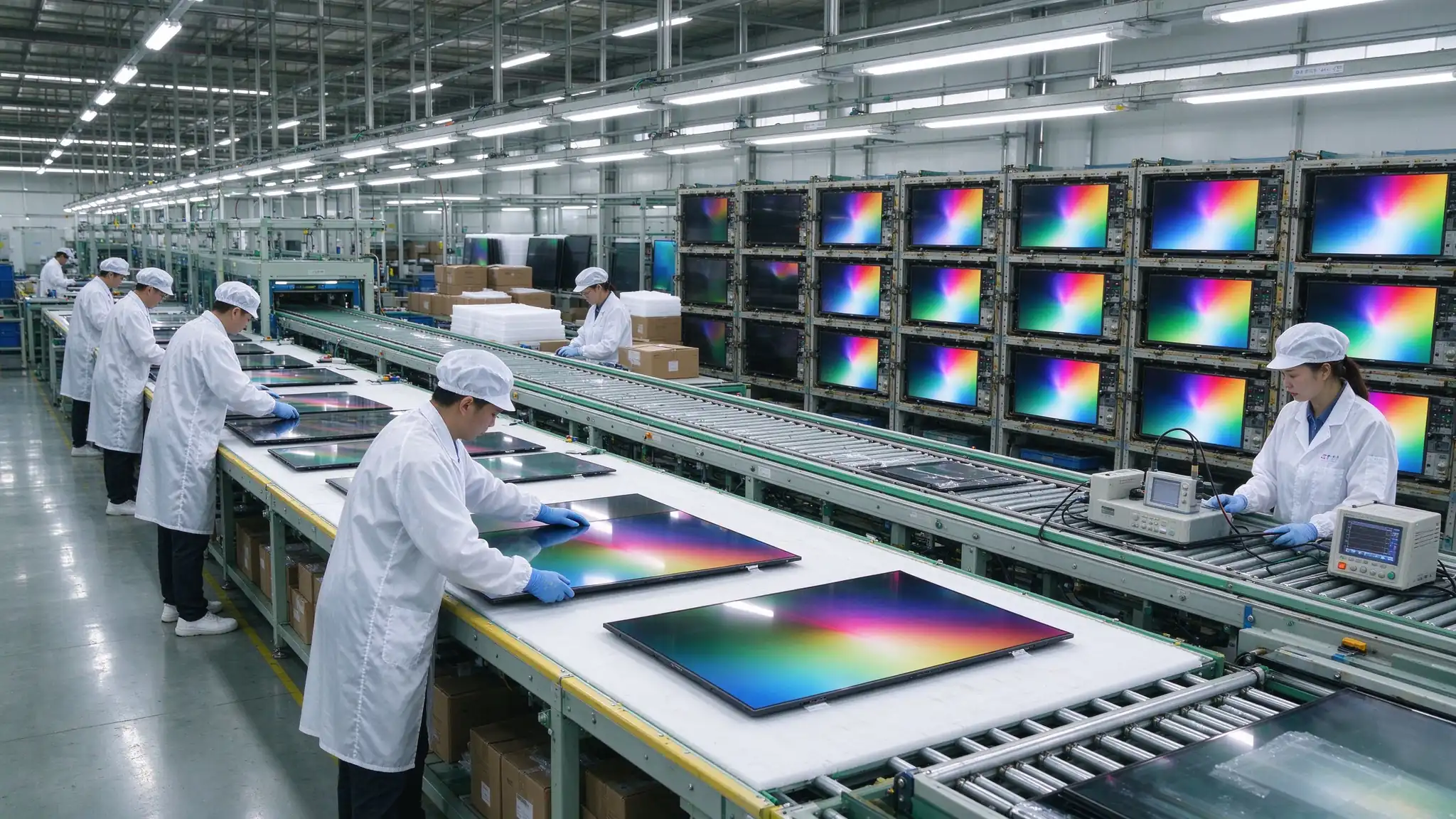
Interactive flat panels, digital whiteboards, digital signage, and self-service kiosks, with brand, software, hardware, appearance, and structural customization. Because production is in-house, specification changes, quality issues, and delivery schedules are handled by one accountable team.
Qtenboard structures OEM/ODM into four tiers that map to the six levels in this guide: software and firmware customization (from 1 unit, no mold fee), appearance customization on public molds (low/no MOQ, no mold fee), structural customization on public molds (from 50 units), and private-mold or full-custom development (mold fee plus volume commitment). White-label, logo and packaging customization, UI and boot animation, hardware configuration, structural ODM, and CKD/SKD export are all available.
55–110-inch interactive whiteboards and interactive flat panels for classrooms, corporate meeting rooms, training rooms, boardrooms, hybrid work, and large projects — with 4K displays, multi-point touch, Android and OPS (Windows) options, and camera, microphone, and speaker configurations.
Schools and education distributors, corporate meetings and training, government projects, AV system integrators, commercial display brands, and multi-region batch projects. Qtenboard also provides tender and bid support — bid documentation and technical specification structuring that helped 160+ clients win government procurement tenders in 2025.
To get a proposal, submit your target market, preferred sizes, estimated quantity, touch-point requirements, operating system, certification needs, software and UI needs, packaging requirements, and delivery plan. The factory responds with a project-specific recommendation rather than a generic catalog price.
| Pircēja prioritāte | Qtenboard vērtības piedāvājums |
|---|---|
| Pielāgošanas dziļums | Brand, software, hardware, structural, private mold, CKD/SKD |
| Product range | 55–110-inch interactive displays |
| Ražošanas kontrole | In-house production, aging test, batch consistency |
| Globāls atbalsts | Paraugi, sertifikācijas, rezerves daļas, projektu koordinēšana |
| Vietējā sapulce | CKD/SKD export and technical support |
A whiteboard OEM factory is a manufacturer that produces digital whiteboards or interactive displays according to a customer's brand, product specifications, and project requirements. Its scope can include hardware, software, appearance, packaging, testing, and delivery — not just label application.
Logo, packaging, boot animation, UI, language, pre-installed apps, screen size, touch-point count, operating system, camera and audio, interfaces, chassis, and structure. The depth of customization depends on the level you choose and the factory's engineering capability.
White label usually means adding your brand and packaging to an existing product with minimal changes. OEM generally means producing to your brand and technical specifications, which can involve hardware, software, and appearance customization. A supplier that only changes the logo is offering white label, not OEM.
Some factories offer structural ODM or private-mold services, but these involve design, tooling, testing, and usually higher MOQs. Before purchase, confirm the development fee, mold ownership, lead time, and ownership of design outputs in writing.
CKD (completely knocked down) and SKD (semi knocked down) are export modes where units are shipped disassembled or semi-disassembled. They suit partners who want to assemble locally, reduce shipping volume, or meet localization requirements for duty and compliance.
Cost depends on size, panel grade, touch technology, operating system, camera and audio, software, structure, molds, packaging, certifications, quantity, and delivery region. There is no meaningful average price — request quotes against a complete project specification.
Logo, packaging, and basic software customization may be available at low or single-unit quantities; structural changes, private molds, and deep software development usually require higher MOQs or a long-term purchase plan. Ask for MOQ per customization level, not one number.
Mold ownership, software code, SDKs, brand assets, and design outputs must be defined in the contract. Confirm who pays the mold fee, what happens to usage rights after the project ends, and whether non-compete or territory protection applies.
Yes. Qtenboard publicly offers white-label, OEM, structural ODM, CKD, and SKD services, and supports customization of logo, UI, packaging, language, boot animation, pre-installed apps, and hardware configuration — with software-level customization available from a single unit.
Yes. Samples, specification confirmation, customization review, and a golden-sample approval process are discussed on a project basis. Before formal ordering, test display, touch, software, screen sharing, interfaces, and audio-video performance against your own acceptance criteria.
Pieprasīt OEM/ODM piedāvājumu
Request a Private-Label Catalog & Sample
Pieprasījums projekta konfigurācijas atbalsts
Download Supplier Audit Checklist
Discuss a CKD/SKD Project
Share your target market, preferred screen sizes, touch requirements, operating system, branding needs, estimated quantity, and delivery plan. Qtenboard can recommend a whiteboard OEM, ODM, private-label, CKD, or SKD solution for your project.
This guide was compiled by Qtenboard's B2B export team from factory production data, certification records, and published partnerships, reviewed against current market requirements. Figures cited are from Qtenboard's public pages, current as of September 2026: founding in 2005 in Shenzhen; three manufacturing bases; a 330,000 m² campus with 16 factory buildings; daily output of 200+ units; ISO 9001, CE, FCC, and native EDLA certifications; and a published 2,000-unit government tender in Thailand. Confirm certification status, volumes, and warranty terms with your supplier, and put mold ownership and IP terms in writing before mass production.
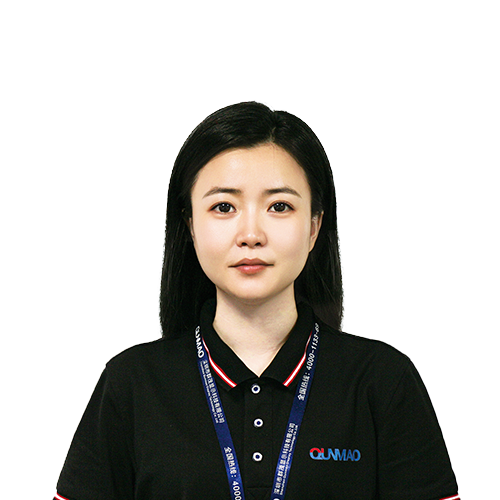
Ceo | interaktīva displeja un sadarbības risinājumu eksperts
Esmu Qtenboard dibinātājs, un man ir vairāk nekā 17 gadu praktiskas pieredzes skārienjūtīgo ekrānu nozarē. Pamatojoties uz globālās vadības perspektīvu, kas iegūta, izmantojot emba studijas šengenas universitātē, es vadu savu komandu, optimizējot katru darbības posmu-no produktu definīcijas līdz augstas efektivitātes piegādes ķēdes pārvaldībai-nodrošinot, ka mūsu ražošanas spējas paliek nozares priekšgalā.
Kā qtenboard līderis, es specializējos, lai nodrošinātu pielāgotus oem/odm risinājumus interaktīvajām tāfelēm, lcd video sienām, ciparu apzīmēm un rūpnieciskās kvalitātes pieskāriena termināļiem. Atbalstīts mūsu 330,000 m² mūsdienu rūpniecības parks shenzhen, mēs uzturēt pilnu dzīves cikla kontroli pār rūpniecisko dizainu, precizitāti ražošanu un stingru veiktspējas testēšanu.
Ar gandrīz divus gadu desmitus ilgu projekta pieredzi, qtenboard displeja risinājumi tagad tiek izvietoti vairāk nekā 120 valstīs un reģionos, nopelnījis vairāk nekā 15,000 uzņēmumu klientu uzticību visā pasaulē. Ja jūs meklējat atsaucīgu partneri ar dziļu ražošanas pamatu jūsu pielāgotiem touch displeja projektiem, mans komanda un es esam gatavi atbalstīt jūsu vīziju ar profesionālu izcilību.
 lav
 EN
 spa
 pt
 vie
 th
 est
 aze
 ukr
 bel
 ru