A complete guide to smart classroom interactive whiteboard procurement for universities and K–12 schools — covering compliance, risk, TCO, and supplier evaluation.
EDLA certification has shifted from optional feature to mandatory baseline for smart classroom procurement.
Against the trend of standardized and compliant procurement for smart campuses, EDLA certification has evolved from an optional premium feature into a mandatory baseline qualification for interactive whiteboard procurement in smart classrooms. Most conventional interactive whiteboard products on the market only deliver basic display functions, and commonly suffer from incomplete compliance, poor ecosystem compatibility, high long-term maintenance costs and rapid hardware obsolescence.
Extended service life, stable performance and continuous official updates reduce repurchases and cut long-term maintenance costs.
Licensed Google GMS with long-term security patch support ensures regulatory compliance and prevents premature equipment elimination.
450-nit constant brightness and 4K UHD resolution ensure clear visuals for every student, even under strong ambient light.
High-precision multi-point touch enables simultaneous group collaboration and interactive teaching across curriculum reforms.
| Procurement Evaluation Item | Ordinary Non-EDLA Whiteboards | Qtenboard EDLA-Certified | Practical Value |
|---|---|---|---|
| System Licensing & Security | No official GMS license; no system iteration; incomplete educational software | Licensed Google GMS; hundreds of CTS/GTS tests passed; long-term security patches | Ensure long-term regulatory compliance; avoid premature equipment elimination |
| Displeja kvalitāte | Low WXGA resolution; insufficient brightness; blurry for back-row students | 4K UHD + constant 450-nit brightness; uniform visual effect across whole classroom | Support high-precision professional teaching; pass teaching supervision inspections |
| Touch Performance | Limited touch points; low sampling rate; writing lag; single-user only | Up to 50-point high-precision touch; low latency; multi-student simultaneous operation | Facilitate group discussions and interactive teaching under new curriculum reforms |
| Kalpošanas laiks | 20,000–30,000 hours; severe brightness decay after ~10 years | Up to 50,000-hour lifespan; stable performance for ~17 years | Extend campus fixed-asset service cycle; reduce repeated hardware investment |
| Long-term TCO | Low upfront cost; high hidden costs on maintenance, rectification and replacement | Standard compliant configuration; minimal breakdowns; low follow-up maintenance | Improve long-term utilization efficiency of educational fiscal funds |
Hidden drawbacks of non-certified hardware that most buyers only discover after deployment.
Most failures in smart classroom projects do not stem from poor hardware quality, but from the fact that many manufacturers only pursue superficial parameters without EDLA compliance certification for their interactive whiteboard products. If buyers only compare screen size, basic brightness and unit price during tendering, they will face a chain of troubles including failed project acceptance, frequent crashes of Google education applications and surging maintenance tickets for classroom interactive whiteboard facilities.
Many non-certified interactive whiteboard devices purchased by schools in earlier years began to malfunction massively after 2–3 years of operation: poor compatibility with Google Education Suite, frequent disconnection during remote teaching, writing delay, gradual brightness degradation and discontinued official system updates. Schools are forced to spend repeatedly on repairs or even replace the whole batch of equipment in advance.
The root cause is the lack of official Google GMS licensing, which leads to inherent compatibility defects and unstable connection with educational platforms. Products developed strictly under EDLA standards cover compliance requirements throughout hardware selection and system adaptation. Large-scale campus deployment cases of Qtenboard prove that compatibility failures and system breakdowns can be largely controlled, greatly easing the long-term maintenance burden of school IT departments.
For schools planning new construction or mass renovation of smart classrooms, software and hardware compliance of interactive whiteboard devices determines not only classroom teaching experience, but also one-time project acceptance results and whether additional reconstruction budgets will be required in the next 3–5 years.
Google EDLA is a standardized entry framework exclusively for educational hardware with numerous strict test items.
Google EDLA is a standardized entry framework exclusively for educational hardware with numerous strict test items, especially for core classroom equipment like interactive whiteboards. Only products passing dual software and hardware tests with publicly verifiable qualifications can satisfy long-term operation demands of smart campus deployment. Qtenboard has finished all EDLA software and hardware debugging and compatibility testing to form a complete compliant deployment solution.
WXGA low resolution, PPI ≈ 18, grainy visuals
✓ 4K UHD, PPI ≈ 52, ~9× more pixels — clear for engineering drawings & medical scans
Low baseline; sharp decay after 2 years
✓ Constant 450-nit; clear beside sunlit windows all day
Max 10 touch points; low sampling rate; writing lag
✓ Up to 50-point touch; high sampling rate; lag-free handwriting
20,000–30,000 hours; rising failure rates mid-term
✓ 50,000-hour backlight; long-term stable, fewer replacements
The vast majority of Android-based teaching devices only install basic operating systems without official GMS licensing. They can merely realize temporary basic functions and fail to meet the entry criteria of educational informatization compliance for formal campus deployment.
Continuous official security patches and version upgrades prevent software crashes and application failures to guarantee stable long-term operation of campus IT equipment.
Open standardized API access for hierarchical unified account control, seamlessly connecting with the school's existing IT framework and complying with campus network cybersecurity policies.
Fully run Google Classroom, Google Meet, cloud drive and other applications, completing the hybrid teaching loop that ordinary devices cannot support.
Key pitfalls for school purchasers that only surface after campus deployment.
Non-certified interactive whiteboard products only have a short-term price advantage. After campus deployment, schools will face four risks involving acceptance, teaching quality, budget control and fixed asset management. EDLA-standardized equipment eliminates these risks and matches schools' long-term stable operation objectives.
Non-standard devices frequently suffer blurry displays, touch failure and remote teaching disconnection. Mass breakdowns lead to long rectification cycles, high coordination costs and project delays.
✓ Every Qtenboard indicator meets tender technical clauses with stable Google ecosystem performance, ensuring smooth project delivery.
Low-resolution screens cannot clearly display high-definition drawings, medical scans and refined courseware, undermining teaching quality and failing regular supervision assessments.
✓ 4K ultra HD display adapts to all subjects. Zooming, video playback and real-time annotation remain sharp and stable.
Non-certified devices require frequent repairs with high costs for backlight and component replacement. Two-year maintenance expenses can equal the initial equipment cost, squeezing informatization budgets.
✓ Low failure rates and extended service life keep follow-up maintenance costs minimal, directing budgets to teaching development.
Devices without official system updates encounter software incompatibility within 2–3 years, resulting in early idling and scrapping — leading to non-compliance in fiscal fixed asset audits.
✓ Continuous official version upgrades extend equipment service life, improve asset utilization and guarantee all hardware passes fixed asset audits.
An EDLA-based ecological system turns interactive whiteboards into core hubs of smart classrooms.
Simple hardware parameter stacking only solves basic display demands. Only an EDLA-based ecological system can turn traditional interactive whiteboard devices into core hubs of smart classrooms. Qtenboard optimizes software and hardware targeting real teaching scenarios to align with standardized smart campus construction for high-performance interactive whiteboard application.
The 450-nit 4K screen supports multi-window display for courseware, documents and real-time annotation. Teachers keep main lights on without screen whitening. For open class recording, stable brightness meets broadcast standards without extra fill lights.
Up to 50-point high-precision touch breaks the limitation of single-person lecturing. Multiple students can write, hold group discussions and collaborate simultaneously, transforming one-way lecturing into inquiry-based group learning.
Native support for Google Classroom assignment distribution, Google Meet dual-teacher remote teaching and automatic Google Drive cloud saving — forming a complete digital workflow from lesson prep to after-class review.
The EDLA-certified ecosystem launches cloud educational software immediately after startup without repeated debugging, realizing stable synchronization between on-site and remote online classes with no peripheral cost.
A real-world deployment across 200 smart classrooms demonstrating measurable outcomes.
A science and engineering university in Tajikistan launched a renovation project covering 200 smart classrooms. Previously deployed ordinary interactive whiteboard devices suffered frequent malfunctions. 38% of maintenance tickets were related to screen errors, system crashes and remote teaching disconnections. Google Education Suite ran unstably, forcing teachers to bring personal laptops every class, which fell short of smart campus construction goals.
The school uniformly replaced all equipment with Qtenboard EDLA-certified interactive whiteboard devices. The Google Admin Console supported zero-touch bulk configuration and centralized background management for campus-wide devices. The highly standardized deployment would not increase IT staff's maintenance workload even for bulk rollout.
| Evaluation Item | Previous Non-standard Equipment | Post-upgrade Qtenboard EDLA |
|---|---|---|
| Maintenance Tickets | Frequent breakdowns; heavy daily repair workload | Sharp drop in malfunctions; greatly reduced long-term pressure |
| Pre-class Preparation | Tedious boot-up debugging for unstable systems | Instant startup; one-click launch; saves pre-class debugging time |
| Hybrid & Remote Teaching | Frequent lagging, crashes and disconnections | Smooth system operation supporting regular hybrid teaching |
| Project Acceptance | Multiple compliance defects; failed standards | Full indicator compliance; one-time successful acceptance |
This project offers a clear construction blueprint for peer science and engineering universities: set EDLA certification as a hard threshold for interactive whiteboard procurement and select suppliers with bulk project experience to guarantee on-time high-quality delivery of large-scale renovation projects with satisfactory acceptance and low long-term maintenance.
How to avoid counterfeit certificates and lock in genuine long-term compliance from the source.
Many products in the market falsely claim EDLA qualification with counterfeit certificates, short after-sales promises and no long-term system update support. Schools should set clear screening clauses in tender documents to avoid interactive whiteboard procurement traps.
Suppliers must provide Google-official EDLA certification numbers and complete GMS licensing documents to block counterfeit and OEM non-standard products. All Qtenboard certifications can be verified on Google's official partner directory with fully transparent qualifications.
Tender documents shall require manufacturers to provide no less than 5 years of official system security updates and ecological adaptation services with binding written clauses instead of oral promises, maintaining long-term compliance throughout the equipment's service life.
For centralized procurement of over 50 classrooms, suppliers must support zero-touch bulk deployment, campus-wide centralized device management and local after-sales teams to prevent project delays and uneven quality caused by insufficient delivery capacity.
A mature solution shall include complete compliance certificates, standardized quality control, bulk deployment cases in multiple schools and full-lifecycle maintenance services. Qtenboard meets end-to-end procurement requirements from tendering and installation to acceptance and long-term maintenance.
Chasing low upfront prices while skipping certification requirements will lead to a series of troubles including failed acceptance, unsatisfactory teaching supervision results, ballooning maintenance budgets and premature scrapping of fixed assets. An increasing number of schools have added EDLA certification clauses into tender documents to lock in long-term equipment compliance from the source.
Hardware solutions that strictly follow EDLA software and hardware standards, carry licensed Google ecosystem and have proven large-scale campus deployment experience can achieve three core goals: one-time project acceptance, stable daily teaching and long-term value preservation of fiscal funds.
Supported by solid compliance credentials and all-scenario teaching adaptability, Qtenboard delivers stable and long-lasting hardware options for bulk tendering and informatization upgrading of smart classrooms in universities and K12 schools, promoting standardized smart campus construction.
Bieži uzdotie jautājumi
Q: What is the core difference between EDLA-certified and non-EDLA interactive whiteboards in terms of display quality?
A: EDLA-certified interactive whiteboards adopt fixed 450-nit constant brightness and 4K UHD resolution. Brightness will not decay rapidly within 10 years, and the screen remains clear even under strong classroom sunlight. Non-EDLA panels use low WXGA resolution with unstable brightness; the screen becomes dim and blurry after 2–3 years of use, which cannot meet long-term teaching supervision requirements.
Q: Does EDLA certification include official Google GMS licensing? Can non-certified devices run Google Education Suite normally?
A: Formal EDLA products come with genuine Google GMS licenses and have passed CTS & GTS compatibility tests. Non-EDLA interactive whiteboards have no official GMS authorization. They will suffer frequent software crashes, Meet disconnections and application failures after short-term use, making hybrid remote teaching impossible.
Q: Is EDLA certification a mandatory tender requirement for university and K12 smart classroom projects?
A: More and more school procurement departments have listed EDLA qualification as a hard bidding threshold. Without this certification, interactive whiteboard equipment may cause project acceptance failure and be eliminated in advance within 3–5 years, resulting in wasted educational fiscal budgets.
Q: How much difference is there in the total cost of ownership (TCO) between EDLA and non-EDLA interactive whiteboards in the long run?
A: Non-EDLA whiteboards have low upfront cost but high later expenses on maintenance, screen replacement and equipment renewal. EDLA-certified models have a 50,000-hour lifespan with continuous official system updates. Maintenance work orders are greatly reduced, and the service cycle can reach 17 years, effectively cutting long-term investment for schools.
Q: How to verify whether an interactive whiteboard’s EDLA certificate is genuine and avoid fake OEM products?
A: Reliable suppliers need to provide publicly verifiable EDLA serial numbers on Google official partner platform, together with binding written contracts promising at least 5 years of official system security updates. Qtenboard’s EDLA and GMS qualifications are fully traceable to prevent counterfeit non-compliant hardware in campus bulk procurement.
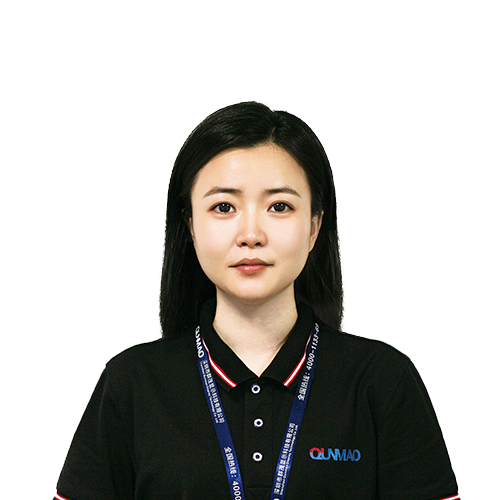
Ceo | interaktīva displeja un sadarbības risinājumu eksperts
Esmu Qtenboard dibinātājs, un man ir vairāk nekā 17 gadu praktiskas pieredzes skārienjūtīgo ekrānu nozarē. Pamatojoties uz globālās vadības perspektīvu, kas iegūta, izmantojot emba studijas šengenas universitātē, es vadu savu komandu, optimizējot katru darbības posmu-no produktu definīcijas līdz augstas efektivitātes piegādes ķēdes pārvaldībai-nodrošinot, ka mūsu ražošanas spējas paliek nozares priekšgalā.
Kā qtenboard līderis, es specializējos, lai nodrošinātu pielāgotus oem/odm risinājumus interaktīvajām tāfelēm, lcd video sienām, ciparu apzīmēm un rūpnieciskās kvalitātes pieskāriena termināļiem. Atbalstīts mūsu 330,000 m² mūsdienu rūpniecības parks shenzhen, mēs uzturēt pilnu dzīves cikla kontroli pār rūpniecisko dizainu, precizitāti ražošanu un stingru veiktspējas testēšanu.
Ar gandrīz divus gadu desmitus ilgu projekta pieredzi, qtenboard displeja risinājumi tagad tiek izvietoti vairāk nekā 120 valstīs un reģionos, nopelnījis vairāk nekā 15,000 uzņēmumu klientu uzticību visā pasaulē. Ja jūs meklējat atsaucīgu partneri ar dziļu ražošanas pamatu jūsu pielāgotiem touch displeja projektiem, mans komanda un es esam gatavi atbalstīt jūsu vīziju ar profesionālu izcilību.
 lav
lav
 EN
EN  pt
pt  spa
spa  th
th  vie
vie  aze
aze  bel
bel  est
est  ukr
ukr  ru
ru  arm
arm