Ülemaailmne üleminek töötajatelt loenduridelt iseteenistusele kiirendab. Jaekaubanduse, tervishoiuteenuste, transpordi ja külalislahkuse valdkonnas tõusevad tööjõukulud, samal ajal kui riistvarahinnad on pidevalt langenud. Kuid paljud ettevõtjad ikkagi jõuavad “ükssize küfits pasaall” kioskid - ja maksta varjatud hind.
Standardterminalid loovad töövoo hõõrdumist. Need sunnivad sinu unikaalset kassa, registreerimist või piletite protsessi jäigasse vormi. Tulemus: aeglasemad tehingud, rohkem kasutaja vigu ja pettunud kliendid. Mis hullem, üldised disainid lahjendavad teie kaubamärgi identiteeti ja sageli puuduvad nõuetele vastavuse omadused, mis on vajalikud konkreetse turu jaoks.
Kohandamine ei ole luksus - see on strateegiline investeering. Kohandatud iseservice terminal muutub tegevussõlm, mis vähendab hõõrdumist, suurendab läbima, ja tugevdab brändi tunnustamist. See juhend läbib kogu elutsükli: ROI modelleerimine ja OEM/ODM valik läbi globaalse sertifitseerimise, kasutuselevõtu, ja ennustav hooldus.
Enne räägime rahast. Kohandamiskulusid on sageli valesti arusaadav. Me jaotame need kahte kategooriat:
Tööstuskaubandus: Katsesõidukite puhul (alla 300 ühikut) võivad pehmed tööriistad või CNC prototüübid olla majanduslikud. Laevastiku kasutuselevõtud (1 000 ühikut) annavad kõva tööriistad väiksemad kulud ühiku kohta ja rangemad tolerantsid.
| Kasutuskaala | Soovitatav lähenemine | Tüüpiline NRE (USD) | Ühiku kulude suundumus |
|---|---|---|---|
| Piloot (10 μέ100 ühikut) | Väljastatud riiuliga logo & tarkvara kohandamisega | 5k/$15k | Kõrge, kuid madal eesmärge |
| Piirkondlik (100 ühikut) | Pehme tööriistade osalise riistvara kohandamine | $20 / $50 hommikul. | Mõõdukas, hea murtud. |
| Riiklik (500 ühikut) | Raske tööriistad, täielik kohandatud korpus ja PCB | $60k 150k | Väikseim ühiku kohta, parim ROI |
| Globaal (2 000 ühikut) | Multi-region sertifitseeritud platvorm | Üle 200k | Optimeeritud, jagatud sertifitseerimisega |
5 aasta TCO võrdlus: Üldine kiosk võib maksta 30% vähem eespool, kuid kõrgem rikkemäär, pikem remondiaeg, ja täitmatajäänud trahvid võivad säästud kustutada. Eesmärk, mille ehitatud terminal kaugdiagnostika ja ennustav hooldus tavaliselt pakub. 20-30% madalam kogukulud Üle viie aasta.
See osa on kiire viide. Hilisemad peatükid sukelduvad sügavamale valiku loogika.
| Ettevõtlus stsenaain | Soovitatav põhiseadistus | Tüüpiline juhtimisaeg |
|---|---|---|
| Kõrge tarbimine jaemüük | Kaks ekraani, PCAP, NFC paat, printer, sularaha taaskasutus | 12-16 hooaeg |
| Välispiletid (transport) | IP65, antidivandal, 4G varukoopia, soojusprinter, QR skaner | 18–22 hooaeg |
| Tervishoiuteenuste registreerimine | Privaatsusfilter, Sõrmejälje ID skanner, HIPAA שa | 14. 18. hooaeg |
Suur kohandamine algab oma tegevuse tegelikkuse mõistmisega.
Siin muutub kohandamine füüsiliseks. Valik OEM ja ODM kujundab oma kontrolli ja kiirust.
4 etapi värava protsess - professionaalse ostja kontrollnimekirja:
Kriitiline asukoha haldamine: Varajaselt tuleb tellida pikaaegseid esemeid (koosplaadid LCD paneelid, leht ümämetallid, spetsiaalsed andurid). Meie projektijuhid kasutavad Gantt põhjendatud jälgimist iganädalaste staatuste uuendustega.
IP-kaitse: Me allkirjastame tugevad NDAs ja pakume IP omandiklauslid, mis tagavad oma joonised ja tarkvara kuuluvad teile - oluline usaldus שלוbuilder. välismaalastele klientidele.
Riistvara on ainult pool lugu. Tarkvarakiht määrab, kuidas sujuvalt terminal sobib teie IT ökosüsteemi.
⚠Kuldne reegel: Sertifitseerimisnõuded (EMC, punane, ohutus) tuleb arvesse võtta PCB paigutuse ja mehaanilise virnastamise ajal - mitte pärast prototüüpi lõpetamist. Retroaktiivsed parandused võivad kahekordistada oma NRE ja viivitada turule sisenemist kuude võrra.
Katsesüsteem Hõlmab keskkonnaalast (IPX3 μέX6, IK08, UV vastupanu), usaldusväärsust (7×24 pidev töö, võimsuse kõikumine) ja tarkvara failover (võrgu langus, krahhi taastamine).
| Turg | Nõutavad sertifikaadid | Hinnanguline ajaline (nädalaid) |
|---|---|---|
| Euroopa Liit | CE (LVD EMC RED), RoHS, WEEE | 10‑14 |
| Ameerika Ühendriigid | FCC osa 15, UL 62368, (vabatahtlik) ETL | 8‑12 |
| Ühendkuningriik | UKCA (asendab CE GB eest) | 8‑10 |
| Austraalia / Uus-Meremaa | Riiklikud konkurentsivõimed | 6‑8 |
| Hiina | CCC, SRRC (traadita) | 8‑10 |
| India | BIS, WPC, | 8‑12 |
| Lõuna-Korea | KC, KCC. | 8‑10 |
Paralleelkatsed: Kogenud partner teeb EMC ja keskkonnateste samaaegselt, et lühendada üldist ajakava. Pakume sertifitseerimine Gantt diagramm projekti kick sudoff.
Tollitarminalide piiriüleseks tarnimiseks nõuab põhjalikku planeerimist.
Järgnev kasutuselevõtu strateegia: Alustage piloot 5 μέ10 ühikute representatiivsetes kohtades. Jälgige tulemuslikkust 2 nädalat, seejärel skaala piirkondlikult ja riiklikult. See vähendab riski ja võimaldab peenistuse.
Pärast paigaldamist sisenevad terminalid tööfaasi. Me käsitleme toetust strateegilise vara, mitte kulukeskusena.
Õige partneri valimine on sama oluline kui tehnilised kirjeldused. Selle tulemuse kasutamine võimalike tarnijate hindamiseks.
| Kriteeriumid | Kaal | Mida otsida? |
|---|---|---|
| Võimaluse lõpetad | 25% | In παρhouse tarkvara, mehaaniline, ja elektritehnika (mitte ainult kokkupanek) |
| Ülemaailmne sertifitseerimiskogemus | 20% | CE/FCC/UKCA/CCC-süsteemiga tehniline dokumentatsioon |
| Tarneahela läbipaistvus | 15% | Teadaolevad osamargid; puhvervaru kriitiliste IC-de jaoks |
| Finantsstabiilsus | 15% | Auditeeritud finantsandmed; garantii reservfondid |
| Teie tööstuse kliendid | 25% | Sarnane skaala ja geograafia; küsi otseseid viiteid |
Punased lipud: Noteeringud, mis välistavad sertifitseerimistasu, ei tarkvara hooldusplaani, keeldumine saatmast insenerid kohapealsele uuringule, või ebamäärased IP omandiklauslid.
Probleem: Kõrge ümberveome kassa sagedase kupongi skaneerimine ja kingituse sudcard tehingud. Olemasolevad geneerilised kioskid põhjustasid pikad järjekordad ja sagedased skanneri rikked.
Meie kohandatud lahendus: Kahekordse ekraani disain koos anti μέglare PCAP, tööstusliku süsteemi 2D pildi, ja pühendatud kupongi pesa. Tarkvara integreeritud SAP POS vahendusel, mis on võrgu dips.
Tulemus: Checkout läbilaskevõime +37%, skanneri seisundi vähendatud 82%. ROI saavutati 11 kuu jooksul.
Probleem: Välispiletite piletid 20 jaama, mis on kokku puutunud vihma, soolaõhu ja külmumistemperatuuridega. Nõutav kontaktitud, kiip nn ja QR piletid.
Meie kohandatud lahendus: IP65 roostevabast terasest korpus, soojendatud kuvari moodul (-20 °C kuni 50 °C), 4G varume, ja PCI ÄPTS sertifitseeritud makse moodul. Tarkvara toetatud 8 keeles ja reaalne saaretime rongi andmed.
Tulemus: 99,7% üle 18 kuu. Reisijate rahulolu punktid kasvasid 22%.
Probleem: Patsientide registreerimine ja kontrollimine nõuab integreerimist elektrooniliste terviseandmetega (EHR), range GDPR järgimine, ja juurdepääs nägemispuudega.
Meie kohandatud lahendus: Privaatsusfilter kuvar, sõrmejälje kindlustuskaardi lugeja, ADA ühilduv kõrgus ja Braille klaviatuur. Tarkvara, mis on sertifitseeritud meditsiiniliste andmete käitlemiseks auditjäljed.
Tulemus: Registreerimisaeg vähendatakse 8-st 3 minutit. Halduslik töökoormus vähenes 45%.
Probleem: Drive jõudluse ja järjekorras järjepidevat kaubamärgi kogemust, lojaalsuse integreerimine, ja splash jõudne disain hõivatud köögid.
Meie kohandatud lahendus:Wall-mounted 15" PCAP anti ümbakteriaalne pinnakatte, kohandatud lojaalsus rakendus, ja integreerimine olemasoleva POS.
Tulemus: Keskmine tellimuse väärtus +15%, töötajad ümberjaotatud toiduvalmistamisele, mis viib kiirema teenuseni.
MOQ sõltub kohandamise tasemest. Kosmeetiliste muutusteks (logo, värv, lihtne tarkvara nahk) võime alustada. 50 ühikut. Täielikuks mehaaniliseks ümbersuunamiseks (uus korpus, kohandatud tööriistad, OEM/ODM nullist), soovitame tavaliselt: 300 μέ500 ühikut Amortiseerida NRE- ja tööriistakulusid tõhusalt. Väiksemate partiide jaoks pakume pehme ümatooling või modulaarne disain võimalusi hoida eespool investeeringud hallatav.
OEM: Sul on täielik disain- ja insenerifailid; me toodame rangelt teie spetsifikatsioonide järgi. See annab teile täieliku kontrolli IP ja tarneahela üle, ja on ideaalne, kui teil on dishouse insenerimeeskond.
ODM (Originaal disainitootja):Te pakute funktsionaalseid nõudeid, brändi juhiseid ja sihtkasutus juhtumeid; me tegeleme kogu tööstusdisaini, masinatehnika, ja firmavara arendamine. See on märkimisväärselt kiirem ja vähendab teie sisemist teadus- ja arendustegevuse koormust - ideaalne ettevõtetele ilma sihtotstarbeliste riistvarateadmisteta.
Põhineb meie lavastuse protsessi (ID → EP → DVT → PVT → MP), täielik kohandatud projekt tavaliselt võtte s 16.00 24 tundi Allkirjastatud FSD-st esimese saadetiseni. See ajajoon hõlmab inseneriproovid, tööriistad, sertifitseerimine eeltesting, ja piloottootmine. Lihtsad logo/värvi muutused või tarkvarauuritavad projektid saab lõpetada. 4.-8 hooaeg. Pakume üksikasjaliku Gantt diagrammi projekti kick sudoff selged versed.
Soovitame tungivalt lisada projekti ulatuses sertifitseerimine ametliku tööviisi. Meie standardettepanek on selgelt eraldatud Insenerid Ja NRE nõuete täitmiseks. Me tegeleme täieliku sertifitseerimise protsessiga (dokumentatsioon, labori testimine, uuestitestimine ja lõplik dokumenteerimine) ELi (CE/RoHS), USA (FCC/UL), Ühendkuningriigi (UKCA) ja muude peamiste turgude puhul. Kriitiline märkus: Alustame alati eelnõuetele vastavust DVT ajal, et vältida kulukaid ümberkujundusi - tava, mis tavaliselt säästab 8 0412 nädalat võrreldes 8 042 nädalat. järgneva subprototüübi testimine.
Jah. Pakume lõppmõõtmete logistika juhtimise sealhulgas Incoterms (EXW, FOB, CIF, DDP), IPPC ühilduv kratsimine ja täielik tollivahend USA, EL, Ühendkuningriik, Austraalia ja muude peamiste territooriumide jaoks. Kasutuseks pakume kolm mudelit: Känne (Meie insenerid paigalda) Sertifitseeritud partnervõrk (Kohalikud integraatorid 30 riigis) Ise paigaldamine (Kaugtööriistade video juhendamine) Samuti pakume kohapealse uuringu kontrollnimekirjad enne laevandust tagada esimese uuringu edu.
Meie middleware kiht sisaldab eelnevalt ehitatud adaptereid suurematele platvormidele, sealhulgas SAP, Oracle, Microsoft Dynamics, ja juhtivad POS süsteemid (NCR, Toshiba, Square, jne. ) Samuti toetame me APId Kooritud integratsioon, SSO/LDAPP Kasutaja autentimiseks ja Offline tehingu puhkemine Vahelduva ühenduvusega võrkude puhul. Maksmise eest, me vastavusse PCI yhtisnõudeid ja toetame kõiki suuri väravaid (Adyen, Stripe, Worldpay, jne). Integratsiooni katsetatakse DVT faasi ajal liivakastikeskkonnaga.
Pakume tasemega SLA-d. Peamine (4 tundi), Standard (NBD osad ja tööjõud), Ja Majandus (arendatud asendamine). Meie Ennustav hooldus IoT armatuurlaua Jälgib kriitilisi komponente (printeri temperatuur, sularaha dispenseeri moossid, toiteallika tervis) ja käivitab hoiatusi enne ebaõnnestumist. Hoidame piirkondlike varuosade ladu USAs, Saksamaal, Ühendkuningriigis ja Singapuris, varudes kõrge östfailure moodulid (ekraanid, skannerid, peaplaadid. Tarkvara uuendused (turvalisusplaadid, OS uuendused) antakse OTA kaudu kogu elutsükli jooksul.
Me oleme valmis toetama teid igas etapis, alates varajasest kontseptsioonist täieliku jõudmist.
Edukaid self uuringu projektid ei ole kunagi üks שמev ostu - need on pikaajalised partnerlused. Investeerides varakult nõuete, sertifitseerimise planeerimise ja kasutuselevõtu disaini, saavutate väiksema TCO ja kiirema ROI.
Võtke meie meeskonnaga, et alustada oma kohandamisreisi täna.
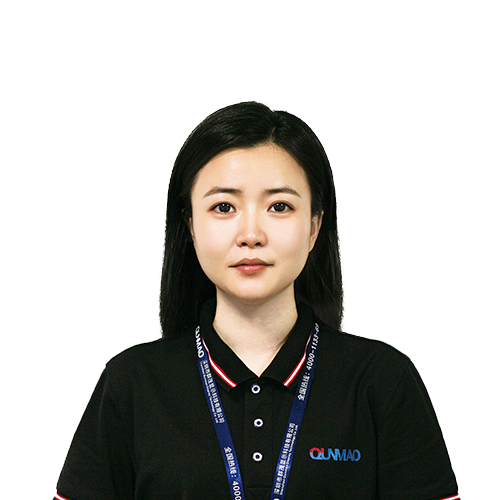
Tegevjuht | Interaktiivne ekraani ja koostöö lahendusekspert
Olen Qtenboardi asutaja, tuues üle 17-aastase praktilise oskusteadmisega puute kuvatööstusesse. Võttes arvesse ülemaailmse juhtimise perspektiivi, mis on saavutatud minu EMBA uuringud ShenZheni ülikoolis, Ma juhin Tootmisvõime jääb tööstuse esirinnas.
Qtenboardi juhina olen spetsialiseerunud kohandatud OEM/ODM-lahenduste pakkumisele interaktiivsetele valgeplaatidele, LCD video seinad, digitaalsed signaalid ja tööstusliku kvaliteediga puuteterminalid. Toetas meie 330.000 m nüüdisaegse tööstuspargi Shenzhenis, säilitame täispuhastuse kontrolli tööstusdisaini, täpsuse tootmise, ja range jõudluse testimine.
Peaaegu kaks aastakümne pikkune projektikogemus kasutatakse Qtenboardi ekraani lahendusi nüüd rohkem kui 120 riigis ja piirkonnas, teenis usaldust üle 15000 ettevõtluskliendi üle maailma. Kui otsite tundlik partner sügava tootmise aluse oma kohandatud touch kuva projekte, Minu meeskonnaga oleme valmis toetama teie nägemust professionaalselt.

 est
est
 EN
EN  pt
pt  spa
spa  th
th  vie
vie  aze
aze  bel
bel  lav
lav  ukr
ukr  ru
ru